Paul Guyer est un philosophe américain de premier plan, réputé pour son érudition approfondie sur Emmanuel Kant et l'esthétique. Il est une autorité reconnue de la pensée kantienne, ayant méticuleusement édité et traduit des œuvres kantiennes clés. Les écrits approfondis de Guyer explorent l'histoire de la philosophie et abordent des questions cruciales sur la connaissance, la raison et le goût. Ses analyses rigoureuses offrent aux lecteurs des perspectives éclairées sur l'évolution des idées philosophiques et la nature du jugement esthétique.
This book tells the story of idealism in modern philosophy, from the
seventeenth century to the turn of the twenty-first. Guyer and Horstmann
discuss many philosophers who have played a role in the development of
idealism, including Descartes, Hobbes, Spinoza, Leibniz, Locke, Berkeley,
Hume, Kant, Hegel, Schopenhauer, Nietzsche, and Wittgenstein.
Kant is the most significant Enlightenment philosopher. With an overview of Kant's life and times, this title introduces Kant's metaphysics and epistemology, explaining his arguments about the nature of space, time and experience in his most influential but difficult work, 'The Critique of Pure Reason'.
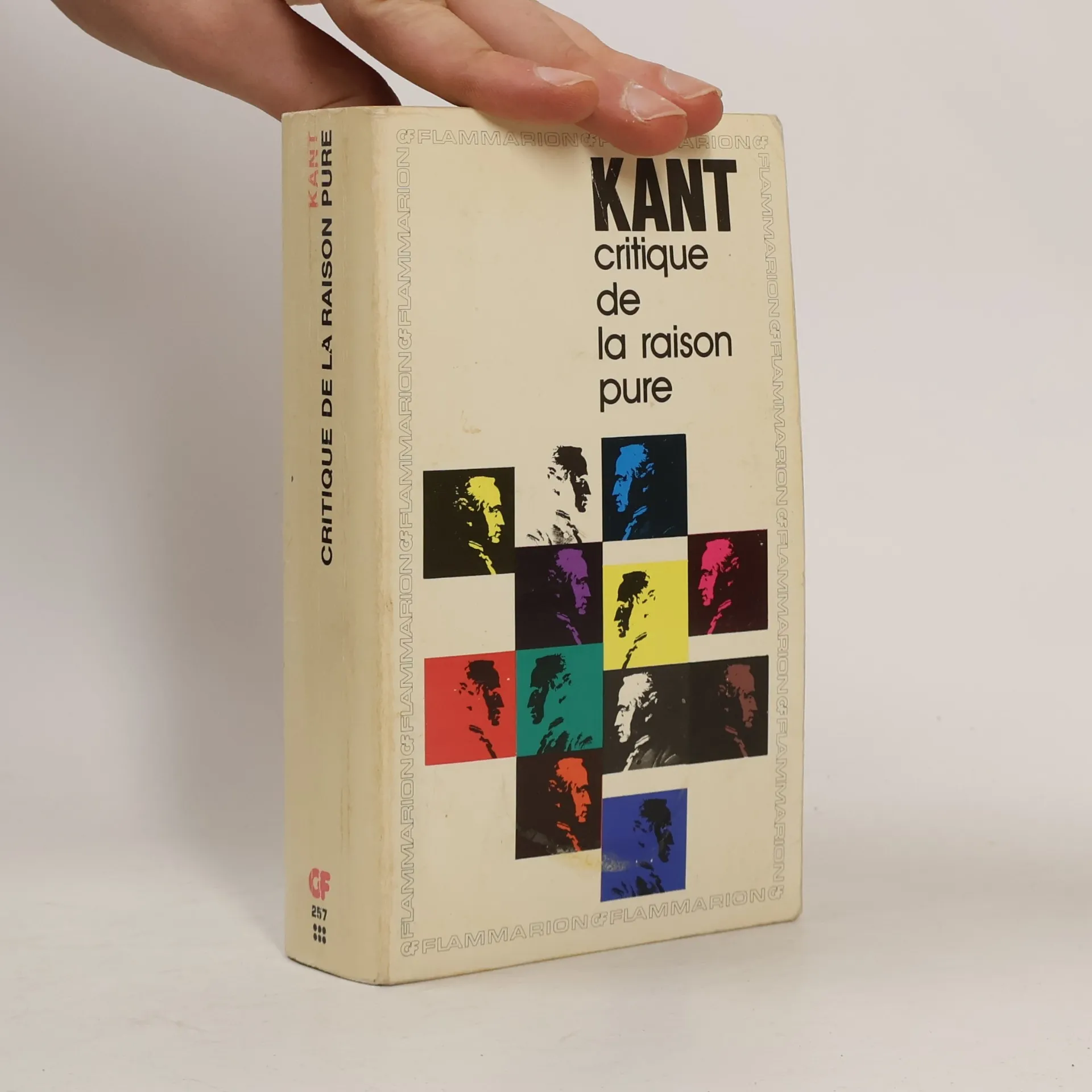
L'œuvre d'Immanuel Kant, "Critique de la raison pure", explore les fondements de la connaissance humaine et les limites de la raison. Kant y examine la relation entre l'expérience et la connaissance, distinguant entre les phénomènes, ce que nous percevons, et les noumènes, la réalité indépendante de notre perception. Il s'interroge sur les conditions de possibilité de la connaissance et propose une approche critique qui remet en question les certitudes établies par la métaphysique traditionnelle. À travers une analyse rigoureuse, Kant établit les principes de la philosophie moderne, en insistant sur l'importance de la raison dans la compréhension du monde. Son œuvre a profondément influencé la pensée philosophique, ouvrant la voie à de nouvelles réflexions sur la nature de la réalité, la perception et la connaissance. "Critique de la raison pure" demeure un texte fondamental pour quiconque s'intéresse à la philosophie et à la théorie de la connaissance.