
Bookbot

Edward Teller

    Edward Teller, souvent salué comme le père de la bombe à hydrogène américaine, a mené une carrière profonde mais controversée dans le domaine scientifique. Reconnu comme l'un des physiciens les plus imaginatifs et créatifs de son époque, son travail a fondamentalement façonné le programme des armes nucléaires. Cependant, son objectif singulier dans le développement de la bombe à hydrogène et son approche autoritaire ont souvent créé des frictions avec ses collègues. Son parcours de vie, marqué par une fuite d'une Hongrie politiquement turbulente et des études en Allemagne, l'a finalement conduit aux États-Unis, où il est devenu une figure clé dans l'avancement de la technologie nucléaire.

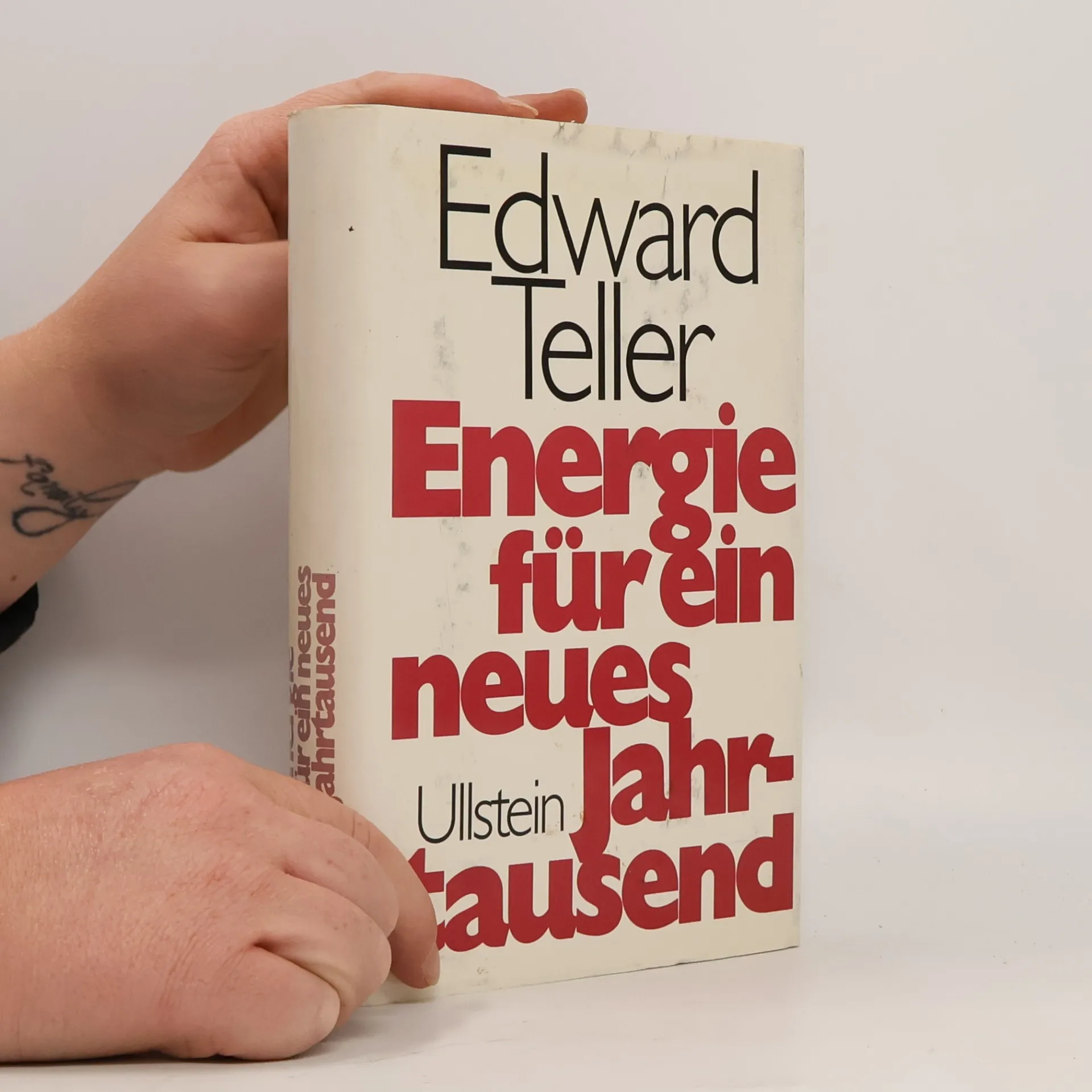
    Energie für ein neues Jahrtausend
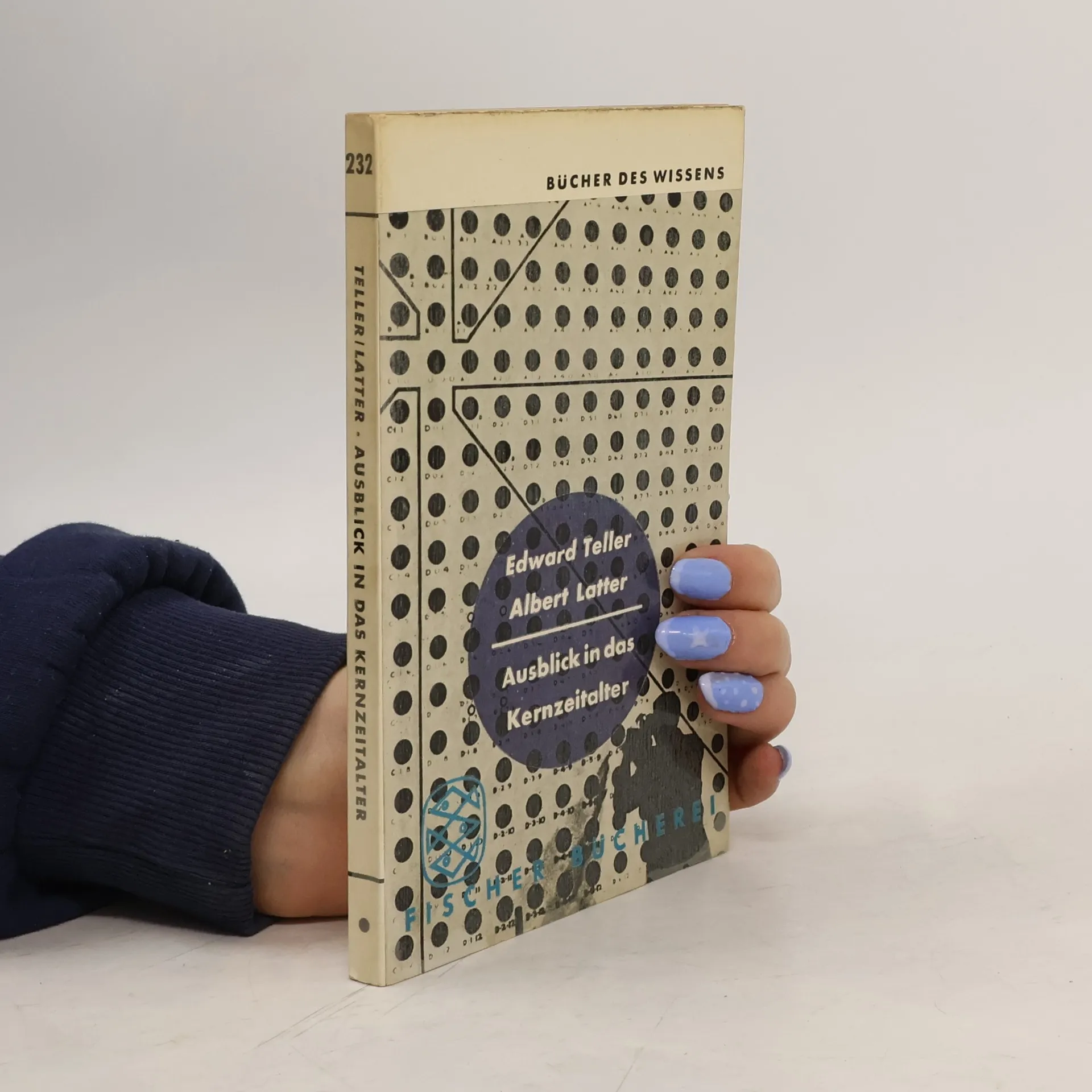
    Ausblick in das Kernzeitalter
    Memoirs
    Nuclear War Survival Skills
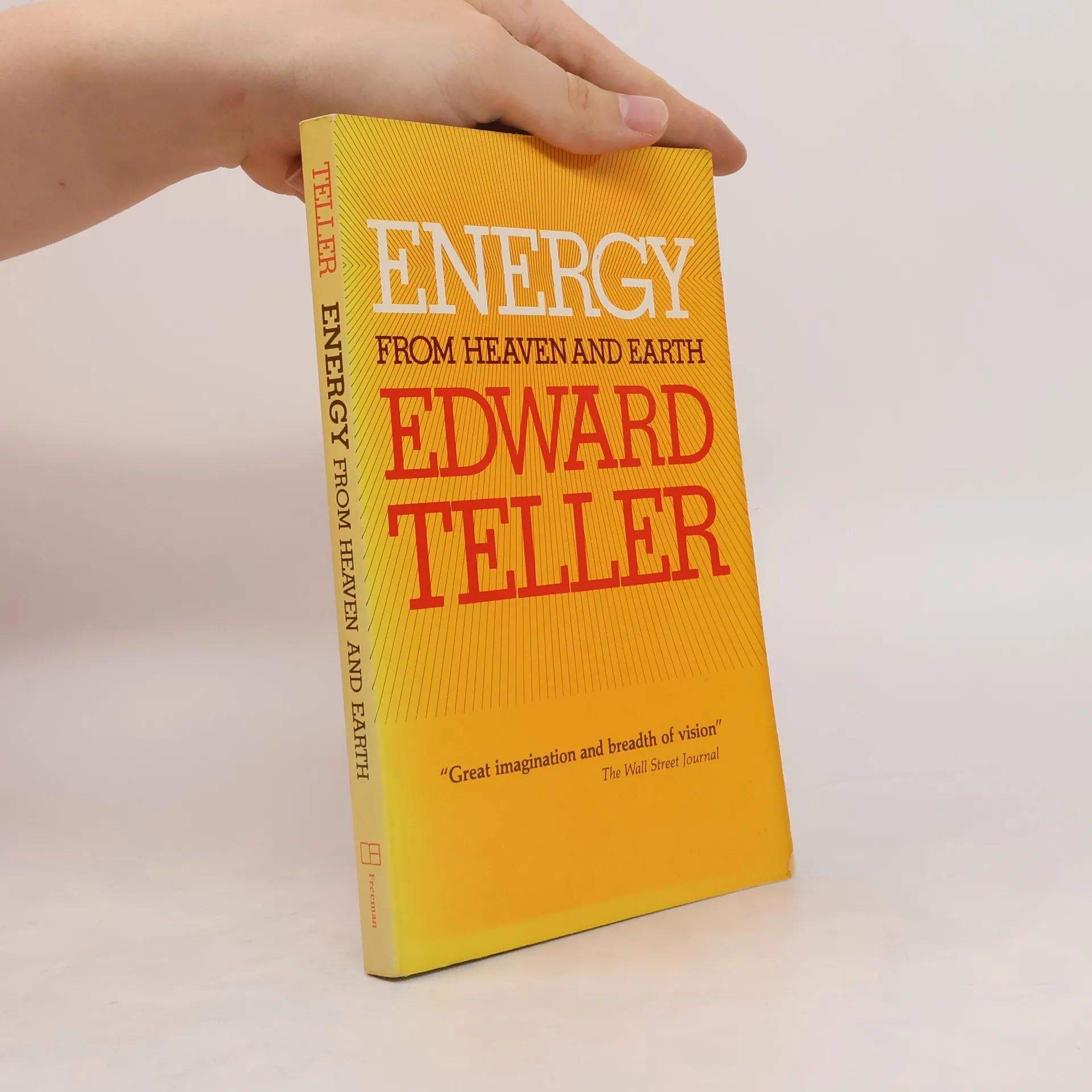
    Energy from Heaven and Earth
    • Nuclear War Survival Skills

      Lifesaving Nuclear Facts and Self-Help Instructions

      • 320pages
      • 12 heures de lecture

      Be prepared for the worst case scenario with t this field-tested guide to surviving a nuclear attack, written by a revered civil defense expert.This edition of Cresson H. Kearny’s iconic Nuclear War Survival Skills (originally published in 1979 and updated by Kearny himself in 1987 and again in 2001), offers expert advice for ensuring your family’s safety should the worst come to pass. Chock-full of practical instructions and preventative measures, Nuclear War Survival Skills is based on years of meticulous scientific research conducted by Oak Ridge National Laboratory.Written at a time when global tensions were at their peak, Nuclear War Survival Skills remains relevant in the dangerous age in which we now live.
      Nuclear War Survival Skills2016
    • Memoirs

      A Twentieth-Century Journey in Science and Politics

      • 640pages
      • 23 heures de lecture

      The story of Edward Teller encapsulates the tumultuous events of the twentieth century. Born in Hungary in 1908, he experienced the rise of Nazism, two world wars, and the McCarthy era, all while witnessing the evolution of big science. A brilliant yet controversial figure, Teller's contributions to nuclear weapons were pivotal to the American war effort, and he championed the philosophy of freedom through strong defense, which influenced his views on arms control and nuclear policy. His extraordinary recollections unveil the man behind the headlines—passionate, humorous, devoted, and loyal. Through clear and engaging prose, Teller recounts the people, events, and ideas that shaped his scientific journey, from his early love of music and math to studying quantum physics with Werner Heisenberg. He shares insights from pivotal moments in modern science and reflects on friendships with luminaries like Einstein, Bohr, and Oppenheimer, providing an honest account of the atomic and hydrogen bomb developments. Additionally, Teller offers a poignant glimpse into his childhood, marriage, and family life, revealing his conservative politics and relationships with scientists and presidents, all while expressing his deep beliefs about liberty, security, and the moral responsibilities of science.

      Memoirs2002