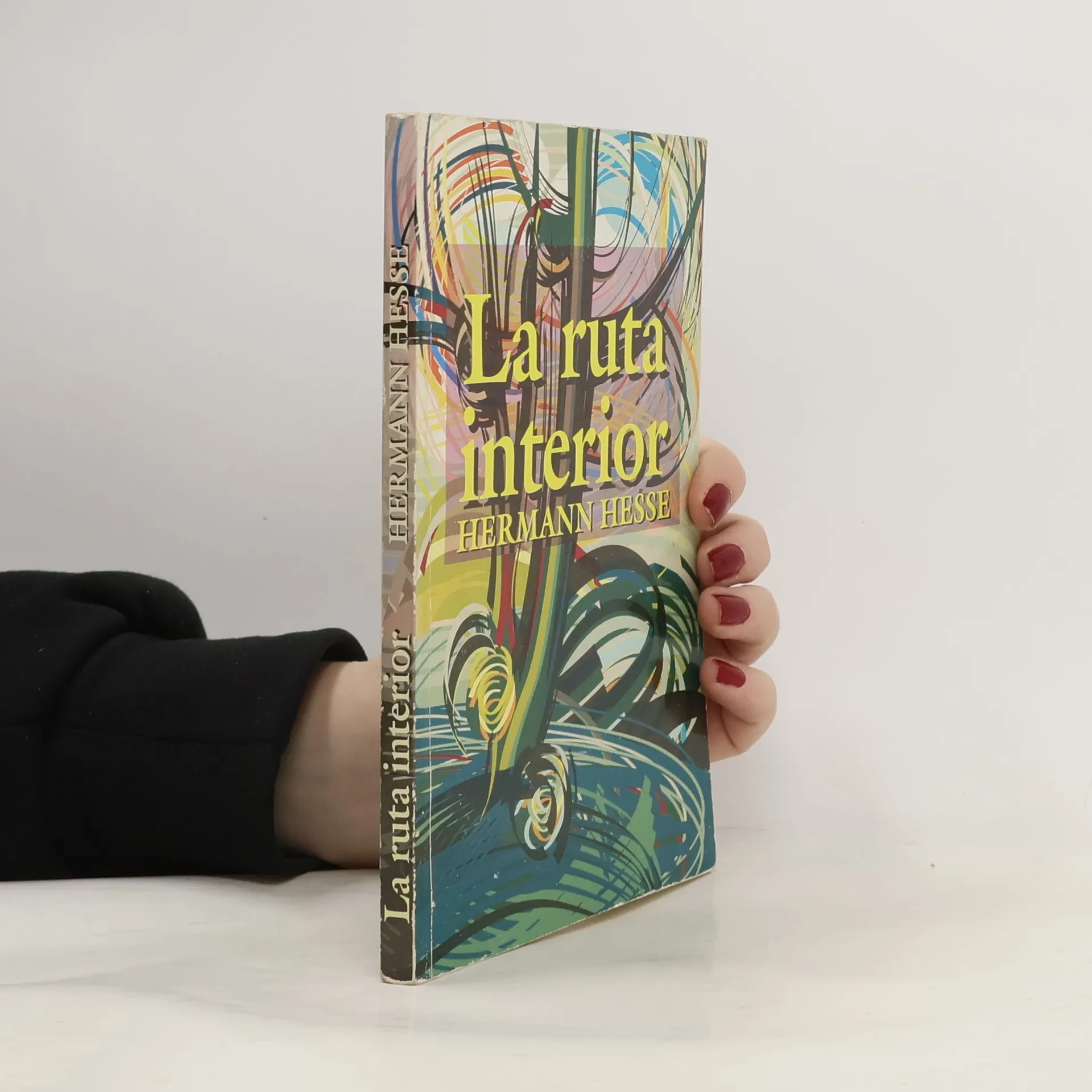
Bookbot

Hermann Hesse

    2 juillet 1877 – 9 août 1962

    Les œuvres littéraires de Hermann Hesse explorent la quête individuelle de spiritualité et de sens en dehors des normes sociales. Ses récits, souvent empreints d'un désir d'existence plus naturelle, ont profondément résonné auprès des lecteurs en quête de voies alternatives au milieu d'un changement sociétal rapide. Hesse entrelace magistralement les thèmes de l'identité et de la découverte de soi avec un style narratif distinctif qui lui a valu une reconnaissance mondiale.

    Hermann Hesse
    Peter Camenzind
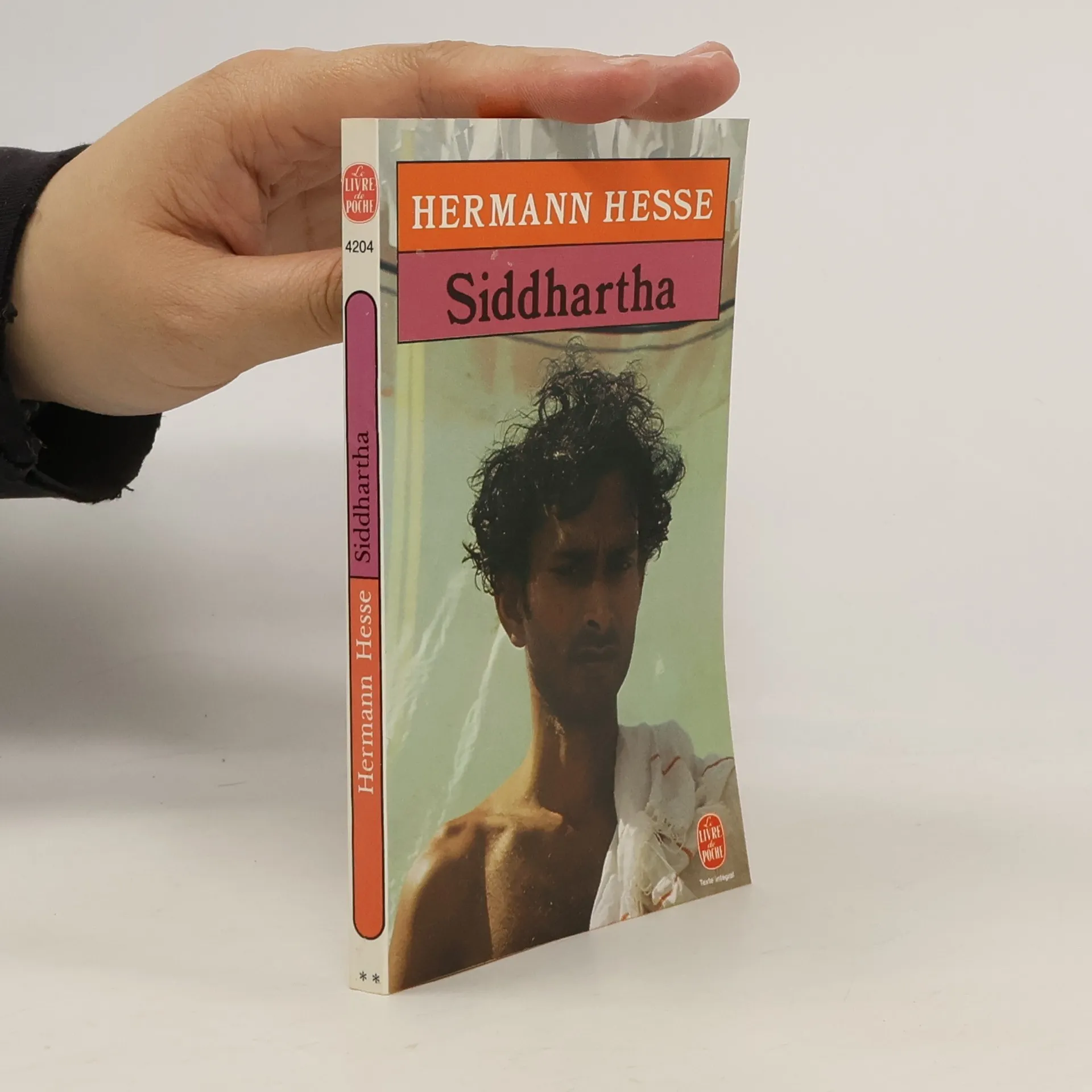
    Siddhartha
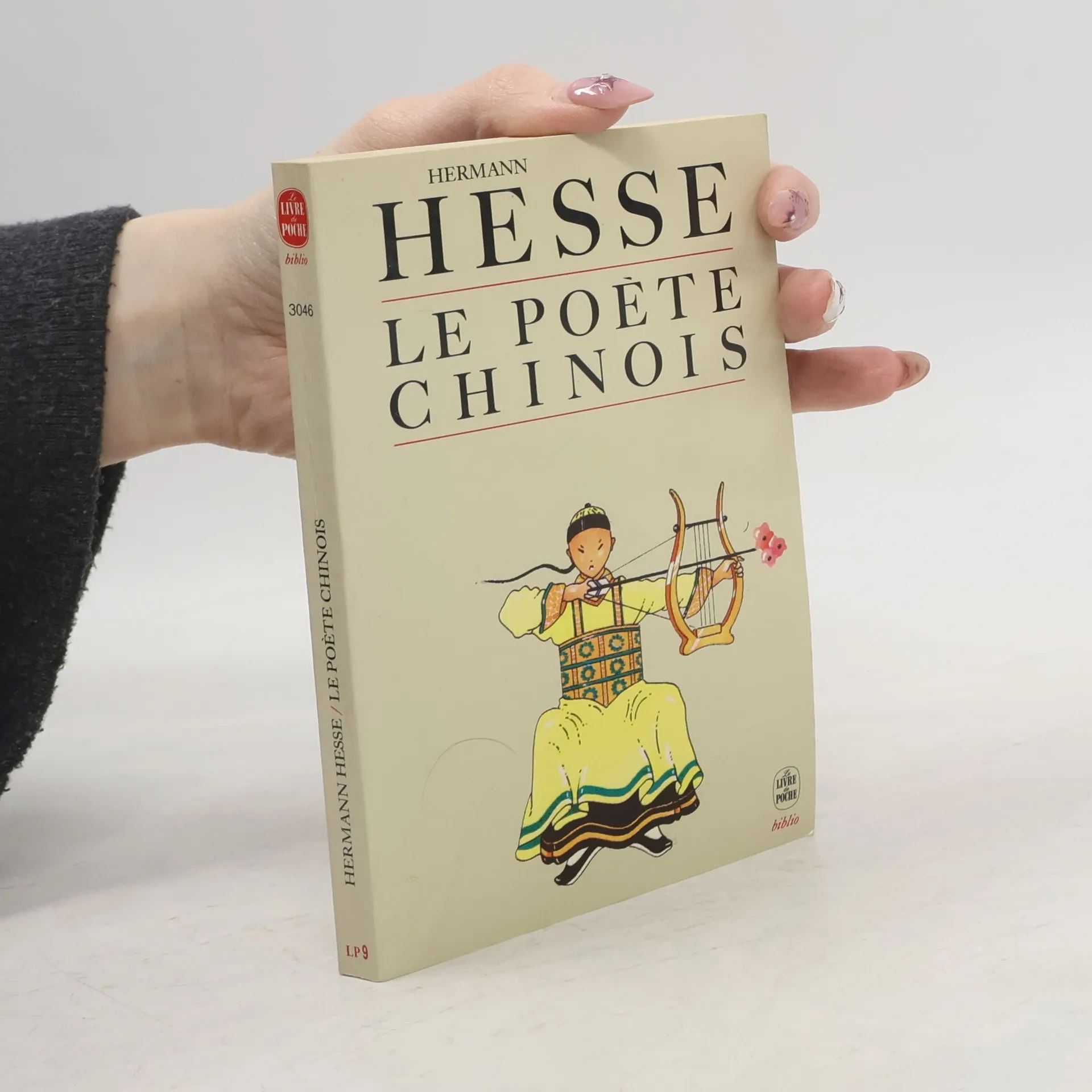
    Le poète chinois
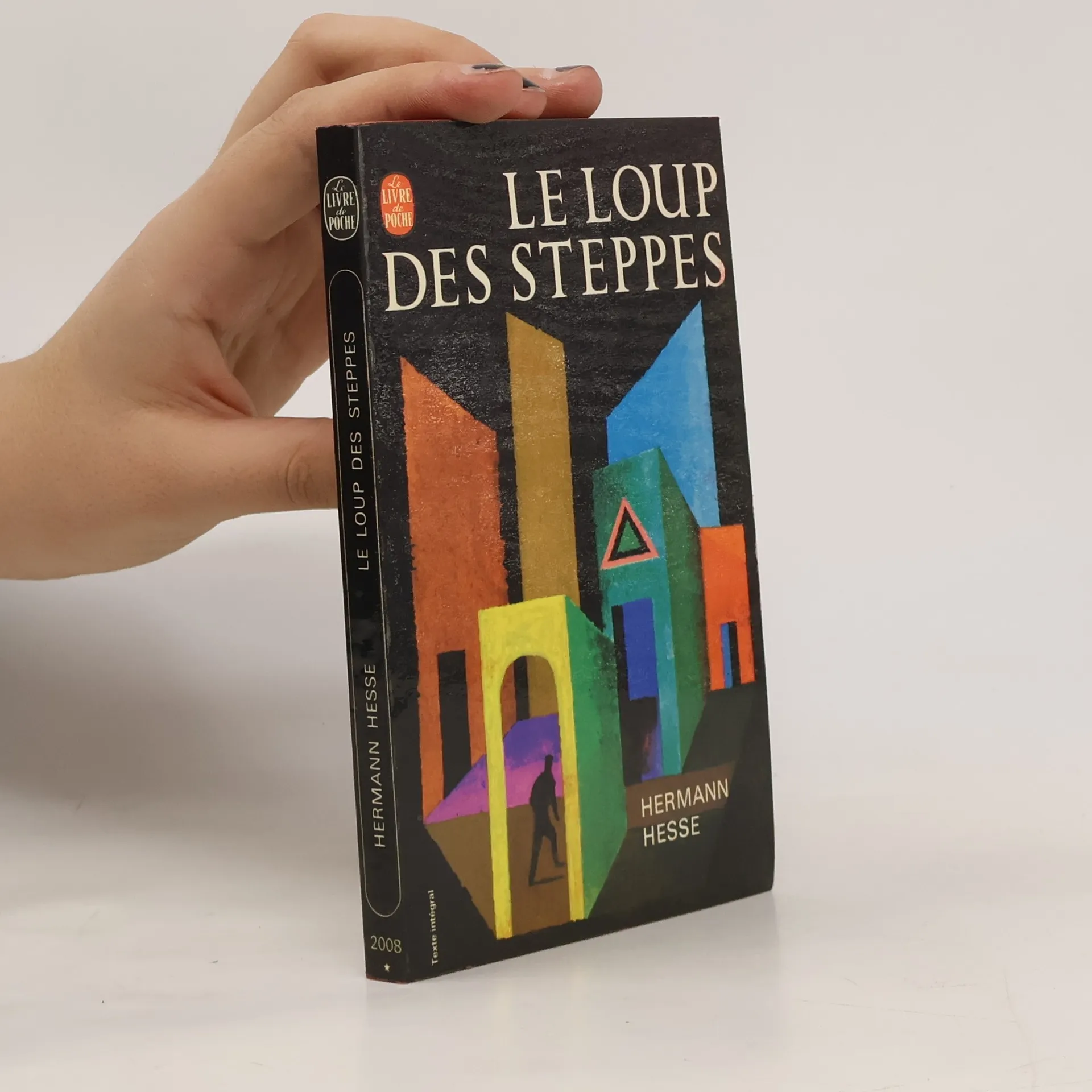
    Le loup des steppes
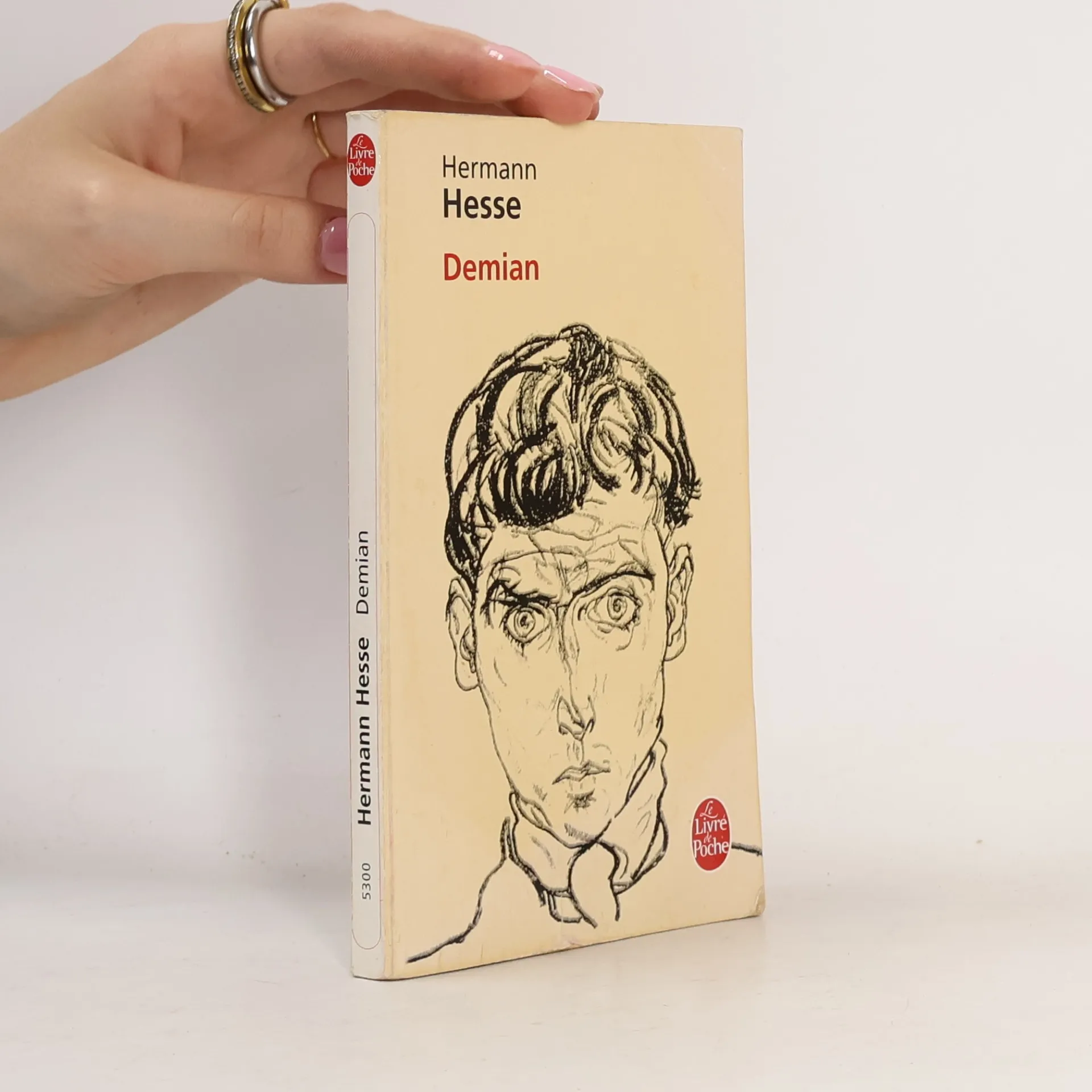
    Demian
    Narcisse et Goldmund
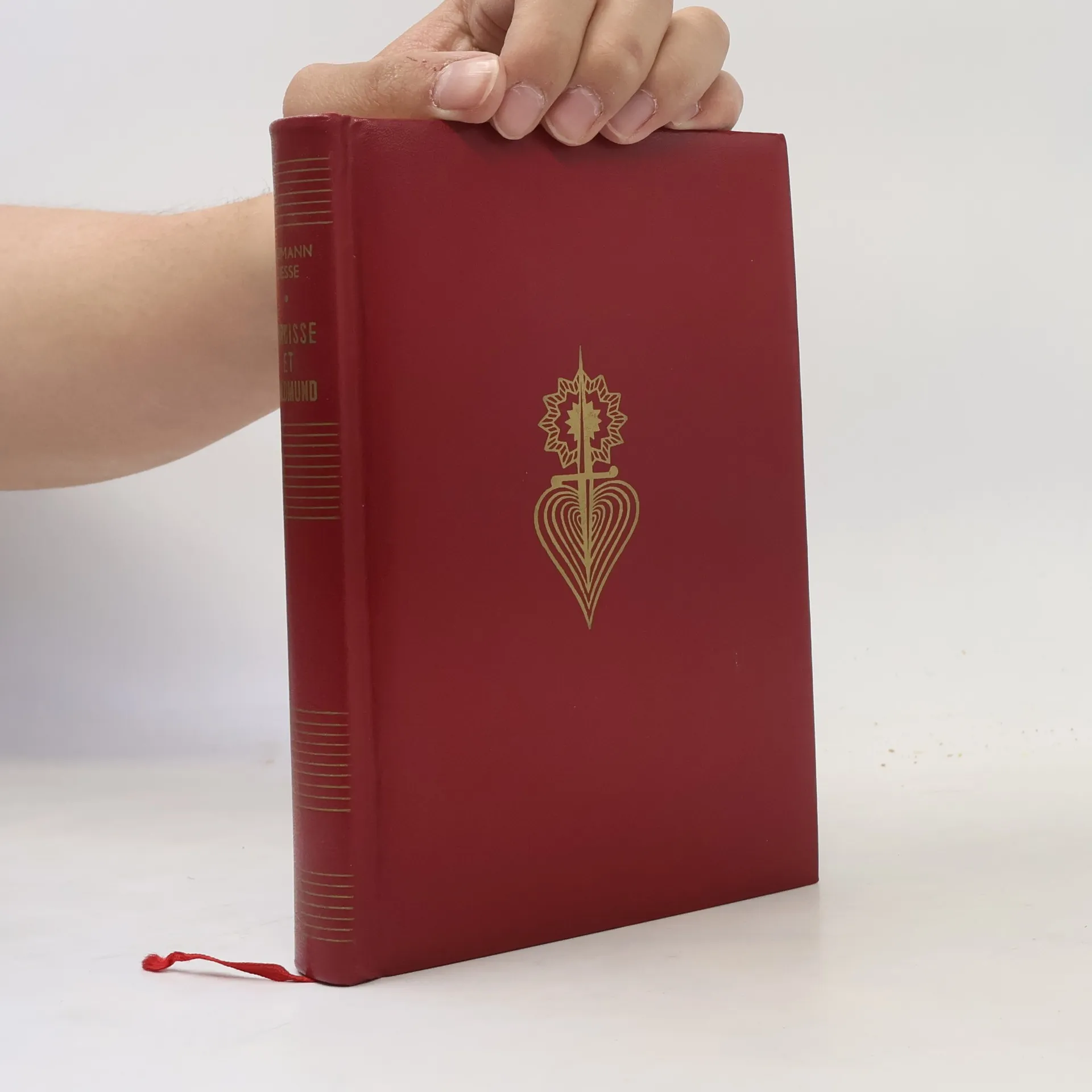
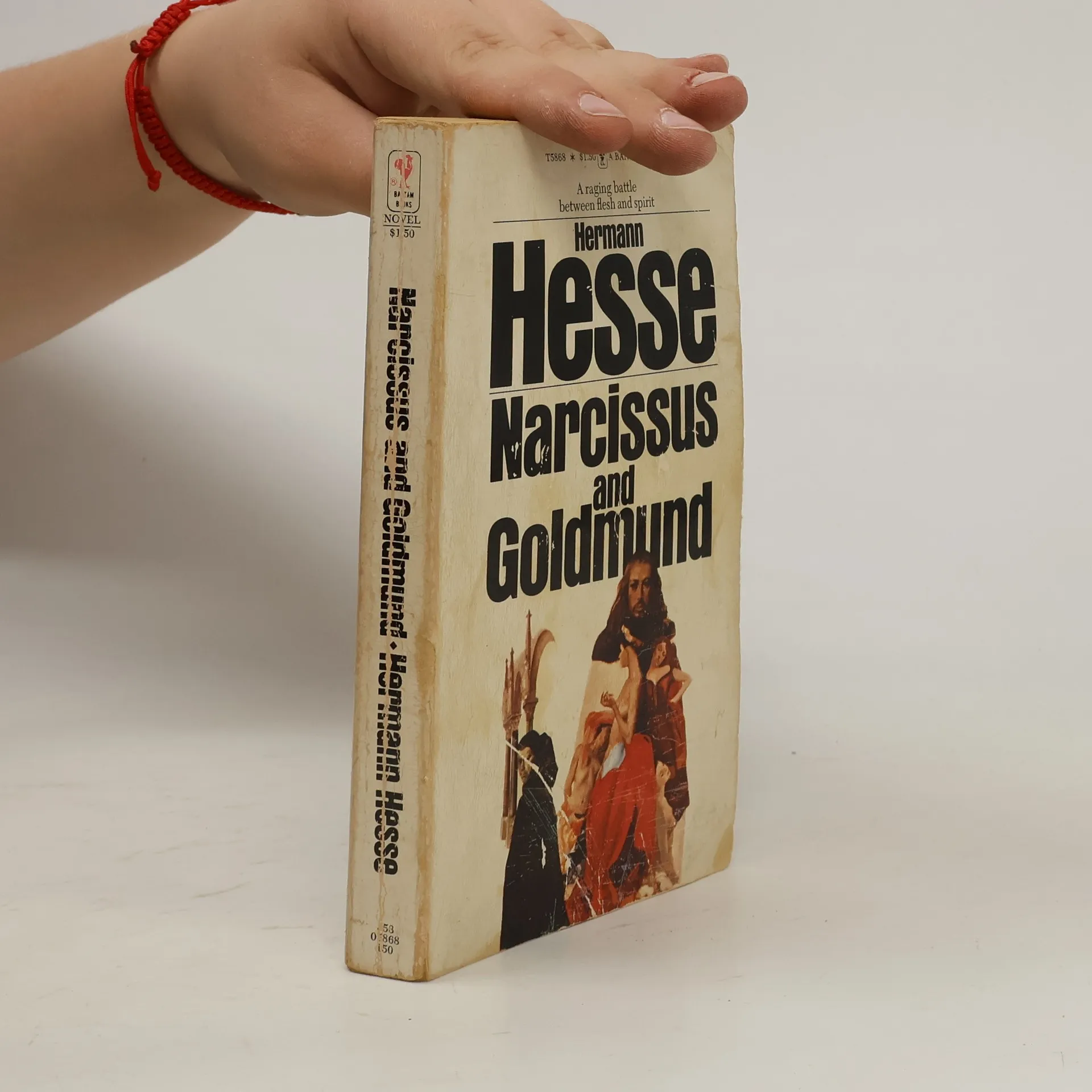
    • Narcisse et Goldmund

      • 250pages
      • 9 heures de lecture

      Narcisse, dont la vie s'écoule au couvent de Mariabronn, dans un moyen âge tout imprégné d'un certain romantisme allemand, représente la règle, le savoir théologique et la méditation. Son élève Goldmund, jeune et beau comme un archange et en qui il a décelé une nature d'élite, n'est pas fait pour la vie monacale. Malgré l'incomparable amitié qui lie les deux hommes, le novice quitte le monastère pour se livrer à la vie dévorante qui hante ses rêves, frustré, du souvenir de sa mère, pour lui l'Ève éternelle. Cette femme, il la cherchera au cours de ses multiples aventures qui le conduiront parfois au meurtre, mais aussi et surtout à la révélation de sa vocation : la sculpture. Après avoir échappé à la peste dans une région de cauchemar où les morts sans sépulture demeurent comme des vivants en cendres, Goldmund rejoindra au couvent Narcisse, son frère et son ami, son contraire et son complément. Dans ce roman, comme dans beaucoup de ses œuvres, Hermann Hesse évoque sa propre complexité qui n'est autre que celle qu'on retrouve au cœur de chaque individu.

      Narcisse et Goldmund
      4,3
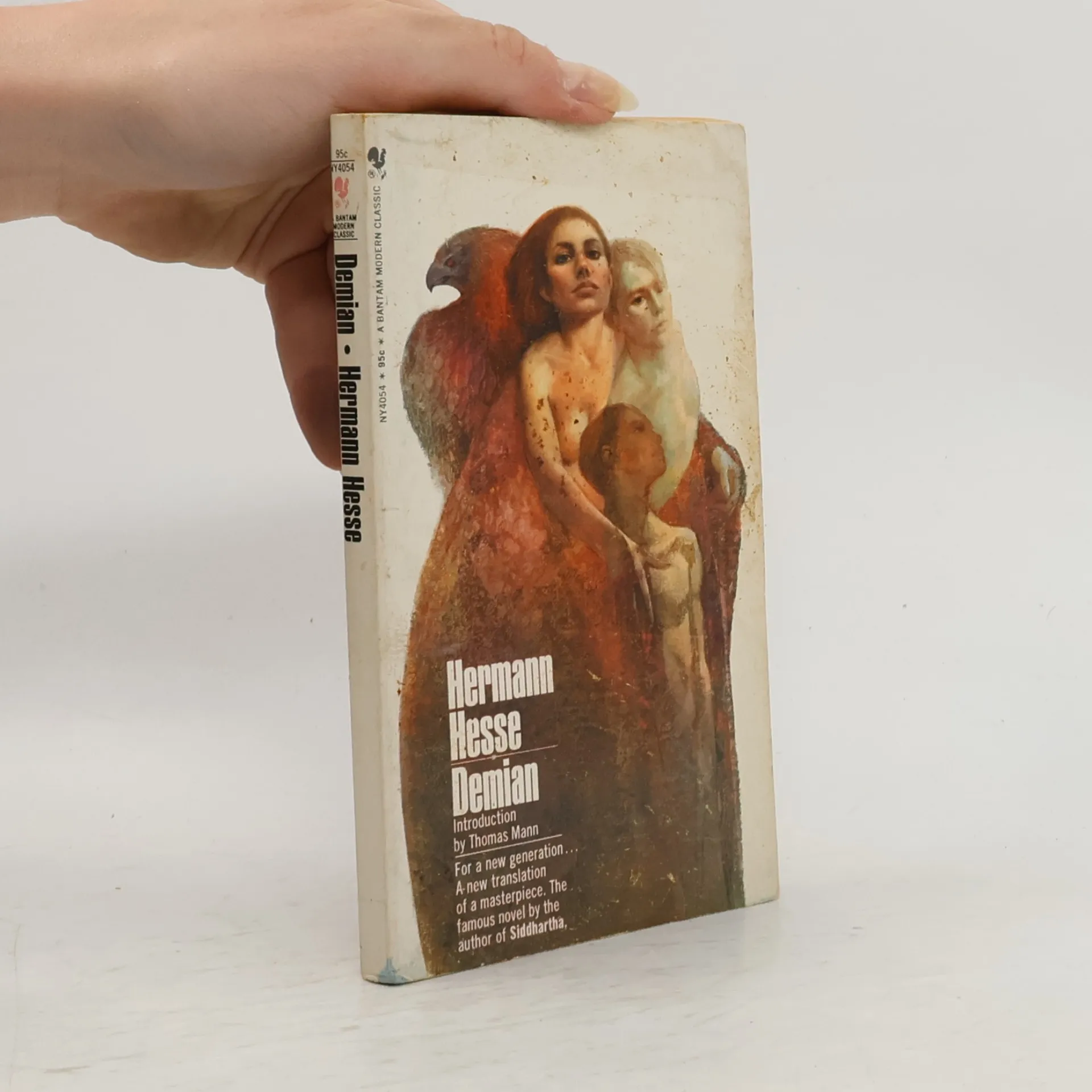
    • Demian

      • 219pages
      • 8 heures de lecture

      Demian est le roman d'une adolescence, roman d'initiation, de formation, et l'un des chefs-d'œuvre du genre. Le sous-titre est : Histoire de la jeunesse d'Emile Sinclair. Demian enseigne à Emile Sinclair à ne pas suivre l'exemple de ses parents, à se révolter pour se trouver, à s'exposer à la fois au divin et au démoniaque, à traverser le chaos pour mériter l'accomplissement de sa destinée propre. Les trois romans de Hermann Hesse, Demian, chronologiquement le premier, Siddhartha et Le Loup des steppes offrent autant de variations sur le thème de l'étranger qui ne doit pas craindre de se séparer de la société, de " vivre en dehors ".

      Demian
      4,2
    • Expérience spirituelle, récit initiatique, délire de psychopathe, Le Loup des steppes multiplie les registres. Salué à sa parution en 1927 (entre autres par Thomas Mann, qui déclare : « Ce livre m’a réappris à lire »), interdit sous le régime nazi, roman culte des années 1960 et 1970, c’est une des œuvres phares de la littérature universelle du XXe siècle. Il méritait une nouvelle traduction. Le voici enfin rendu avec tout l’éclat de ses fulgurances, la troublante obscurité de ses zones d’ombre.

      Le loup des steppes
      4,2
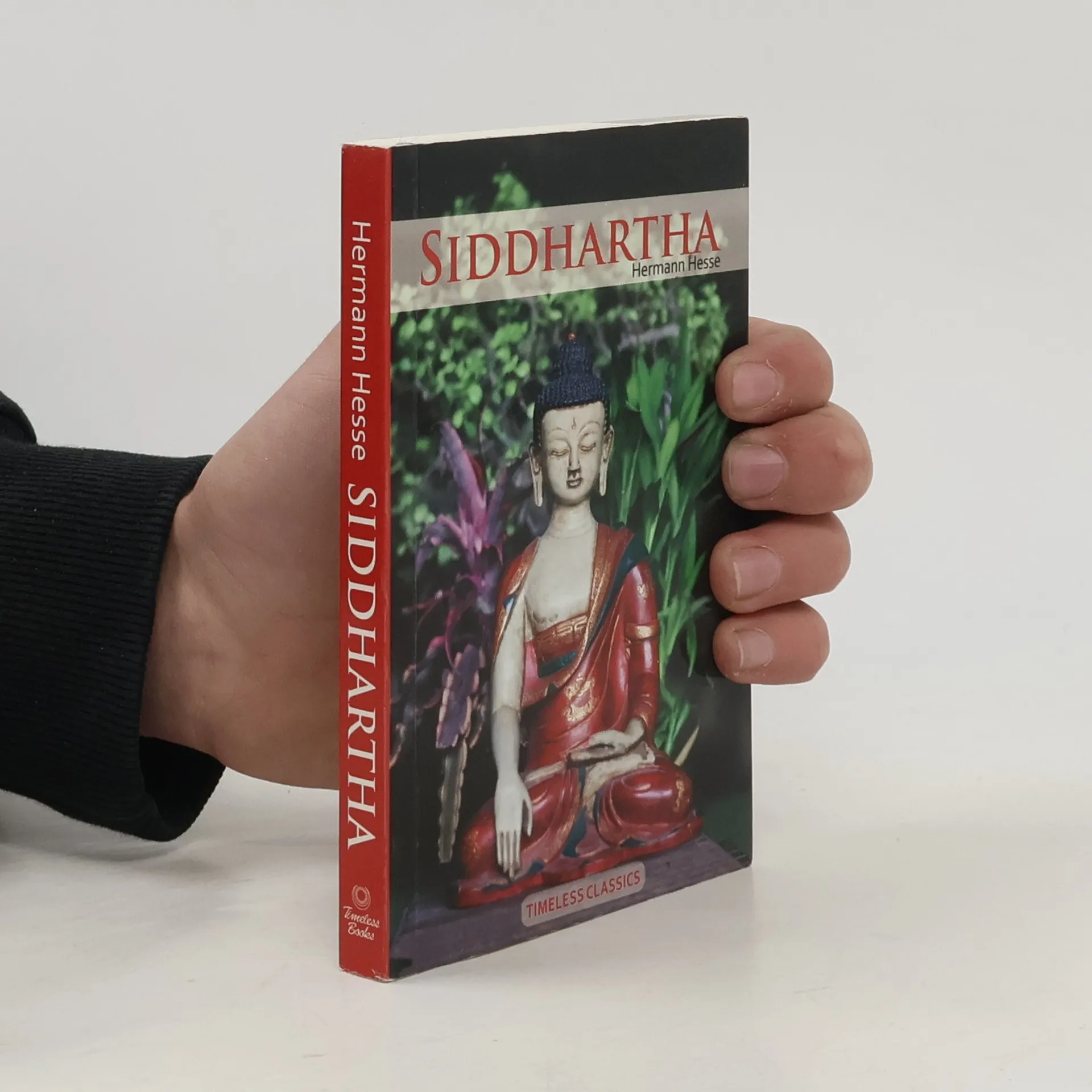
    • Siddhartha

      • 158pages
      • 6 heures de lecture

      Un jour vient où l’enseignement traditionnel donné aux brahmanes ne suffit plus au jeune Siddhartha. Quand des ascètes samanas passent dans la ville, il les suit, se familiarise avec toutes leurs pratiques mais n’arrive pas à trouver la paix de l’âme recherchée. Puis c’est la rencontre avec Gotama, le Bouddha. Tout en reconnaissant sa doctrine sublime, il ne peut l’accepter et commence une autre vie auprès de la belle Kamala et du marchand Kamaswani. Les richesses qu’il acquiert font de lui un homme neuf, matérialiste, dont le personnage finit par lui déplaire. Il s’en va à travers la forêt, au bord du fleuve. C’est là que s’accomplit l’ultime phase du cycle de son évolution. Dans le cadre d’une Inde recréée à merveille, écrit dans un style d’une rare maîtrise, Siddhartha, roman d’une initiation, est un des plus grands de Hermann Hesse, prix Nobel de littérature.

      Siddhartha
      4,0
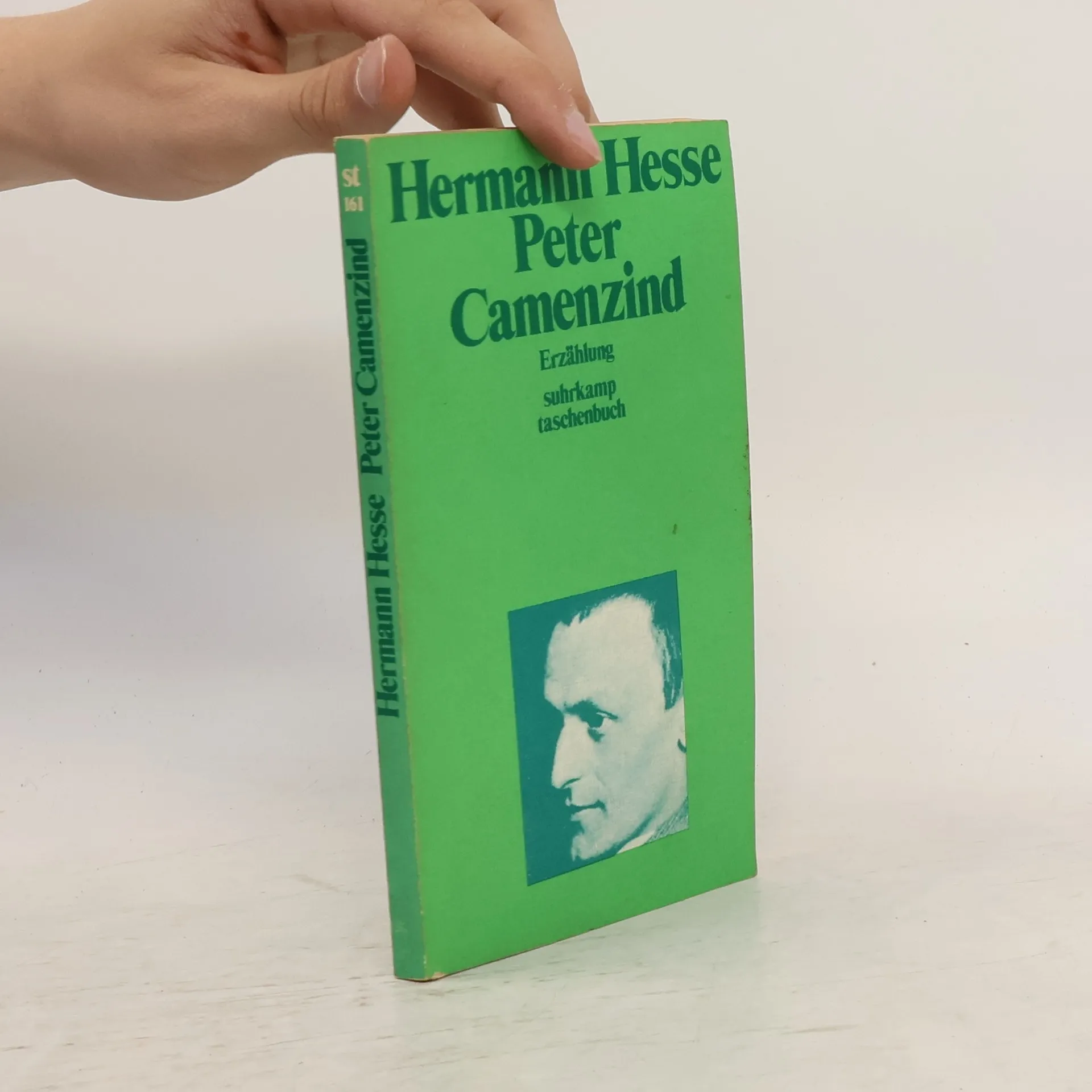
    • Dans Peter Camenzind, Hesse décrit à la première personne la vie d'un homme né dans un petit village de montagne. Peter Camenzind éprouve un amour débordant pour la nature et passe beaucoup de temps à gravir des montagnes et à observer son environnement. Le cœur de l'histoire tourne autour de sa transformation intérieure, alors qu'il découvre, en plus du chemin de vie tracé par son père, sa passion pour l'activité intellectuelle. Il aspire à un mode de vie urbain qui le conduit dans des cercles aristocratiques. Rapidement, il devient écrivain indépendant et réfléchit sur des événements historiques. Cependant, il réalise qu'en dépit de son apparence cosmopolite, il reste toujours le « garçon de ferme » de Nimikon. En ville, il est confronté aux « péchés héréditaires » dont il s'est échappé, comme l'alcool. De retour au village pour s'occuper de son père, il prend conscience qu'il a suivi son rêve d'enfance de devenir poète, mais il doute d'être réellement un poète ou de le devenir un jour. En se remémorant les nombreuses personnes rencontrées lors de ses voyages, il comprend que ces expériences et souvenirs ne peuvent compenser la poésie. Il exhorte ceux qui souhaitent s'accomplir à ne jamais oublier où se trouve la véritable patrie, dans le cœur et l'esprit.

      Peter Camenzind
      3,9
    • Biblio: Histoires d'amour

      • 408pages
      • 15 heures de lecture

      Histoires d'amour surprendra peut-être les fervents lecteurs du Loup des steppes ou de Siddharta. Maître à penser d'une jeunesse impatiente et révoltée en quête de spiritualité, Hermann Hesse se révèle ici comme un maître à aimer. Ou à souffrir. Au-delà de quelques brillantes variations historiques et littéraires (comme La Conversion de Casanova, Jeux d'ombres et Chagrin d'amour), ce recueil de récits composés entre 1900 et 1924 est riche de résonances autobiographiques. Hermann Hesse y peint ces bourgades d'Allemagne du Sud dont il était familier. De même qu'il évoque les épisodes difficiles de sa vie amoureuse. La fable lyrique des Métamorphoses de Pictor constitue, par exemple, une déclaration d'amour à Ruth Wenger, sa deuxième épouse. L'amour timide, l'amour audacieux, l'amour sans espoir, l'amour fou et la jalousie qui l'accompagne... Hesse les évoque avec leur cortège inévitable de trouble et de désenchantement. Plus précisément, il semble que ce soit dans cette confrontation incessante de l'amour et de la douleur que l'écrivain puise sa plus ample force créatrice.

      Biblio: Histoires d'amour
      3,8
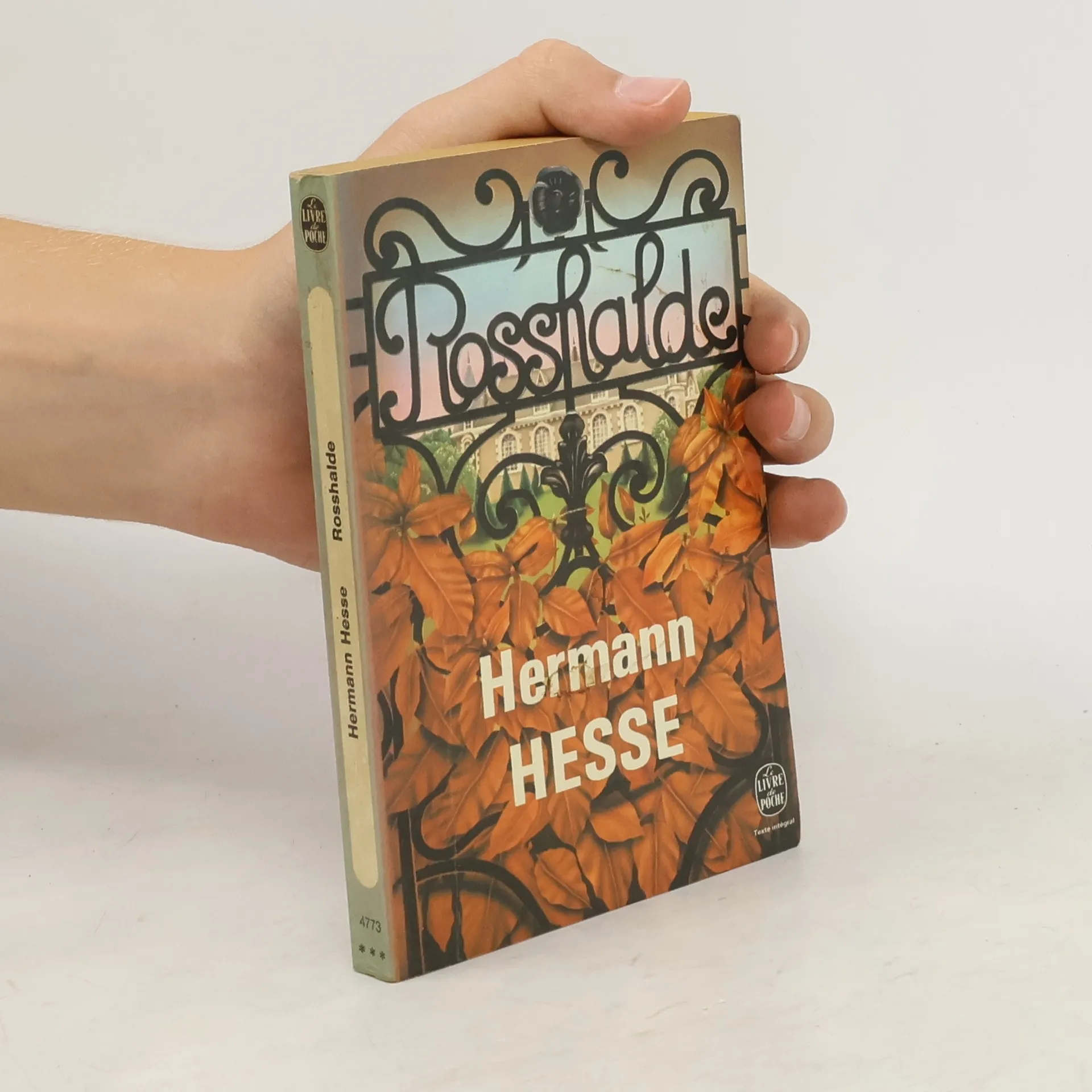
    • Rosshalde, c'est le nom du domaine, quelque part en Allemagne, où vivent un peintre de grand talent, Johann Veraguth, son épouse Adèle et leur petit garçon Pierre, avant la Première Guerre mondiale. La nature y est somptueuse et la vaste maison est une de ces demeures de famille synonymes, pour le cœur de beaucoup, de souvenirs précieux. Mais ici la réalité est tout autre : l'enfant, sensible et fragile, devient une source de conflit entre ses parents, qui ne communiquent plus et se déchirent. Victime de la haine des adultes, il tombe gravement malade. Ce drame va déterminer en grande partie le destin de Johann, l'obligeant à poser un regard lucide sur sa vie, à renoncer aux mirages de la jeunesse avec dans les mains son unique bien : sa valeur d'artiste.Rosshalde reste en marge de l'œuvre de Hesse par un style inhabituel : un ton glacé qui sert merveilleusement bien le sujet du livre, l'incommunicabilité entre les êtres. Il questionne la valeur de l'engagement de l'artiste, le malheur en tant que fondement de l'acte créateur.

      Rosshalde
      3,7
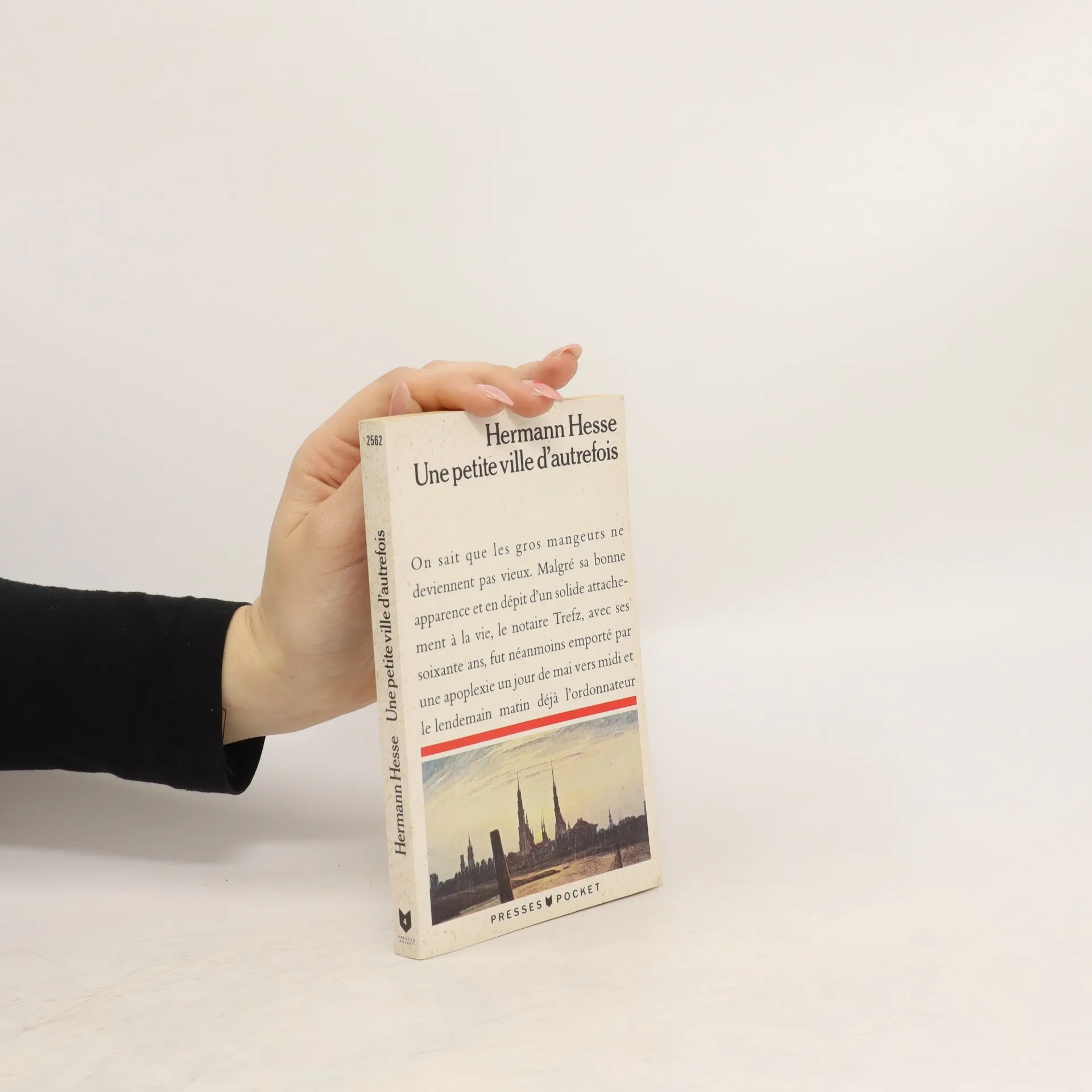
    • Une petite ville d'autrefois

      • 185pages
      • 7 heures de lecture

      "Une petite ville d'autrefois" est un recueil de nouvelles. Chaque texte peint à la fois un personnage et une petite bourgade, avec ses moeurs, ses travers, ses habitudes... Les deux dernières nouvelles sont assez ironiques et plongent le lecteur dans un univers absurde, dominé par la logique de la guerre et des lois eugéniques... Un univers qui annonce la société nazie...

      Une petite ville d'autrefois
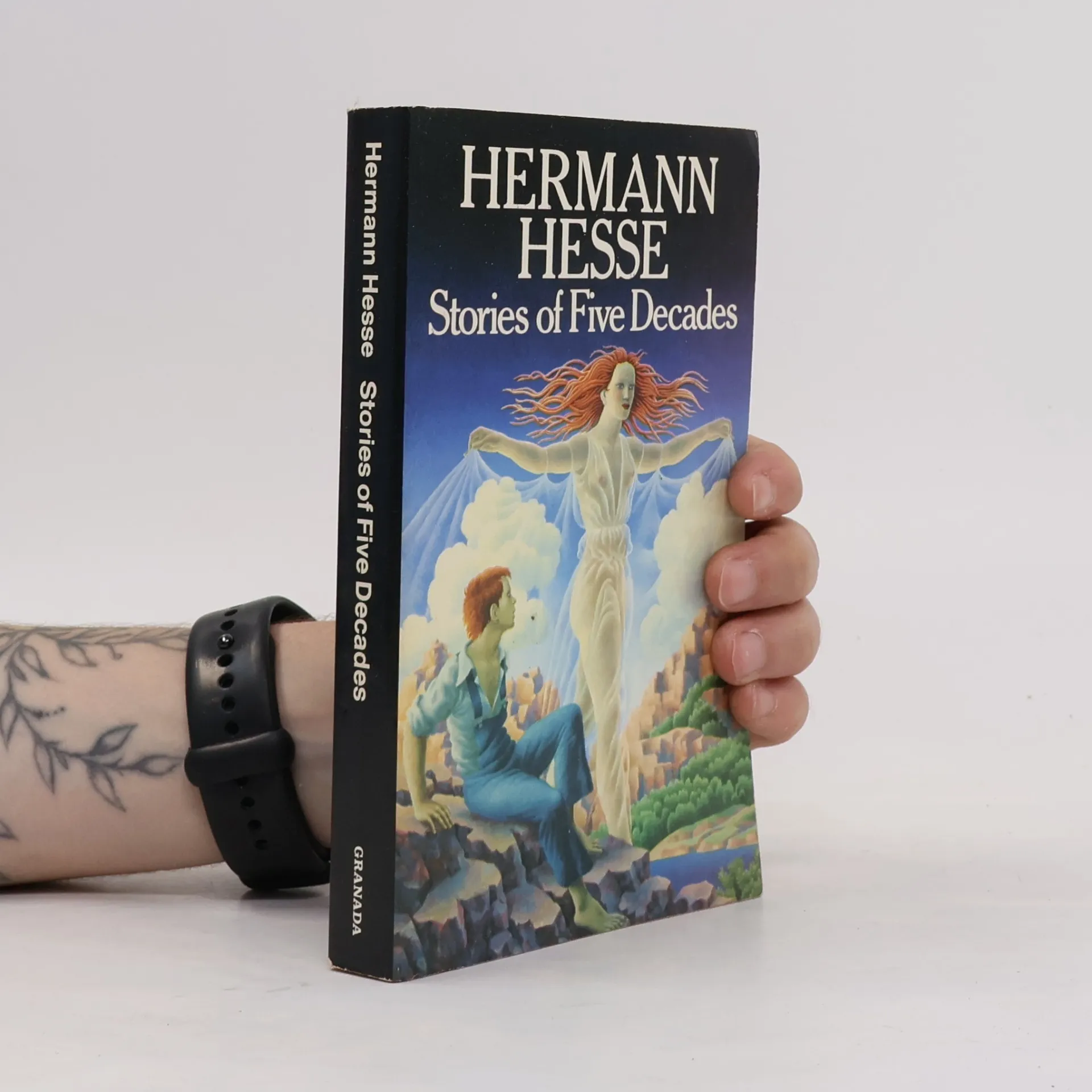
    • A collection of 23 short stories written during 1899-1948, 20 here translated for the first time: The Island Dream (1899)Incipit vita nova (1899)To Frau Gertrud (1899)November Night (1901)The Marble Workd (1904)The Latin Scholar (1906)The Wolf (1907)Walter Kompff (1908)The Field Devil (1908)Chagrin d'Amour (1908)A Man by the Name of Ziegler (1908)The Homecoming (1909)The City (1910)Robert Aghion (1913)The Cyclone (1913)From the Childhood of St. Francis of Assisi (1919)Inside and Outside (1920)Tragic (1923)Dream Journeys (1927)Harry, the Steppenwolf (1928)An Evening with Dr. Faust (1929)Edmund (1934)The Interrupted Class (1948)

      Stories of Five Decades
      5,0
    • The Seasons of Life

      • 160pages
      • 6 heures de lecture

      A never-before-seen volume of poetry by the preeminent poet laureate Herman Hesse--a beautiful companion to Seasons of the Soul and the author's better-known prose work. Organized into four parts--spring, summer, autumn, and winter--The Seasons of Life relates the transitions in nature to the organic progressions of human life from birth through death. From the mundane to the sublime, the spiritual to the political, and private feeling to expressed opinion, Hesse touches on the range of human experience, inviting the reader to consider both the beauty and what Hesse called the "adversities of life." Beloved by readers as a wise and open friend, Hesse offers in this never-before-translated volume an honest portrayal of a whole life: its lessons and mysteries, its glories and despairs. The poet's voice--so treasured in his novels among a worldwide English-speaking audience--can now be enjoyed through this new translation in the follow-up to Seasons of the Soul.

      The Seasons of Life
      4,4
    • Autobiographical Writings

      • 235pages
      • 9 heures de lecture

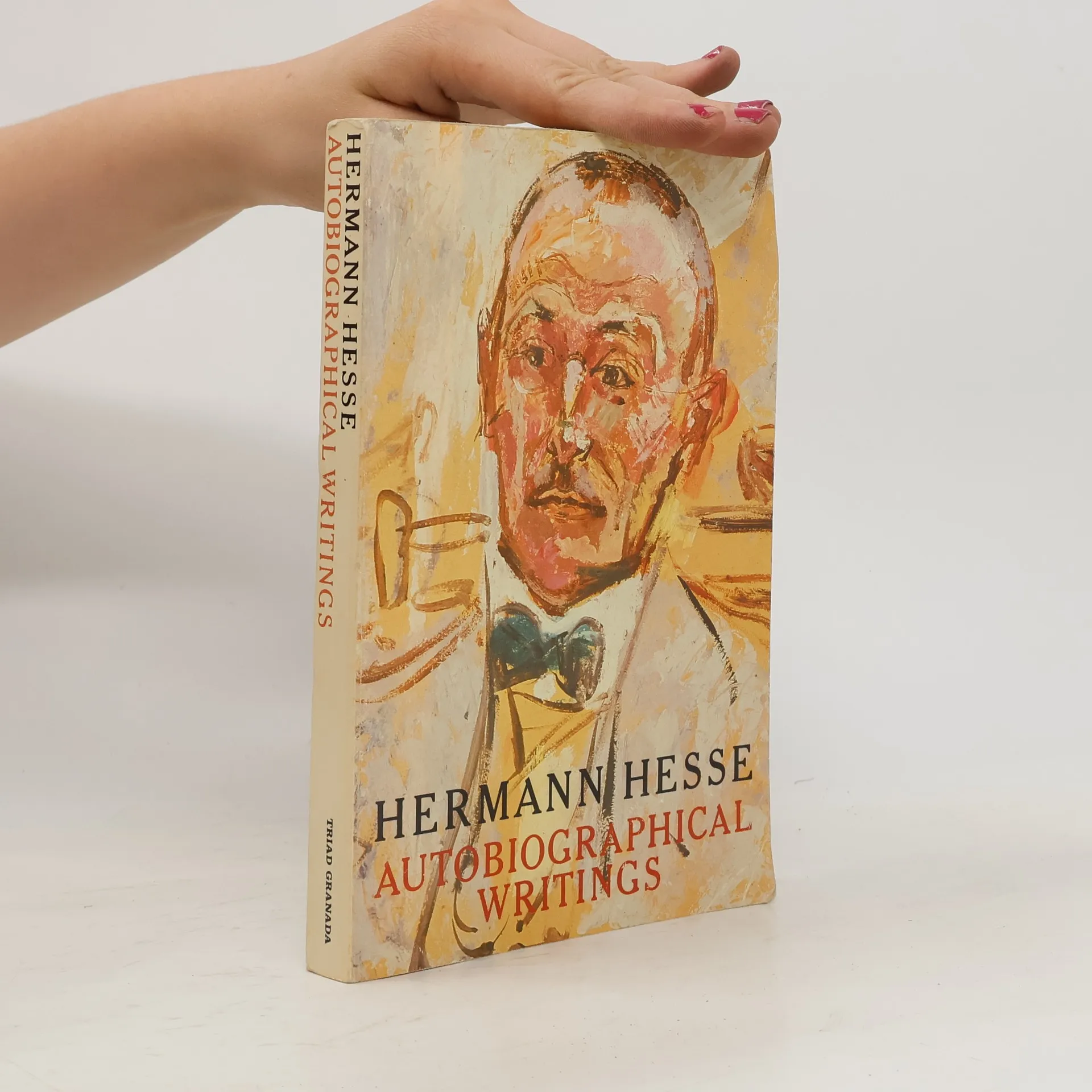
      Introduction Childhood of the Magician From My Schooldays About Grandfather Life Story Briefly Told Remembrance of India Pidurutalagala A Guest at the Spa Journey to Nuremberg On Moving to a New House Notes on a Cure in Baden For Marulla Events in the Engadine

      Autobiographical Writings
      4,0
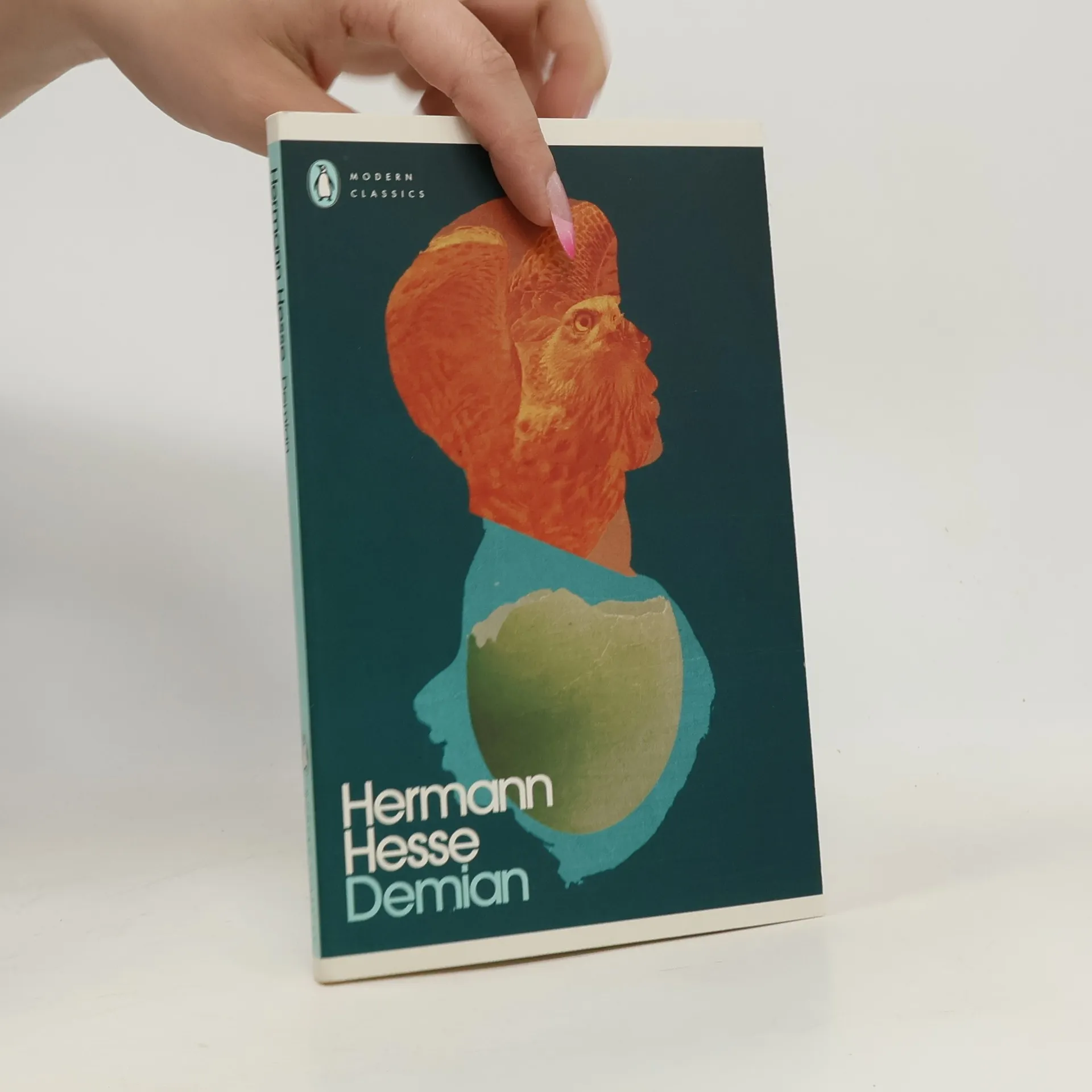
    • Peter Owen Modern Classics: Demian

      • 184pages
      • 7 heures de lecture

      Wie alle Hauptwerke Hermann Hesses hat auch der Demian, den der damals 40jährige Autor mitten im Ersten Weltkrieg schrieb, eine ebenso ungewöhnliche wie spannende Entstehungs- und Wirkungsgeschichte. Daß dieses im Herbst 1917 vollendete Buch erst im Juni 1919, ein halbes Jahr nach Kriegsende, veröffentlicht wurde, lag an der Unbekanntheit des Verfassers. Denn Hesse hatte das Manuskript dem Verlag als das Erstlingswerk eines kranken jungen Dichters empfohlen, des zeitkritischen Poeten Emil Sinclair, der bisher nur in Zeitungen und Zeitschriften durch pazifistische Mahnrufe und Erzählungen aufgefallen war (die gleichfalls von Hesse stammten). Doch trotz des Inkognitos erlebte das Buch eine geradezu stürmische Aufnahme und wurde noch im Erscheinungsjahr mit dem Fontane-Preis für das beste Erstlingswerk eines Nachwuchsautors ausgezeichnet. Thomas Mann verglich die elektrisierende Wirkung des Buches mit der von Goethes Werther, da es »mit unheimlicher Genauigkeit den Nerv der Zeit traf und eine ganze Jugend, die wähnte aus ihrer Mitte sei ihr ein Künder ihres tiefsten Lebens entstanden, zu dankbarem Entzücken hinriß«. Bis zur Entdeckung des Pseudonyms im Mai 1920 erschienen drei Auflagen, denen dann unter Hesses eigenem Namen zu seinen Lebzeiten noch 93 weitere folgten.

      Peter Owen Modern Classics: Demian
      4,1
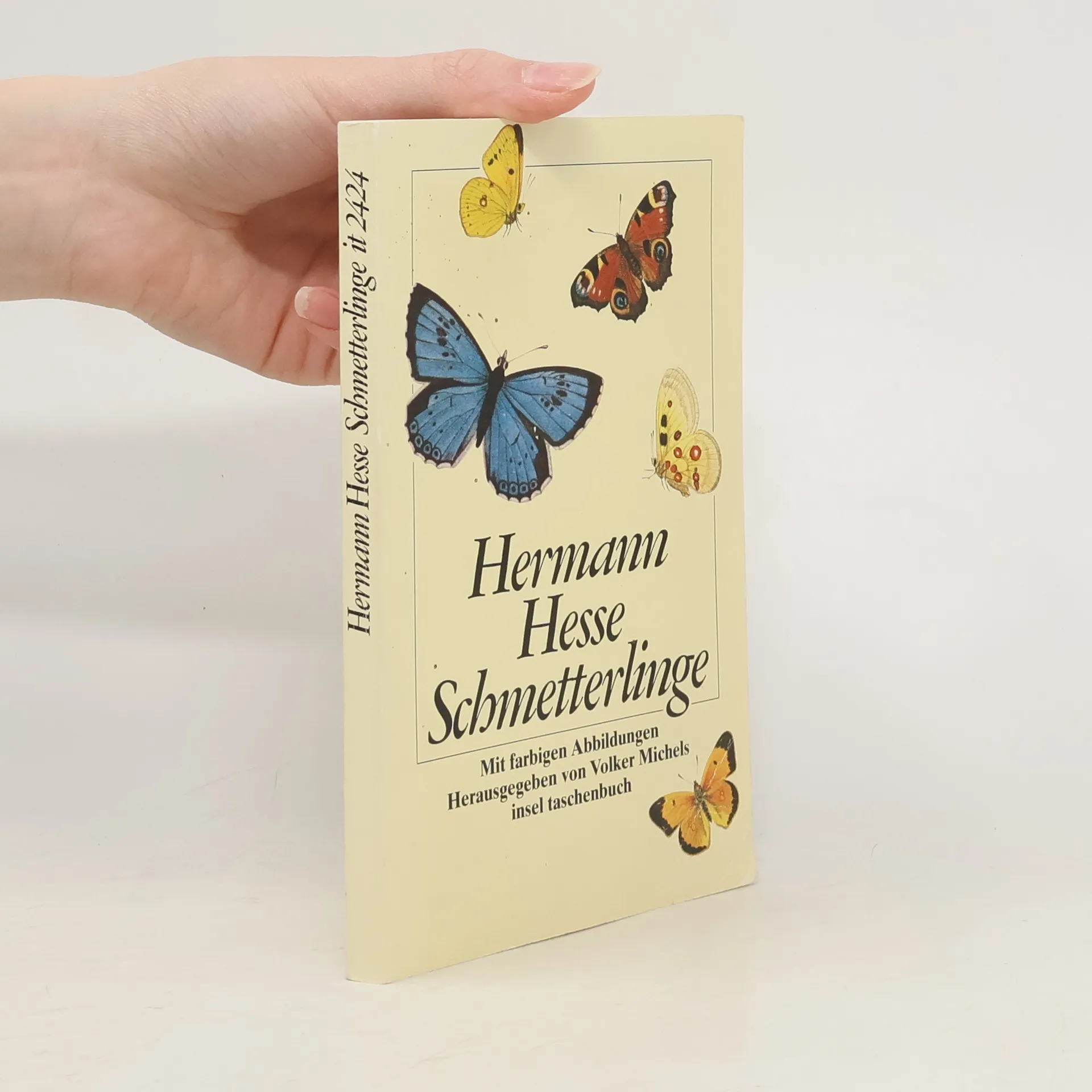
    • Schmetterlinge

      Mit farbigen Abbildungen

      Hermann Hesse expresses a deep affinity for butterflies and other fleeting beauties, contrasting them with his struggles in forming lasting relationships. This preference for ephemeral wonders, as reflected in his poetry, has left a significant mark on his entire body of work. This collection brings together some of his most captivating stories, memories, reflections, and poems centered around butterflies, exploring themes of transience and the beauty found in the momentary. Through Hesse's lens, readers are invited to appreciate the delicate and ephemeral aspects of life, revealing profound insights into the nature of existence and the human experience.

      Schmetterlinge
      4,0
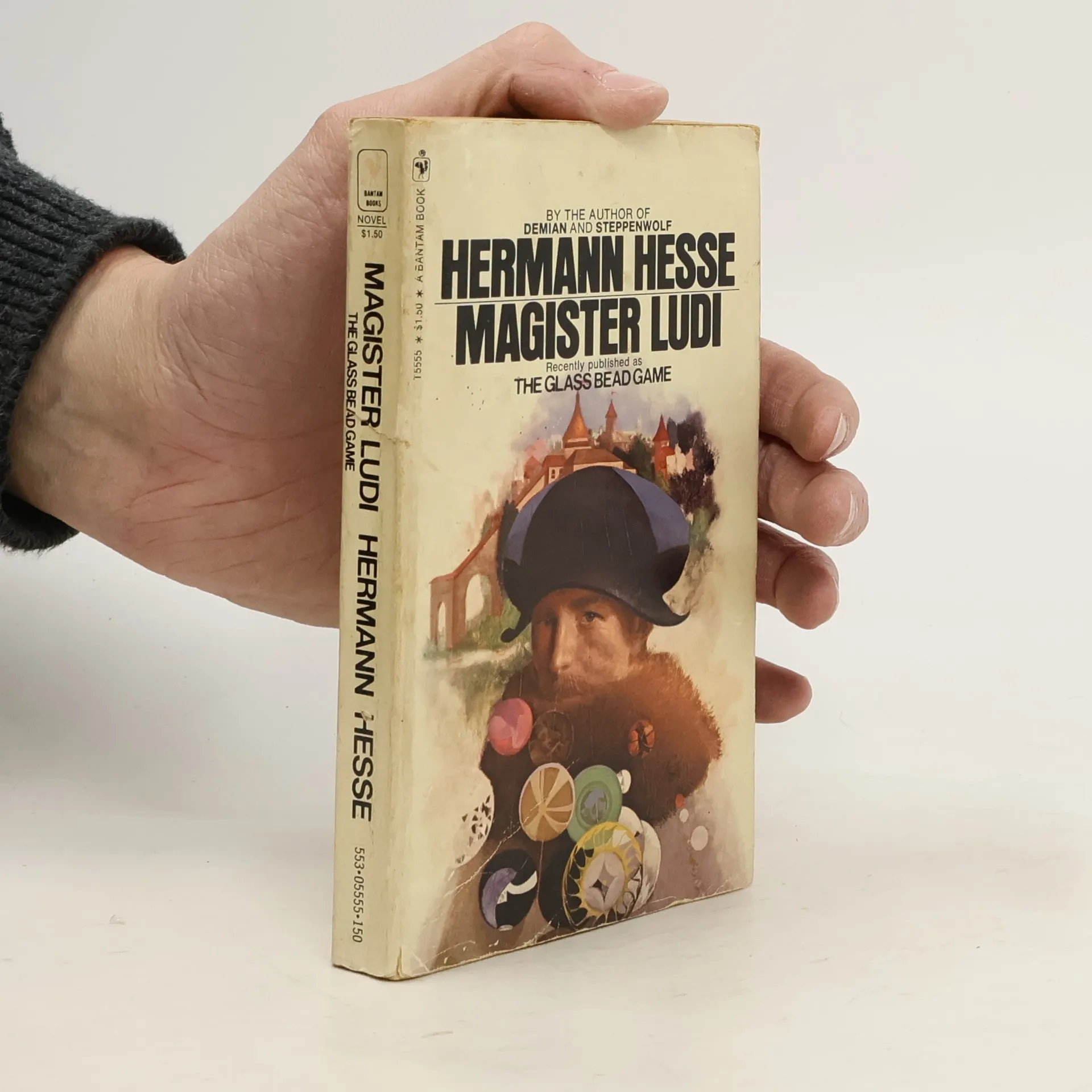
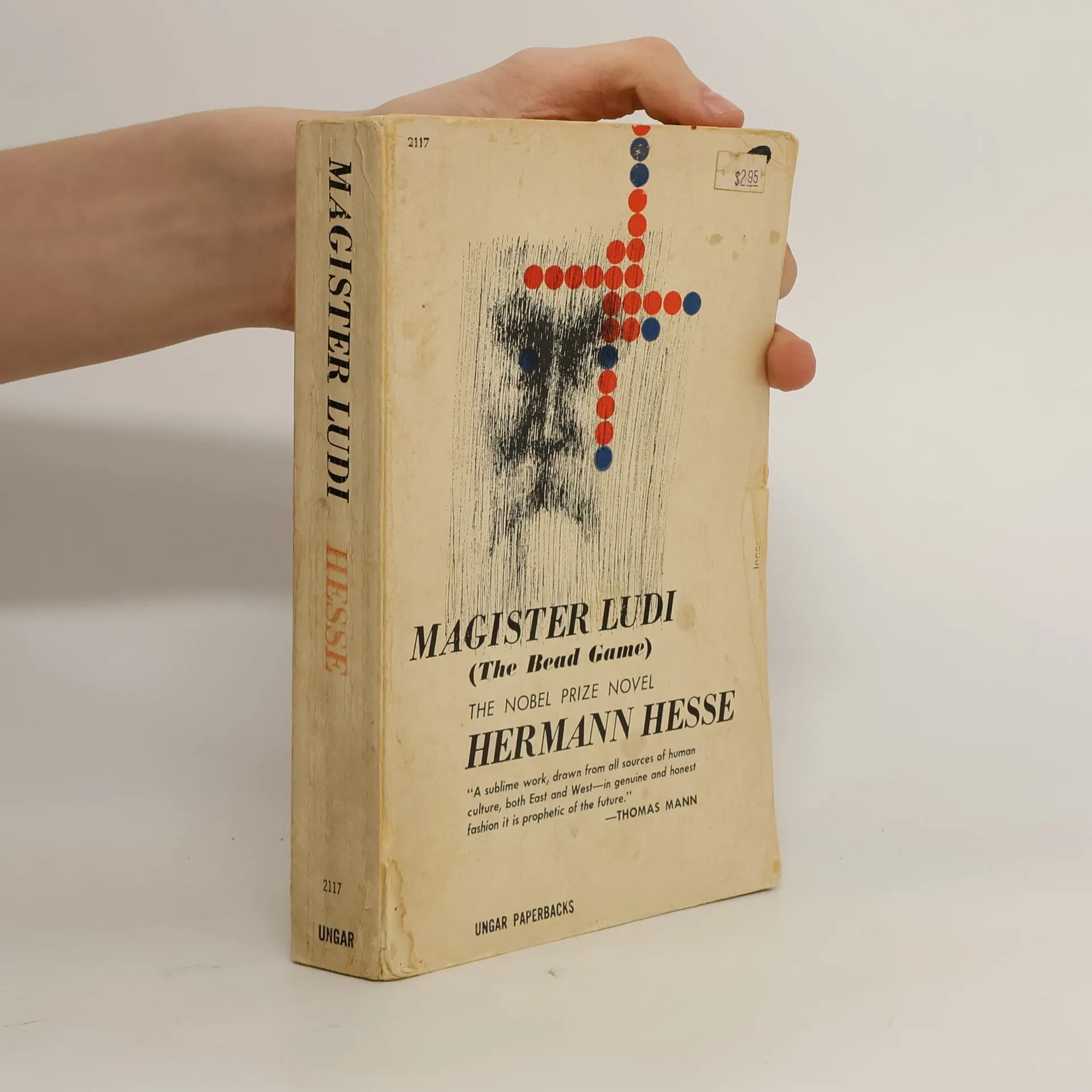
    • The Title Refers To An Ultra-Aesthetic Game Which Is Played By Scholars In The Kingdom Of Castalia Around The Year 2400. This Game Involves All Branches Of Knowledge, And Spiritual Values - Especially Those Of The East. Hesse'S Longing To Find A Dynamic Fusion Of Mind With Nature Is Set Forth More Penetratingly In This Book Than In Any Other He Wrote. Critics Have Seen In It A Late, Definitive Stage In His Thinking Influenced By The Tragedy Of Europe In The Second World War.

      Magister ludi (The glass bead game)
      4,1
    • The Hesse-Mann Letters

      • 196pages
      • 7 heures de lecture

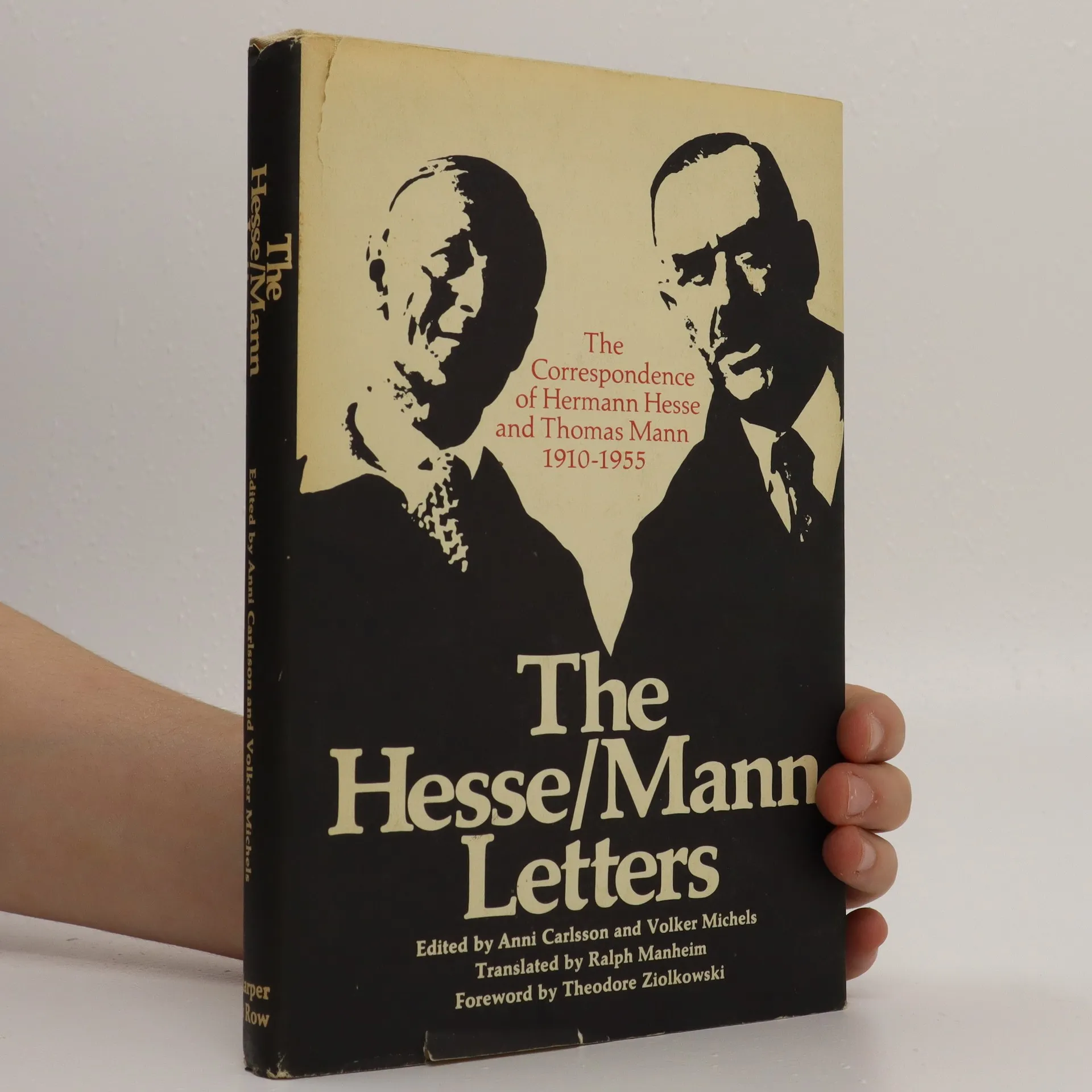
      s/t: The correspondence of Hermann Hesse and Thomas Mann 1910-55 The letters present two great XX century Nobel Prize writers grieving for the ruined world. In the 1930s and 1940s, they rail against the stupidity of war and the cowardice of diplomats, against the social savagery of the Nazis, against the blind forces of abstraction and nationalism. They brood about the fate of Germany and of Europe after the last shots have been fired. They have lived through a time of extraordinary horror and yet they have not surrendered to despair or nihilism. Reading the letters, the reader will feel like some privileged guest in a special room, sitting off to the side somewhere, listening while these men talk.

      The Hesse-Mann Letters
      4,1
    • Klein and Wagner

      New Edition

      • 104pages
      • 4 heures de lecture

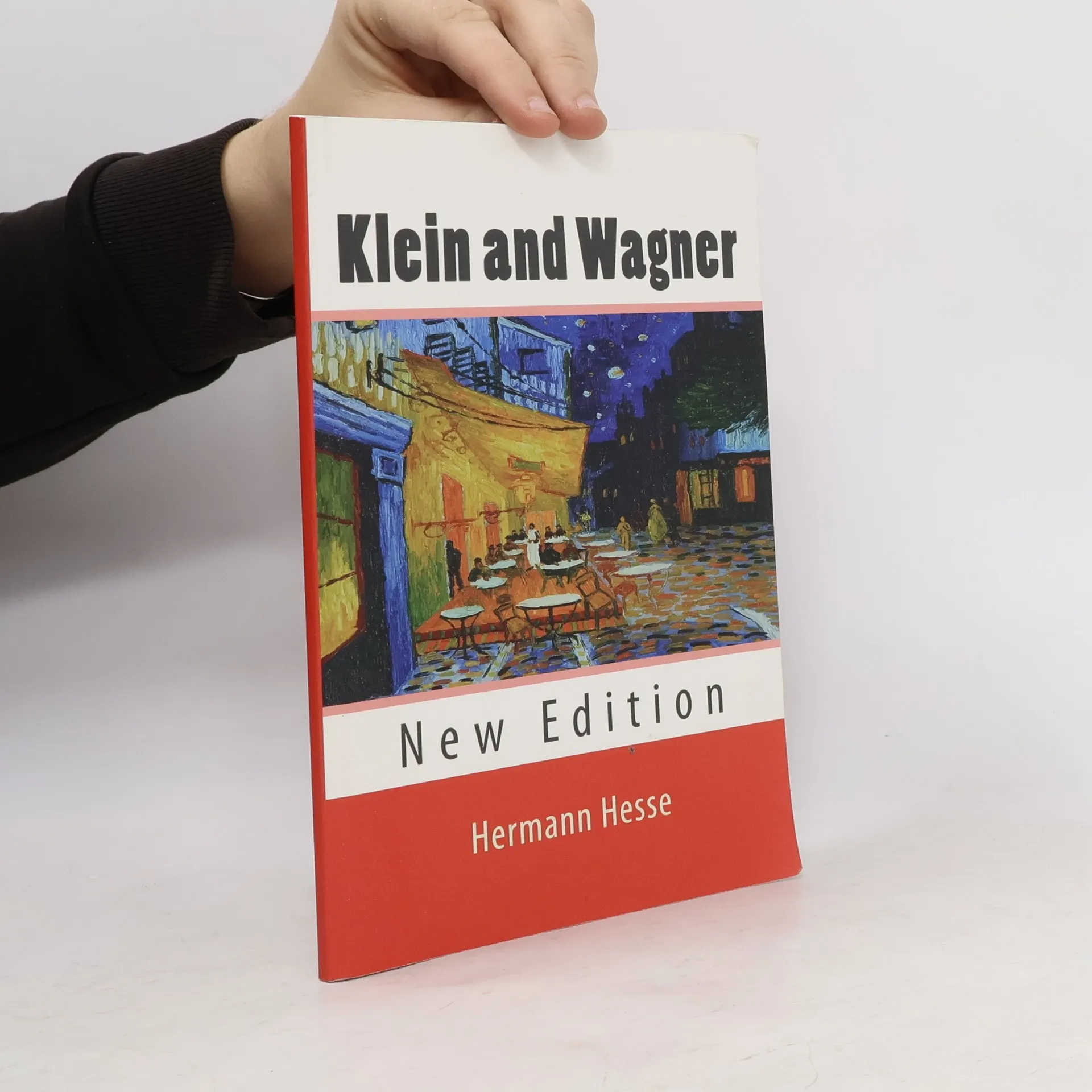
      The narrative follows Friedrich Klein, a middle-aged clerk who embezzles from his employer and flees to Italy. Unlike a typical criminal, Klein is a self-alienated, tormented bourgeois seeking peace and self-fulfillment. As he contemplates his fate, he realizes his primary motivation stems from a dark urge to murder his wife and children, which he escapes by abandoning his old life. This impulse is linked to the name Wagner, referencing both the composer and a real-life German schoolteacher who committed a similar crime in 1913. Despite his escape, Klein remains trapped in his anguish, feeling like a victim of his own thoughts. He contemplates suicide until he meets Teresina, a young courtesan who embodies vitality and the eternal feminine. However, he hesitates to reveal his past to her. The story draws striking autobiographical parallels, as Hesse faced personal turmoil in 1919, grappling with his mentally ill wife and the responsibility of raising their three sons. Ultimately, Hesse found solace in writing this story, which served as a therapeutic outlet for his suffering. The work, influenced by Expressionism, is a modern "psychodrama" that introduces themes and motifs that would dominate Hesse's writing in the following decade, including connections to his later work, Steppenwolf.

      Klein and Wagner
      4,0
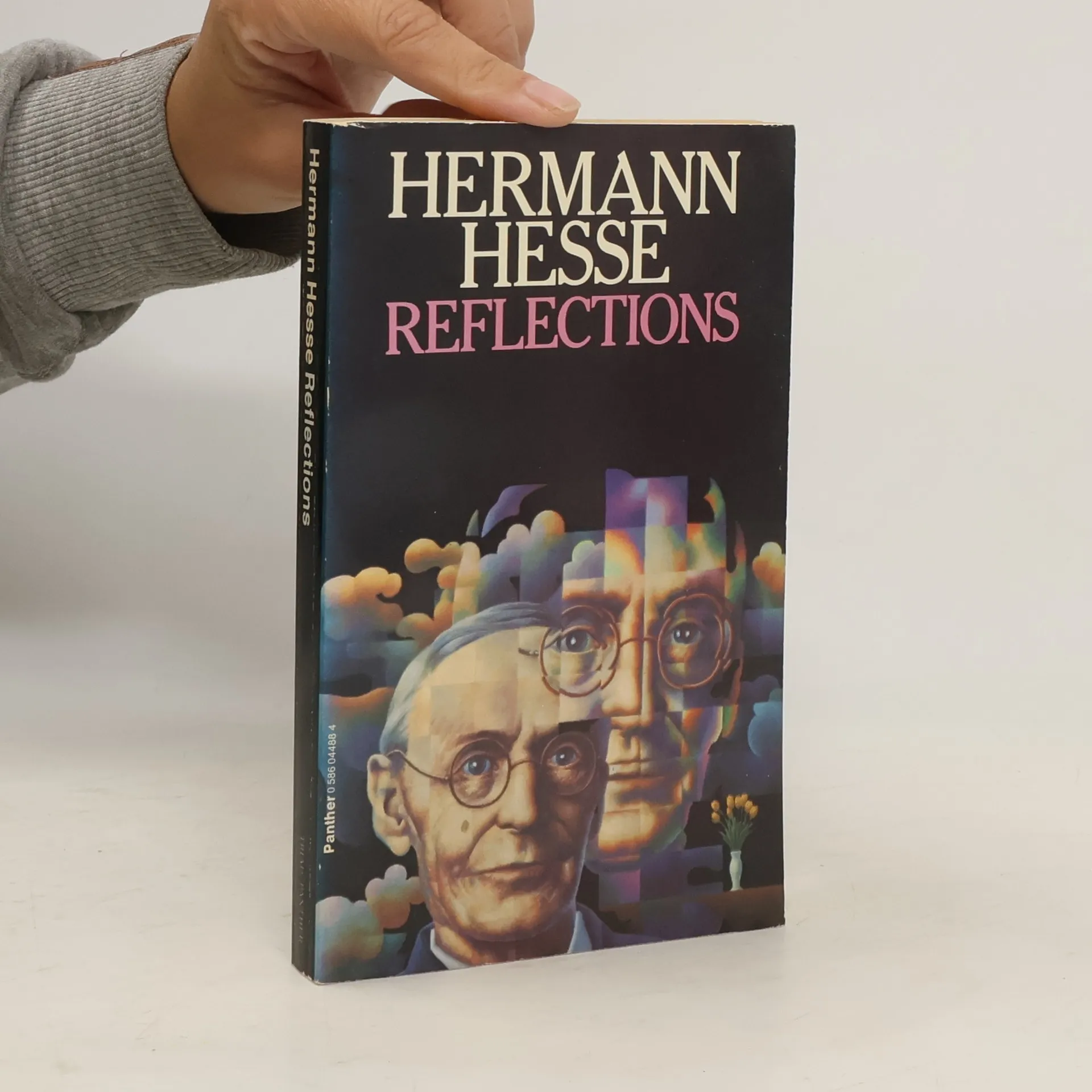
    • Reflections

      • 208pages
      • 8 heures de lecture

      Hermann Hesse; selected by Volker Michels; translated by Ralph Manheim. Reflections. New Farrar, Straus, Giroux, 1974. 1st American Edition, Hardbound, 8.5 inches tall, 197 pages. Sources. "The aging Hermann Hesse arranged to have privately printed a collection of thirty-nine brief passages culled from his writings, with which to reply to some of the innumerable letters he received. The existence of this book provided encouragement for the present expanded volume, which a first published in Germany in 1971."

      Reflections
      3,9
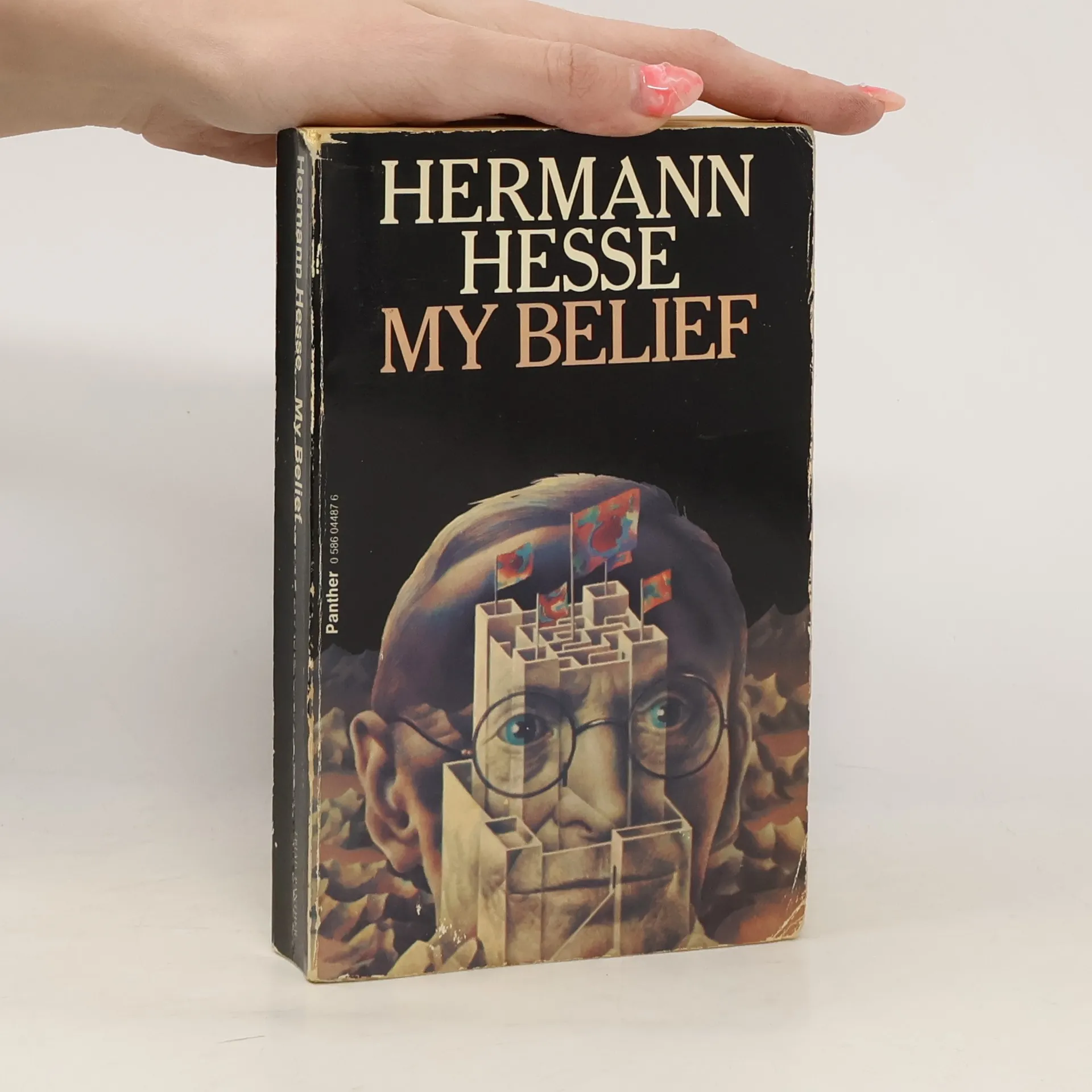
    • My Belief

      • 394pages
      • 14 heures de lecture

      My Belief: Essays on Life and Art is a collection of essays by Hermann Hesse. The essays, written between 1904 and 1961, were originally published in German, either individually or in various collections between 1951 and 1973. This collection in English was first published in 1976, edited by Theodore Ziolkowski.

      My Belief
      3,9
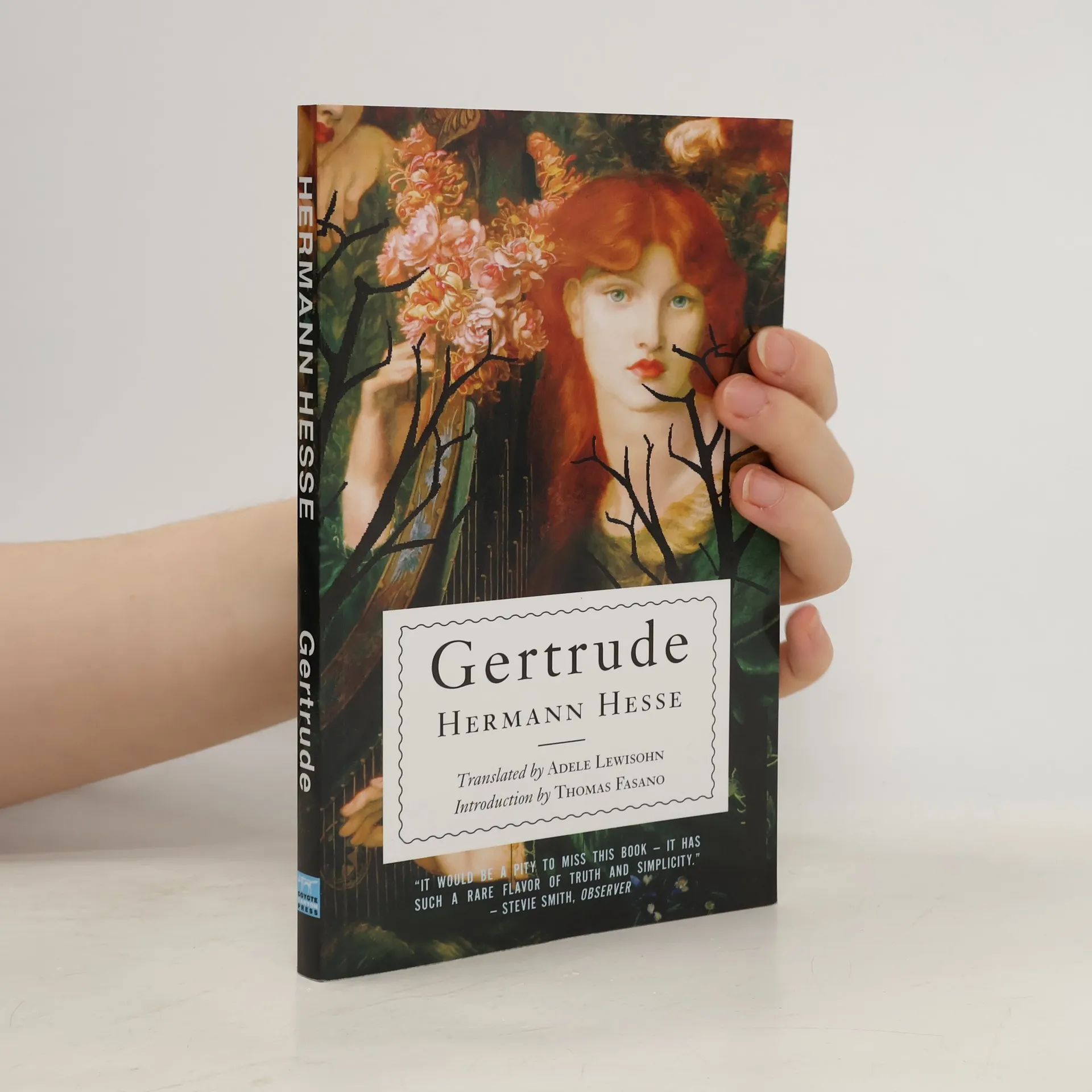
    • Dover Thrift Editions: Gertrude

      • 168pages
      • 6 heures de lecture

      The narrative explores themes of music, love, and the struggle for creative expression through the experiences of Kuhn, a once-disabled composer. His deep passion for the enigmatic singer Gertrude leads to a complex love triangle, resulting in his emotional turmoil as he loses her to his friend Muoth. As their marriage unravels, Kuhn's involvement intensifies, threatening his well-being. Ultimately, he discovers redemption and healing through his art, culminating in the completion of his opera, which reflects his journey of loss and recovery.

      Dover Thrift Editions: Gertrude
      3,9
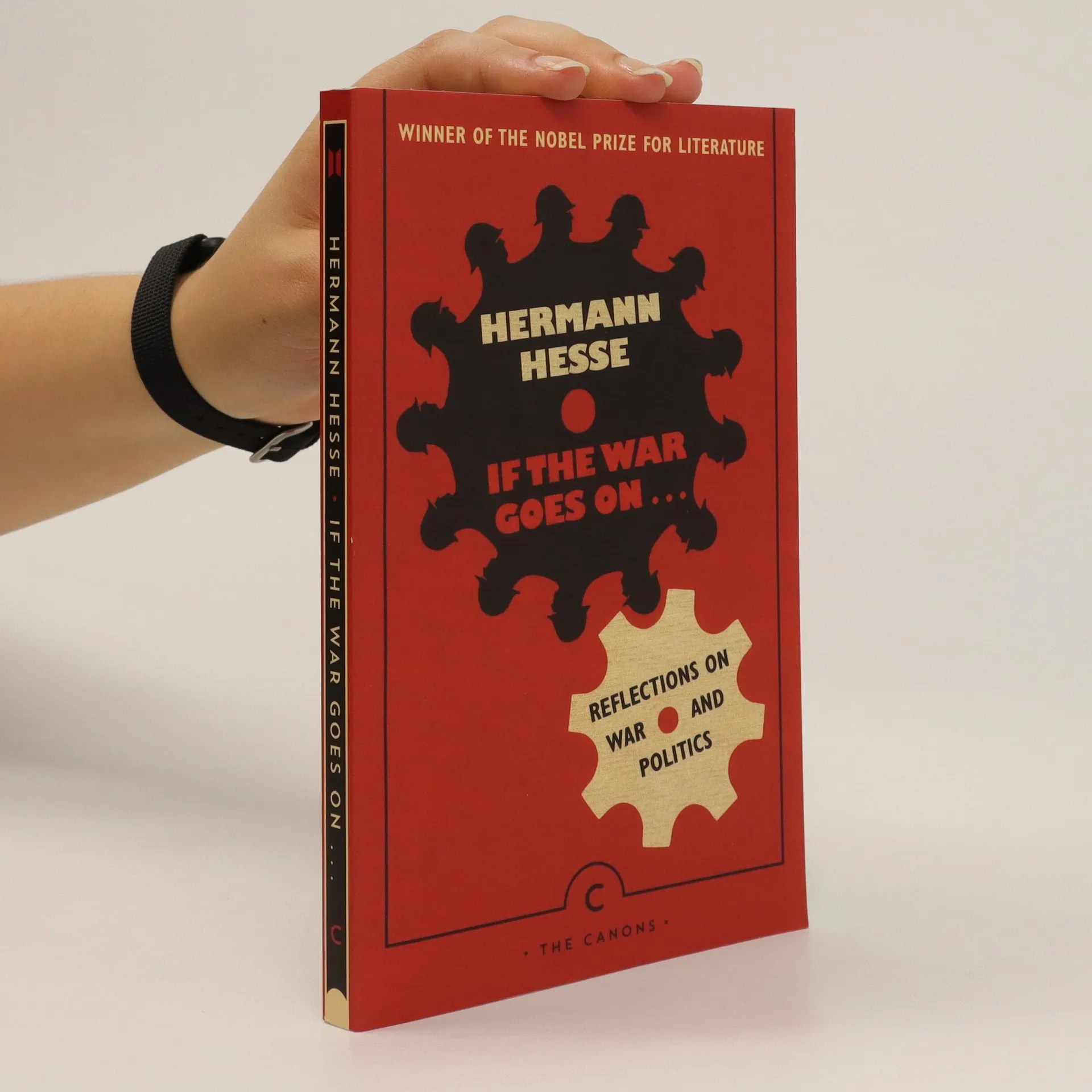
    • If the War Goes On ...

      • 192pages
      • 7 heures de lecture

      Herman Hesse remained clear-sighted and consistent in his political views and his passionate espousal of pacifism and the bloody absurdity of war from the start of the First World War to the end of his life. He wrote the earliest essay in this book in September 1914, before he cemented his fame with the novels Steppenwolf and Siddhartha, and continued writing a stream of letters, essays and pamphlets throughout the war. In his native Germany his views earned him the labels 'traitor' and 'viper', but after World War II he was moved to reiterate his beliefs in another series of essays and letters.If the War Goes On . . . resonates as strongly today as it did when originally published and begs the question: have our politicians learnt nothing in the last seventy years?

      If the War Goes On ...
      3,7
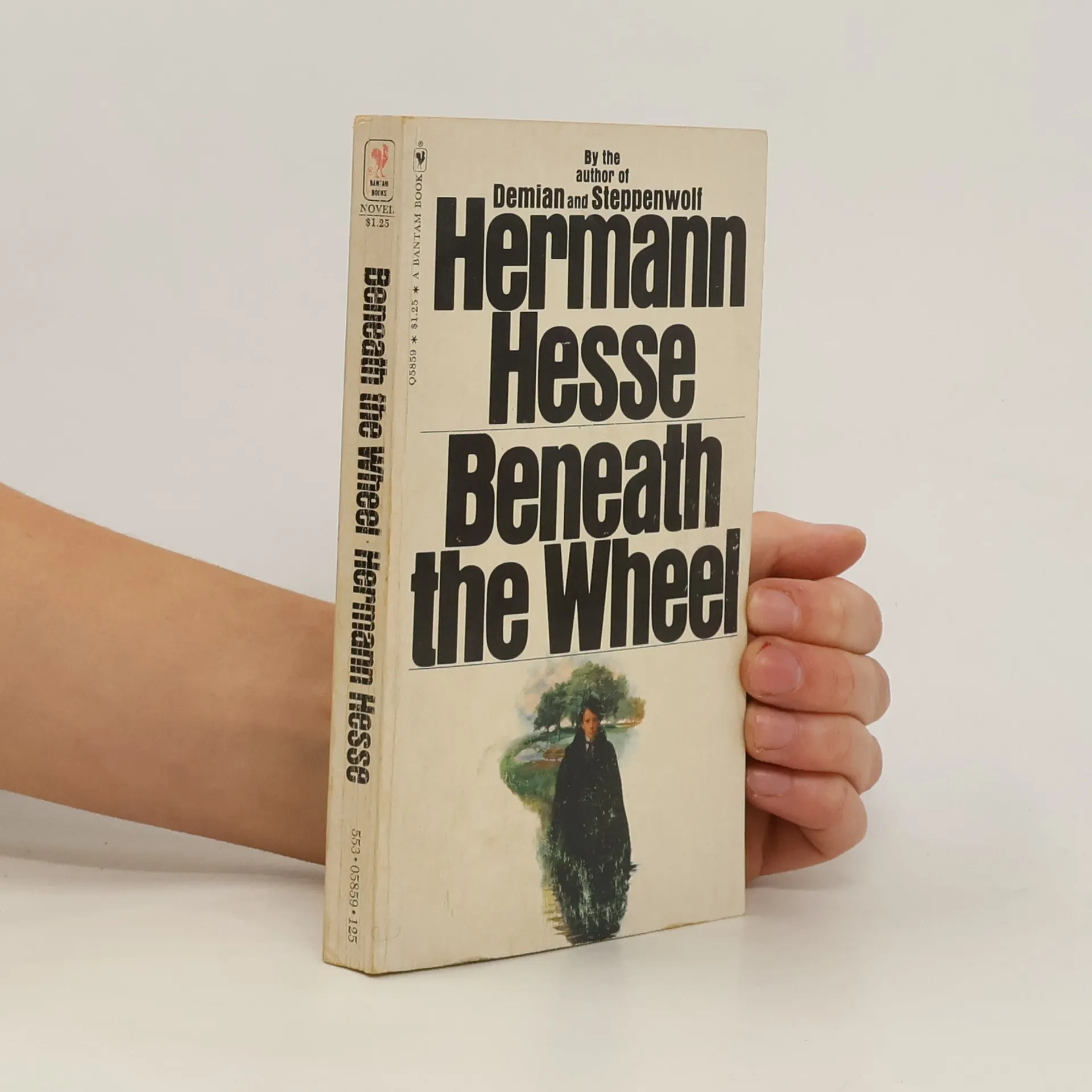
    • In Hermann Hesse's Beneath the Wheel or The Prodigy, Hans Giebenrath lives among the dull and respectable townsfolk of a sleepy Black Forest village. When he is discovered to be an exceptionally gifted student, the entire community presses him onto a path of serious scholarship. Hans dutifully follows the regimen of tireless study and endless examinations, his success rewarded only with more crushing assignments. When Hans befriends a rebellious young poet, he begins to imagine other possibilities outside the narrowly circumscribed world of the academy. Finally sent home after a nervous breakdown, Hans is revived by nature and romance, and vows never to return to the gray conformity of the academic system.

      Beneath the Wheel
      3,9
    • Knulp

      Three Tales from the Life of Knulp

      • 100pages
      • 4 heures de lecture

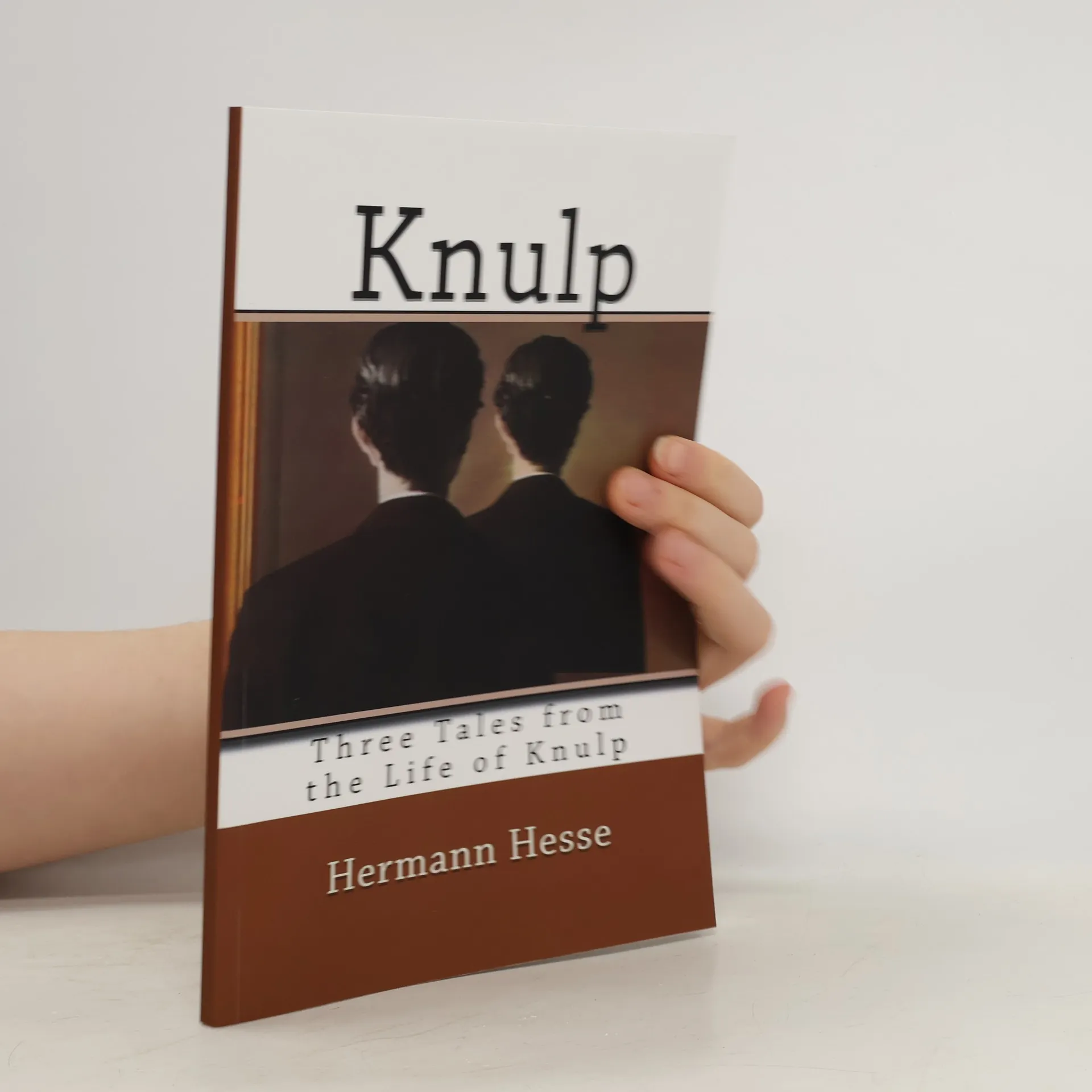
      Knulp is the eternal drifter, a true drop-out of an earlier time. Originally published in Germany in 1915, Knulp was Hermann Hesse's most popular book in the years before he published Demian. During the 1950's, the book was influential on Jack Kerouac author of "On the Road" and "The Dharma Bums" as well as othe Beat Generation authors. With profound understanding and sympathy, but also with some irony, Hesse portrays Knulp's life journey, his love affairs and his questioning of life. The novel reaches a final powerful climax when God reveals to Knulp that the purpose of his life was to bring a little nostalgia for freedom into the lives of ordinary men.

      Knulp
      3,9
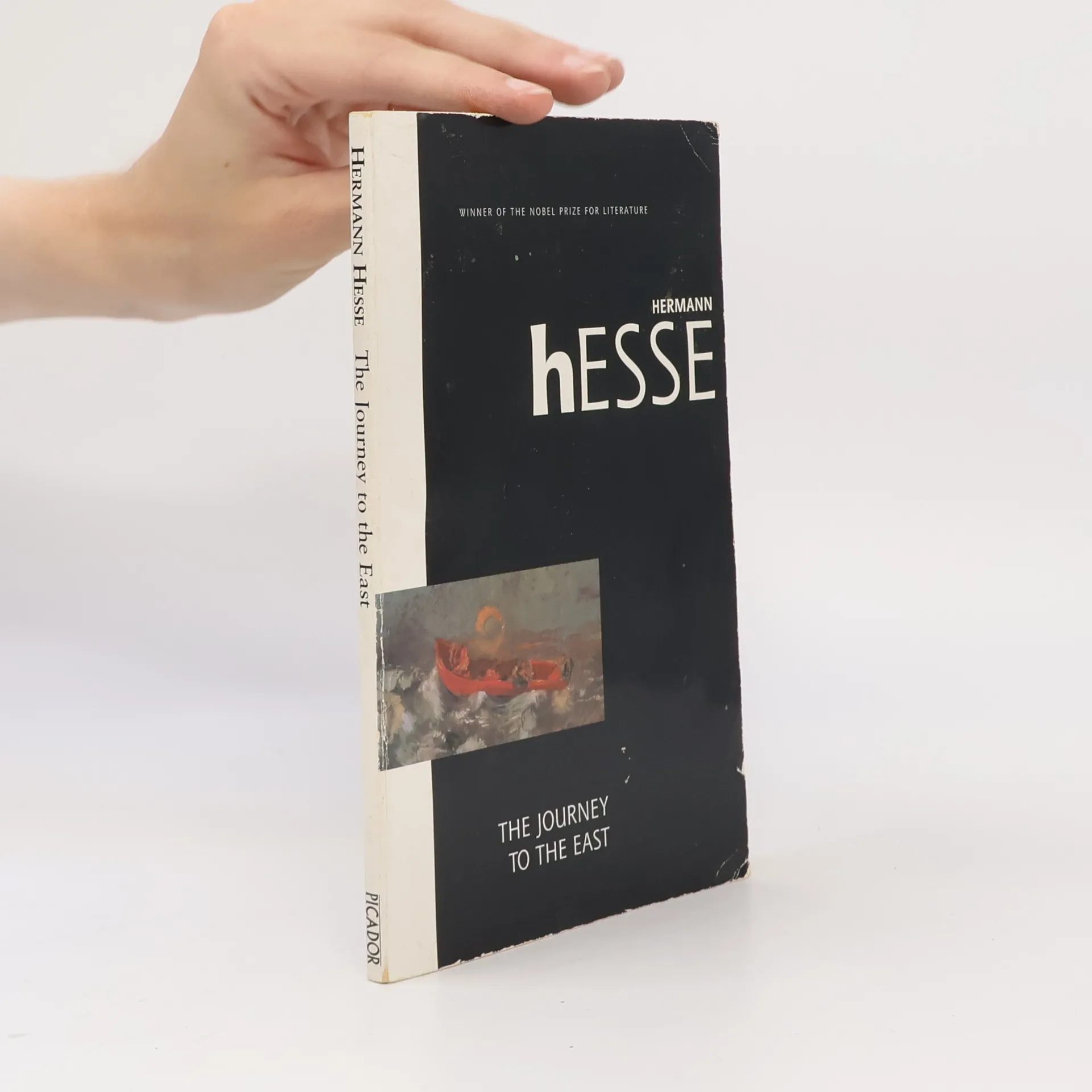
    • In simple, mesmerizing prose, Hermann Hesse's Journey to the East tells of a journey both geographic and spiritual. H.H., a German choirmaster, is invited on an expedition with the League, a secret society whose members include Paul Klee, Mozart, and Albertus Magnus. The participants traverse both space and time, encountering Noah's Ark in Zurich and Don Quixote at Bremgarten. The pilgrims' ultimate destination is the East, the "Home of the Light," where they expect to find spiritual renewal. Yet the harmony that ruled at the outset of the trip soon degenerates into an opening conflict. Each traveler finds the rest of the group intolerable and heads off in his own direction, with H.H. bitterly blaming the others for the failure of the journey. It is only long after the trip, while poring over records in the League archives, that H.H. discovers his own role in the dissolution of the group, and the ominous significance of the journey itself.

      The Journey to the East
      3,8
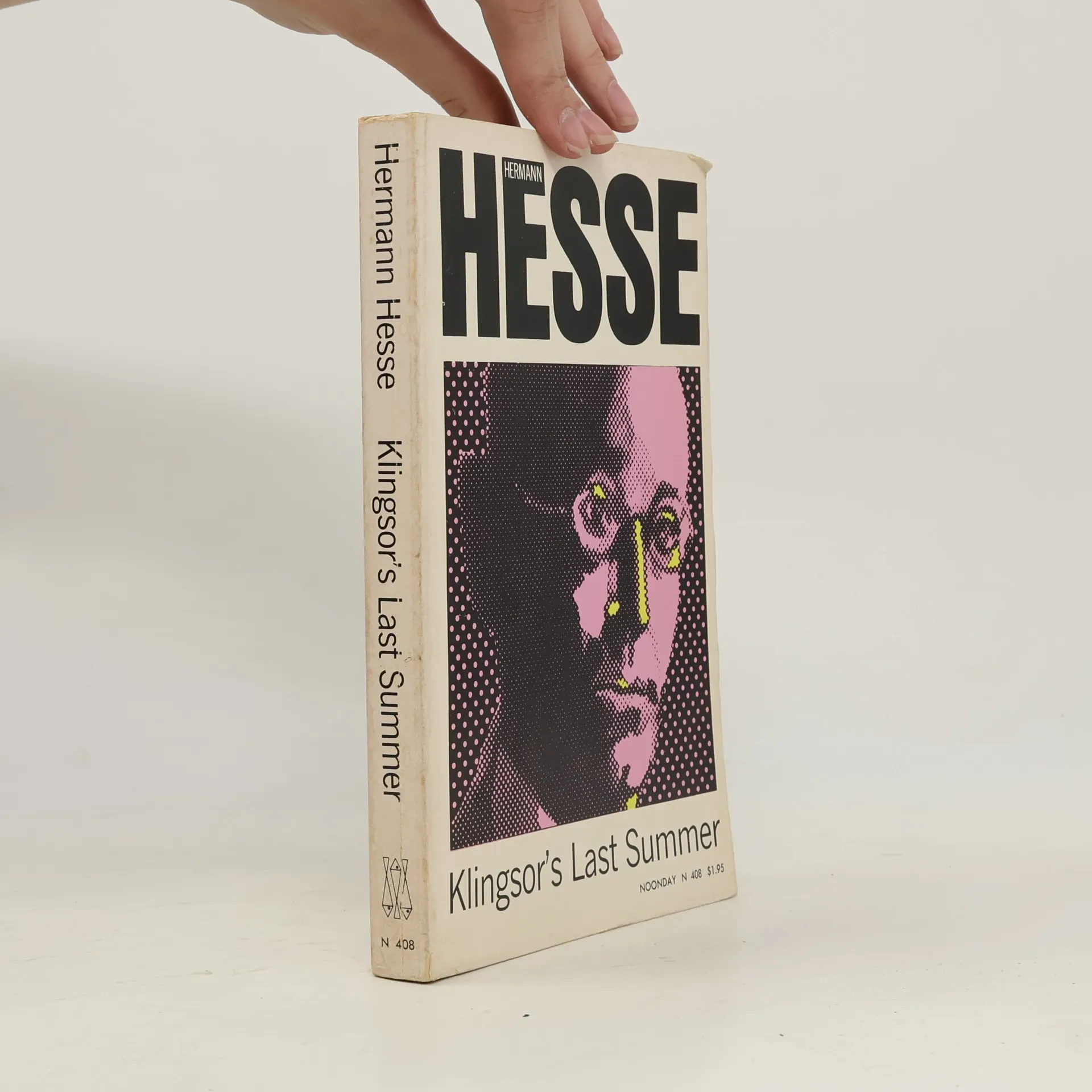
    • Klingsor's Last Summer

      • 217pages
      • 8 heures de lecture

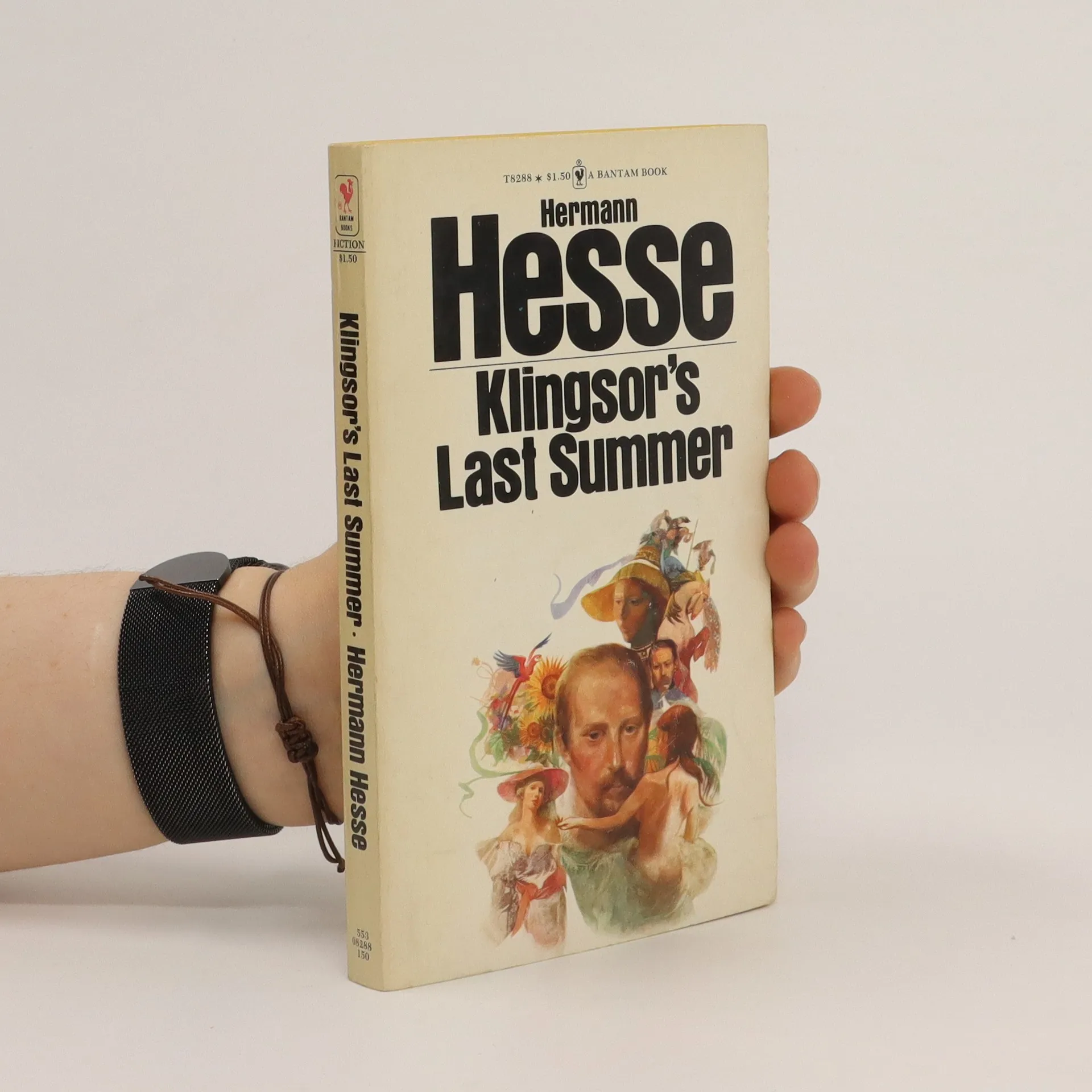
      Written over the course of a few weeks in July and August 1919, it was published in December 1919 in the Deutsche Rundschau. It was later published (by Samuel Fischer) in a volume which included Kinderseele and Klein und Wagner. The story is an account of the final months of the life of Klingsor, a forty-two-year-old expressionist painter. A lover of poetry, a heavy drinker and a womanizer, he spends his final summer in southern Italy, torn between sensuality and spirituality and troubled by feelings of impending death.


      Klingsor's Last Summer
      3,7
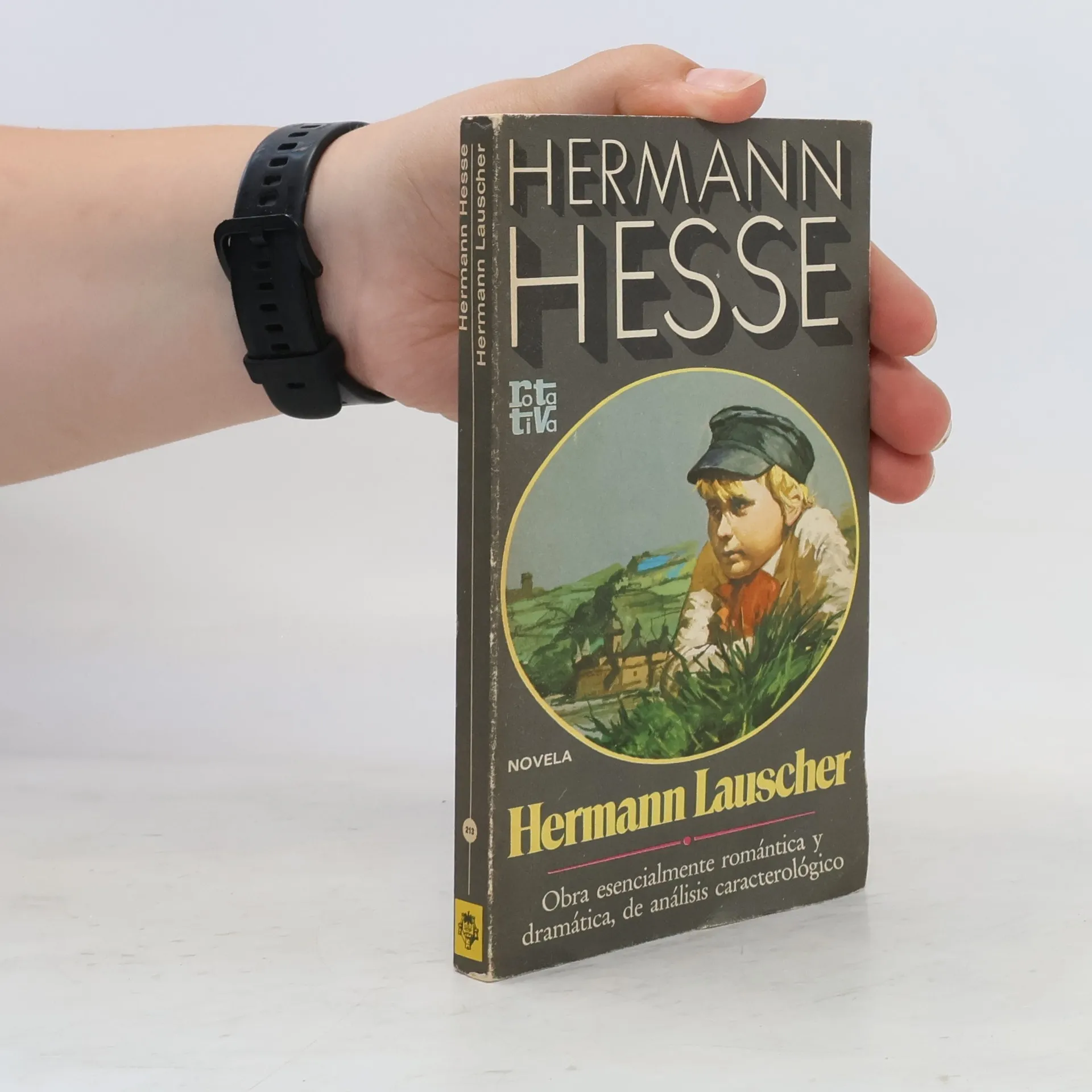
    • Hermann Lauscher

      • 155pages
      • 6 heures de lecture

      Hermann Lauscher, written by Hesse at the age of twenty, can be seen as a form of "self-discovery." In the preface to its first edition, Hesse reflects on the mystery of the texts within Hermann Lauscher, noting that the name is introduced to the public for the first time. The writings of Lauscher, published under a foreign name, are well-known to a limited audience. Hesse laments that the author, who has since passed away, has forbidden him from revealing his secrets or claiming the writings published before his death. He expresses that "bitter understanding is better than ignorance," and those who embark on the perilous path of self-observation and confession must bear the consequences, however unexpected or sorrowful. Over the years, whenever Hesse revisits Lauscher, he encounters passages he wishes to discard or alter, such as youthful, arrogant, foolish remarks about Tolstoy at the beginning of the diary. Yet, he feels he has no right to distort his youthful portrait.

      Hermann Lauscher
      3,3
    • Siddhartha

      Indijska pjesma

      • 191pages
      • 7 heures de lecture
      Siddhartha
    • "Siddhartha

      The Story of Spiritual Enlightenment and Peace. "

      • 118pages
      • 5 heures de lecture

      The narrative follows a young Brahman from Kapilavastu, who embarks on a quest for eternal peace after realizing the disparity between his sheltered life and reality. Siddhartha leaves his kingdom to confront his fears and seek spiritual enlightenment through fasting and meditation. During his journey, he discovers a profound spirit of love and acceptance that transcends human separateness. Ultimately, he achieves the bliss of life and attains the highest wisdom, offering readers a reflective exploration of balance and inner peace.

      "Siddhartha
    • Siddharatha

      • 138pages
      • 5 heures de lecture

      Siddhartha is a novel by Hermann Hesse that deals with the spiritual journey of selfdiscovery of a man named Siddhartha during the time of the Buddha. The book, Hesse's ninth novel (1922), was written in German, in a simple, lyrical style. It was published in the U.S. in 1951 and became influential during the 1960s. in fact, the Buddha's own name, before his renunciation, was Siddhartha Gautama, Prince of Kapilvastu. in this book, the Buddha is referred to as "Gautama". The story takes place in ancient Nepal. Siddhartha, the son of a Brhamin, decides to leave behind his home in the hopes of gaining spiritual illumination by becoming an ascetic wandering beggar of the Samanas. Joined by his best friend Govinda, Siddhartha fasts, becomes homeless, renounces all personal possessions, and intensely meditates, eventually seeking and personally speaking with Gautama, the famous Buddha, or Enlightened One. Afterward, both Siddhartha and Govinda acknowledge the elegance of the Buddha's teaching. Although Govinda hastily joines the Buddha's order, Siddhartha does not follow. Siddhartha decides to live out the rest of his life in the presence of the spiritually inspirational river. Toward the end of his life, Govinda hears about an enlightened ferryman and...

      Siddharatha
    • Hermann Hesse's classic novel Siddhartha is a timeless tale about the quest for knowledge and enlightenment...

      Siddhartha: The Classic Novel
    • Set in India during the time of the Buddha, Siddhartha ;is the most influential and famous novel of Nobel Prize-winning author Hermann Hesse. Desiring spiritual fulfillment, Siddhartha, a young Brahmin, leaves his home to become an ascetic-and on his journey meets the wise Gotama, the famous Buddha. But Siddhartha believes no teacher, however great, can discover meaning for an individual-and so continues alone on his quest to find himself. In his journey Siddhartha experiences life as a pious brahmin, a Samana, a rich merchant, a lover, and a father-shifting between decadence and asceticism as he navigates the material world. Still unhappy, still unfulfilled, Siddhartha is on the verge of giving it all up when he encounters the ferryman. The events that follow change his life forever. Thought-provoking, inspiring, and utterly profound-this spiritual novel has influenced generations of readers, writers, and thinkers.

      Siddhartha (PREMIUM PAPERBACK, PENGUIN INDIA)
    • Siddhartha & Steppenwolf

      • 303pages
      • 11 heures de lecture

      A collection of Hesse's subsequent works, including Siddhartha (1922), Steppenwolf (1923). Siddhartha is a novel about the spiritual journey of a kid from the Indian subcontinent named Siddhartha during the reign of Lord Buddha. A Brahman lad follows his heart and lives many lives before realising what it means to be enlightened. Siddhartha gradually blends into the environment, connecting with natural rhythms and bending the reader's ear down to hear replies from the river. The Steppenwolf was the bible of the 1960s counterculture, capturing the atmosphere of a disenchanted generation, and remains a devastating story of estrangement and redemption.

      Siddhartha & Steppenwolf
    • Demian ; Klingsor ; Siddhártha

      • 357pages
      • 13 heures de lecture

      V prózách tohoto svazku umělecky vrcholí střední údobí autorovy tvorby. Útlým románem Demian (1919), příběhem mládí Emila Sinclaira, postihl Hesse „nerv doby“ (Thomas Mann) a vypověděl mnoho o tehdejší mladé generaci, která zděšena ztrátou starých morálních hodnot, jež jí zničila první světová válka, hledala hodnoty nové. Román měl neobyčejný úspěch, a právě v jeho vyznění lze hledat důvod, proč se i další generace hlásí k Hesseho odkazu. Nevoli k měšťáckému světu vyjadřuje povídka Klein a Wagner, v níž se autor nejvíce přiblížil expresionismu. Mistrovsky napsané Klingsorovo poslední léto (1920) zkoumá umělectví jako možnost a způsob existence. Slavná próza o Siddhárthovi (1922) ztělesňuje touhu po duchovním životě a reflektuje autorovo studium východních učení, v nichž se pokoušel hledat východisko.

      Demian ; Klingsor ; Siddhártha
      4,8
    • Die Jubiläumsausgabe von Hermann Hesses Werken bietet einen umfassenden Einblick in das literarische Schaffen des Autors, der zu den bedeutendsten Schriftstellern des 20. Jahrhunderts zählt. Die Sammlung umfasst zentrale Werke wie "Siddhartha", "Der Steppenwolf" und "Das Glasperlenspiel", die sich mit Themen wie der Suche nach dem Selbst, der Spiritualität und der Dualität des menschlichen Lebens auseinandersetzen. In "Siddhartha" wird die Lebensreise eines jungen Brahmanen erzählt, der auf der Suche nach Erleuchtung verschiedene Lebensweisen ausprobiert. "Der Steppenwolf" thematisiert die innere Zerrissenheit eines Mannes, der zwischen bürgerlicher Existenz und künstlerischem Streben hin- und hergerissen ist. "Das Glasperlenspiel" schließlich entführt den Leser in eine utopische Zukunft, in der das Spiel als höchste Form der Kunst und des Wissens gilt. Hesses Charaktere sind oft auf der Suche nach Identität und Sinn, geprägt von inneren Konflikten und der Auseinandersetzung mit gesellschaftlichen Normen. Die Werke reflektieren Hesses eigene Erfahrungen und philosophischen Überlegungen, die sich durch eine tiefgehende Auseinandersetzung mit der menschlichen Natur und der Beziehung zur Welt auszeichnen. Diese Sammlung bietet einen tiefen Einblick in Hesses literarisches Erbe und seine zeitlose Relevanz.

      Hermann Hesse. Jubiläumsausgabe
      4,7
    • Narziß und Goldmund

      Die Romane und die grossen Erzählungen 6

      • 328pages
      • 12 heures de lecture
      Narziß und Goldmund
      4,7
    • Der Steppenwolf handelt von der seelischen Erkrankung des Protagonisten Harry Haller. Harry Haller leidet an einer Spaltung seiner eigenen Persönlichkeit. Auf der einen Seite steht seine menschliche, gesellschaftsnormende Seite, die im Kontrast zu seiner einsamen, sozialkritischen, geradezu steppenwölfischen Seite liegt

      Die Romane und die grossen Erzählungen: Gertrud Roßhalde
      4,7
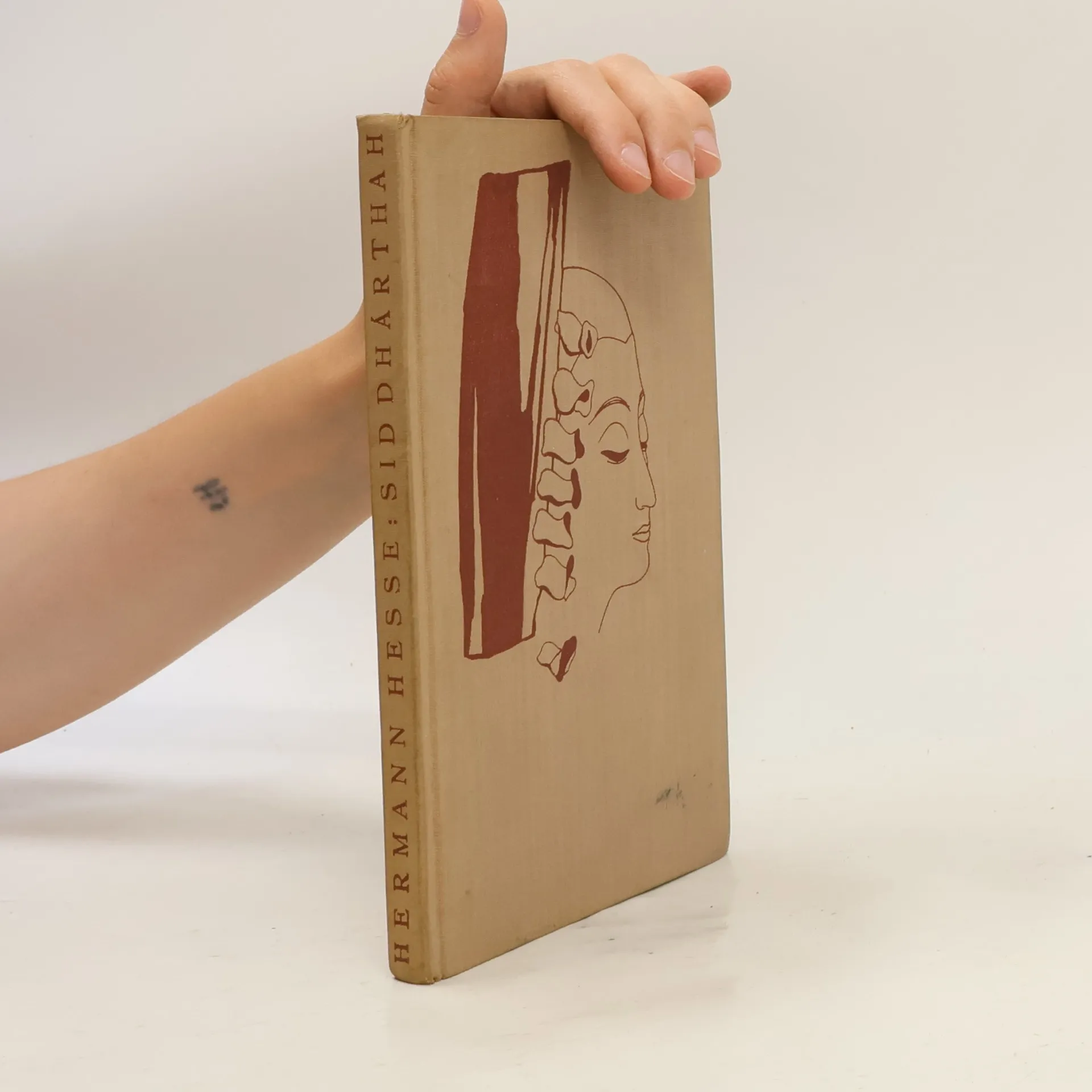
    • Bibliofilní vydání kultovního díla Hermanna Hesseho. Text je doplněn třemi dřevoryty a pěti lepty Hermíny Melichové.

      Siddhárthah
      4,5
    • Jugendland

      Erzählungen

      • 230pages
      • 9 heures de lecture

      Hermann Hesse, 1877 in Calw am Rande des Nordschwarzwaldes geboren, 1962 in Montagnola gestorben, fühlte sich zutiefst dem deutschen Südwesten, dem schwäbisch-alemannischen Sprachraum zugehörig. Hier hatte er seine Wurzeln, hier war sein Jugendland. Und aus der Jugend hat Hermann Hesse in ganz besonderem Maße seine schriftstellerische Kraft geschöpft, die ihn zum meistgelesenen deutschsprachigen Schriftsteller weltweit werden ließ. Aus den faszinierenden Erzählungen über seine Kindheit und Jugend wird seine erstaunliche Entwicklung begreifbar.

      Jugendland
      4,9
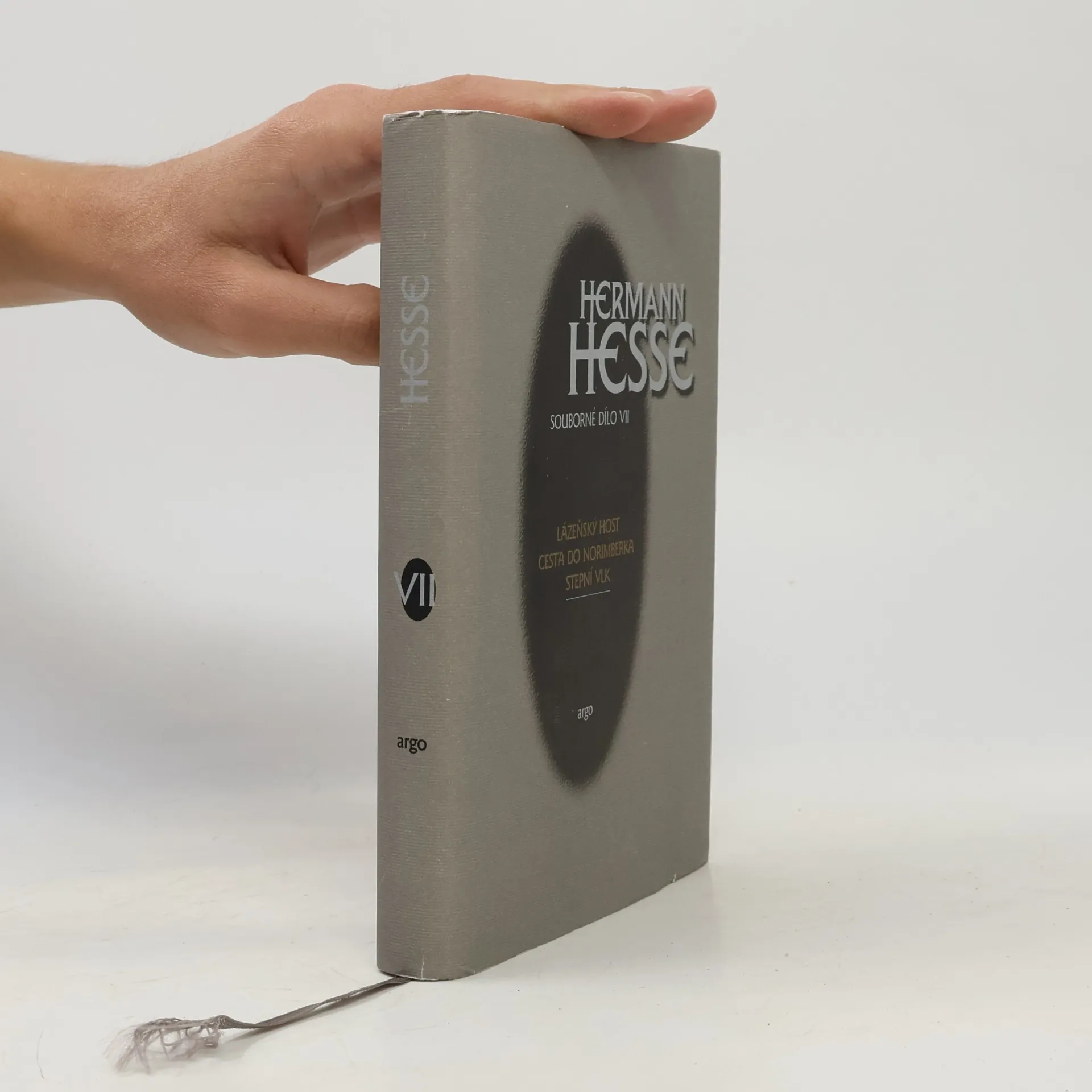
    • Svazek sdružuje tři díla: Lázeňský host (1925) je záznamem Hesseho léčebného pobytu v Badenu u Curychu a rozborem pacientových tělesných i duševních stavů s předznamenáním krize. Obdobně tematicky zaměřená je próza Cesta do Norimberka (1927), kde autor líčí své dojmy a vnitřní rozpoložení během přednáškového turné. Jako bilance krizí uplynulého desetiletí a pokus o formulování východiska z nich vznikl světově proslulý román Stepní vlk (1927). Poučen psychoanalýzou odhaluje spisovatel ponor ke kořenům vlastní osobnosti i snahu o překonání sváru ducha a pudů. Román vyniká neobvyklou strukturou, poetickou hrou fantazie i působivým prolínáním snu a skutečnosti.

      Lázeňský host ; Cesta do Norimberka ; Stepní vlk
      4,8
    • Der innere Kompaß

      Gedanken aus seinen Werken und Briefen. Vertrauen in die Ordnung der Welt, Der Einzelne und die Gemeinschaft, Wirklichkeit und Imagination, Lesen und Bücher

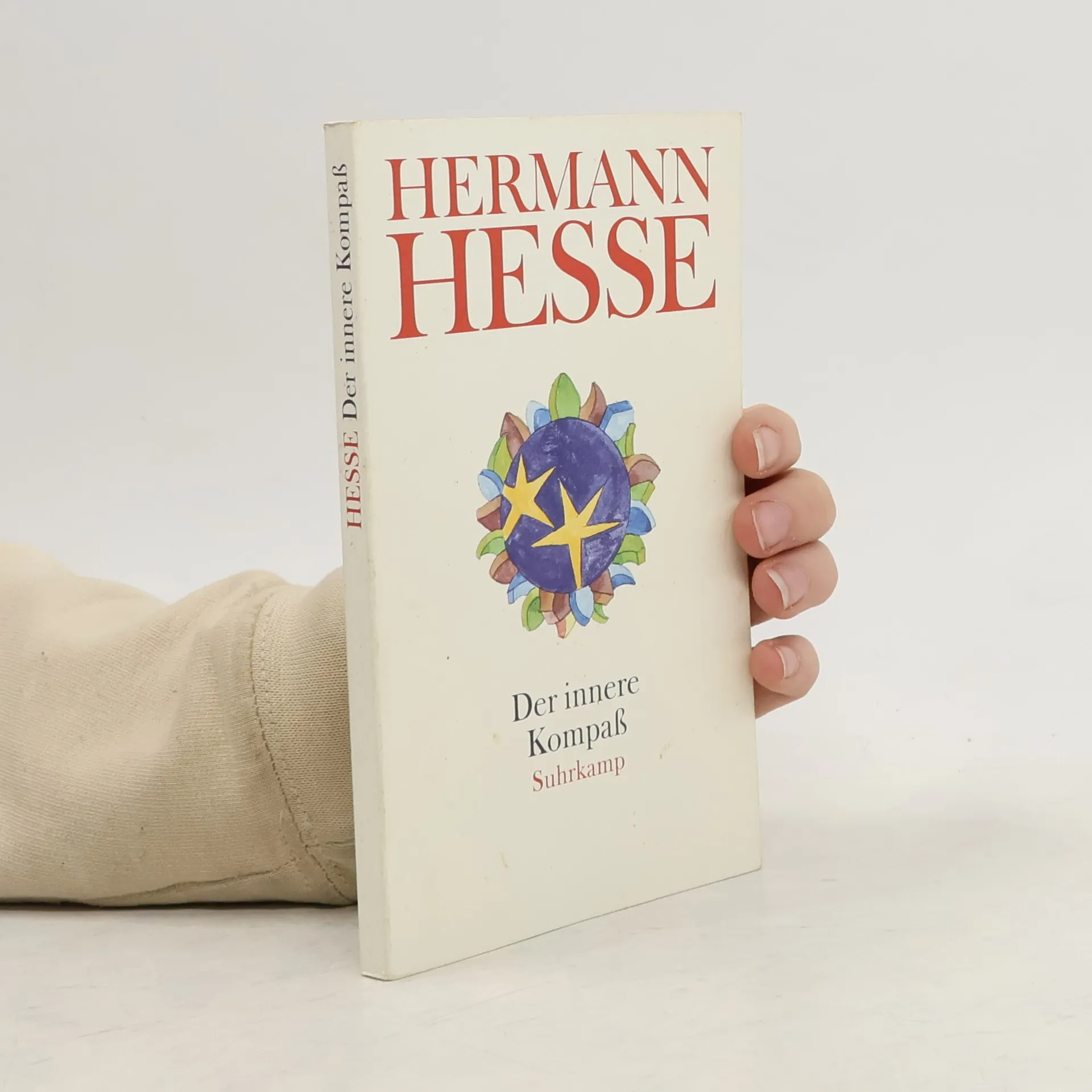
      Radikal, rebellisch, eigensinnig – Hermann Hesse war zeitlebens ein unbestechlicher Geist, der überlebte Konventionen und anmaßende Autoritäten keineswegs hinnahm, sondern sie anhand eigener Erfahrungen auf ihre aktuelle Tauglichkeit hin überprüfte. In seinen Werken, die seit 1970 eine weltweite Renaissance erfahren und ihn zum meistgelesenen deutschsprachigen Autor des 20. Jahrhunderts gemacht haben, gibt es kaum eine lebenswichtige Frage, die man nicht auf zukunftsorientierte Weise thematisiert findet. 1971 hat Volker Michels, der Herausgeber der Werke Hesses, damit begonnen, u.d.T. »Lektüre für Minuten« die wichtigsten Aussagen des Dichters ausfindig zu machen. Nun, nach Abschluß der ersten Gesamtausgabe in 20 Bänden und Erschließung der ersten Hälfte von Hesses mehr als 35 000 Antworten auf Leserzuschriften, ist es möglich geworden, vollständiger als je zuvor Hesses konstruktives Weltbild in annähernd 1500 Kernaussagen zusammenzufassen. Die sechs Themenbände überliefern die gedankliche Substanz seines bisher erschlossenen Werkes und belegen einmal mehr die zeitlose Aktualität dieses Dichters.

      Der innere Kompaß
      4,9
    • Die Antwort bist du selbst

      Briefe an junge Menschen

      • 420pages
      • 15 heures de lecture

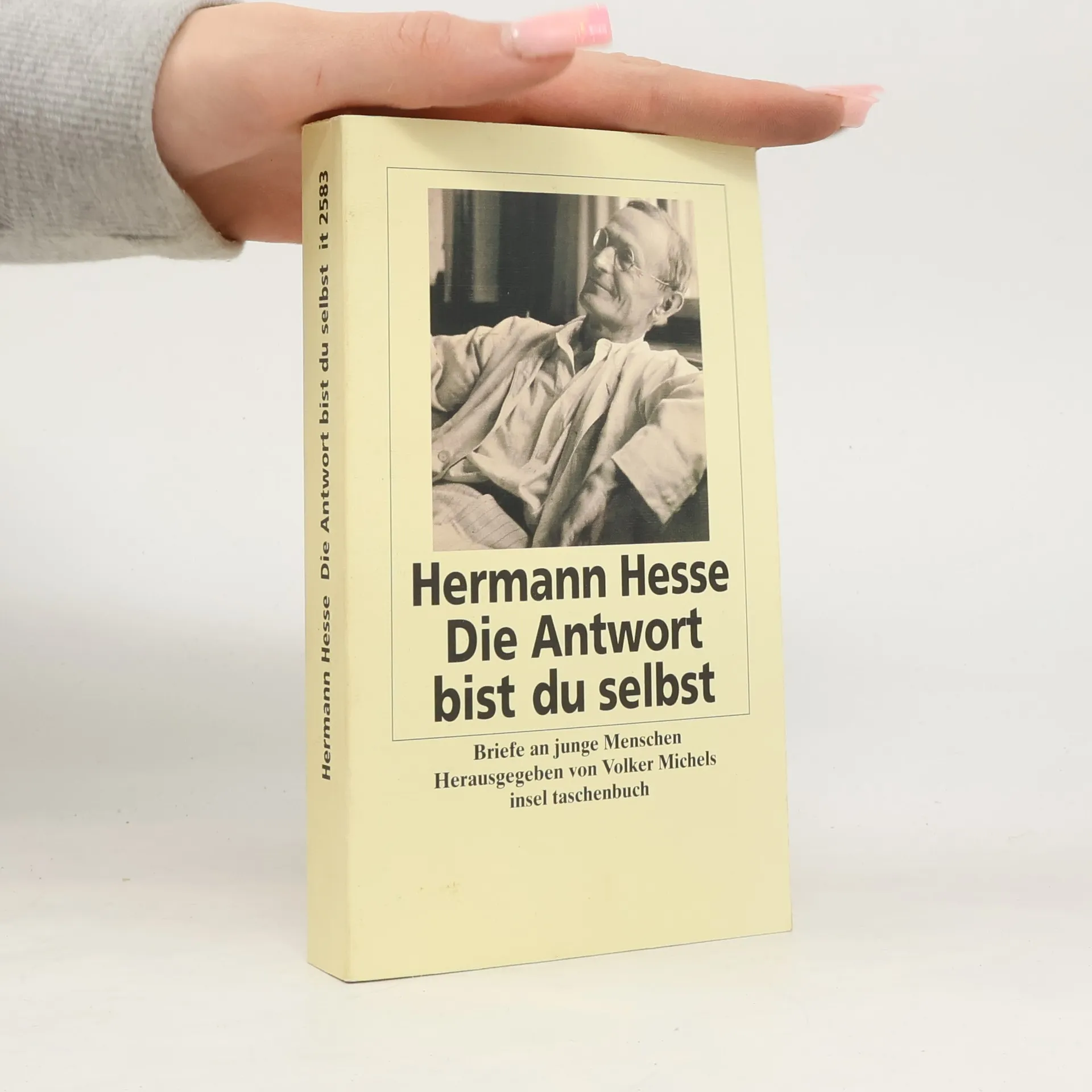
      »Es kommt, wenn ein Mensch das Bedürfnis hat, sein Leben zu rechtfertigen, nicht auf eine objektive, allgemeine Höhe der Leistung an, sondern eben darauf, daß er sein Wesen, das ihm Mitgegebene, so völlig und rein wie möglich in seinem Leben und Tun zur Darstellung bringe.« Hermann Hesse

      Die Antwort bist du selbst
      4,5
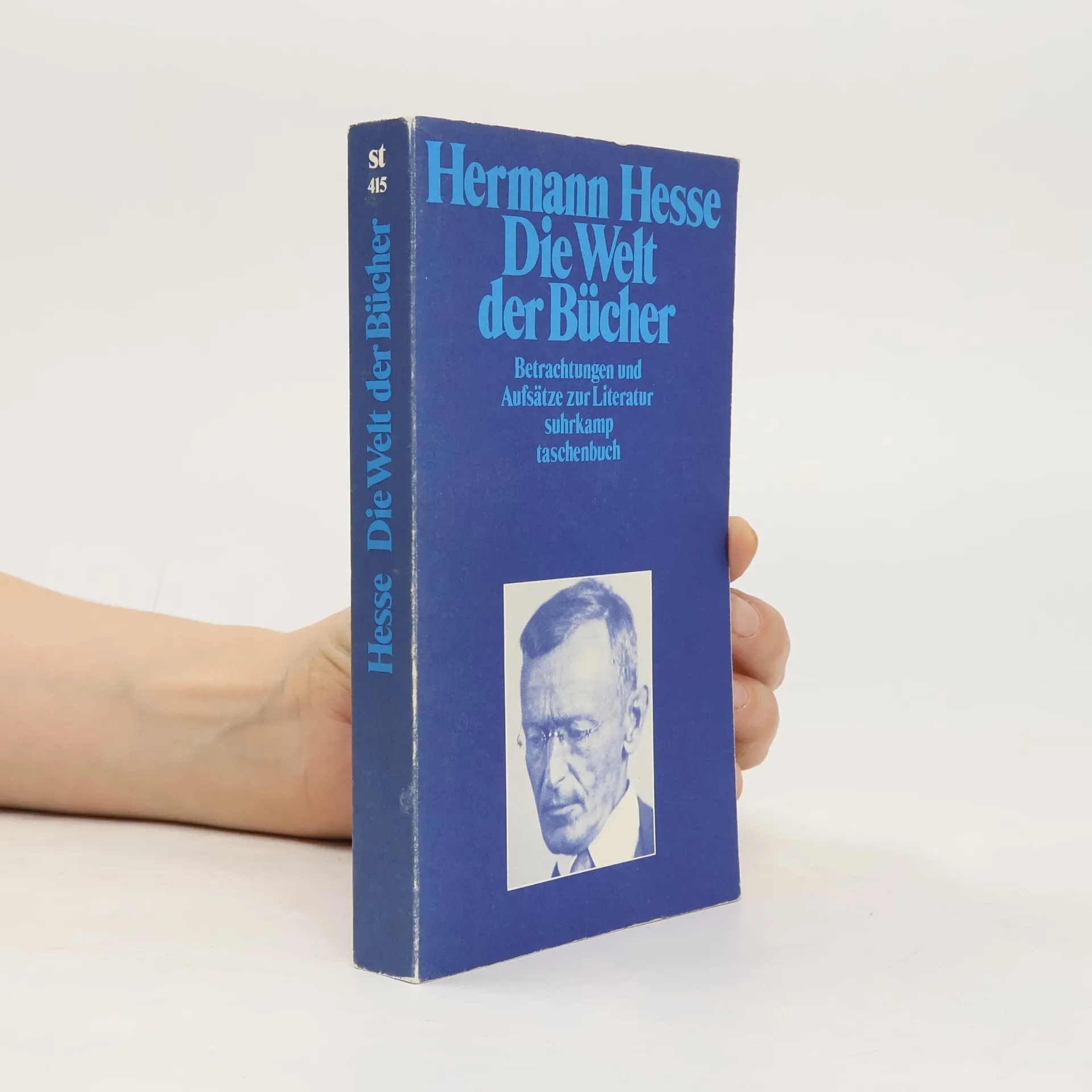
    • Die Welt der Bücher

      • 400pages
      • 14 heures de lecture

      Kaum ein anderer Schriftsteller hat so viel gelesen wie Hermann Hesse und zugleich den zeitgenössischen wie auch den Büchern der Weltliteratur so viele Leser geworben und zugeführt. Zeugnis davon geben, neben den mehr als dreitausend Buchbesprechungen dieses Autors, auch zahlreiche seiner weniger speziellen Essays, Betrachtungen und Aufsätze über sinnvolle und unsinnige Bildung, über das Buch als Schlüssel zum Verständnis, zur Bereicherung und Intensivierung des eigenen Lebens und Erlebens. »Die Bücher sind nicht dazu da, lebensunfähigen Menschen ein wohlfeiles Trug- und Ersatzleben zu liefern. Im Gegenteil, Bücher haben nur einen Wert, wenn sie zum Leben führen und dem Leben dienen und nützen, und jede Lesestunde ist vergeudet, aus der nicht ein Funke von Kraft, eine Ahnung von Verjüngung, ein Hauch neuer Frische sich für den Leser ergibt.« Hermann Hesse

      Die Welt der Bücher
      4,6
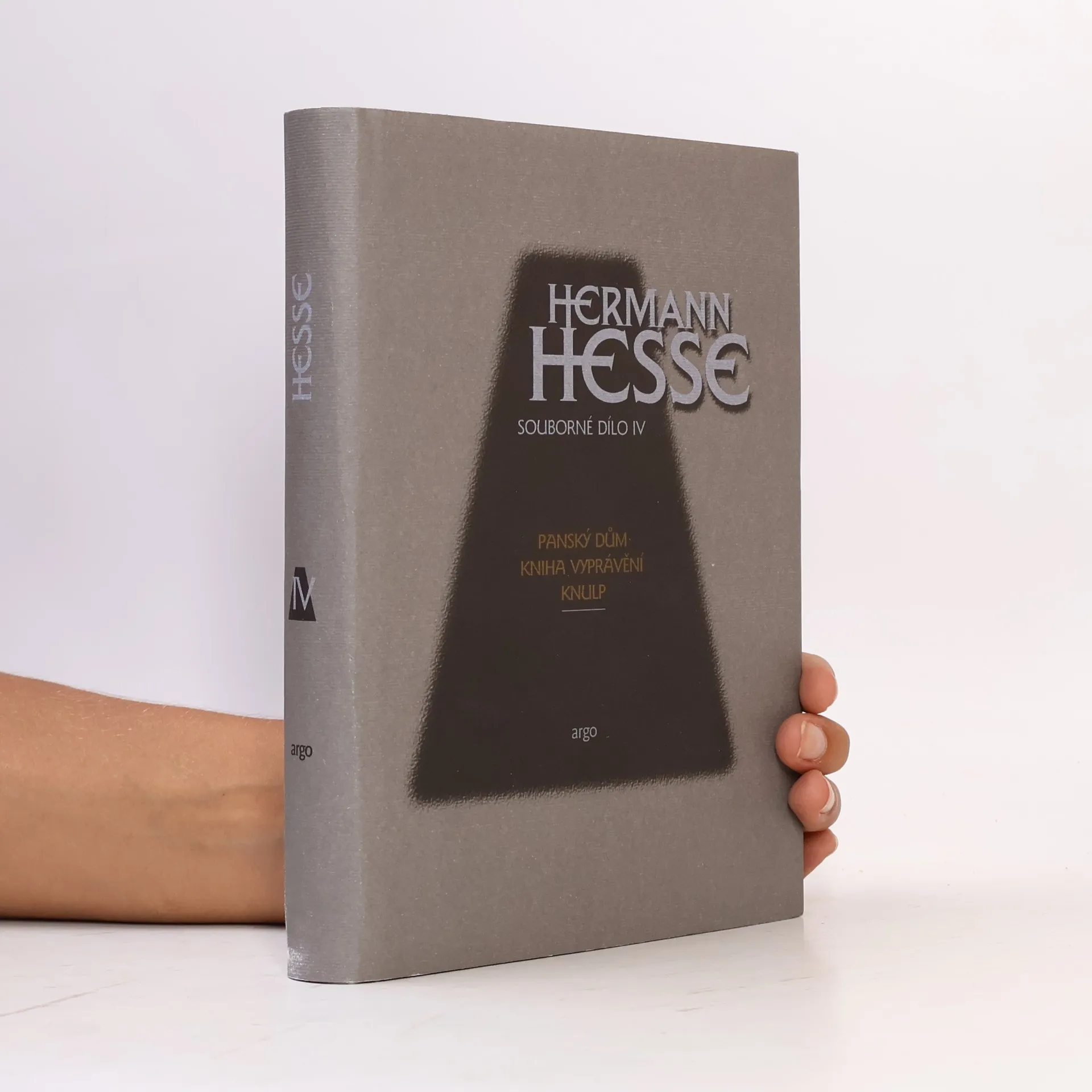
    • Panský dům / Kniha vyprávění / Knulp

      • 390pages
      • 14 heures de lecture

      Čtvrtý svazek Hesseho souborného díla přináší jeden román a řadu drobnějších próz. Silně autobiografický podtext má román Panské sídlo, vyšlý roku 1914. Ústřední postavou je malíř Veraguth, prožívající prudkou rodinnou i uměleckou krizi. Kniha vyprávění (1935) je souborem 23 krátkých próz s různou tematikou z Hesseho raného tvůrčího období. Knulp (1915), jedno z nejpopulárnějších Hesseho drobných děl, zachycuje ve třech příbězích etapy životní cesty stejnojmenného sympatického tuláka a svérázného mudrce.

      Panský dům / Kniha vyprávění / Knulp
      4,7
    • Die Märchen. Hrsg. v. Volker Michels

      • 427pages
      • 15 heures de lecture

      Hermann Hesse beschreibt in seinen Märchen die ewigen Themen wie Liebe, Eitelkeit, Vergänglichkeit und die Sehnsucht nach einer kindlich-wahren Verbundenheit zur Natur. Seine Phantasie und Einfühlungsvermögen sprechen direkt das Herz des Lesers an.

      Die Märchen. Hrsg. v. Volker Michels
      5,0
    • Der Band umfasst über 500 Briefe von Hermann Hesse, die wenige Monate nach Kriegsbeginn beginnen. Sie zeigen die Auswirkungen der Nazi-Repression auf Hesse und seinen Verleger Peter Suhrkamp. Die Korrespondenz beleuchtet Hesses Engagement für Flüchtlinge und seine literarische Auseinandersetzung mit der NS-Ideologie.

      »>Große Zeiten< hinterlassen große Schutthaufen«
      5,0
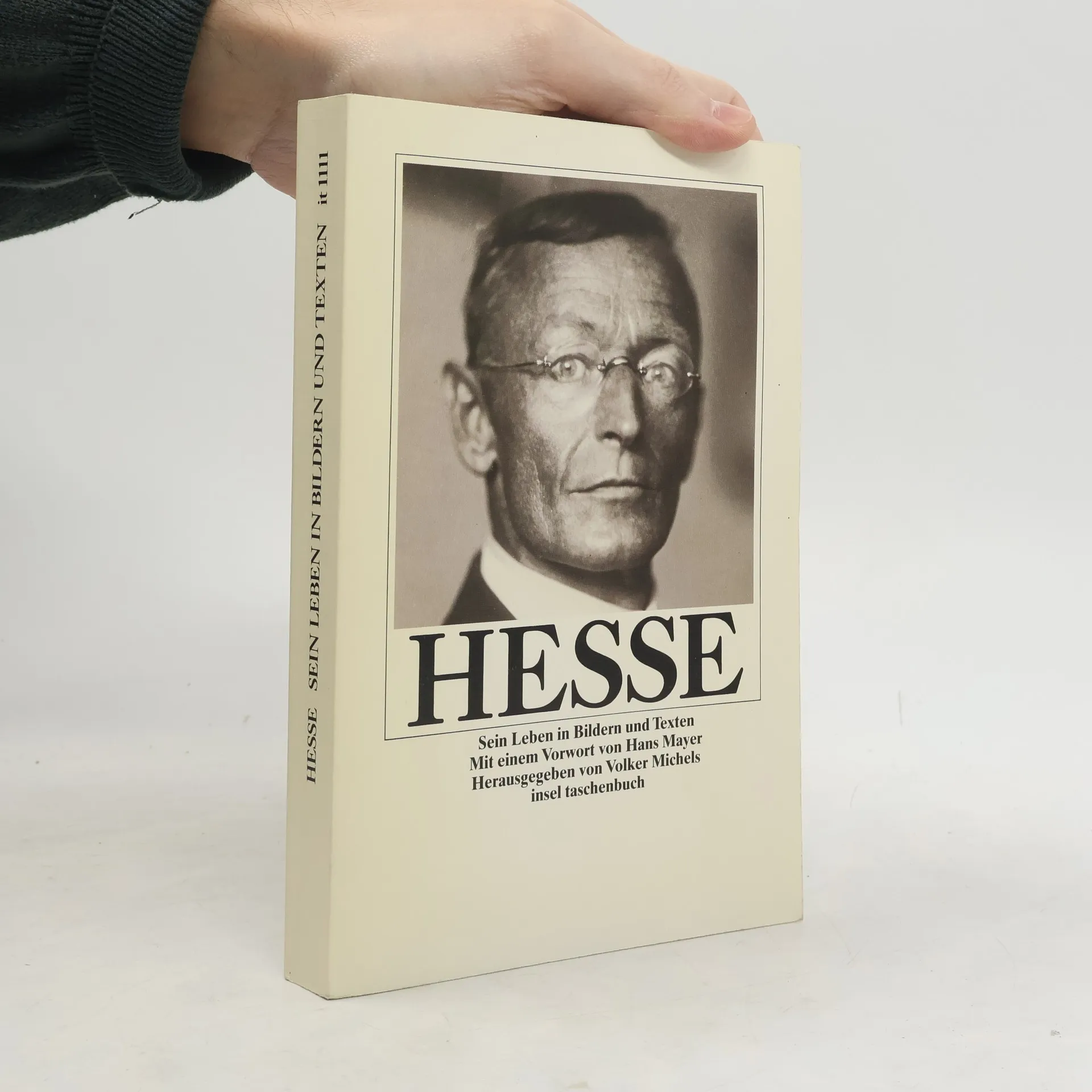
    • Die Zusammenstellung des Bildmaterials, kombiniert mit Textauszügen aus den Werken und Briefen Hermann Hesses, läßt vor den Augen des Lesers und Betrachters eine illustrierte Autobiographie.

      Hermann Hesse, Sein Leben in Bildern und Texten
      5,0
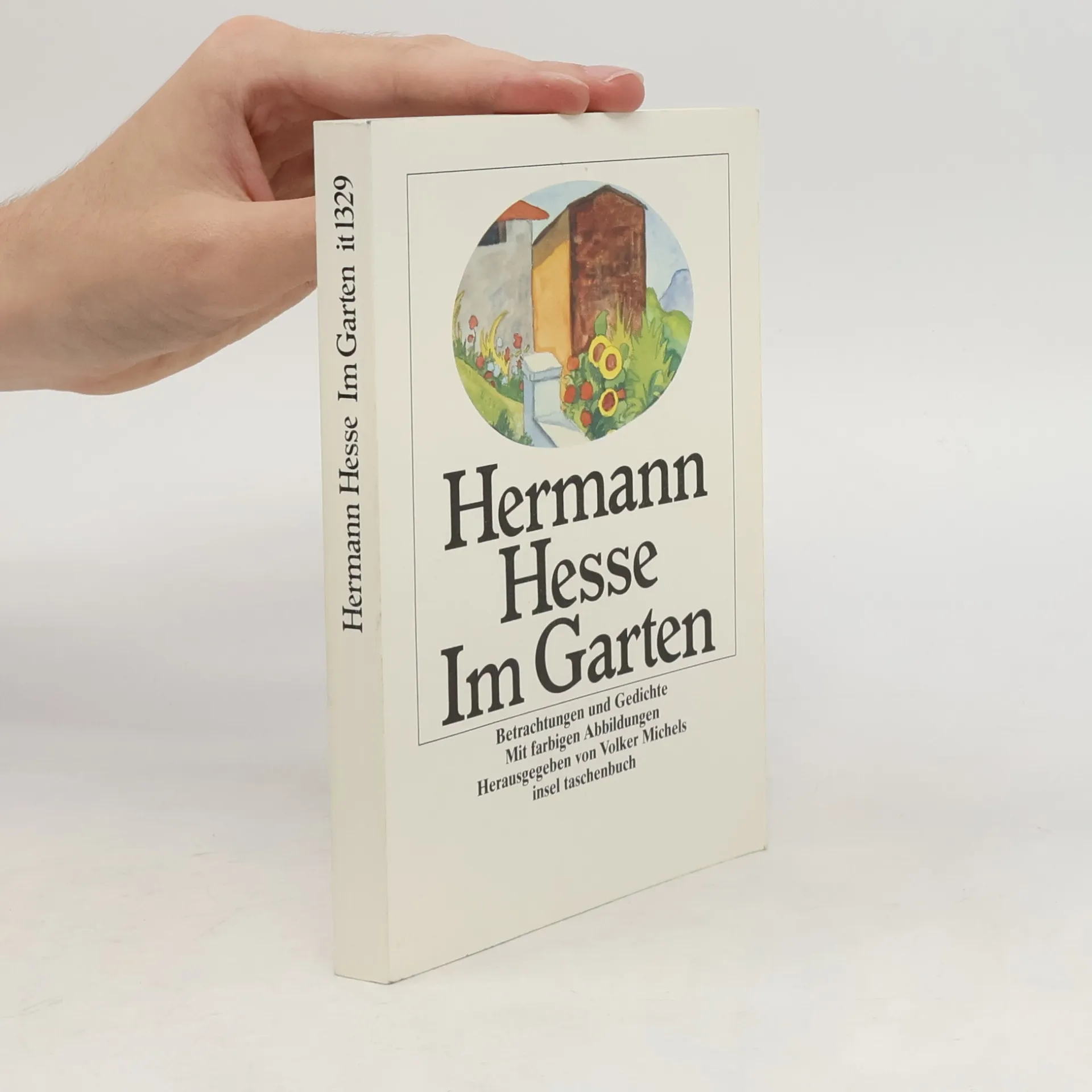
    • Im Garten

      • 233pages
      • 9 heures de lecture
      Im Garten
      5,0
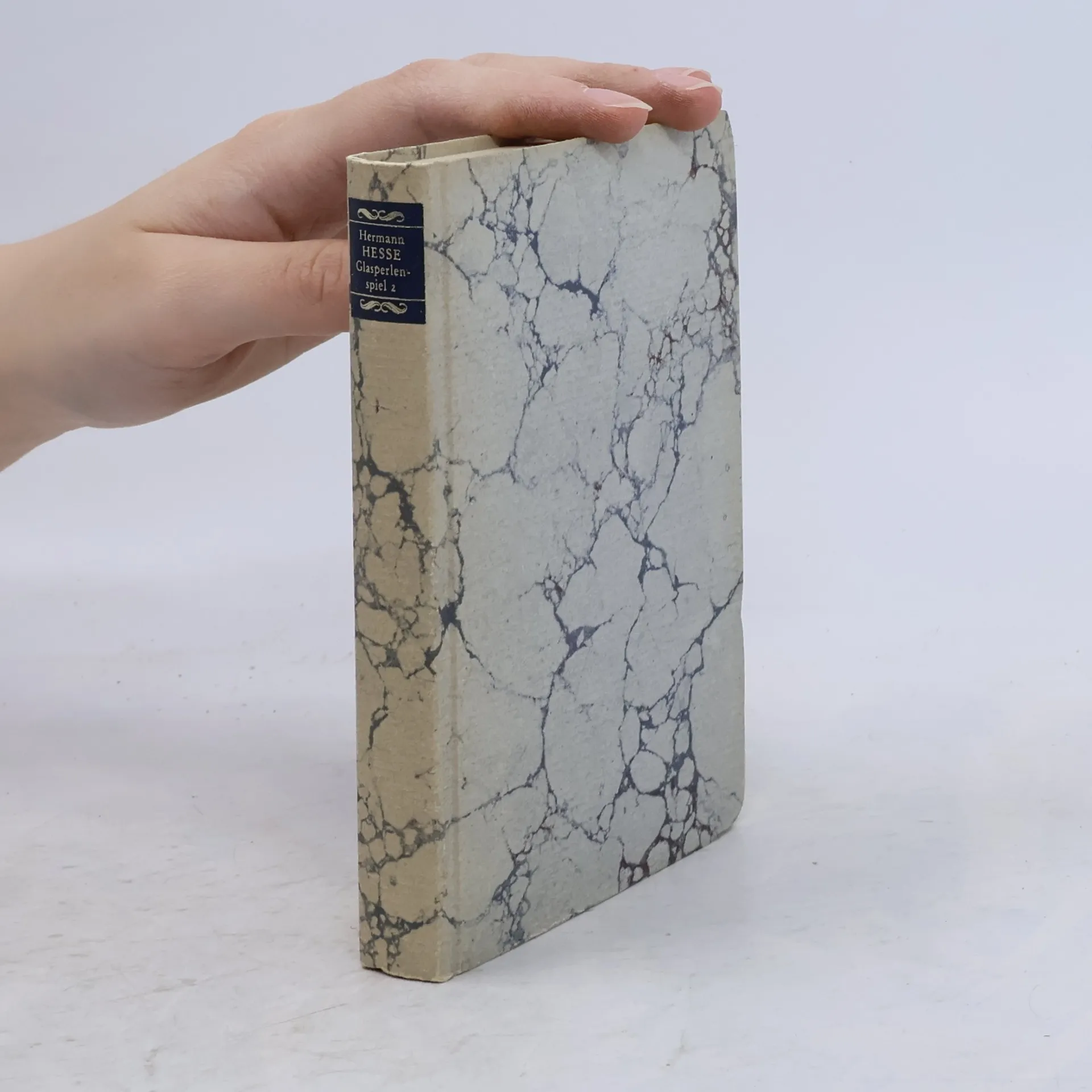
    • Im Ordensstaat Kastalien steigt Josef Knecht zum Magister Ludi auf, dem höchsten Priester des sakralen Spiels. Doch bald schon erkennt er den Mangel der Vollkommenheit in dieser sterilen Welt und bricht auf ...

      Das Glasperlenspiel 2
      4,5
    • "In diesem Alterswerk sind dem Dichter alle früheren stadien seines Lebensweges durchsichtig geworden. Es ist auf der Stufe der 'Hellsicht' enstanden... 'Das Glasperlenspiel' ist Ergebnis und Zeugnis einer Selbstheilung - also der einzig würdigen und echten, weil sie aus dem Kern der Person hervorgeht." - Ernst Robert Curtius

      Glasperlenspiel 1
      4,5
    • Lagunenzauber

      Aufzeichnungen aus Venedig

      Hermann Hesses Schilderungen von Venedig zählen zum Schönsten und Substanziellsten, womit je ein deutscher Dichter dieser »Stadt des Müßiggangs, der Liebe und der Musik« gehuldigt hat. Wer mit ihm das Labyrinth ihrer Gassen, Kanäle und Brücken durchstreift, wird vieles mit neuem Blick entdecken und »dem schönen Wunder auf den Grund sehen«. Dank seines Sensoriums für die zu jeder Tageszeit wechselnden Lichteffekte vermag Hesse, den Farbenzauber der Lagune auf eine Weise zu vermitteln, dass er dem Leser unmittelbar vor Augen steht. Ähnlich lebensnah und anschaulich sind auch die Schilderungen des Alltags und seiner Erlebnisse mit den Bewohnern auf den Inseln dieser märchenhaften Kapitale am Adriatischen Meer.

      Lagunenzauber
      4,6
    • Masallar

      • 256pages
      • 9 heures de lecture

      Hermann Hesse, masallarla ilgili olarak şöyle der: Hayalgücü ve duyguları paylaşabilme yeteneği, sevginin türlerinden başka bir şey değildir. Masallar 1920 yılında ilk kez yayımlandığında Oscar Loerke şöyle yazıyordu: Ozan Hesse insanın en akılsızca, en bilgece isteklerini somut olarak sergiliyor.

      Masallar
      4,4
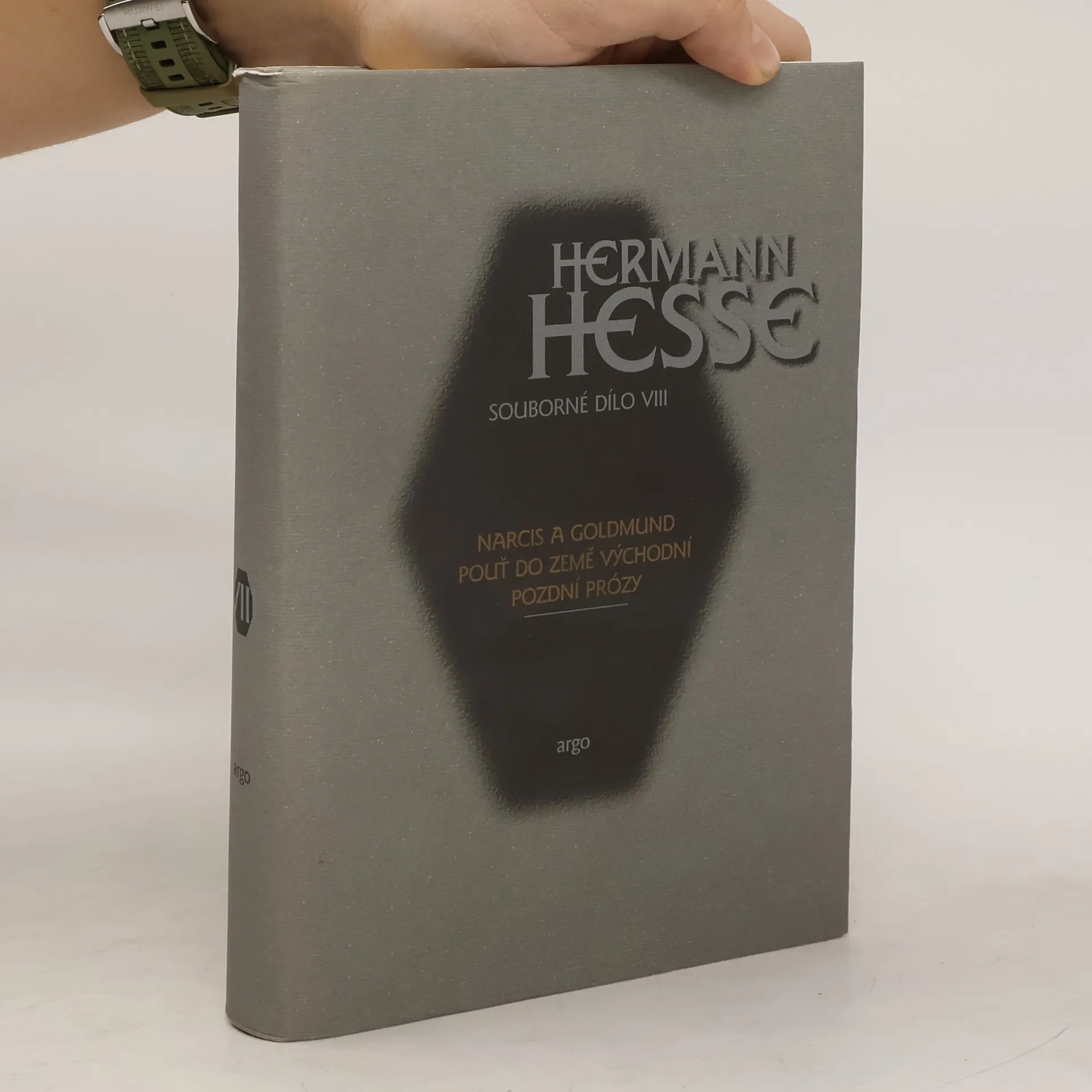
    • Román Narcis a Goldmund (1930) zpodobuje v historizujícím novoromantickém hávu a v rozložení do dvou kontrastních postav mnicha-askety a umělce-erotika autorovy vnitřní rozpory a umělecká a životní hledání. Povídka Cesta do Země východní (1932) líčí pouť reálně ireálného bratrstva duchovní a umělecké elity všech dob a národů za trvalými hodnotami. Svazek doplňuje 15 drobnějších próz časově a tematicky spjatých s různými obdobími Hesseho života.

      Souborné dílo. VIII
      4,6
    • Jednota protikladov

      • 263pages
      • 10 heures de lecture

      Poviedky, črty, myšlienky, básne a spomienky svetoznámeho spisovateľa.

      Jednota protikladov
      4,6
    • Die Buchanmerkung beschreibt eine Sammlung von Werken von Hermann Hesse, aufgeteilt in sechs Bände, die Romane, Erzählungen, autobiografische Schriften, Gedichte und Briefe an junge Menschen umfasst.

      Ausgewählte Werke in sechs Bänden
      4,6
    • Jedem Anfang wohnt ein Zauber inne

      Lebensstufen

      • 191pages
      • 7 heures de lecture

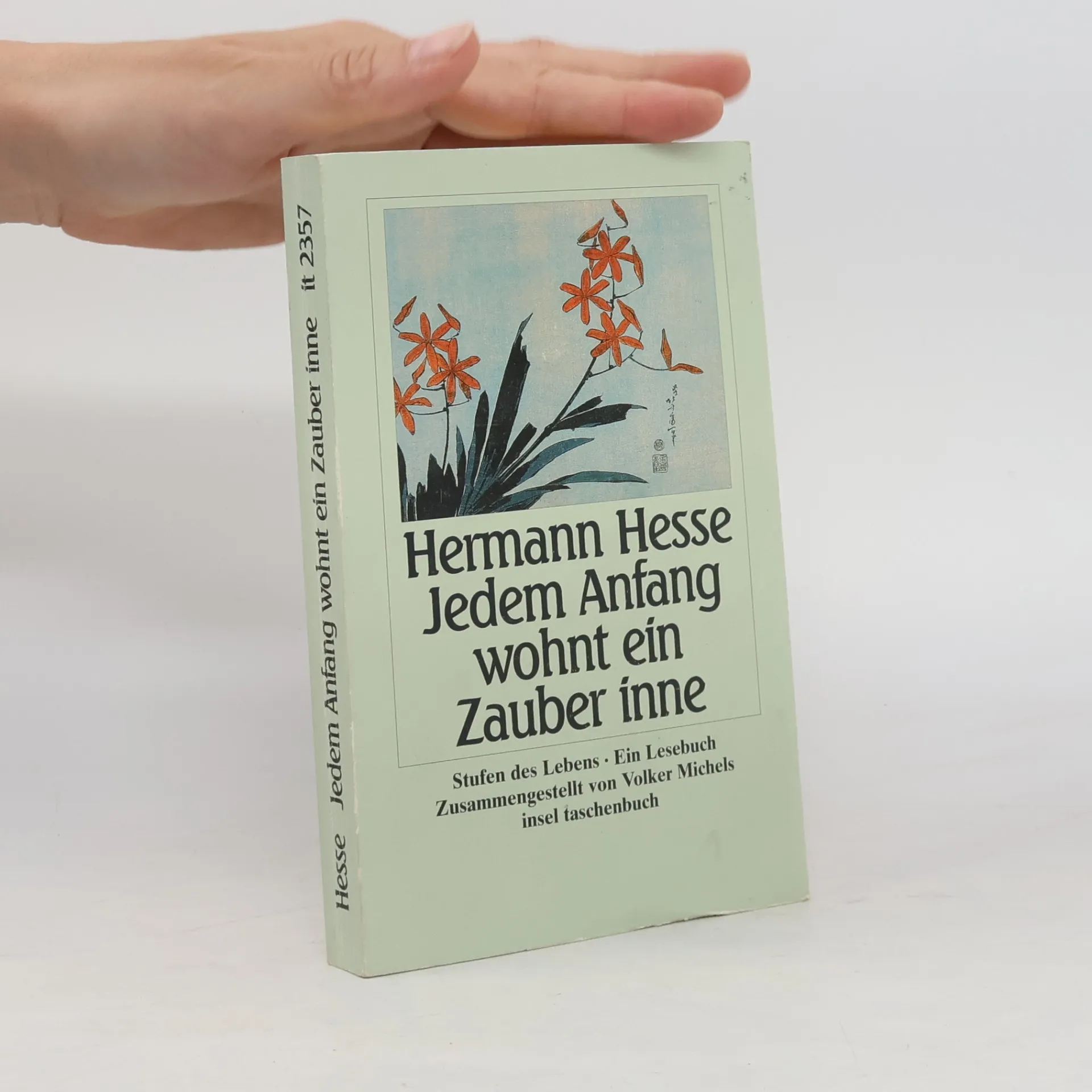
      Am Beispiel von Hermann Hesses eigener Lebensgeschichte versammelt dieses Lesebuch autobiographische Texte, welche die »Stufen der Menschwerdung« von den frühesten bis zu den letzten Lebensjahren auf eine Weise schildern und reflektieren, daß man sich darin wiederzuerkennen vermag.

      Jedem Anfang wohnt ein Zauber inne
      4,4
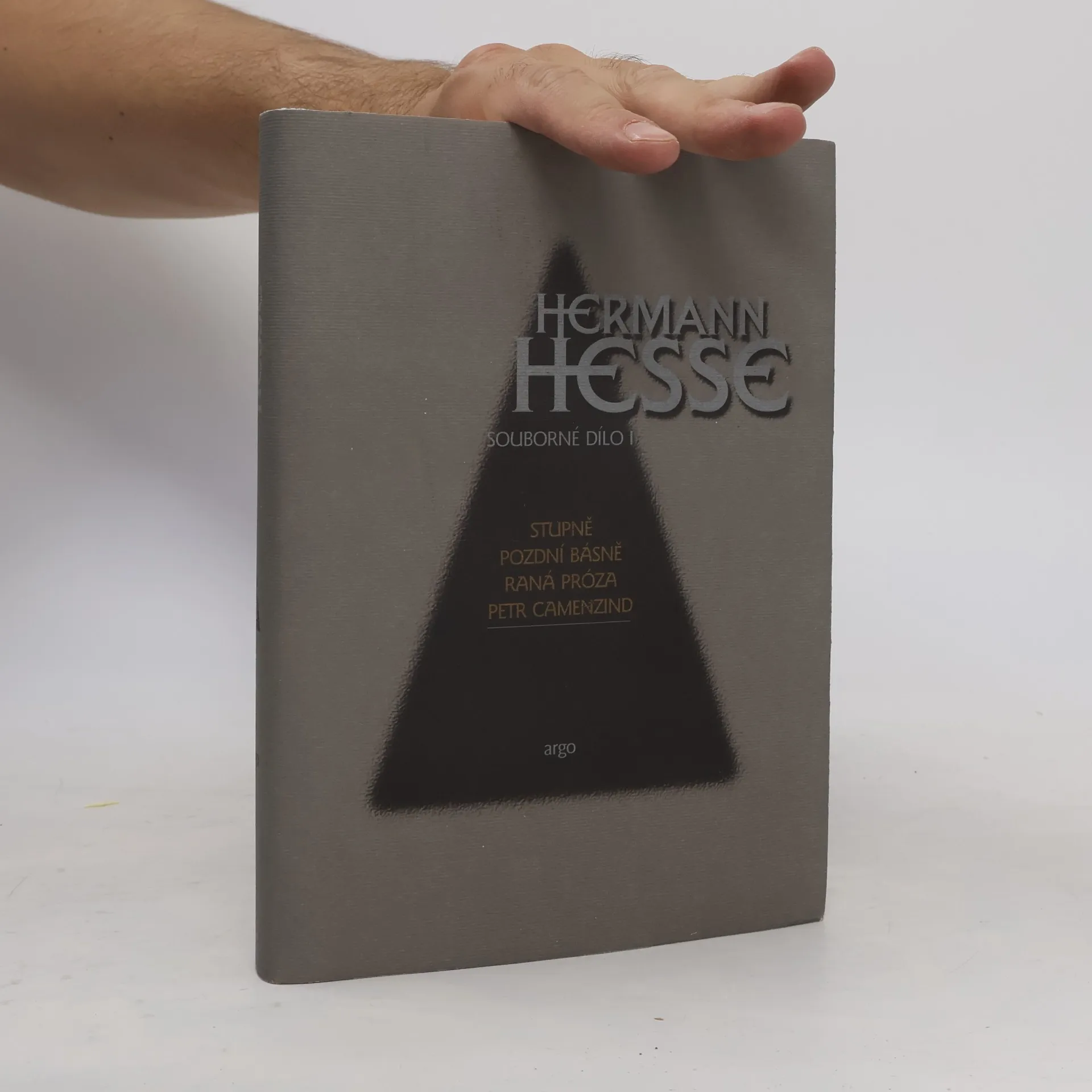
    • Výbory veršů Stupně a Pozdní básně obsahují básně vytvořené v letech 1895 až 1962 a jsou uzavřené básní, jež dostala svou definitivní podobu den před autorovou smrtí.Oddíl Ranná próza shromažďuje první Hesseho prozaické práce, prosycené mladistvou snovou romantikou, ať už jde o cyklus "Hodina s půlnoci" či o fiktivně vydané "Spisy a básně z pozůstalosti Hermanna Lauschera". Román Petr Camenzind, vydaný poprvé roku 1904, pak odstartoval Hesseho literární věhlas.

      Stupně / Pozdní básně / Raná próza / Petr Camenzind
      4,5