

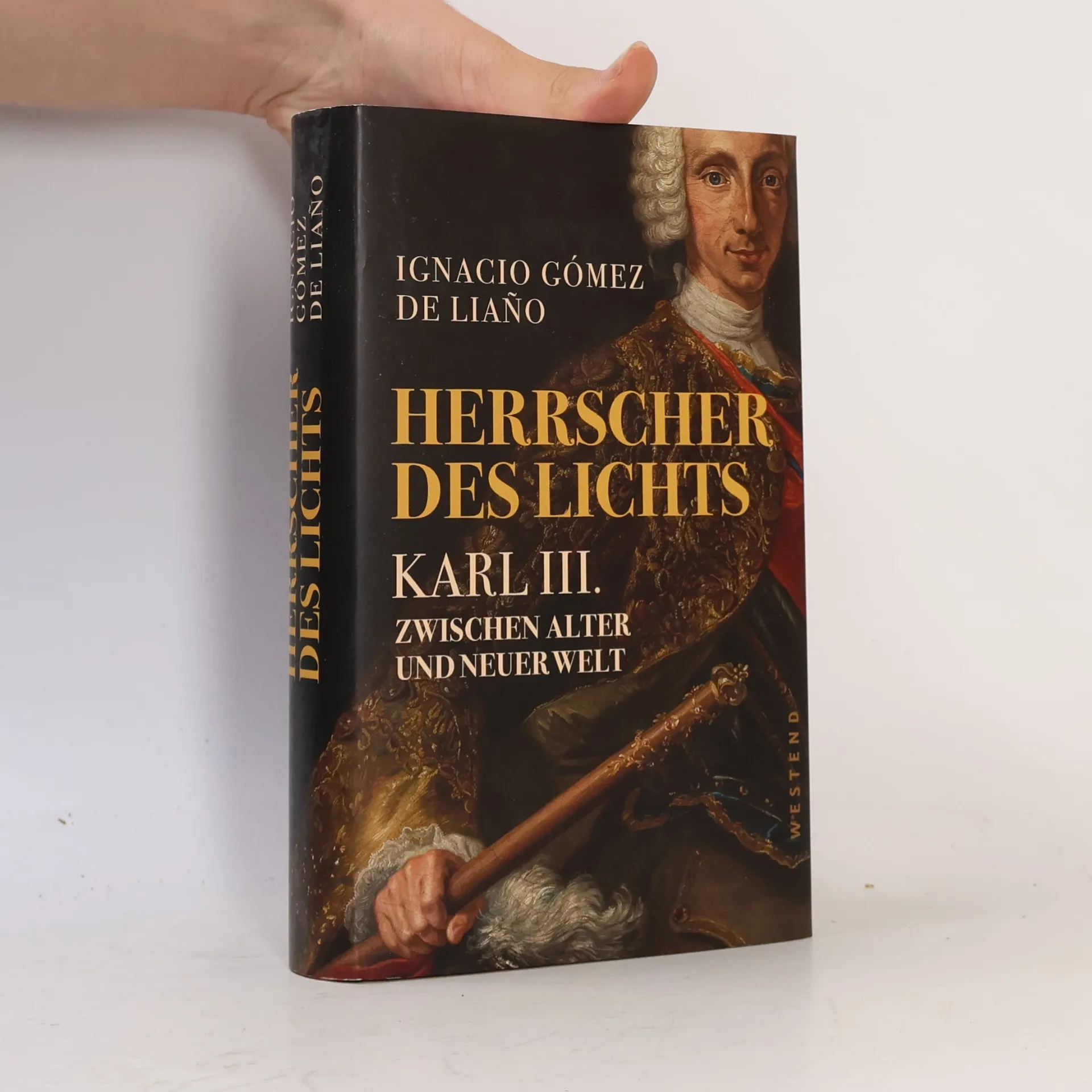
Karl III. (1716-1788), König von Spanien, gilt als einer der prominentesten Vertreter der europäischen Hochkultur im Zeitalter der Aufklärung. Er unterstützte die Ausgrabungen von Herculaneum und Pompeji, stellte Alexander von Humboldt den Freibrief für seine Forschungsreisen aus und förderte Wissenschaften wie die Ethnologie, die Kulturanthropologie oder die vergleichende Sprachwissenschaft. Ignacio Gómez de Liaño, einer der wichtigsten Schriftsteller und Philosophen Spaniens, erzählt in seiner umfassenden Biografie die Geschichte eines der frühen Globalisierer, den ersten Ausgrabungen der Maya-Ruinen von Palenque, der Entdeckung des Aztekenkalenders und der entscheidenden Unterstützung Spaniens für die Unabhängigkeit der Vereinigten Staaten.
Ignacio Gómez de Liaño Ordre des livres (chronologique)

This is a remarkable book about a man (perhaps the most important and original philosopher of our age), a society (the corrupt Austro-Hungarian Empire on the eve of dissolution), and a city (Vienna, with its fin-de siecle gaiety and corrosive melancholy). The central figure in this study of a crumbling society that gave birth to the modern world is Wittgenstein, the brilliant and gifted young thinker. With others, including Freud, Viktor Adler, and Arnold Schoenberg, he forged his ideas in a classical revolt against the stuffy, doomed, and moralistic lives of the old regime. As a portrait of Wittgenstein, the book is superbly realized; it is even better as a portrait of the age, with dazzling and unusual parallels to our own confused society. Allan Janik and Stephen Toulmin have acted on a striking premise: an understanding of prewar Vienna, Wittgenstein s native city, will make it easier to comprehend both his work and our own problems .This is an independent work containing much that is challenging, new, and useful. New York Times Book Review."
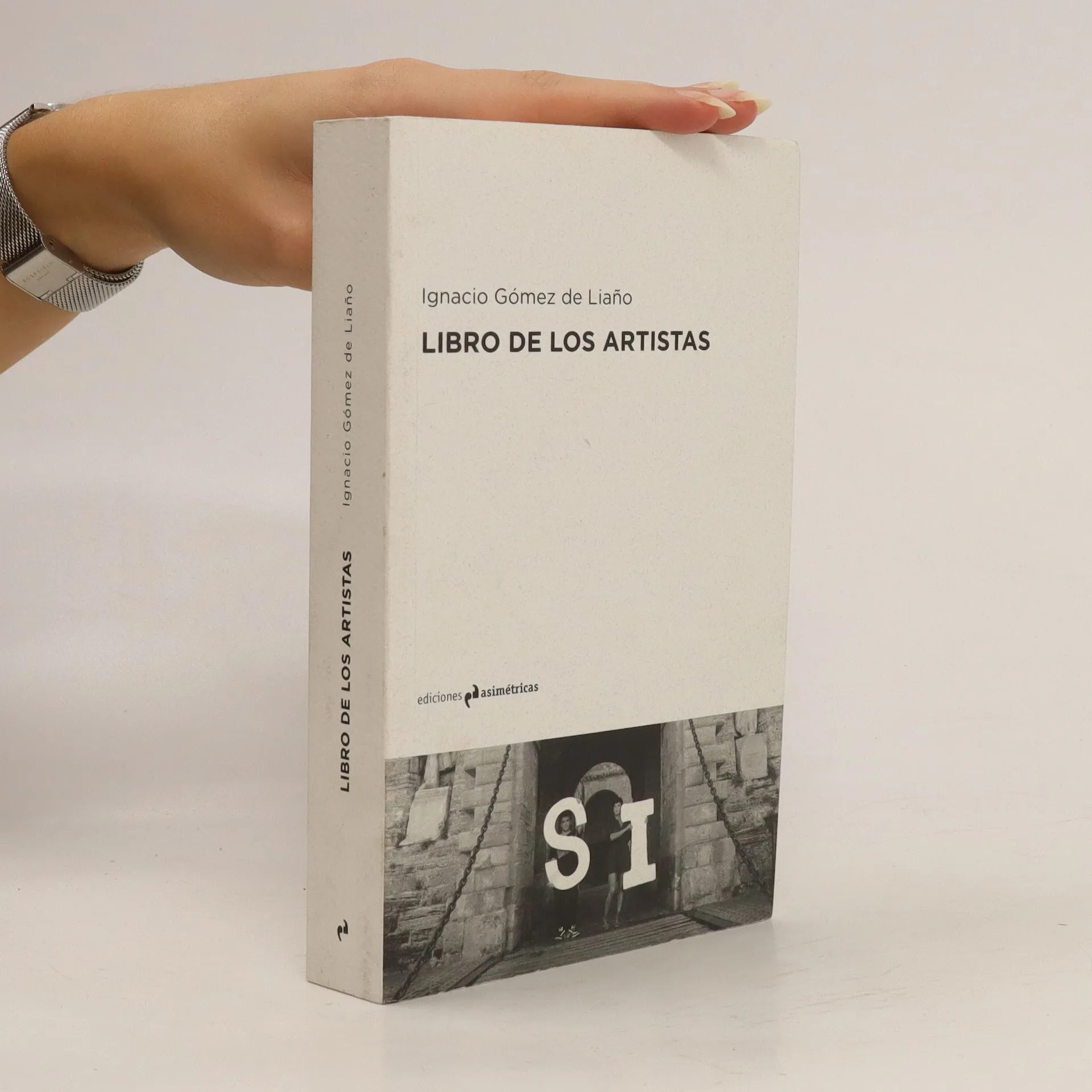
Libro de los artistas
- 397pages
- 14 heures de lecture
Résumé en 4ème de couv.: "No hay nada como mirar el hacer para saber qué significa el decir", escribe Gómez de Liaño en este libro que compila, desde 1977 hasta la actualidad, los mejores ensayos de crítica del autor. Su mirada analítica y su vasta erudición se combinan con una curiosidad infinita. A través de un profundo conocimiento del artista y su obra, Liaño presenta creadores y creaciones con un lenguaje que va más allá del discurso comercial. Los textos también revelan una sensibilidad personal y una cartografía de sus intereses, creando un retrato biográfico en el que se entrelazan temas como el símbolo, la imagen, la realidad, la memoria, Giordano Bruno, el impulso romántico, las vanguardias, Dalí, la vanitas, lo monstruoso, el mercantilismo y los sistemas de conocimiento. Escritos con alegría y frescura, estos ensayos buscan unir la lógica de los conceptos con la de los afectos, reflejando la esperanza de compartir el regocijo que la obra genera y la riqueza de las reflexiones que provoca. Tienen la rara virtud de ser amables y generosos con el lector.