

Bookbot

Leah Hager Cohen

    Leah Hager Cohen explore des sujets non conventionnels, plongeant dans les complexités de la connexion humaine et de l'identité. Sa prose se caractérise par une profonde perspicacité psychologique et une qualité lyrique qui attire les lecteurs dans des récits intimes. À travers son œuvre, elle éclaire les subtiles complexités de l'existence quotidienne, offrant une perspective unique sur la condition humaine. Les écrits de Cohen sont reconnus pour leur authenticité et leur capacité à évoquer une profonde résonance émotionnelle.

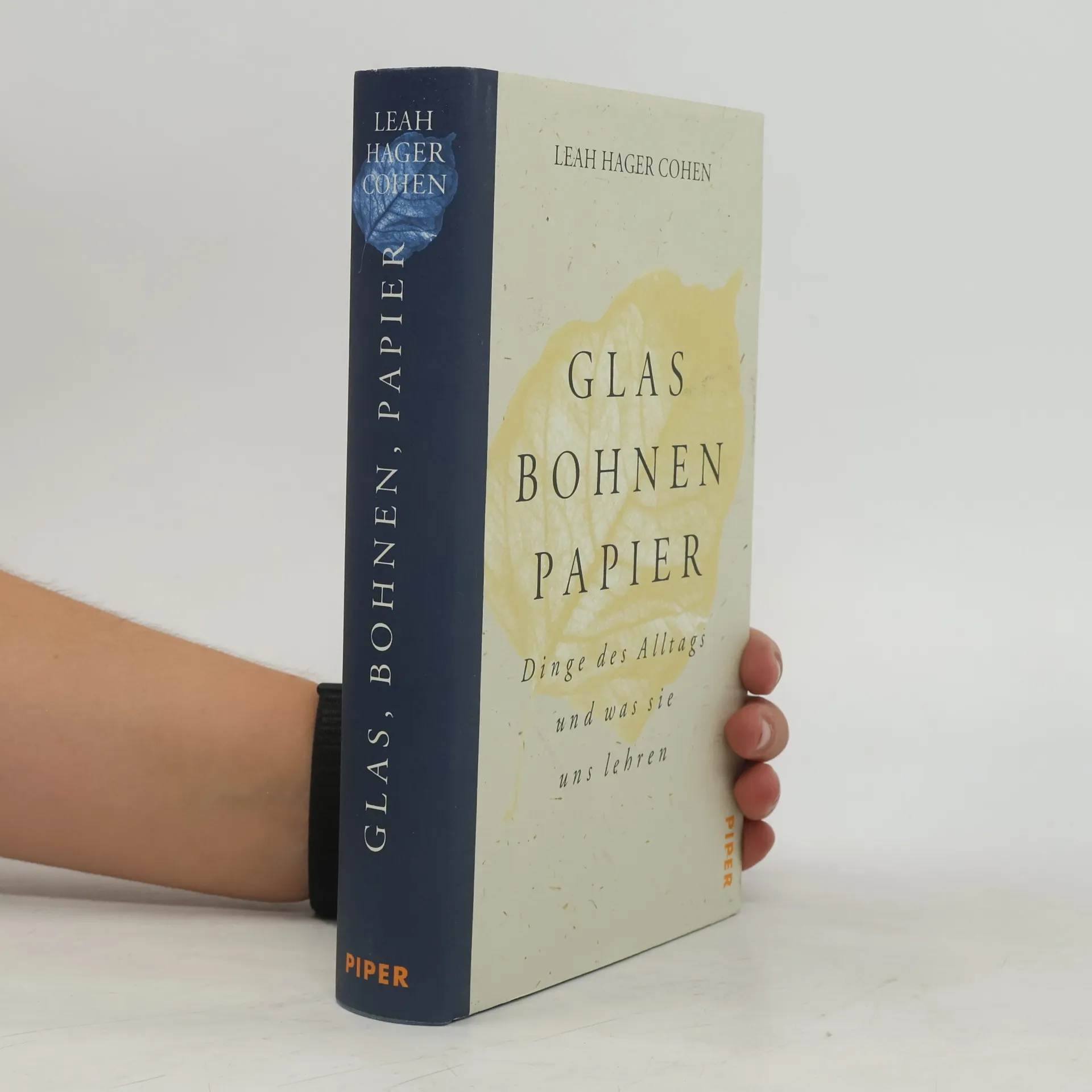
    Glas, Bohnen, Papier
    Die Welt hinter den Dingen
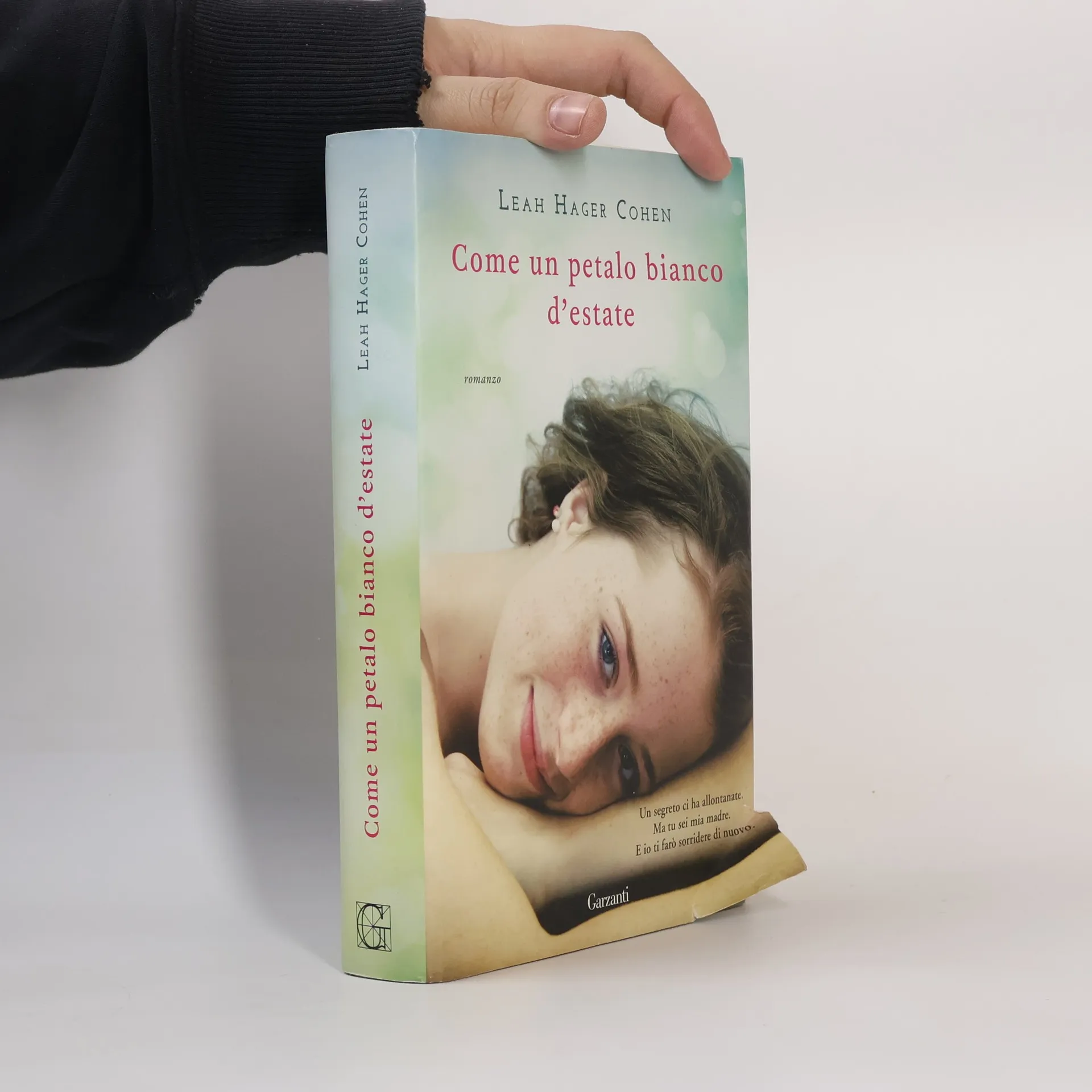
    Come un petalo bianco d'estate
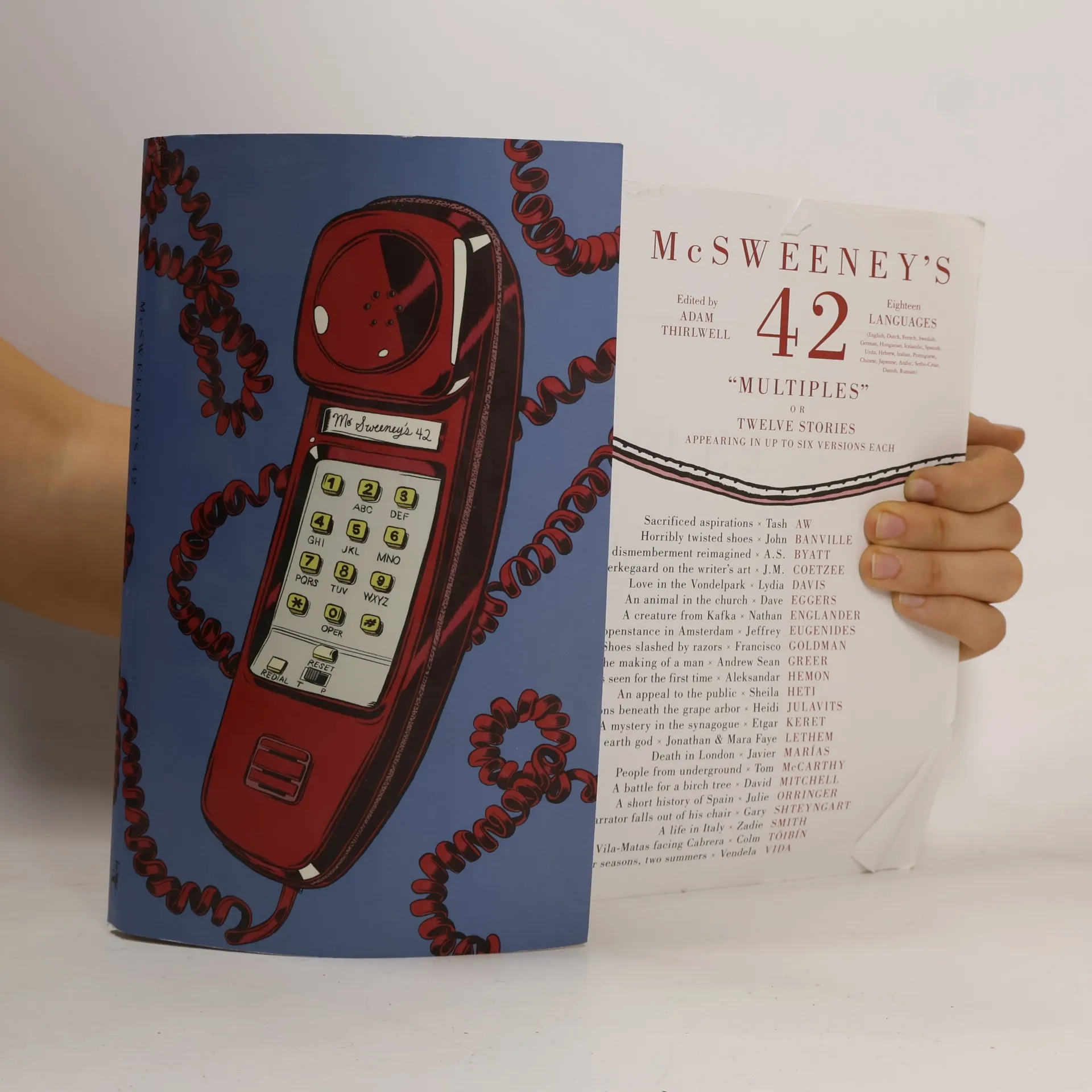
    McSweeney's - 42: Multiples
    • McSweeney's - 42: Multiples

      Or Twelve Stories Appearing in Up to Six Versions Each - Eighteen Languages: English, French, Czech, Dutch, German, Hungarian, Icelandic, Italian, Korean, Latin, Polish, Portuguese, Russian, Spanish, Swedish, Turkish

      • 300pages
      • 11 heures de lecture

      With the help of guest editor Adam Thirlwell (author of Kapow!, Visual Editions), Issue 42 is a monumental experiment in translated literature—twelve stories taken through six translators apiece, weaving into English and then back out again, gaining new twists and textures each time, just as you'd expect a Kierkegaard story brought into English by Clancy Martin and then sent into Dutch by Cees Nooteboom before being made into English again by J. M. Coetzee to do. With original texts by Kafka and Kharms and Kenji Miyazawa, and translations by Lydia Davis and David Mitchell and Zadie Smith (along with others by John Banville and Tom McCarthy and Javier Marías, and even more by Shteyngart and Eugenides and A. S. Byatt), this will be an issue unlike anything you've seen before—altered, echoing narratives in the hands of the finest writers of our time, brought to you in a book that looks like nothing else we’ve ever done.

      McSweeney's - 42: Multiples
    • Come un petalo bianco d'estate

      • 331pages
      • 12 heures de lecture

      Biscuit ha dieci anni e questa mattina dovrebbe già essere a scuola. Invece sta sfrecciando con la sua bicicletta lungo il fiume Hudson. Il vento le fa pizzicare gli occhi e arrossare le guance, ma Biscuit non si ferma. Come accade da settimane, sta marinando la scuola per rifugiarsi nel suo angolo preferito sulla sponda del fiume e leggere uno dei libri che ha rubato dalla biblioteca. Questo angolo all'ombra di un grande albero frondoso è l'unico luogo dove può stare da sola. Lontana dai silenzi dei suoi genitori, dal loro disinteresse, dal sottile velo di malinconia che ammanta ogni gesto quotidiano. Sua madre, Ricky, ormai non la guarda nemmeno più negli occhi e suo padre, John, si è rinchiuso nel suo lavoro di scenografo. Tutto è cominciato un anno prima, quando un grande dolore ha colpito la loro famiglia. Da quel momento la loro vita non è stata più la stessa. Ma quello che Biscuit non sa è che sua madre si è trovata di fronte a una scelta. E che le conseguenze della sua decisione la stanno lacerando, anche se la sua unica colpa è stata l'eccesso di speranza. Una speranza che adesso minaccia di distruggere l'ultimo sottile filo che lega la loro famiglia. Solo Biscuit può aiutarla a ritrovare la luce che sembra ormai sepolta nel profondo del suo sguardo. Anche a costo di incendiare le loro ultime certezze…

      Come un petalo bianco d'estate
      2,9
    • Glas, Bohnen, Papier

      • 354pages
      • 13 heures de lecture

      "Ich sitze im Someday-Cafe in Boston. Vor mir auf dem Tisch sind eine Zeitung, ein Glas, gefüllt mit heißem Kaffee..." So unwahrscheinlich es klingt: mit dieser Szene beginnt eine spannende Spurensuche, die Leah Hager Cohen in "Glas, Bohnen, Papier" unternimmt. Sie stellt sich die Frage, woher diese drei Dinge, die ihr so vertraut sind, eigentlich kommen. Also macht sie sich auf und erforscht diese Rätsel des Alltag. Sie besucht die Menschen, die "ihren" Kaffee anbauen und ihn den langen Weg bis zu ihr transportieren. Nebenbei und mit leichter Hand erzählt sie auch die Geschichte des Kaffees. Sie geht den Weg nach, den das Glas genommen hat, bevor es zu ihr gekommen ist. Sie verfolgt den Weg des Papiers zurück bis zu jenen Holzfällern Kanadas, bei denen die Geschichte ihren Anfang nahm.§Aus der Neugierde über die Wunder des Alltags entsteht so eine wunderbare Kulturgeschichte - nicht von den großen, aber von den kleinen und um so spannenderen Dingen.

      Glas, Bohnen, Papier