Marcus Tullius Cicero Ordre des livres (chronologique)
Marcus Tullius Cicero s'impose comme un éminent philosophe, homme d'État, avocat et théoricien politique romain. Largement célébré comme l'un des plus grands orateurs et stylistes de prose de Rome, son œuvre offre des perspectives profondes sur la pensée et la rhétorique romaines. L'héritage durable de Cicéron réside dans son articulation éloquente et son approche sophistiquée du langage, consolidant sa place de pierre angulaire de la littérature et du discours classiques.


»Über das höchste Gut und das größte Übel« ist ein sokratischer Dialog von Cicero, der die philosophischen Ansichten des Epikureismus, Stoizismus und der Lehren des Peripatos behandelt. Das Werk besteht aus drei Dialogen und fünf Büchern und entstand im Sommer 45 v. Chr. Es zählt zu Ciceros Hauptwerken.
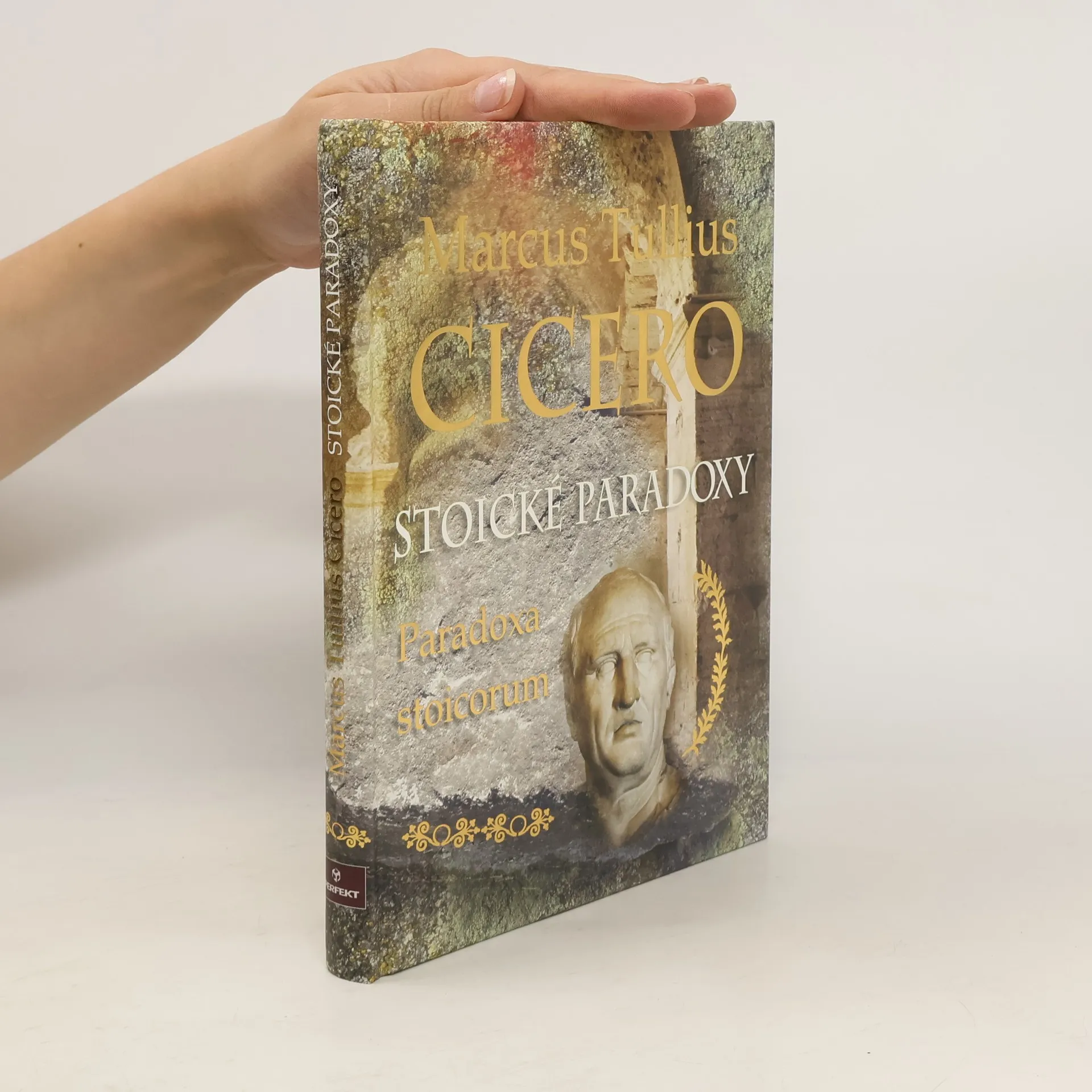
Stoické paradoxy
- 136pages
- 5 heures de lecture
Stoické paradoxy napísal filozof Marcus Tullius Cicero pravdepodobne v prvej polovici roka 46 pred n. l. Autor tu obhajuje šesť etických tvrdení, ktoré sú na prvý pohľad v rozpore s bežným uvažovaním. Z hľadiska etického myslenia stoikov sú však pravdivé. Ukazujú spôsob, ako sa dajú filozofické nyšlienky preniesť do rečníckeho prejavu. Zároveň sa v nich Cicero púšťa do kritiky dobových spoločenských pomerov. Prostredníctvom Stoických paradoxov tak slovenskí čitatelia dostávajú možnosť poodhaliť autorov rečnícky, filozoficky aj politický spôsob myslenia.
This book is a reproduction of a historical work, published by Megali, which focuses on making literature accessible to individuals with impaired vision through large print. The initiative emphasizes the importance of preserving and sharing historical texts while ensuring they are readable for a wider audience.
This book is a reproduction of a historical work, presented in large print to enhance accessibility for readers with impaired vision. The publishing house Megali focuses on making such texts available, ensuring that important historical literature remains accessible to a wider audience.
This publication focuses on reproducing historical works in large print, catering specifically to individuals with impaired vision. By emphasizing accessibility, Megali aims to provide a more enjoyable reading experience for those who may struggle with traditional print sizes.
Über das höchste Gut und Übel
- 104pages
- 4 heures de lecture
"Vom höchsten Gut und vom größten Übel" ist ein philosophisches Werk von Cicero, das sich mit den Philosophierichtungen des Hedonismus, der Stoa und des Peripatos beschäftigt. Es fragt nach dem höchsten Gut und wurde 45 v. Chr. verfasst. Gemeinsam mit den "Tusculanae disputationes" zählt es zu Ciceros umfangreichsten Werken.
Der "Laelius de amicitia" von Cicero ist ein Dialog über Freundschaft, gewidmet seinem Freund Atticus. Er behandelt Themen wie den Wert und das Wesen der Freundschaft sowie Unterschiede zwischen weiser und gewöhnlicher Freundschaft. Die Handlung spielt im Jahr 129 v. Chr. und umfasst Figuren wie Scaevola und Fannius.
"Vom Staat" ist ein bedeutendes staatstheoretisches Werk von Marcus Tullius Cicero, verfasst zwischen 54 und 51 v. Chr. Es besteht aus sechs Büchern, die teilweise erhalten sind. Das Werk untersucht die beste Staatsform und den idealen Staatslenker, präsentiert in Form eines platonischen Dialogs mit Scipio Aemilianus.
Marcus Tullius Cicero (106 v. Chr. - 43 v. Chr.) war ein bedeutender römischer Politiker, Anwalt und Philosoph. Er galt als der berühmteste Redner Roms und wurde 63 v. Chr. Konsul. Sein Charakter vereinte Freundlichkeit und Ernst, und sein Lebensweg war geprägt von wichtigen politischen Ämtern und militärischen Einsätzen.
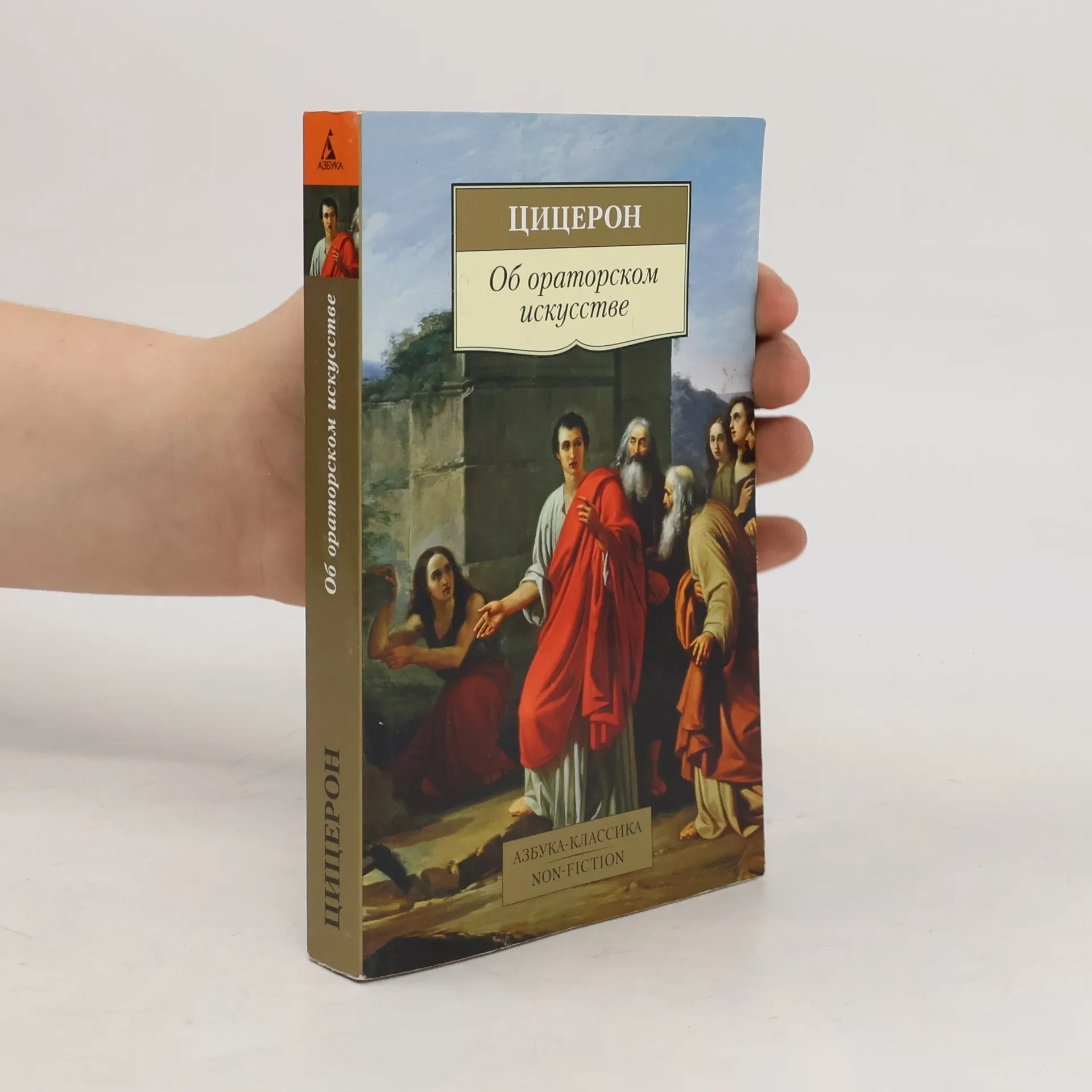
Drei Bücher vom Redner
- 292pages
- 11 heures de lecture
Das Werk bietet einen tiefen Einblick in die Redekunst der Antike und präsentiert einen Dialog zwischen Lucius Crassus und Marcus Antonius Orator, die Ciceros Lehrer waren. Es behandelt den Aufbau von Reden und stilistische Fragen, die über Jahrhunderte hinweg die Ausbildung von Rednern beeinflusst haben. Die zeitlose Relevanz der Inhalte macht es zu einem bedeutenden Werk, das auch in der modernen Rhetorik nicht an Bedeutung verloren hat.
Lälius
Lälius oder von der Freundschaft
Ein berühmter Dialog über die Freundschaft, etwa 44 Jahre vor Jesu Geburt von Ciceros Freund Pomponius Atticus gewidmet, erörtert das Wesen der Freundschaft in all seinen Facetten und bleibt auch über 2.000 Jahre später relevant und wahrheitsgemäß.
Cicero's Cato
- 98pages
- 4 heures de lecture
Cicero argumentiert leidenschaftlich, dass das Alter den Wert eines Menschen nicht mindert. Er betont, dass abnehmende Körperkraft durch wachsende Weisheit ausgeglichen wird. Sein Werk, eines der ältesten der Weltliteratur, stammt aus der Zeit von 106 bis 43 v. Chr. und bleibt zeitlos relevant.
Über das Schicksal
De fato
Ciceros Schrift, übersetzt von Dr. Georg Moser, untersucht die Frage, ob unser Lebensweg Schicksal oder eigene Steuerung ist. Dieses zeitlose Thema, das auch die moderne Hirnforschung und Philosophie beschäftigt, zählt zu den ältesten Fragen der Menschheit.
Výbor z korespondence. II
- 496pages
- 18 heures de lecture
Druhý díl dvousvazkového výboru z rozsáhlé korespondence významného římského státníka, řečníka a filozofa Marka Tullia Cicerona, mj. s Caesarem či M. Antoniem umožňuje poznat atmosféru a poměry římského státu na sklonku republiky (65-43 př. n. l.) Dochovaná korespondence významného římského řečníka, politika, spisovatele, a v neposlední řadě vrcholného stylisty, Marka Tullia Cicerona (106–43 př. n. l. byla objevena italskými humanisty ve 14.–15. století. Obsahuje téměř 900 dopisů a coby „živá“ korespondence, neurčená primárně pro veřejnost má nesmírný historický význam. Cicero si dopisoval s množstvím předních římských osobností, které spolutvořily dějiny, příp. i kulturu posledních desetiletí římské republiky (Gneus Pompeius, Gaius Iulius Caesar či Marcus Antonius). Dopisy často velmi detailně prezentují jeho pohled na události a jednající osobnosti, živě (i humorně) vykreslují atmosféru doby, vyjadřují Ciceronovy úvahy a nálady a nabízejí zprávy o jeho rodinných poměrech i širokých kulturních zájmech. Tato korespondence je tak pro římské prostředí jedinečným zdrojem informací jak pro „velkou politiku“, tak pro drobné mezilidské vztahy. Právě díky ní je Ciceronova doba pro nás nejlépe známým obdobím celých starověkých dějin. První díl výboru obsahuje kolem 230 dopisů z let 65–50 př. n. l. (druhý obdobně rozsáhlý svazek zahrne dopisy z let 49–43 př. n. l. a vyjde pravděpodobně v roce 2020).
Akademische Abhandlungen. Lucullus
Zweisprachige Ausgabe
Die Akademischen Abhandlungen von Cicero aus 45 v. Chr. bieten eine wertvolle Quelle zur Erkenntnislehre der griechischen Philosophie und deren Übertragung ins Lateinische. Nur das zweite Buch der ersten Fassung, der Dialog Lucullus, ist vollständig erhalten und wird hier erstmals allgemein zugänglich gemacht.
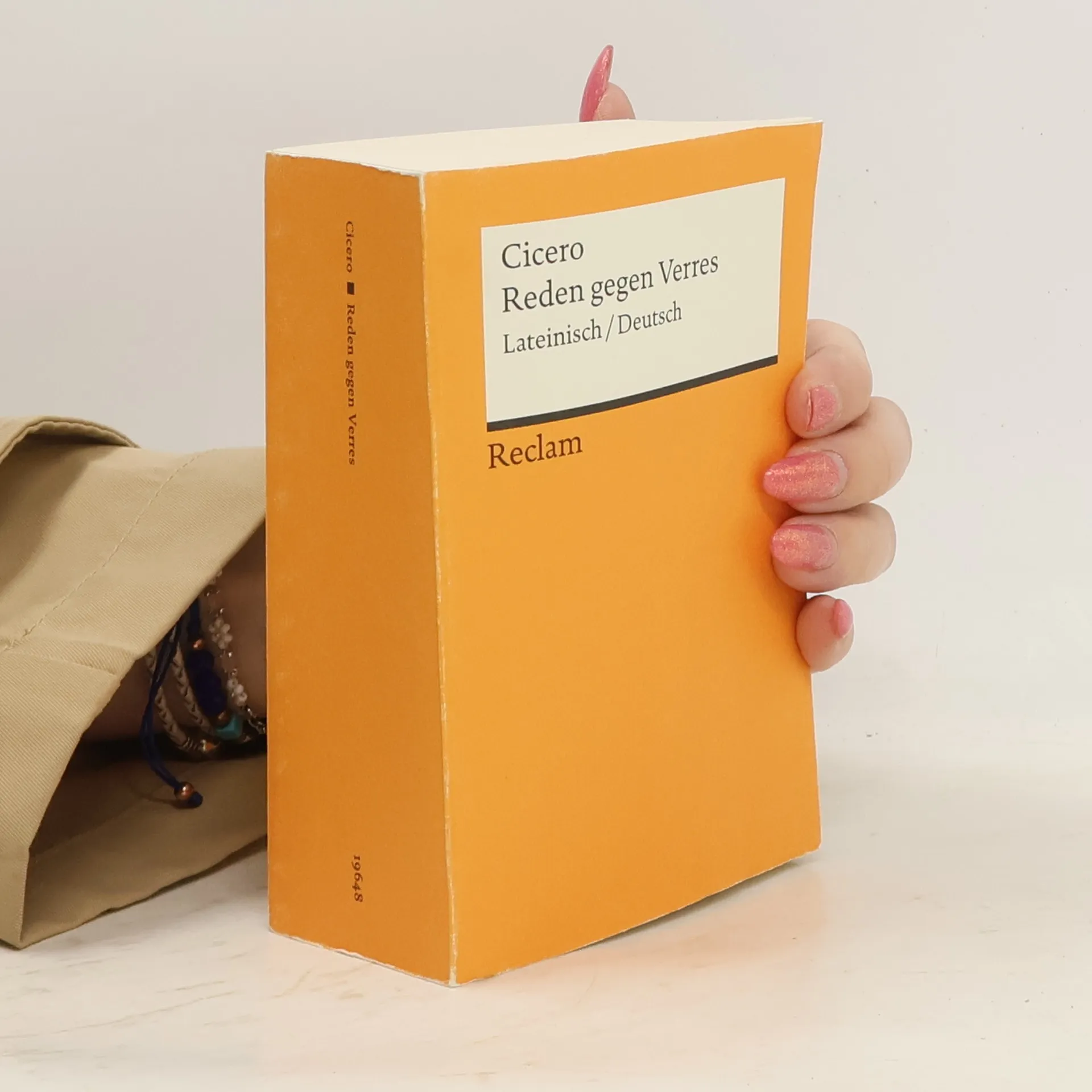
Reden gegen Verres. Gesamtausgabe
- 1206pages
- 43 heures de lecture
Es klingt nach Mafia: Ein römischer Statthalter erpresst und schikaniert die Sizilier, unterschlägt öffentliche Gelder, erhebt willkürlich Steuern. Und wer dagegen klagt, trifft auf gekaufte Richter! Drei Jahre ›verwaltete‹ Verres die Provinz Sizilien auf diese Weise. Daheim in Rom interessierten sich die Senatoren nicht für seine Machenschaften und Gewaltexzesse – Verres war schließlich einer von ihnen –, bis Cicero sich der Sache annahm. Der berühmte Prozess gegen Verres im Jahr 70 v. Chr. bedeutete seinen Durchbruch als Anwalt und ebnete ihm den Weg zum Konsulat. Gesamtausgabe: Rede gegen Q. Caecilius im Vorverfahren, Erste Rede gegen Verres, Zweite Rede gegen Verres. Mit ausführlichen Erläuterungen, Karten und Nachwort.
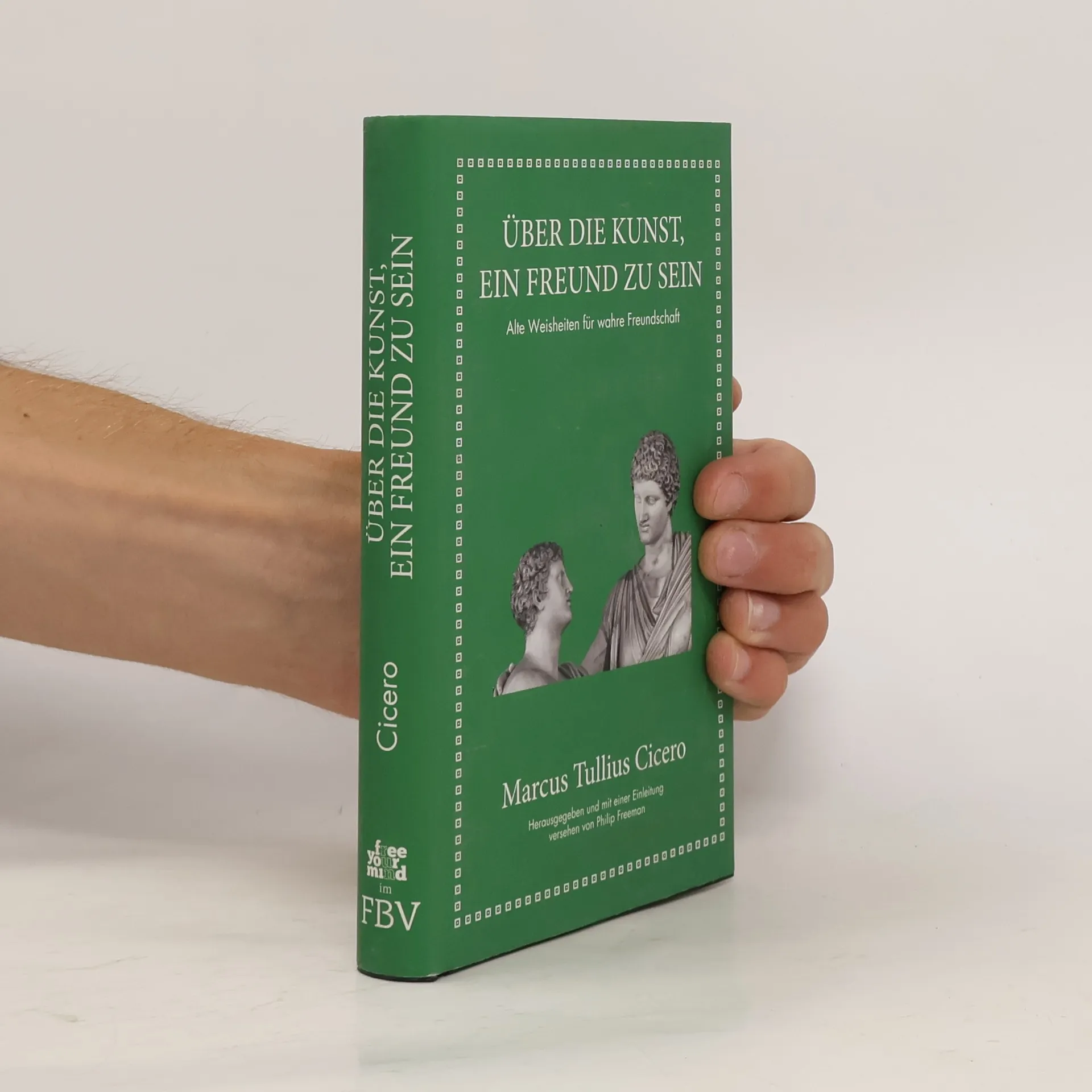
Über die Kunst ein Freund zu sein
- 200pages
- 7 heures de lecture
In Zeiten von Social Media, Online-Dating und sozialer Vereinzelung gerät die Idee wahrer, dauerhafter Freundschaft immer mehr in den Hintergrund. Gleichzeitig ist die Suche nach einem echten Freund wichtiger denn je. Dieses Büchlein ist der Klassiker zu dem Thema, es enthält grundlegende Ratschläge des berühmten römischen Politikers und Philosophen Cicero. Er zeigt mit Witz, Weisheit und Eloquenz, wie man Freunde findet, behält und wertschätzt. Ohne sie, so Cicero, ist das Leben nichts wert. Geschrieben 44 v. Chr., hat sein Werk mit dem ursprünglichen Titel De Amicitia seit mehr als zweitausend Jahren inspiriert. Die neue englische Übersetzung von Philip Freeman wird hier erstmalig auf Deutsch veröffentlicht, wobei der lateinische Text ebenfalls im Buch enthalten ist. Zudem macht die Einführung Freemans Lust auf die Lektüre.
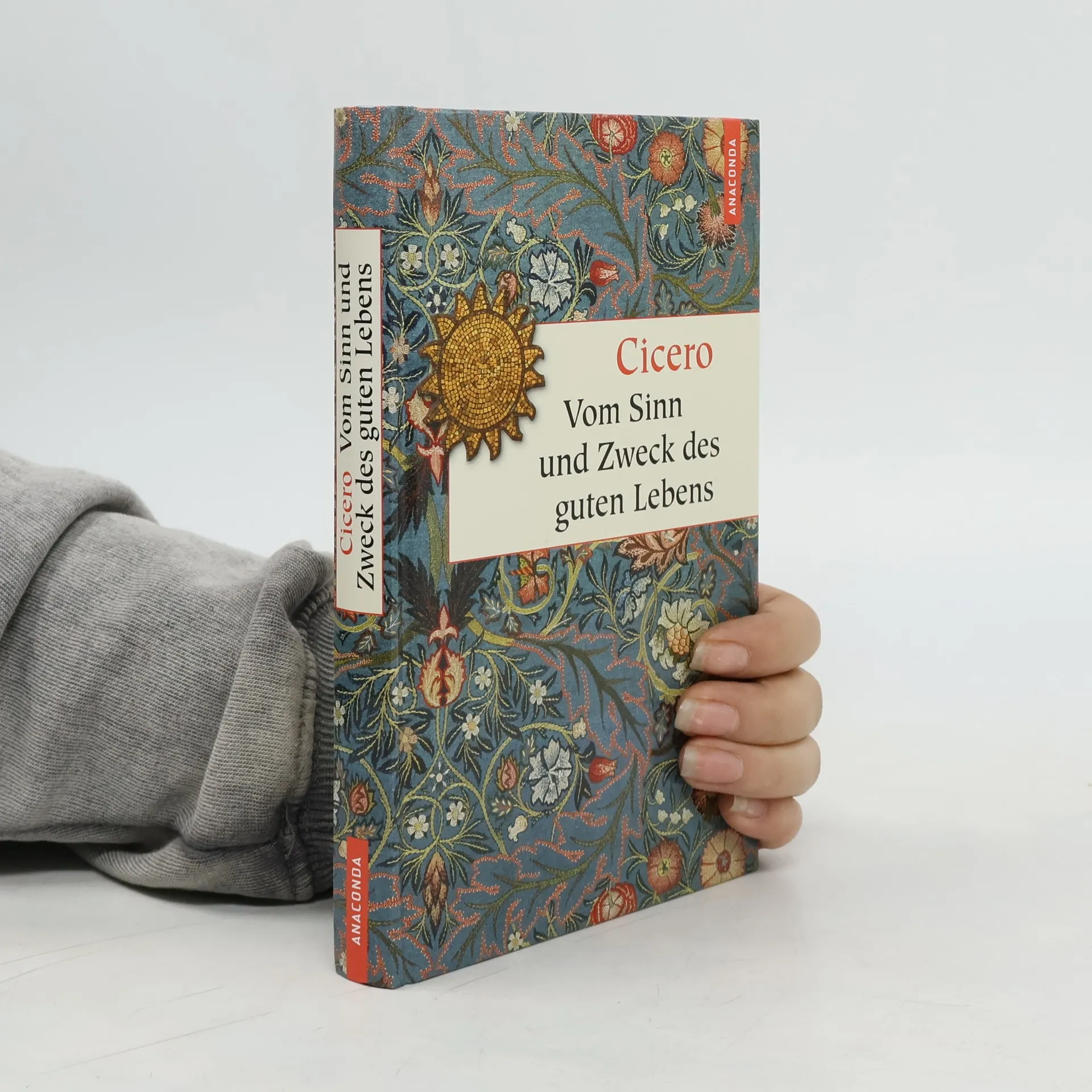
Vom Sinn und Zweck des guten Lebens
- 160pages
- 6 heures de lecture
Glücklich zu leben hat jeder selbst in der Hand, meinte Marcus Tullius Cicero, der römische Politiker, Rhetor und Philosoph. Und widmete sich immer wieder der Kernfrage unserer Existenz: Was ist die Natur des Menschen und wodurch erhält ein Leben Sinn und Wert? Seine Gedanken kreisen um die innere Freiheit, die Bedeutung sittlicher Normen, den Wert der Freundschaft, um Humanität, Schicksal und Schmerz. Diese Auswahl aus Ciceros Briefen und philosophischen Werken fügt sich zu einer Anleitung zum guten und gelingenden Leben.
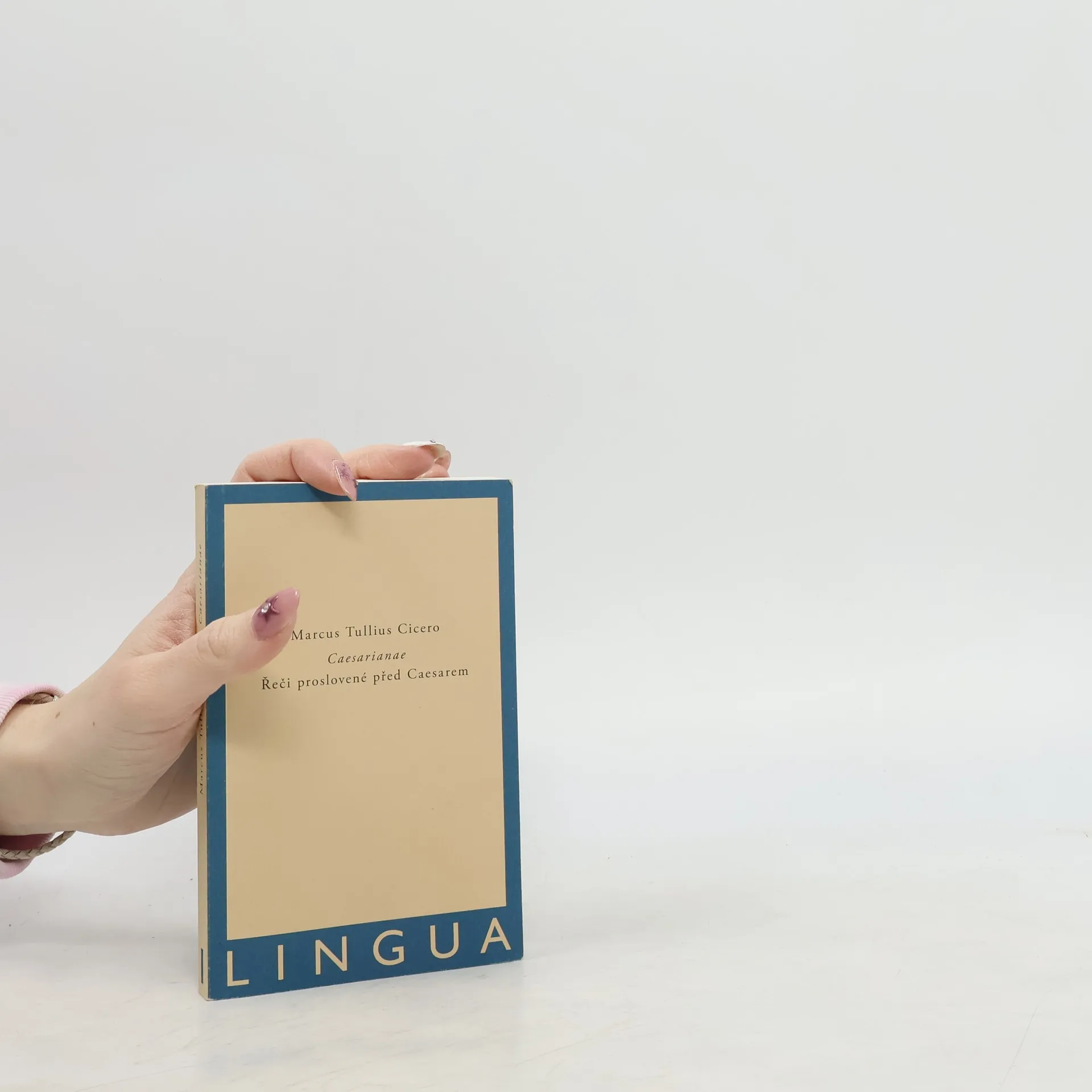
Soubor Caesarianae přináší tři pozoruhodné řeči, které Cicero přednesl před vítězem občanské války, samotným Gaiem Iuliem Caesarem, a ve kterých ho žádá o milost pro ty, kdo stáli – tak jako řečník sám – na straně poražených. Kniha je v českém a latinském jazyce.
Exploring the philosophy of Epicureanism, this collection features six essential works that delve into the pursuit of pleasure, the nature of the universe, and the contrast between Stoicism and Epicurean thought. Key texts include Epicurus's letters and doctrines, Cicero's examination of good and evil, Lucretius's insights on nature, and essays by Temple and Hicks that further illuminate Epicurean beliefs. Together, these writings provide a comprehensive understanding of Epicurean philosophy and its significance in the broader context of ancient thought.
論義務 / De Officiis
- 288pages
- 11 heures de lecture
合宜的,有德性的行為,一直是哲學家共同探究的倫理議題。西塞羅將有應性的行為稱為「義務」——位智者不僅具備追求哲學真理的能力,也會在日常生活中展現洞察先機的特質。無論哲學思維及默觀其想都必須以對實際生活有利為依歸。因此,他以三大卷說明「何為德性行為及其源頭」、「有效益的行為是否可與性分離」,以及「有效益之事與進行之間的衝突」,其深刻的表述,對不同世代的哲學思想家,發揮了極大的影響力。這部西塞羅生前的最後一部哲學著作,原為寫給兒子的一封信,但其中論述精關的倫理價值觀與政治學概念,實為西塞羅傳給後世的一份最珍貴的禮物,在今日衝突仍的政治社會現象中,這部經典著作中課本的問世,無疑能帶給我們在行為,這德以及政治上,更多啟發。
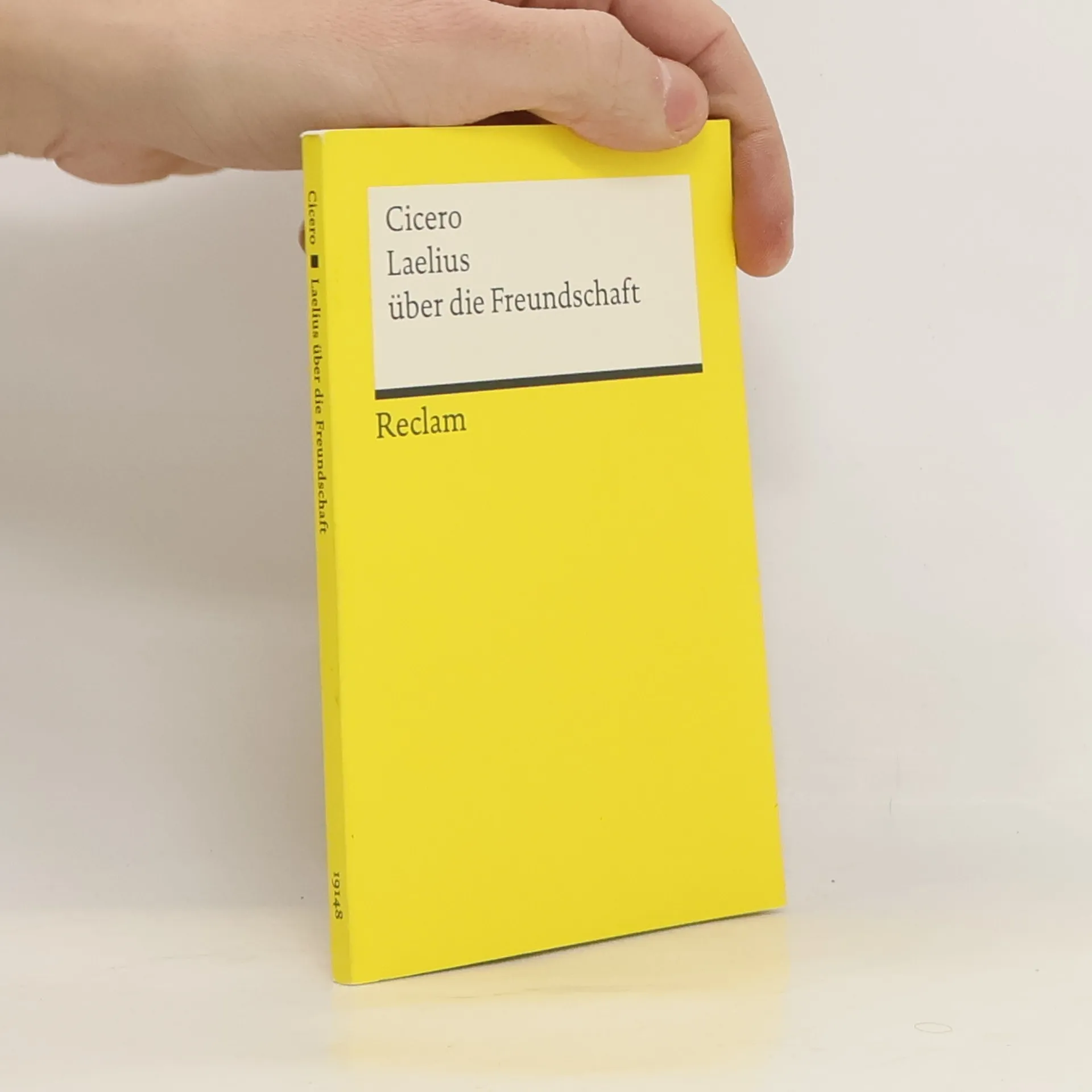
»Der nimmt doch wohl die Sonne aus der Welt, der die Freundschaft aus dem Leben nimmt« – so Laelius. Ausgehend von der Frage, wie dieser denn den Tod seines guten Freundes Scipio Africanus ertrage, entwickelt Cicero einen lebendigen Dialog darüber, was wahre Freundschaft ausmacht, einen echten Freund auszeichnet. Das im Jahr vor seinem Tod verfasste Werk ›Laelius de amicitia‹ / ›Laelius über die Freundschaft‹ hat Cicero – dem Thema angemessen – seinem eigenen guten Freund Atticus gewidmet.
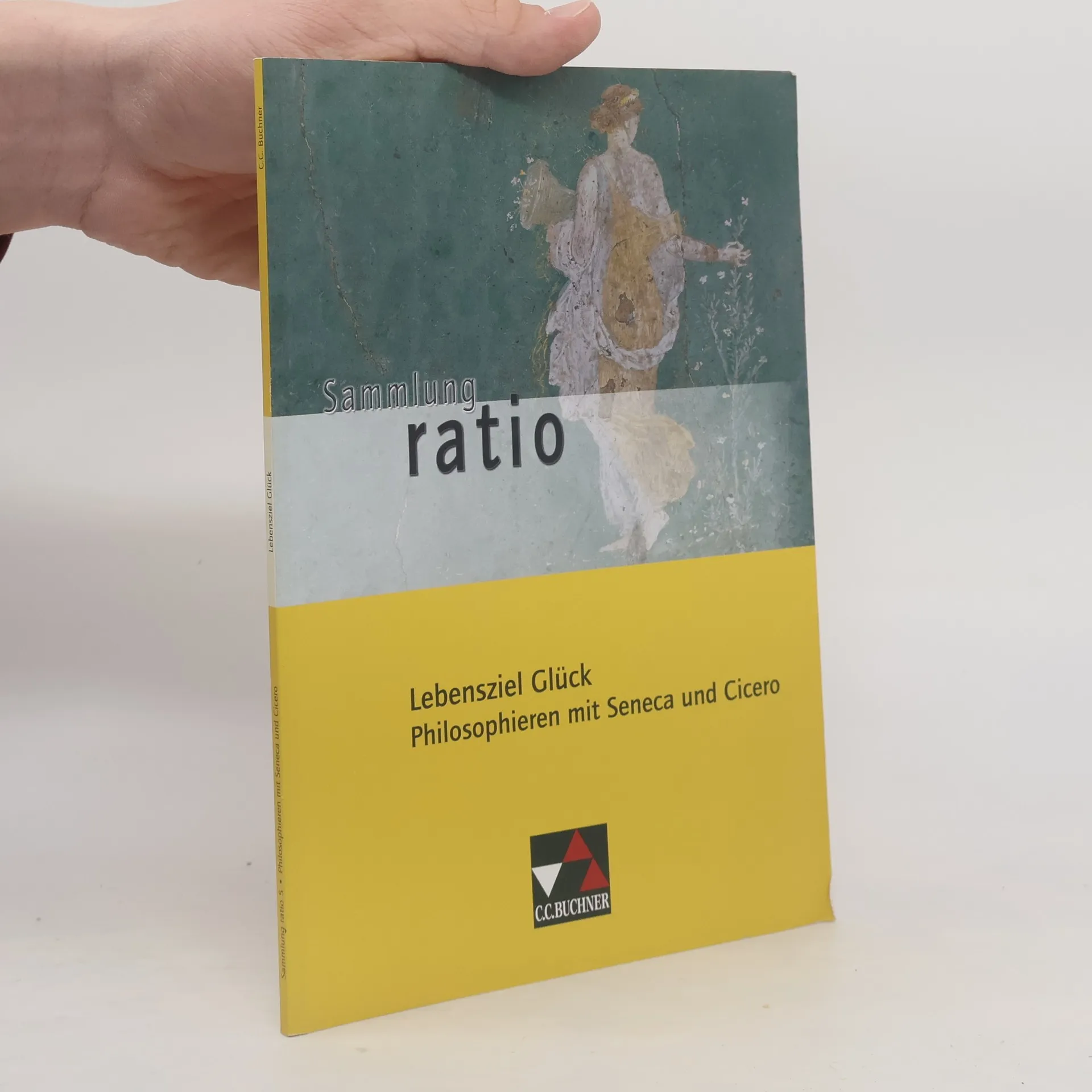
Lebensziel Glück
- 96pages
- 4 heures de lecture
Als der römische Philosoph Cicero seine Schrift »Cato über das Alter« verfasste, war er selbst schon über 60 Jahre alt – für damalige Verhältnisse ein Greis. Er wusste also, wovon er schrieb, wenn er hier den ›Musterrömer‹ Cato darlegen lässt, warum man die späten Jahre nicht schlechtreden darf. Denn Verdrießlichkeit und Todesfurcht sind Fehler des Charakters, nicht des Alters!
On Living and Dying Well
- 215pages
- 8 heures de lecture
Philosophical writings on “the good life” by the great Roman orator, in a vital new translation In the first century BC, Marcus Tullius Cicero, Roman orator, statesman, and defender of republican values, created these philosophical treatises on such diverse and trenchant topics as friendship, religion, death, fate, and scientific inquiry. This lucid and lively new translation renders the great Roman’s writings accessible to modern readers as never before. Cicero was a pragmatist at heart, but his philosophies were frequently personal and ethical, drawn not from abstract reasoning but from careful observation of the world. The resulting work reminds us of the importance of social ties, the question of free will, and the justification of creative endeavor. For more than seventy years, Penguin has been the leading publisher of classic literature in the English-speaking world. With more than 1,700 titles, Penguin Classics represents a global bookshelf of the best works throughout history and across genres and disciplines. Readers trust the series to provide authoritative texts enhanced by introductions and notes by distinguished scholars and contemporary authors, as well as up-to-date translations by award-winning translators.
Orakelkunst und Vorhersage
- 216pages
- 8 heures de lecture
Wie sieht unsere Zukunft aus? Manche Menschen befragen Astrologen oder Tarotkarten, andere schenken nur wissenschaftlichen Prognosen Glauben. Im religi�s gepr�gten Alltag der Antike war beides seri�s. Es gab viele M�glichkeiten, in die Zukunft zu Orakel, Losverfahren, Prophezeiung, ekstatisches Sehertum, Traumdeutung usw. Dar�ber f�hrt Cicero ein Gespr�ch mit seinem Bruder Quintus. W�hrend Quintus �berzeugt ist, die G�tter erm�glichten den Menschen, die Zukunft aus Zeichen zu deuten, �u�ert Cicero Vorbehalte gegen Praktiken wie Losverfahren oder ekstatisches Sehertum, die wir heute als Aberglauben werten.
Selected for its cultural significance, this reproduction preserves the original artifact's integrity, including copyright references and library stamps. It serves as a valuable contribution to the knowledge base of civilization, providing readers with an authentic glimpse into historical works housed in major libraries worldwide.
TREDITION CLASSICS: Paradoxe der Stoiker
- 60pages
- 3 heures de lecture
Dieses Werk ist Teil der Buchreihe TREDITION CLASSICS. Der Verlag tredition aus Hamburg veröffentlicht in der Buchreihe TREDITION CLASSICS Werke aus mehr als zwei Jahrtausenden. Diese waren zu einem Großteil vergriffen oder nur noch antiquarisch erhältlich. Mit der Buchreihe TREDITION CLASSICS verfolgt tredition das Ziel, tausende Klassiker der Weltliteratur verschiedener Sprachen wieder als gedruckte Bücher zu verlegen - und das weltweit! Die Buchreihe dient zur Bewahrung der Literatur und Förderung der Kultur. Sie trägt so dazu bei, dass viele tausend Werke nicht in Vergessenheit geraten.
Political speeches
- 345pages
- 13 heures de lecture
Cicero (106-43 BC) was the greatest orator of the ancient world and a leading politician of the closing era of the Roman republic. This book presents nine speeches which reflect the development, variety, and drama of his political career. These new translations achieve new standards of accuracy.
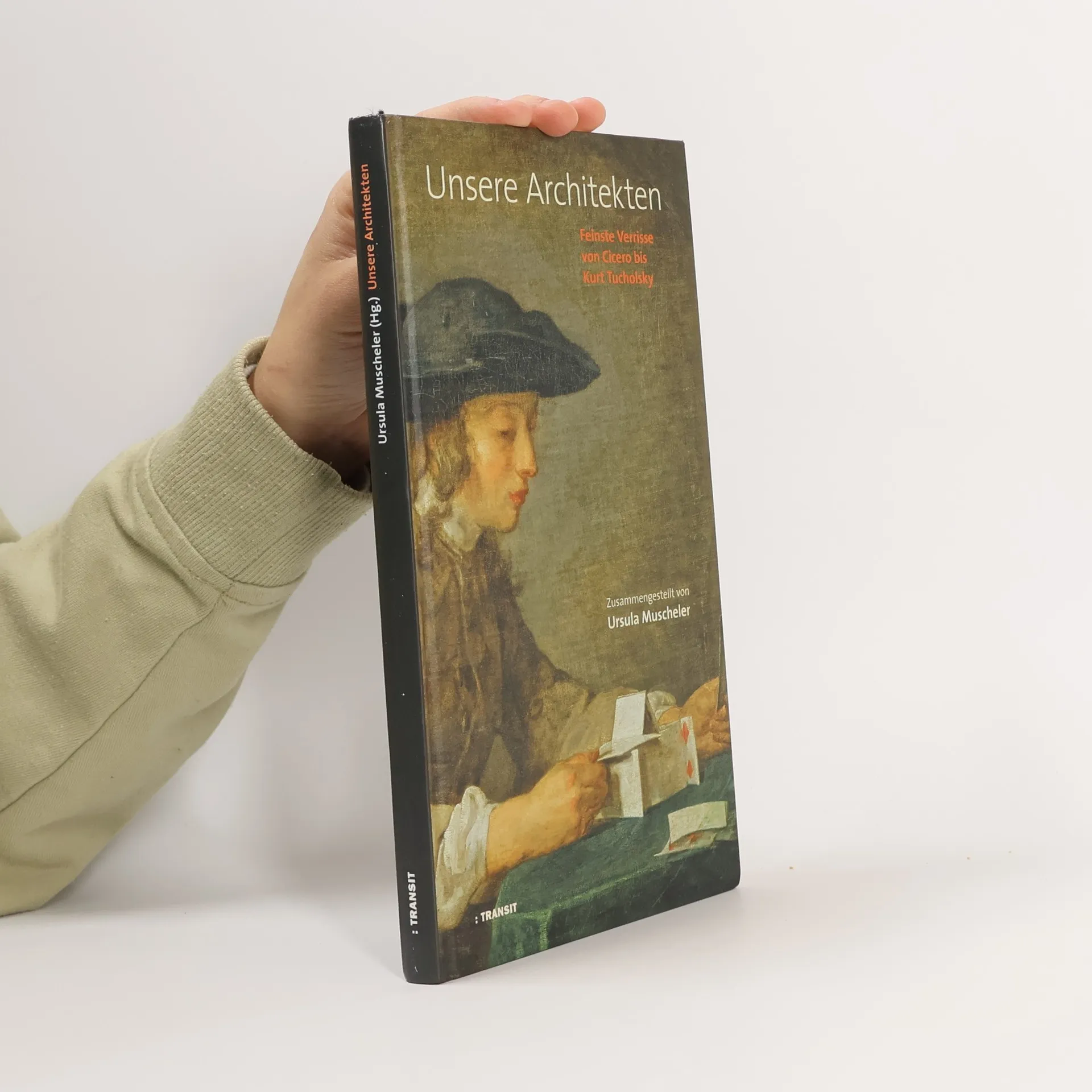
Kaum ein Beruf ist öffentlicher Kritik so vehement ausgesetzt wie der des Architekten – vergleichbar nur noch mit dem des Fußballers, der sich Woche für Woche Millionen von Experten stellen muss. Jeder von ihnen weiß besser, wie ein Haus auszusehen hat, lässt sich gern über missratene Fassaden aus und bedauert die armen Teufel, die in Architektenhäusern leben müssen. Wie in Fußballarenen wird manchmal auch im Chor gepfiffen, wenn schlechte Darbietung die Volksseele beleidigt. Weniger im Chor, vielmehr als Solisten haben Vertreter einer anderen Zunft, der Literatur, die Architekten und ihre Bauten immer wieder heftig kritisiert. Nicht, dass sie mehr von der Architektur verstünden als andere, aber ihre Wehklagen oder Zornesausbrüche über architektonische Unfälle sind gekonnter formuliert und deswegen unterhaltsamer – ein Muss auch für Architekten, die mit der Lektüre ihre Affinität zur Literatur selbstironisch unter Beweis stellen können und wissen: Egal, was gesagt wird, Hauptsache, es wird über einen geredet.
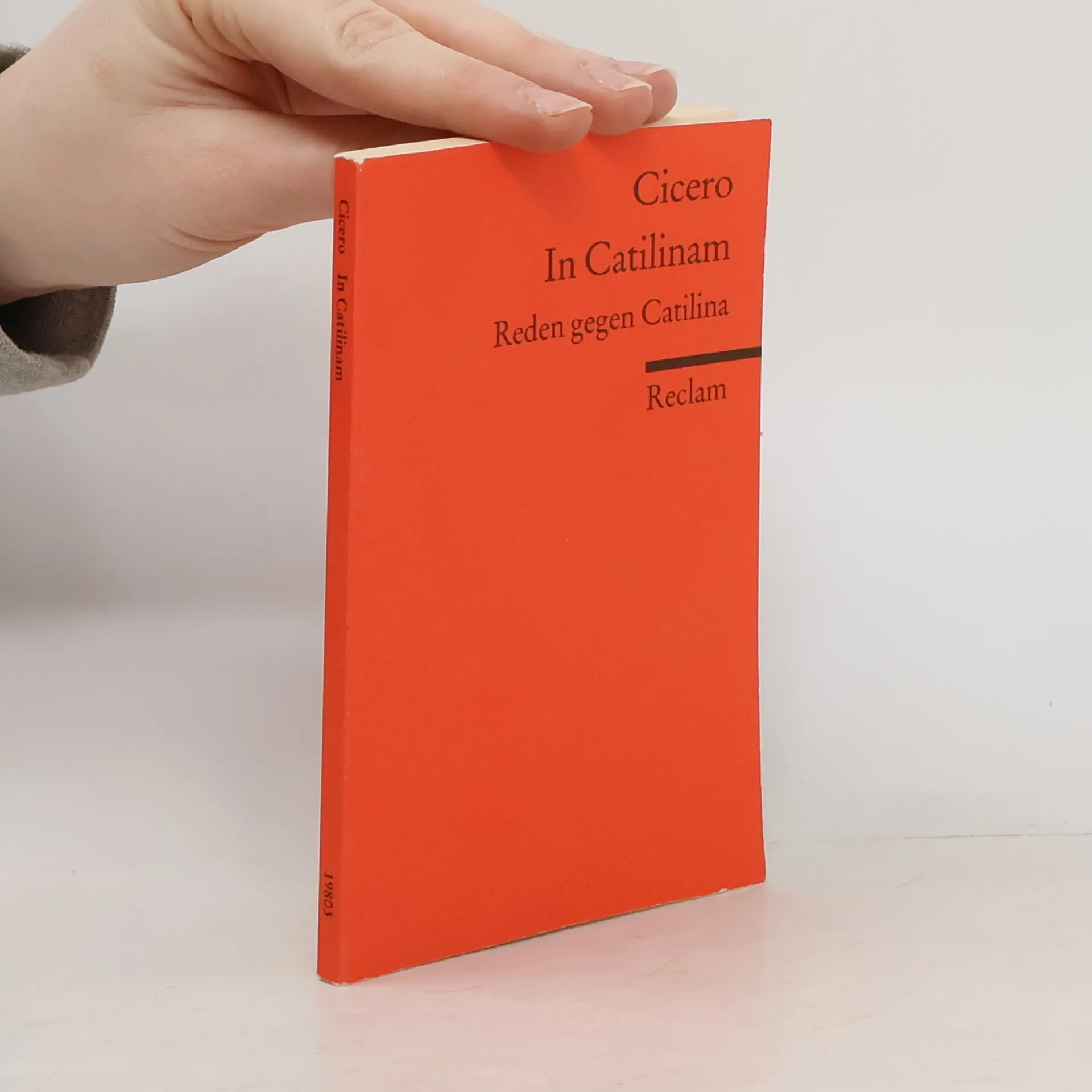
In seinen vier flammenden Reden gegen Catilina nimmt der amtierende Konsul Cicero im Jahre 63 v. Chr. den Kampf gegen den drohenden Sturz der ›res publica‹ auf. Lebhaft reflektieren die Reden das politische Drama, in dessen Verlauf der Putsch vereitelt und die Catilinarier schließlich in einem Schnellverfahren hingerichtet wurden. Ungekürzte und unbearbeitete Textausgabe in der Originalsprache, mit Übersetzungen schwieriger Wörter am Fuß jeder Seite, Nachwort und Literaturhinweisen.
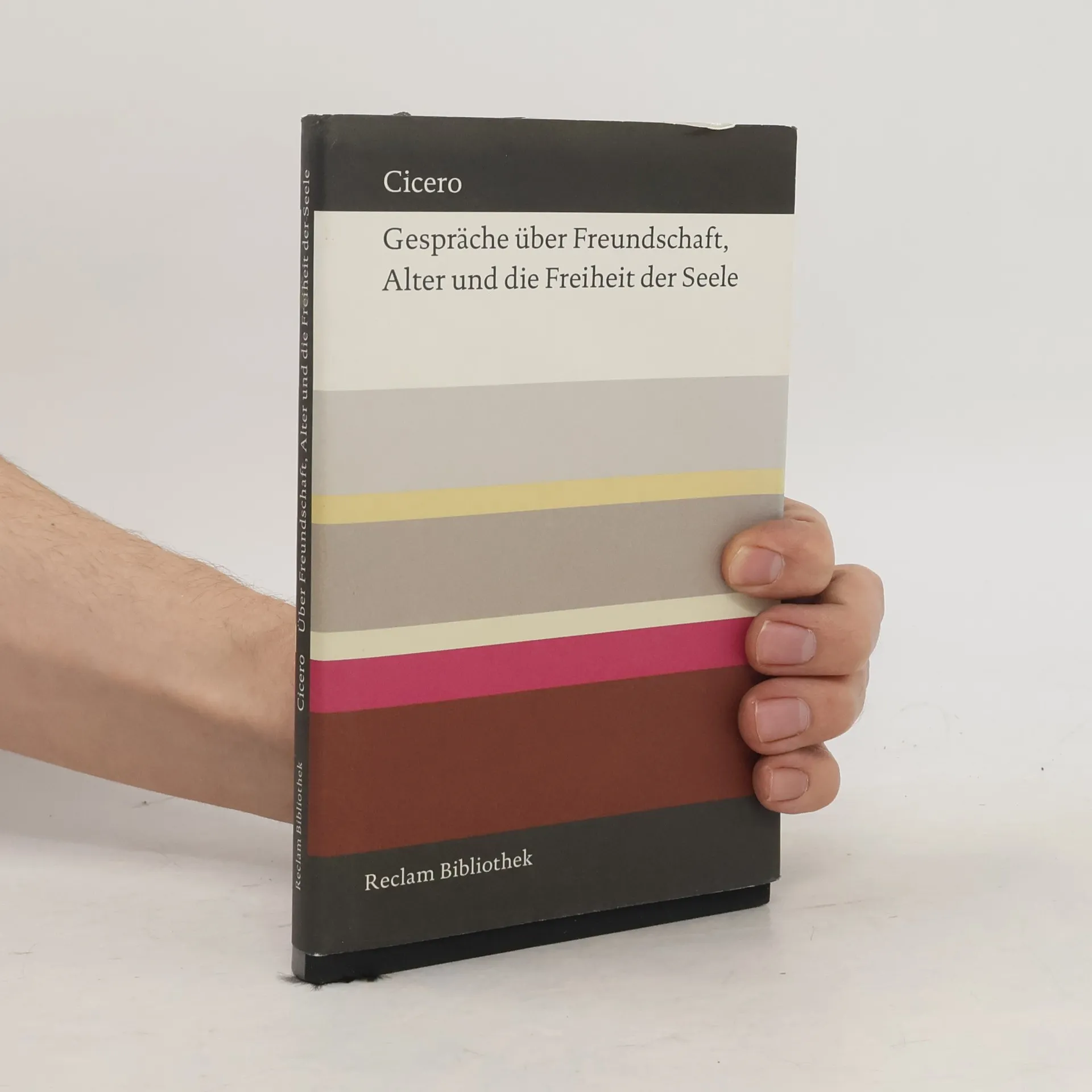
Reclam Bibliothek: Gespräche über Freundschaft, Alter und die Freiheit der Seele
- 188pages
- 7 heures de lecture
Der Denker und Staatsmann Cicero hat sich in verschiedenen Schriften mit Fragen des menschlichen Lebens auseinandergesetzt, die auch 2000 Jahre später noch jeden betreffen: In seinem Dialog ›Laelius‹ erörtert er, was eine rechte Freundschaft ausmacht; im ›Cato‹ wird dargelegt, dass man sich vor dem Alter nicht zu fürchten braucht; und im ›Traum des Scipio‹ (einem Ausschnitt aus Ciceros Werk ›Über den Staat‹) wird ein Ausblick auf die menschliche Existenz jenseits des irdischen Lebens eröffnet.
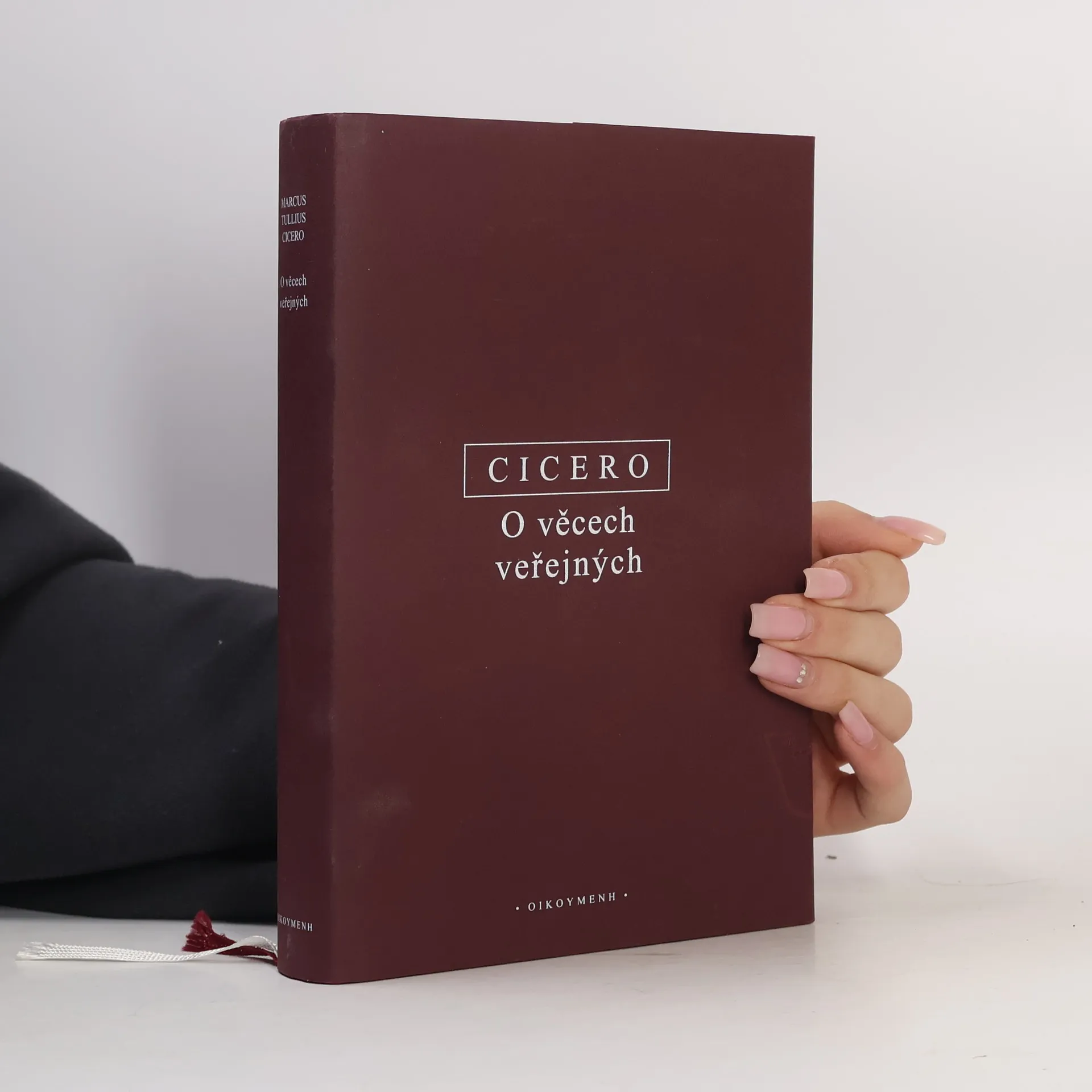
O věcech veřejných
- 435pages
- 16 heures de lecture
První český překlad významného díla politické filosofie v zrcadlovém česko-latinském vydání. Cicero se v tomto dialogu inspirovaném Platónovou Politeiou zabývá vztahem politické teorie a praxe. V prvních dvou knihách podává výklad smíšeného zřízení, ve druhých dvou se zabývá významem spravedlnosti pro stát, v poslední, šesté knize nás seznamuje se Scipionovým snem. Přeložil J. Janoušek, poznámkami opatřili A. Havlíček a H. Dohnálková.
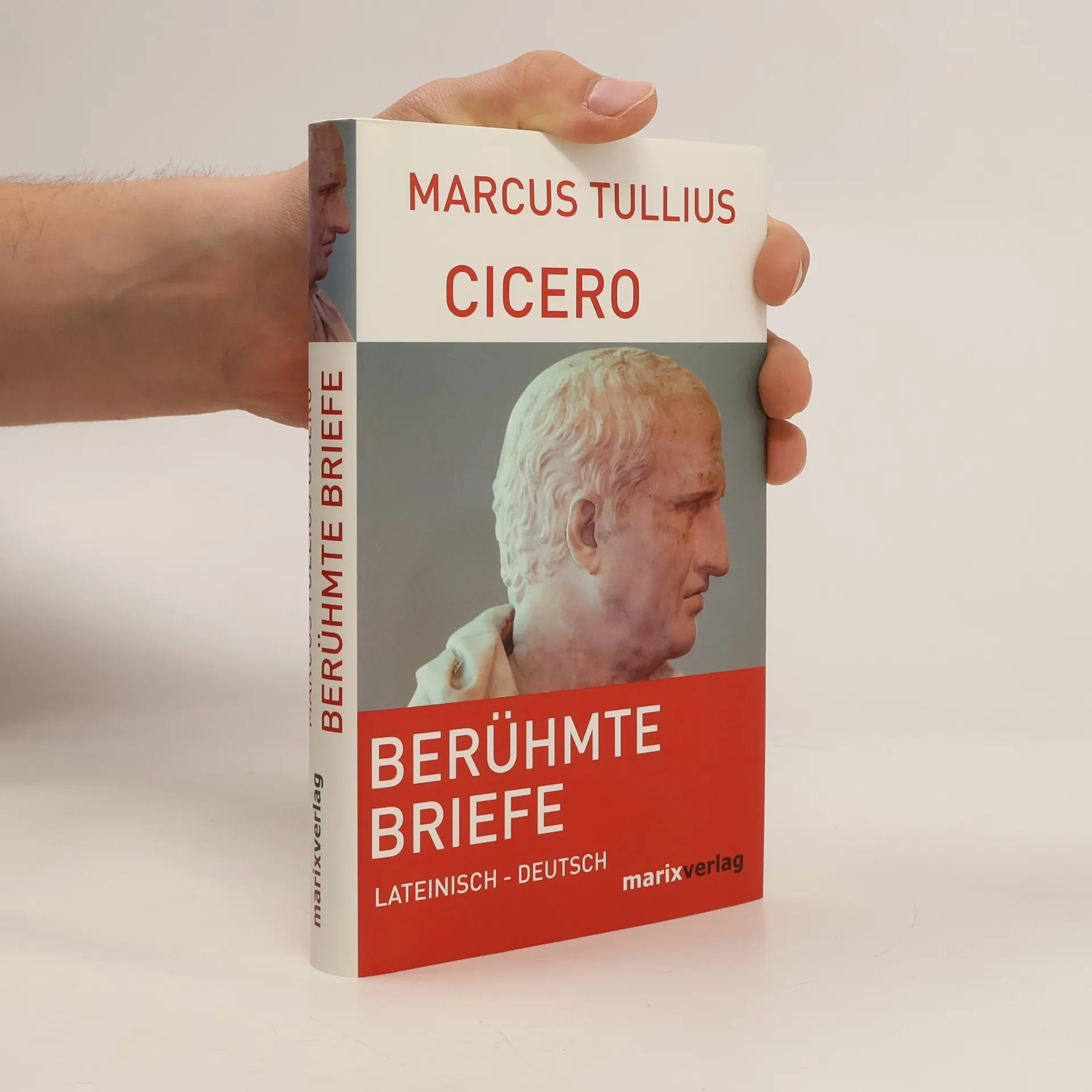
Berühmte Briefe
- 256pages
- 9 heures de lecture
Von Marcus Tullius Cicero, einem der bedeutendsten lateinischen Prosaschriftsteller, sind außer den Reden, den rhetorischen und den philosophischen Schriften auch über 900 Briefe erhalten, die Ciceros Sekretär Tiro gesammelt und überliefert hat. Lange Zeit vermisst, wurden sie im 14. Jahrhundert von dem italienischen Humanisten Francesco Petrarca wieder entdeckt. Dieses Briefcorpus wurde in vier Schriften eingeteilt: Briefe an den Verleger Atticus in 16 Büchern, an den Bruder Quintus in 3 Büchern, an den Freund Brutus in 2 Büchern und an weitere nahe stehende Personen in 16 Büchern. Die Briefe weisen zwar dieselbe schöne Sprache auf wie Ciceros übrige Werke, doch zeigen sie, da es sich um echte Gebrauchsbriefe, nicht um geschönte Fassungen oder Kunstbriefe handelt, auch die menschliche, unvollkommene Seite des Staatsmannes, der als homo novus (politischer Aufsteiger, der nicht aus einer Senatorenfamilie stammte) alle römischen Staatsämter suo anno, d. h. sofort mit Erreichung des Mindestalters, ausübte. Dies gilt insbesondere für die Briefe aus dem Exil und die Briefe an seine Ehefrau Terentia und die gemeinsamen Kinder, die in der vorliegenden Auswahl chronologisch und mit einer Einleitung sowie Erläuterungen zum Verständnis dargeboten werden.
Scipionův sen
- 71pages
- 3 heures de lecture
Philippika
- 64pages
- 3 heures de lecture
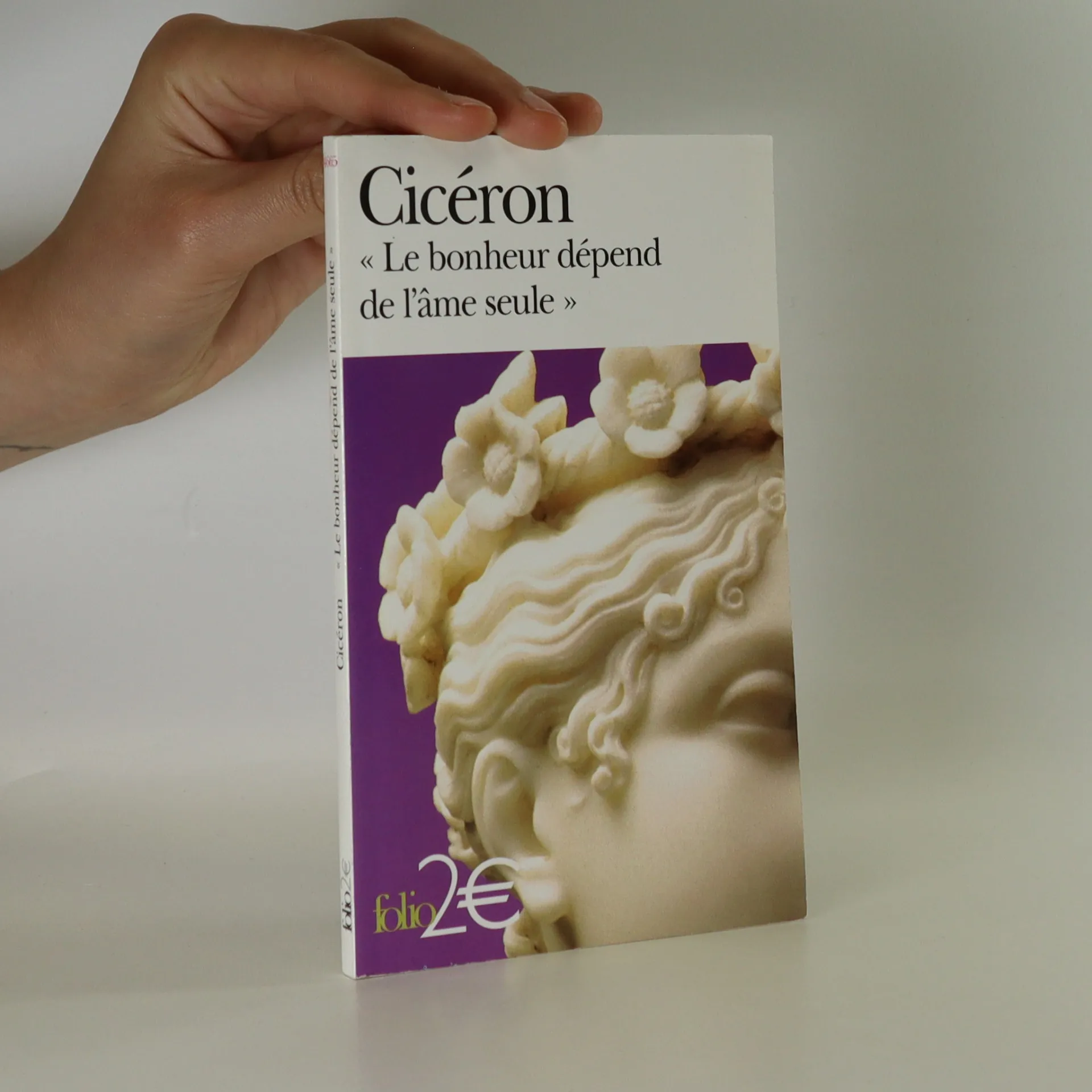
"Dans la vie, il faut, je crois, observer la loi qui est gardée dans les festins des Grecs : "Qu'il boive ou qu'il s'en aille !" C'est raisonnable : que l'on jouisse comme les autres et avec eux du plaisir de boire ; ou bien que l'homme sobre ne se heurte pas à la violence des ivrognes et qu'il s'en aille d'abord ; de même quitte, en prenant la fuite, les injustices du sort si tu ne peux les supporter." Avec clarté et pragmatisme, Cicéron se propose de nous guider sur les chemins de la sagesse et du bonheur.
La saggezza
- 70pages
- 3 heures de lecture
Orator
Cicero – zweisprachige Ausgabe; Literatur für den Latein-Unterricht
- 239pages
- 9 heures de lecture
Ciceros Alterswerk über die Rhetorik zeichnet das Bild des idealen Redners, dessen universale Bildung vorausgesetzt wird: Im rhetorischen Streit der Attizisten und Asianer bezieht „Roms größter Redner“ Position für Erstere und betont die vorrangige Bedeutung des sprachlichen Ausdrucks in seiner ganzen Fülle.
Scripta Latina: Rhetorik in Rom. Textausgabe.
- 95pages
- 4 heures de lecture
Cicero: myšlienky, citáty
- 170pages
- 6 heures de lecture
The third and fourth books of Cicero's Tusculan Disputations deal with the nature and management of human first grief, then the emotions in general. In lively and accessible style, Cicero presents the insights of Greek philosophers on the subject, reporting the views of Epicureans and Peripatetics and giving a detailed account of the Stoic position, which he himself favors for its close reasoning and moral earnestness. Both the specialist and the general reader will be fascinated by the Stoics' analysis of the causes of grief, their classification of emotions by genus and species, their lists of oddly named character flaws, and by the philosophical debate that develops over the utility of anger in politics and war.Margaret Graver's elegant and idiomatic translation makes Cicero's work accessible not just to classicists but to anyone interested in ancient philosophy and psychotherapy or in the philosophy of emotion. The accompanying commentary explains the philosophical concepts discussed in the text and supplies many helpful parallels from Greek sources.
This anthology is designed to meet the needs of Latin students today, acknowledging present constraints on their study-time. It adopts the authors' approach of their "Ecce Romani" series. To enable students to read Latin reasonably quickly, generous assistance is given with vocabulary and explanatory notes placed next to the Latin text. The meaning of difficult sentences and phrases is usually explained by literal translation rather than complex grammatical explanation, though reference is frequently made to the authors' modern grammar book "The Latin Language". An 'overview' technique helps students unravel complex sentences. Extracts are drawn from Cicero's speeches, letters and philosophical writings, thus illustrating his mastery of styles. They are also chosen to provide an interesting contemporary view of a highly significant phase of Roman history, and linked by simple historical background notes. 'Points for Discussion' highlight stylistic features, showing how Cicero's thinking on moral and social issues remains relevant to modern times.
Cicero: Philosoph, Anwalt, Politiker - 5-bändige Kassette zum Sonderpreis - Das Wichtigste aus seinem gesamten literarischen Schaffen - Ausgezeichnet von der Deutschen Akademie für Sprache und Dichtung Indem er das Denken der großen griechischen Philosophenschulen, der Akademie, der Stoa und der Epikureer, seinen LandSleuten nahezubringen versuchte, wurde Cicero zum Sprachschöpfer. Die lateinische Terminologie, die er prägte, wurde verbindlich für die Philosophie der Spätantike, des Mittelalters und der Neuzeit. Seine Reden als Anwalt wie als Politiker gelten als Musterbeispiele des lateinischen Klassizismus; als Theoretiker der Rhetorik forderte er eine enge Verbindung von sapientia (Weisheit) und eloquentia (Beredsamkeit), wobei es zweckmäßig sei, den Stil gemäß den Argumenten und Anschauungen zu variieren. Die Briefe Ciceros geben nicht nur einen Einblick in die politische Situation gegen Ende der Römischen Republik. Sie zeichnen überdies ein plastisches Bild des Menschen Cicero Cicero, Ausgewählte Werke mit all seinen Stärken und Schwächen. Band 1: Philosophische Schriften Band 2: Prozessreden Band 3: Politische Reden Band 4: Über den Redner Band 5: Briefe Format 10,7 x 17,3 cm. 5 Bände gebunden mit Schutzumschlag im Schuber.
Cicero-Reden 2
- 95pages
- 4 heures de lecture
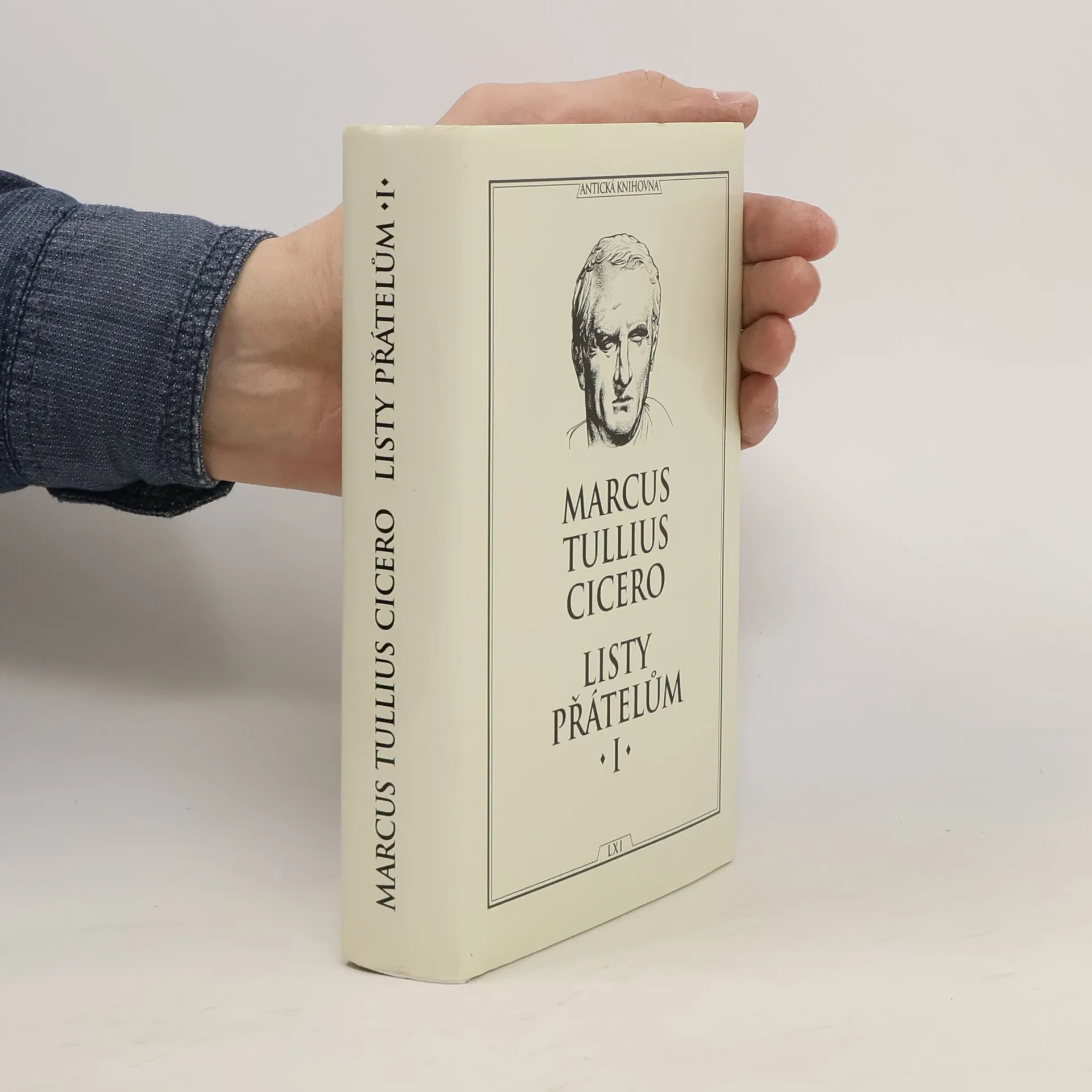
Listy přátelům I.
- 565pages
- 20 heures de lecture
Z původního nesčíslného množství Ciceronových dopisů se v úplnosti dochovalo 864 listů, které jsou rozděleny podle adresátů do 4 sbírek: Listy přátelům, Listy Attikovi, Listy bratru Quintovi a Listy M. Brutovi. Znalec a zasvěcený interpret Ciceronova díla, doc. PhDr. Václav Marek, Csc z Filozofické fakulty Univerzity Karlovy, připravil pro Antickou knihovnu dvousvazkový výbor nejvýznamnějších a nejzajímavějších dopisů, které uspořádal v časovém sledu jejich vzniku. První svazek obsahuje listy z let 68 – 50 a zachycuje etapu Ciceronova politického a literárního zrání....
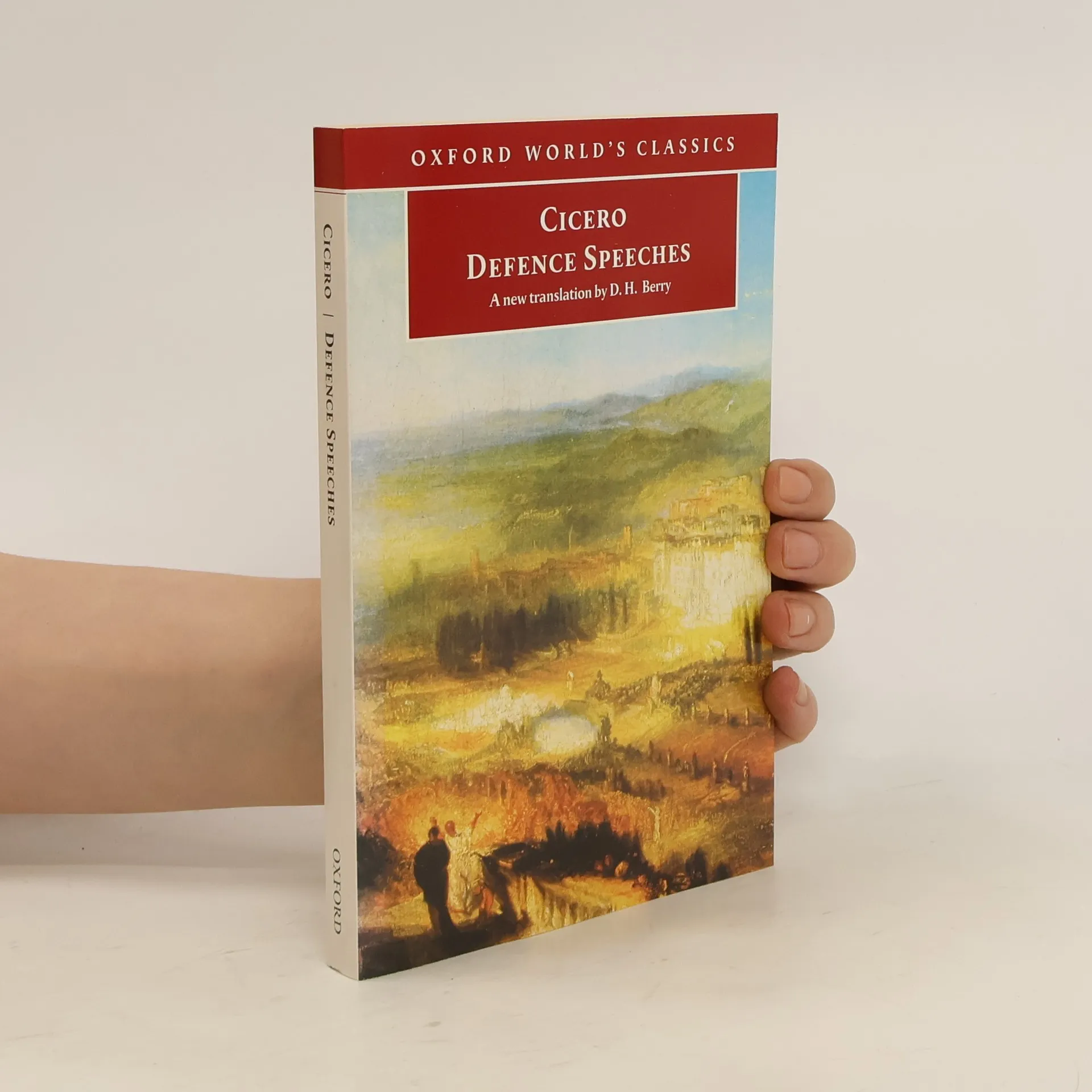
'But I must stop now, I can no longer speak for tears--and my client has ordered that tears are not to be used in his defence.'Cicero (106-43 BC) was the greatest orator of the ancient world: he dominated the Roman courts, usually appearing for the defence. His speeches are masterpieces of persuasion: compellingly written, and sometimes hilariously funny. This book presents five of his most famous defences: of Roscius, falsely accused of murdering his father; of the consul-elect Murena, accused of electoral bribery; of the poet Archias, on a citizenship charge; of Caelius, ex-lover of Clodia Metelli, on charges of violence; and of Milo, for murdering Cicero's hated enemy Clodius. Cicero's clients were rarely whiter-than-white, but so seductive is his oratory that the reader cannot help taking his side. In these speeches we are plunged into some of the most exciting courtroom dramas of all time.These new translations preserve Cicero's literary artistry and emotional force, and achieve new standards of accuracy. Each speech has its own introduction discusses Cicero's public career and the criminal courts. The substantial explanatory notes guide the reader through the speeches, and offer new scholarship presented in a clear way.
Myšlenky
- 335pages
- 12 heures de lecture
Dva tisíce let platné výrobky o základních hodnotách lidského života - o morálce, smyslu pro povinnost, spravedlnost a toleranci.
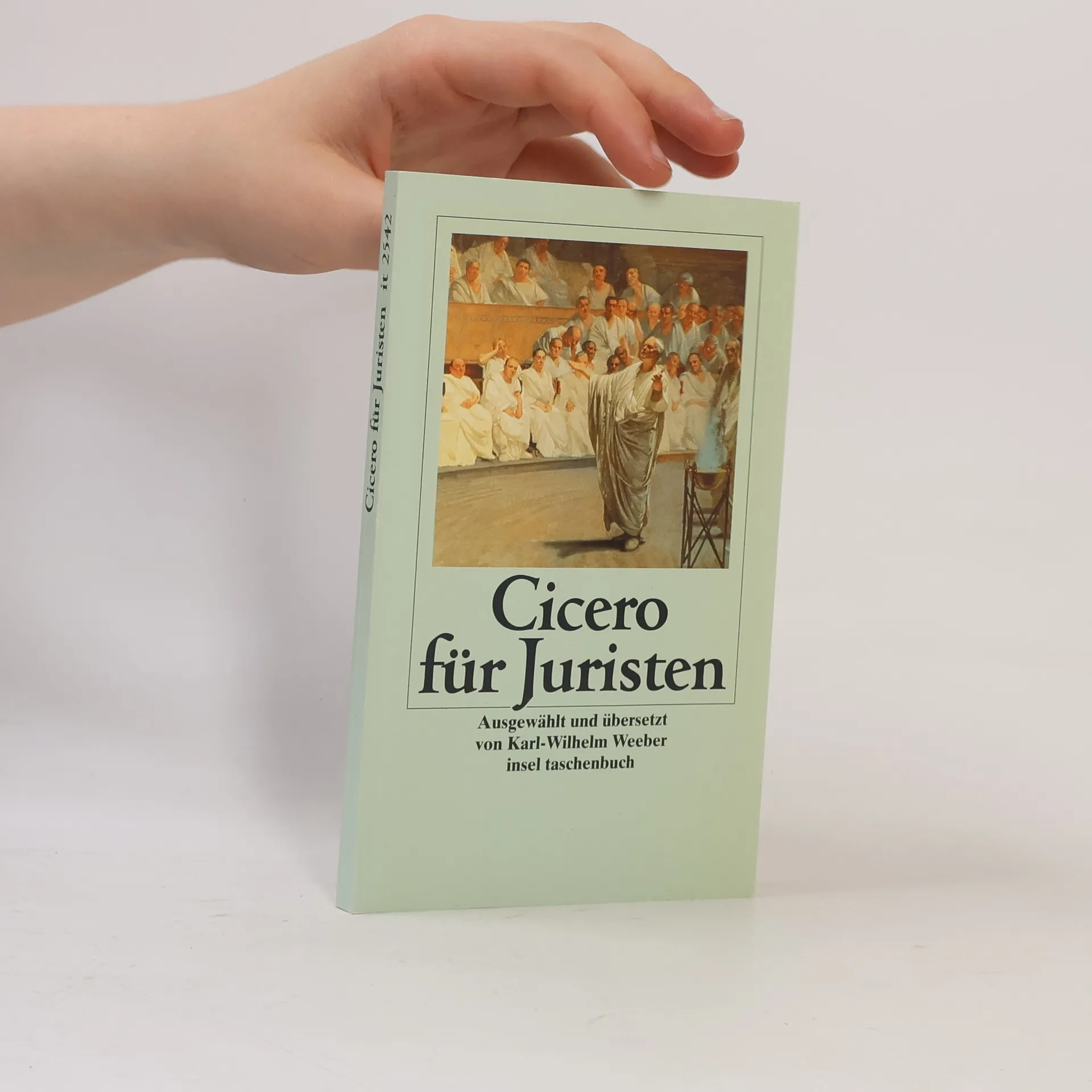
Insel Taschenbuch: Cicero für Juristen
- 169pages
- 6 heures de lecture
La retorica a Gaio Erennio
- 640pages
- 23 heures de lecture
Famoso compendio dell'arte oratoria, apprezzato per la sua essenzialità e chiarezza, La Retorica a Gaio Erennio , attribuito a Cicerone, si distingue anche per la sua originalità espositiva e per le sue ampie prospettive, che si possono interpretare come un invito ad andare oltre l'attività politica e forense alla ricerca di una dimensione filosofica.
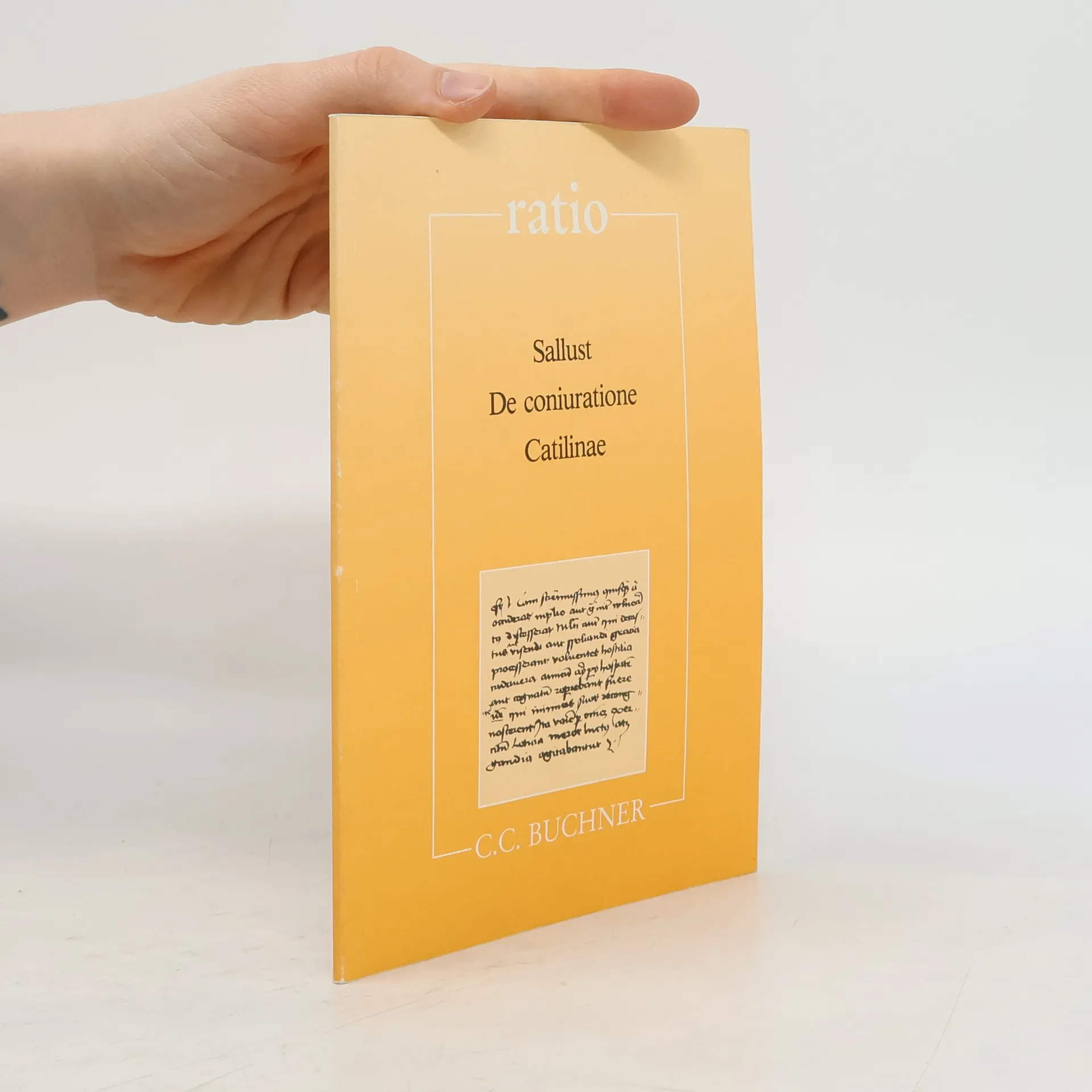
De coniuratione Catilinae
- 56pages
- 2 heures de lecture
Sallustius esitab oma versiooni Roomas 63.–62. aastal eKr võimuhaaramiseks kavandatud vandenõust, mille algatajaks oli Catilina. Tegemist on ilmselt – Caesari tapmise järel – Rooma kuulsuselt teise vandenõuga, mille laineharjal sai tuntuks Cicero, kelle kõned Catilina vastu kuuluvad Rooma kõnekunsti tippude hulka ning on andnud materjali ka Sallustiusele.
Orationes in Verrem
- 164pages
- 6 heures de lecture
De inventione
- 469pages
- 17 heures de lecture
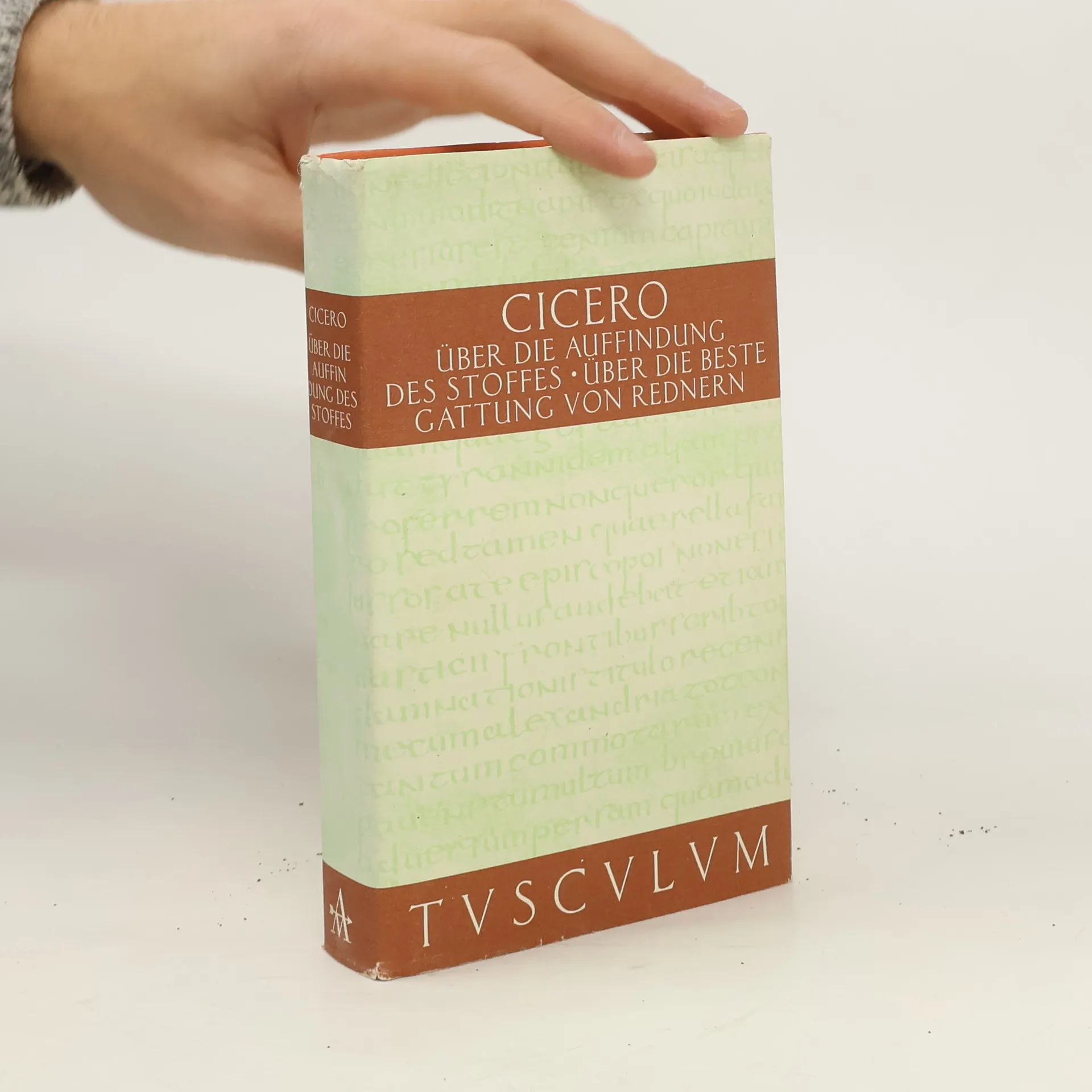
Cicero, der unbestrittene Meister der römischen Beredsamkeit in Theorie und Praxis, hat sich in mehreren Werken mit der Theorie der Rhetorik beschäftigt. Vom geplanten umfassenden Handbuch zur Rhetorik wurden nur zwei Bücher ausgearbeitet, die unter dem Titel De inventione überliefert sind. Unverkennbar ist die Nähe zu der anonymen, lange Zeit ebenso Cicero zugeschriebenen Schrift Rhetorica ad Herennium. Gegen die zunehmende Verkümmerung des Rednerideals durch eine „Versachlichung“ der rhetorischen Prxis kämpft Cicero in der kleinen Schrift De optimo genere oratorum. Zwischen dem Abfassen beider Schriften liegt ein Zeitraum von etwa 40 Jahren. De inventione (um 85 v. Chr. verfaßt) gehört zu den Jugendwerken Ciceros und mit der Rhetorica ad Herennium zu den ältesten römischen Schriften zur Rhetorik überhaupt.
The republic and The laws
- 288pages
- 11 heures de lecture
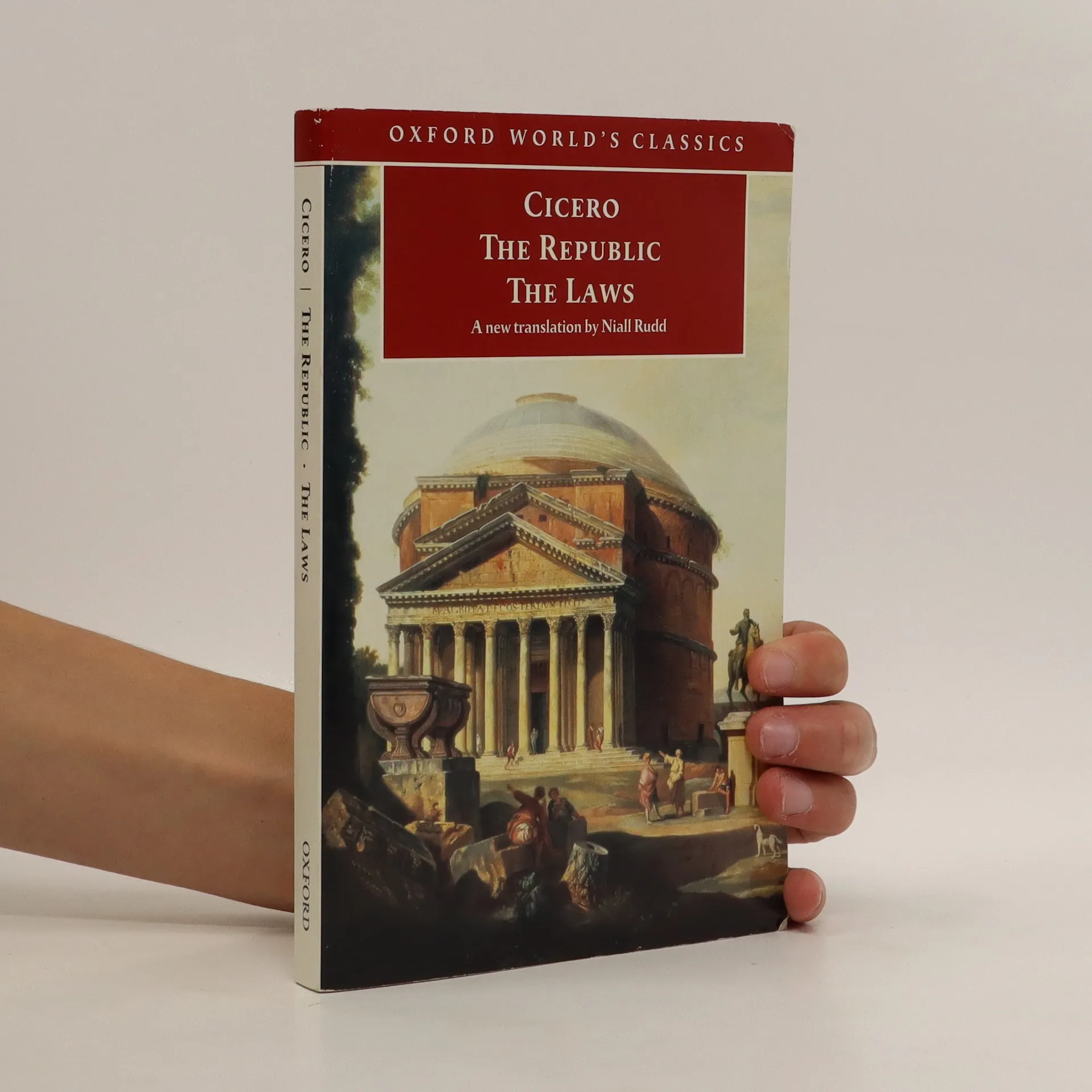
Cicero's The Republic is an impassioned plea for responsible government written just before the civil war that ended the Roman Republic in a dialogue following Plato. This is the first complete English translation of both works for over sixty years and features a lucid introduction, a table ofdates, notes on the Roman constitution, and an index of names.
"Stillsitzen kann ich einfach nicht"
- 183pages
- 7 heures de lecture
»Der bekannte Spruch: Erkenne dich selbst! ist nicht nur zur Dämpfung unseres Hochmuts gesagt worden; wir sollen uns vielmehr auch über unsere Vorzüge klar werden.« (Cicero)
I grandi libri Garzanti - 562: Il sogno di Scipione - Il fato: Con testo a fronte
- 93pages
- 4 heures de lecture
Testo latino a fronte Uomo eminentemente politico, rientrato dopo un anno di esilio a Roma, Cicerone si dedicò alla scrittura delle sue opere maggiori. I suoi trattati sono improntati a un forte impegno civile, che assoggetta l'educazione etica alla convivenza sociale. Nel Fato affronta la contraddizione tra la concezione stoica del destino, inteso come ferrea necessità, e il libero arbitrio, per definire lo spazio decisionale - e le responsabilità - dell'uomo. Nel Sogno di Scipione avvalora la vita attiva come fondamento e presupposto della futura felicità ultraterrena, che spetta solo a coloro che hanno agito per il bene comune in funzione della patria.
Mier duše
- 79pages
- 3 heures de lecture
Textauswahl mit Wort- und Sacherläuterungen
- 87pages
- 4 heures de lecture
Reden gegen Verres 6
- 199pages
- 7 heures de lecture
Die grandiose Schlußrede des Verres-Prozesses, fiktiv wie auch die vorangegangenen, aber bewundernswert wiederum in der Vergegenwärtigung des kriminellen Geschehens und überzeugend in der Schilderung eines verbrecherischen Menschen.
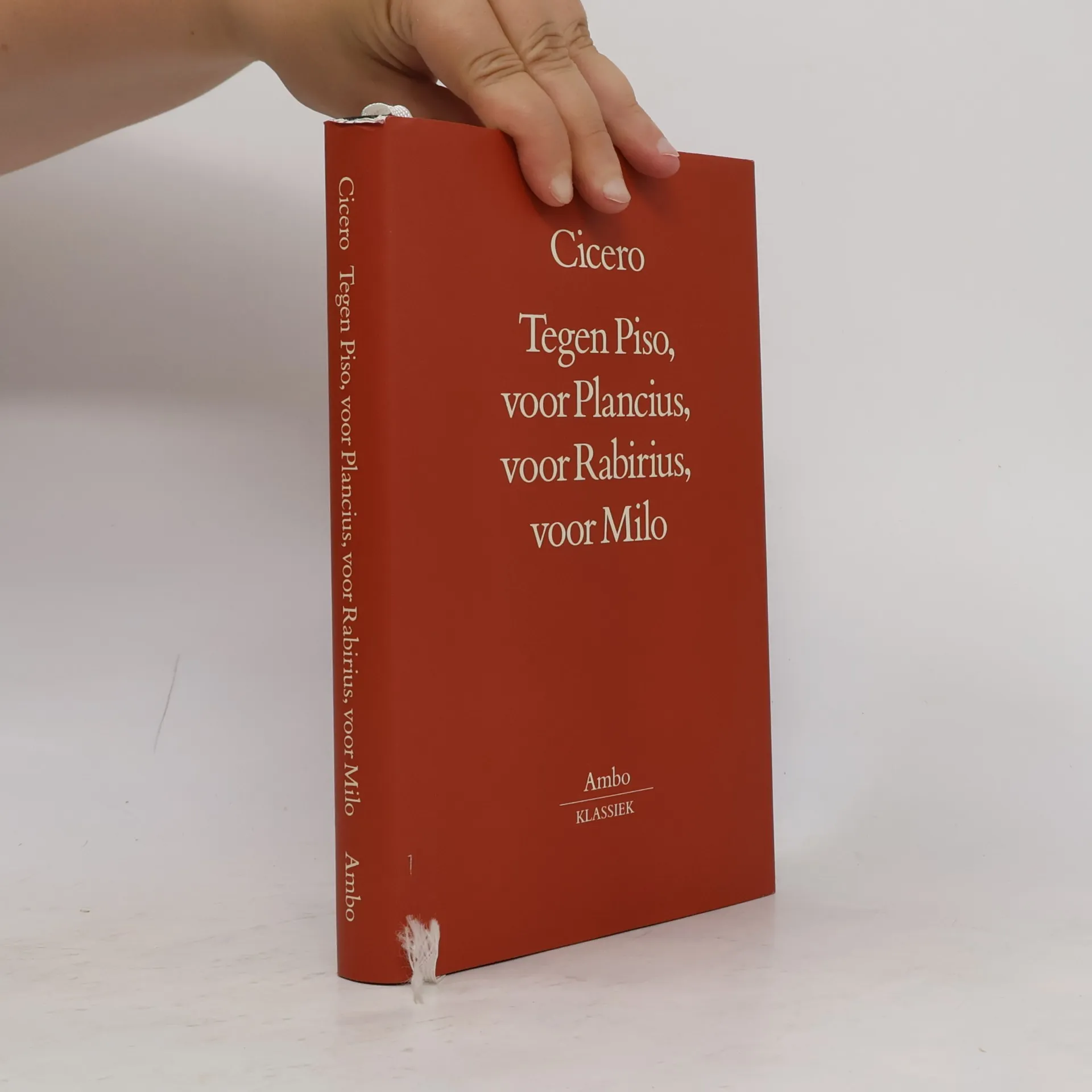
Ambo-klassiek: Tegen Piso, voor Plancius, voor Rabirius, voor Milo
- 299pages
- 11 heures de lecture
Dutch (translation)Original Latin
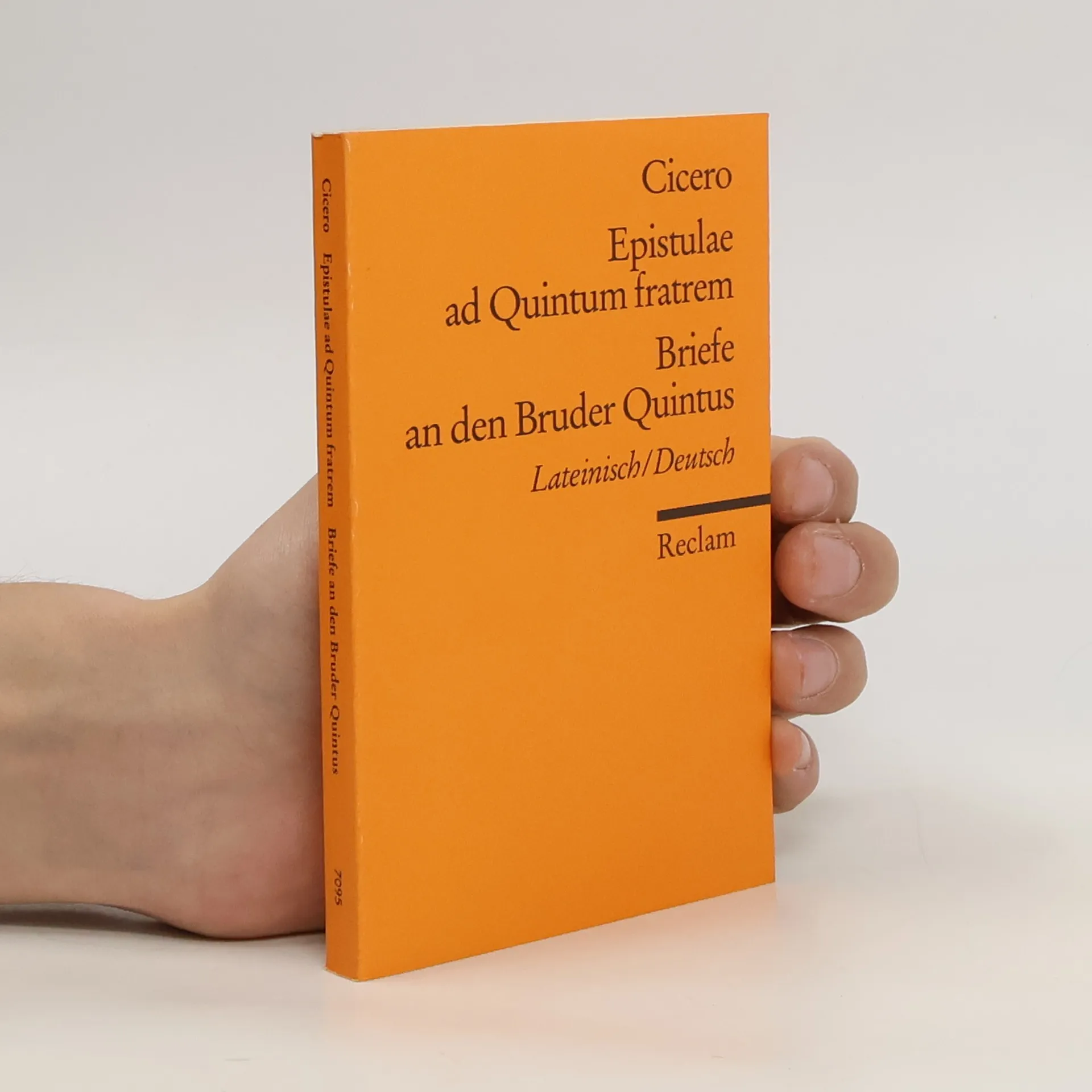
Epistulae ad Quintum fratrem
- 256pages
- 9 heures de lecture
Die Briefe Ciceros an seinen Bruder Quintus, die hier – sowie erhalten – vollständig wiedergegeben sind, stammen aus den Jahren 60 bis 54 und sagen gleichviel über den Schreiber wie den Adressaten aus. Besonders als Quintus dem Caesar nach Gallien folgt, gerät das Verhältnis der beiden Brüder in eine Krise, in der sich nicht zuletzt die Krise der Republik spiegelt.
Altsprachliche Textausgaben - 16: De imperio Cn. Pompei
- 80pages
- 3 heures de lecture
Epistularum Genera Multa... Cicero - Plinius
- 112pages
- 4 heures de lecture
Philippicák Marcus Antonius ellen
- 360pages
- 13 heures de lecture
A római köztársaság összeomlásának korrupciójával és hatalmi harcaival közepette Cicero (i.e. 106-43) a történelem legmeghatóbb és legkifejezőbb beszédeit alkotta meg. Államférfiként és jogászként ő volt az egyik olyan kívülálló, aki behatolt a római államot irányító arisztokratikus körökbe, és híressé vált a Közgyűlés, a Szenátus és a bíróságok előtt mondott beszédeiről. Legyen szó a korrupció elleni harcról, a Catilina-összeesküvés leveréséről, Archias költő védelméről vagy Mark Antony ellen irányuló Philippicáiról - a szabadság védelmében tett nagyszerű érvek, amelyek száműzetéséhez és halálához vezettek - Cicero beszédei a római politikai élet vágó- és csatáját élénken megjelenítő szónoki mesterművek.
We know more of Marcus Tullius Cicero (106 43 BCE), lawyer, orator, politician and philosopher, than of any other Roman. Besides much else, his work conveys the turmoil of his time, and the part he played in a period that saw the rise and fall of Julius Caesar in a tottering republic.
The Rhetorica ad Herrenium was traditionally attributed to Cicero (106 43 BCE), and reflects, as does Cicero s De Inventione, Hellenistic rhetorical teaching. But most recent editors attribute it to an unknown author.
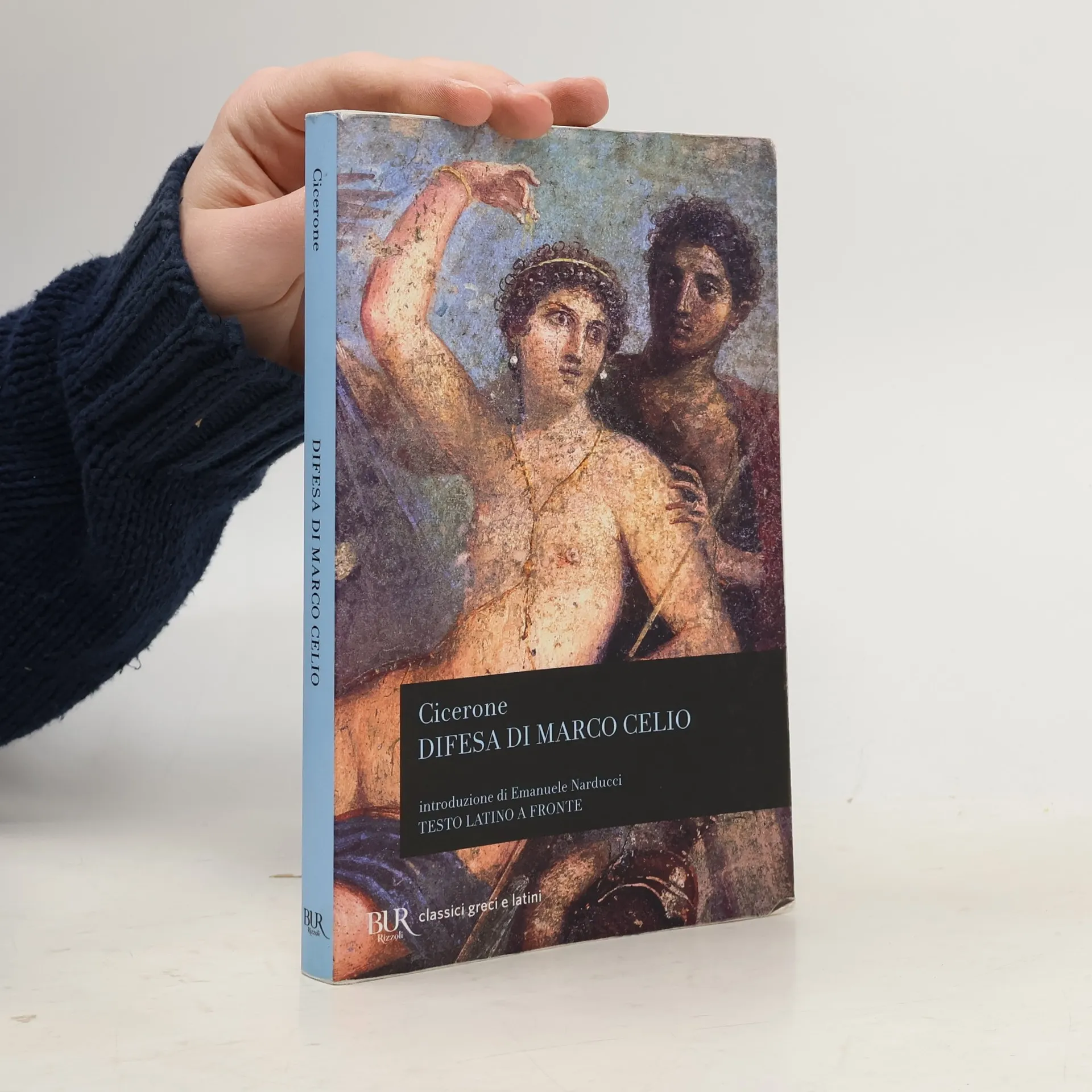
Classici greci e latini - 695: Difesa di Marco Celio
Testo latino a fronte
- 169pages
- 6 heures de lecture
Testo latino a fronte.
EXEMPLA: Lateinische Texte: Rede für König Deiotarus
Text mit Erläuterungen. Arbeitsaufträge, Begleittexte und Stilistik
- 54pages
- 2 heures de lecture
Biblioteca Universale Rizzoli - 664: Due scandali politici
Pro Murena, Pro Sestio
- 388pages
- 14 heures de lecture
Pur non essendo tra le orazioni più conosciute, come le Verrine o le Catilinarie, la Pro Murena e la Pro Sestio sono tuttavia tra le migliori e più rappresentative della forza polemica e satirica e del pensiero politico di Cicerone.Elemento comune alle due arringhe è, ancora una volta, Catilina. Nella Pro Murena, del 63 a.C., Cicerone difende Murena, console designato per l'anno successivo, dall'accusa di brogli elettorali: eventuali nuove elezioni avrebbero dato a Catilina, la cui congiura non era ancora stata scoperta e repressa, ulteriori possibilità di agitazione politica. La Pro Sestio, pronunciata nel 56 a.C., rappresenta una grandiosa rivendicazione dei propri meriti passati ed espone il progetto politico e civile di Cicerone.La penetrante introduzione di Giovanni Ferrara inquadra le due orazioni nel contesto più ampio della vita e dell'operato politico del grande oratore.
Sechste Philippische Rede. Mit Texten zur Rhetorik.
- 64pages
- 3 heures de lecture
Scripta qvae manservnt omnia - 46: De divinatione. De fato. Timaevs.
- 214pages
- 8 heures de lecture
Written primarily in Latin, 1938/1977 edition.