This collection of essays discusses the rich and varied tradition of history writing in mediaeval and early modern Egypt, providing new insights into the works and the lives and outlooks of their authors.
Hugh Kennedy Livres
Cet auteur se spécialise dans une exploration approfondie du monde arabe et de sa riche histoire. Ses œuvres se caractérisent par un langage précis et des plongées perspicaces dans des sujets complexes. Fort d'une formation académique en études arabes et en histoire, il apporte une perspective unique à ses écrits, attirant les lecteurs à la recherche de contenu intellectuellement stimulant. Son approche de l'écriture est analytique et détaillée, permettant aux lecteurs de saisir pleinement les nuances des thèmes présentés.

Focusing on the military's influence in early Islamic society, this study explores the critical relationship between army and politics. It delves into aspects like recruitment, payment, weaponry, and fortifications to illustrate how the early Muslim Empire expanded its control. Utilizing Arabic chronicles, historical documents, and archaeological findings, the book provides a detailed analysis of military strategies and the dynamics of warfare, offering a fresh perspective on the formation of the early Islamic State.
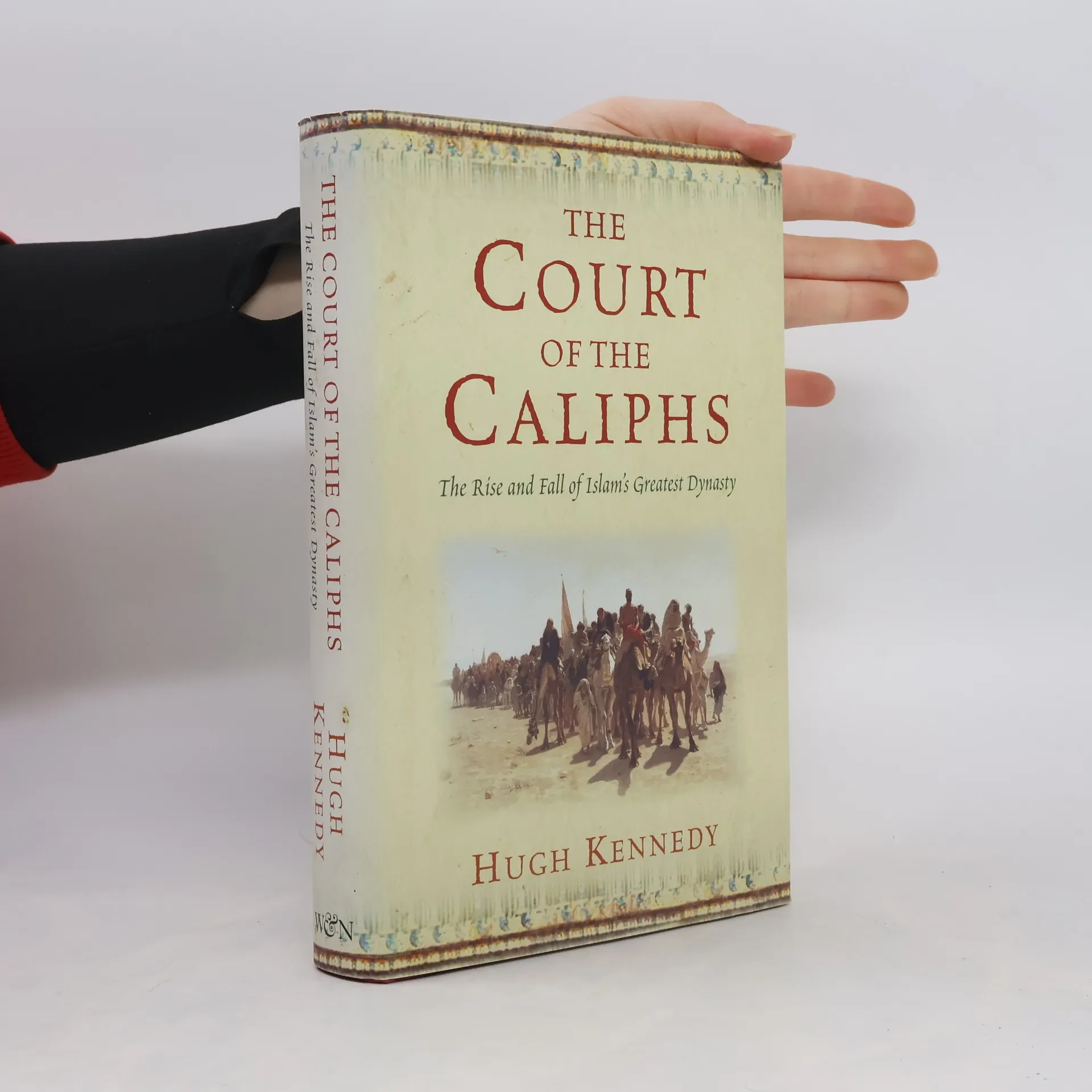
From a rebellion planned in a remote desert town to the founding of Baghdad in AD 762, the rule of the Abbasid dynasty was looked back on as the golden era of the Islamic Conquest. The Muslim world was ruled by a single sovereign, who waged war against the Byzantines and protected the holy cities of Mecca and Medina. For the last time in history, a mighty empire was based on the ancient Mesopotamian heartland that had once supported the Sumerians, Babylonians and Assyrians. Every element of his story is drawn from the original Arabic texts: 'the writers of the ninth and tenth centuries knew their rulers had their fair share of human frailties and were quite happy to describe them. To produce a sanitized and whitewashed version of history does no service to our understanding'. The rise and fall of the last great empire centred on the Tigris and Euphrates should be as well known as the histories of Ancient Greece or Rome.
Focusing on the political history of Muslim Spain and Portugal from 711 to 1492, this groundbreaking study utilizes Arab sources to illuminate a region often overlooked in medieval European history. By moving beyond the Christian-centric narratives of the Reconquest, the author, Hugh Kennedy, offers vivid translations that enrich the understanding of this significant era. This work will captivate historians of both medieval Europe and the Middle East, highlighting the unique characteristics and connections within the broader Muslim world.
Crusader Castles
- 242pages
- 9 heures de lecture
Focusing on the historical and architectural significance, the book explores Crusader castles in the Kingdom of Jerusalem, County of Tripoli, and Principality of Antioch from 1099 to 1291. It provides a detailed account of the structures built during the Crusaders' enduring presence in the Levant, highlighting their strategic importance and cultural influences in the region.
The Prophet and the Age of the Caliphates
The Islamic Near East from the Sixth to the Eleventh Century
- 402pages
- 15 heures de lecture
Focusing on the formative years of Islamic society, this book offers an engaging history of the Near East from approximately 600 to 1050 AD. It explores the significant developments during the age of caliphates, providing insights into the cultural, political, and social transformations that shaped the region and its people. The narrative is designed to be accessible, making it suitable for readers seeking to understand this pivotal era in history.
Focusing on the Abbasid Caliphs from 750 to 833 AD, this study explores their political history alongside the social and economic factors shaping their governance. It highlights the transition to Turkish domination following al-Ma'mun's death. Designed as an introductory resource, it offers valuable insights for students of Islamic, Byzantine, and Mediterranean history and culture, making it an essential reference for understanding this transformative era.
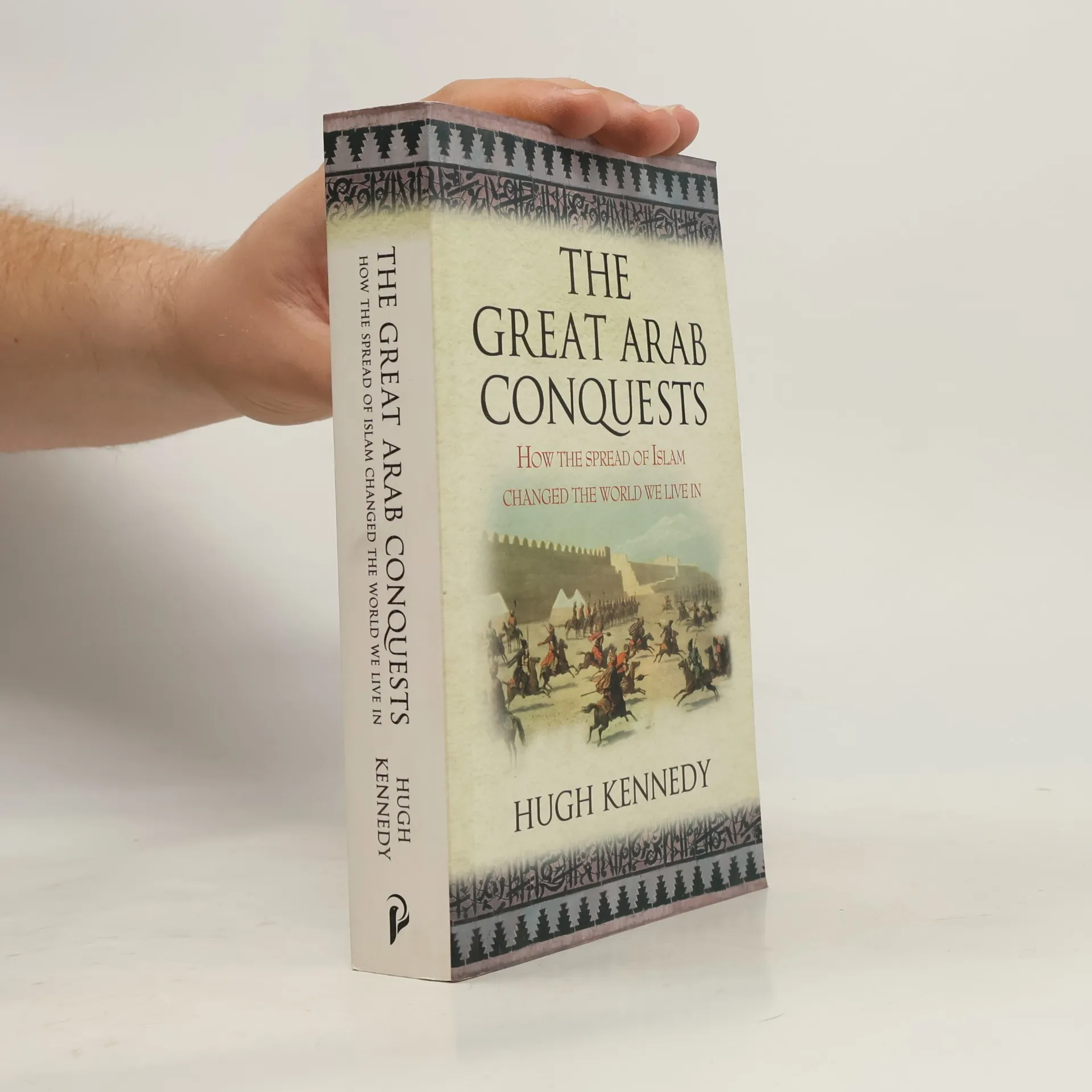
The Great Arab Conquests
- 448pages
- 16 heures de lecture
A popular history of the Arab invasions that carved out an empire from Spain to China