

Bookbot

Anette Baldauf

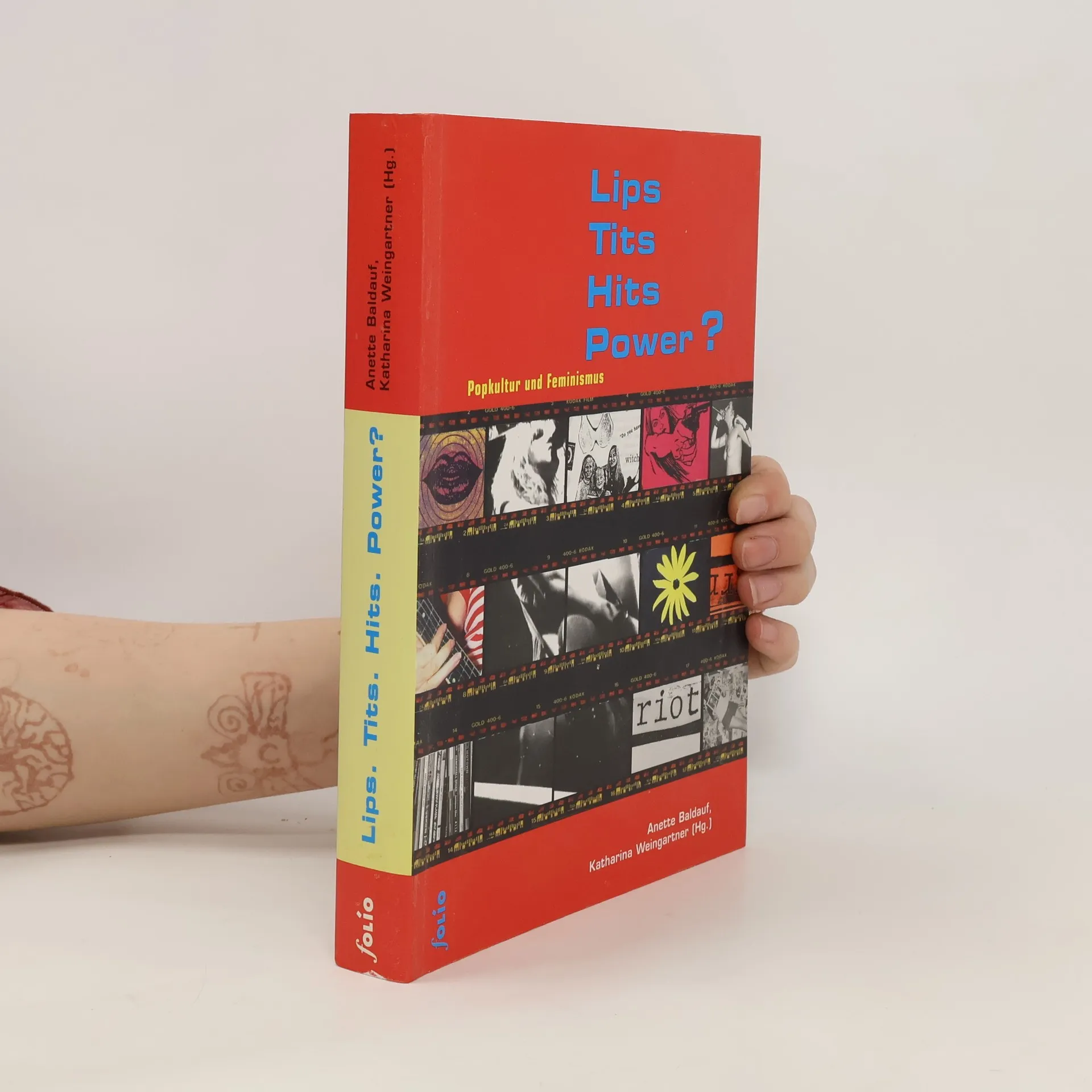
    Lips, tits, hits, power?
    World of malls
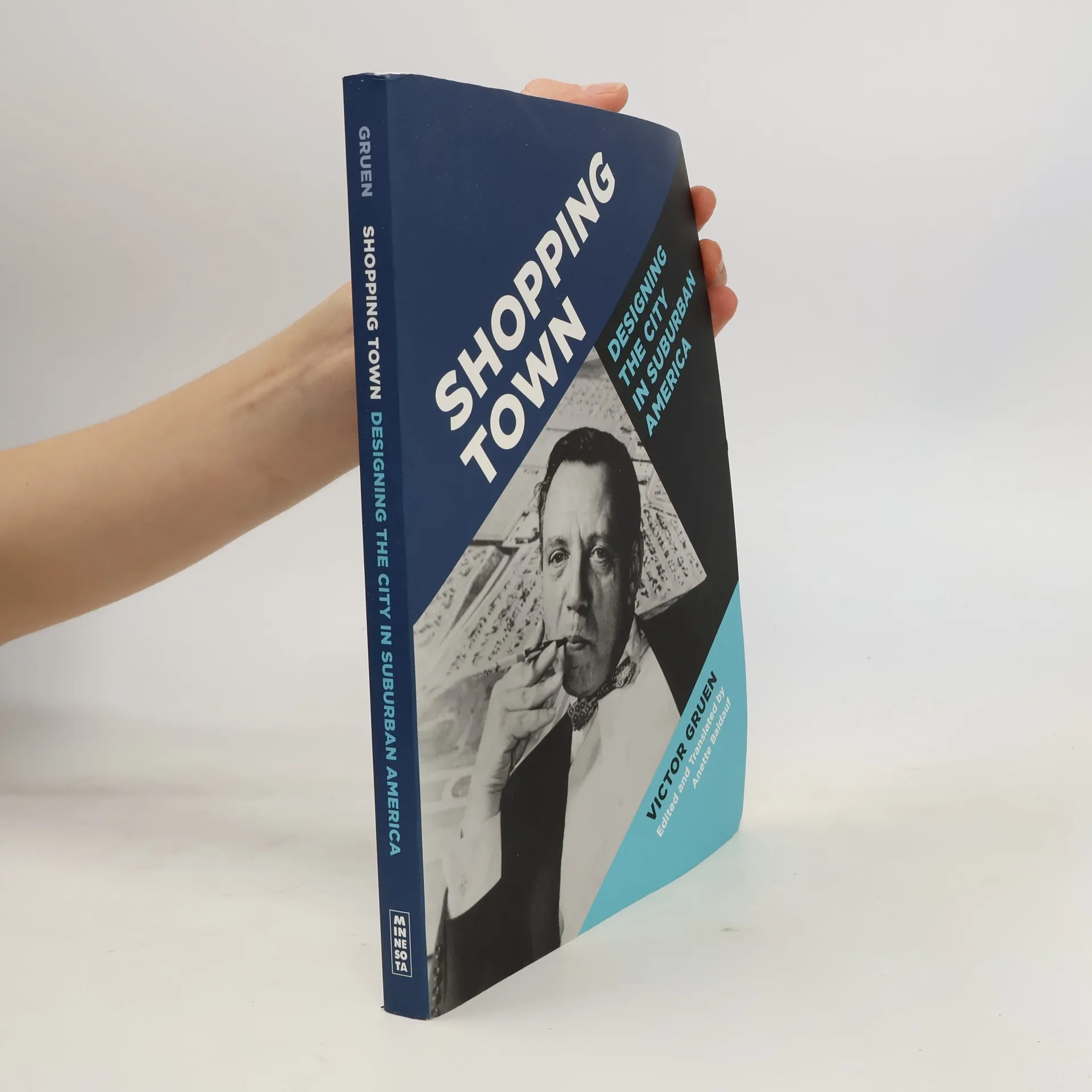
    Shopping Town
    Dorit Margreiter, everyday life
    Spaces of commoning
    • Spaces of commoning

      • 276pages
      • 10 heures de lecture

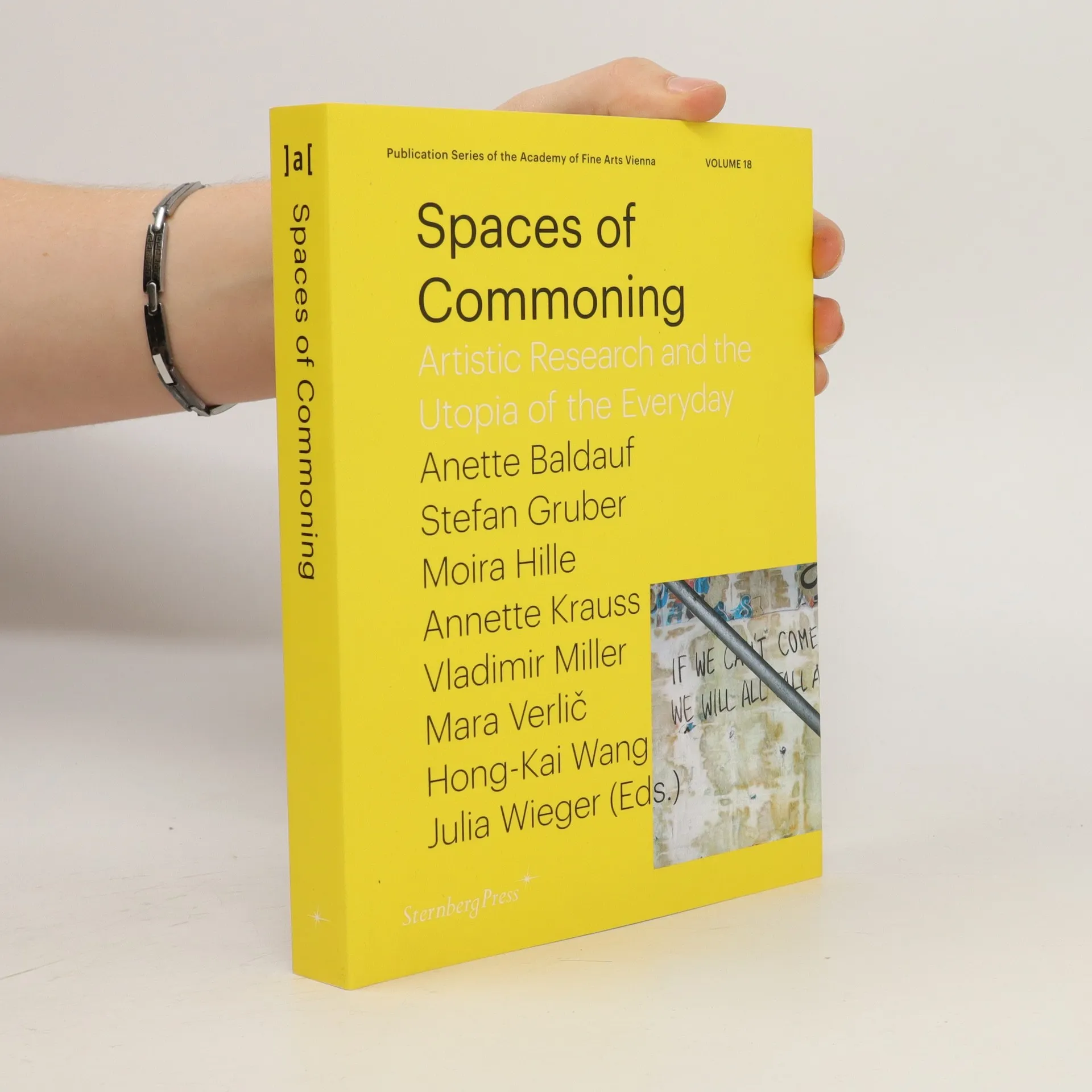
      The 18th volume in the Academy of Fine Arts Vienna series, Spaces of Commoning raises unsettling questions about research ethos, accountability, and the entanglement of power and knowledge embedded in Western sciences, arts and architecture. The well-designed, illustrated softcover book gathers over 20 case studies by an international collective of artists, architects and social theorists to investigate the question of commoning practices in Austria, Ethiopia, Greece and across the world. Organized into six sectionsNo Beginnings, Call to Order, Wage Labor and Reproductive Labor, Noise as Border, Bodies and Other Ghosts and Commoning as Horizon the essays explore how social movements are often caught between competing agendas and the gap between agendas and everyday life. It is the sites of these struggles that constitute the Spaces of Commoning. With contributions by artists Moira Hill and CASCO Office, scholar Lisa Lowe, spatial and urban theorists Stavros Stavrides and Stefan Grub, sociologist and art historian Pelin Tan, and architect Julia Wieger, among others.

      Spaces of commoning
      3,3
    • Shopping Town

      Designing the City in Suburban America

      • 328pages
      • 12 heures de lecture

      Victor Gruen, a pivotal figure in 20th-century architecture, is recognized as the father of the U.S. shopping mall. In spring 1979, shortly before his death, he began reconstructing his life story, which is now available in English for the first time. The narrative opens in Vienna in 1938, marking the turning point in Gruen’s life as he narrowly escaped the Nazi regime. A few years later, as a Jewish refugee in postwar America, he sought to recreate the vibrancy of Vienna’s city center, ultimately inventing the shopping mall. His Southdale Mall in Edina, Minnesota, became the first fully enclosed shopping center in the U.S. Gruen then adapted this concept for economically neglected urban areas, advocating for pedestrian zones and striving for an uncompromising urban ideal. The account captures Gruen’s humor and reflects on the complex forces shaping the postwar transformation of American cities. It places his experiences in a broader social and political context, revealing his complicated role in American architectural culture. The book concludes with afterwords by his children and an insightful essay by Anette Baldauf on Gruen's enduring legacy.

      Shopping Town
    • World of malls

      • 272pages
      • 10 heures de lecture

      The catalogue World of Malls is devoted to a type of building that was invented in the United States just less than sixty years ago and quickly spread throughout the world. Due to urban planning’s increasing orientation toward the automobile, the mall became a substitute for lost urbanity. Yet what direction is the development of the shopping mall taking today? On the one hand, there continue to be spectacular new openings in America, Asia, the United Arab Emirates, and Europe. At the same time, however, many malls are empty, and some are being converted and repurposed. There is hardly any other building typology that is being discussed as controversially: does the shopping mall mean the death of the city, or does it stimulate its revitalization? In their essays, urban planners, economists, and architectural historians such as Anette Baldauf, Bob Bruegmann, Dietrich Erben, Richard Longstreth, Alain Thierstein, June Williamson, and Sophie Wolfrum examine the transformation processes of the shopping mall from the twentieth to the twenty-first century. (German edition ISBN 978-3-7757-4138-5) Exhibition: Architekturmuseum der TU München in der Pinakothek der Moderne, 13.7.–22.10.2016

      World of malls
      4,4