

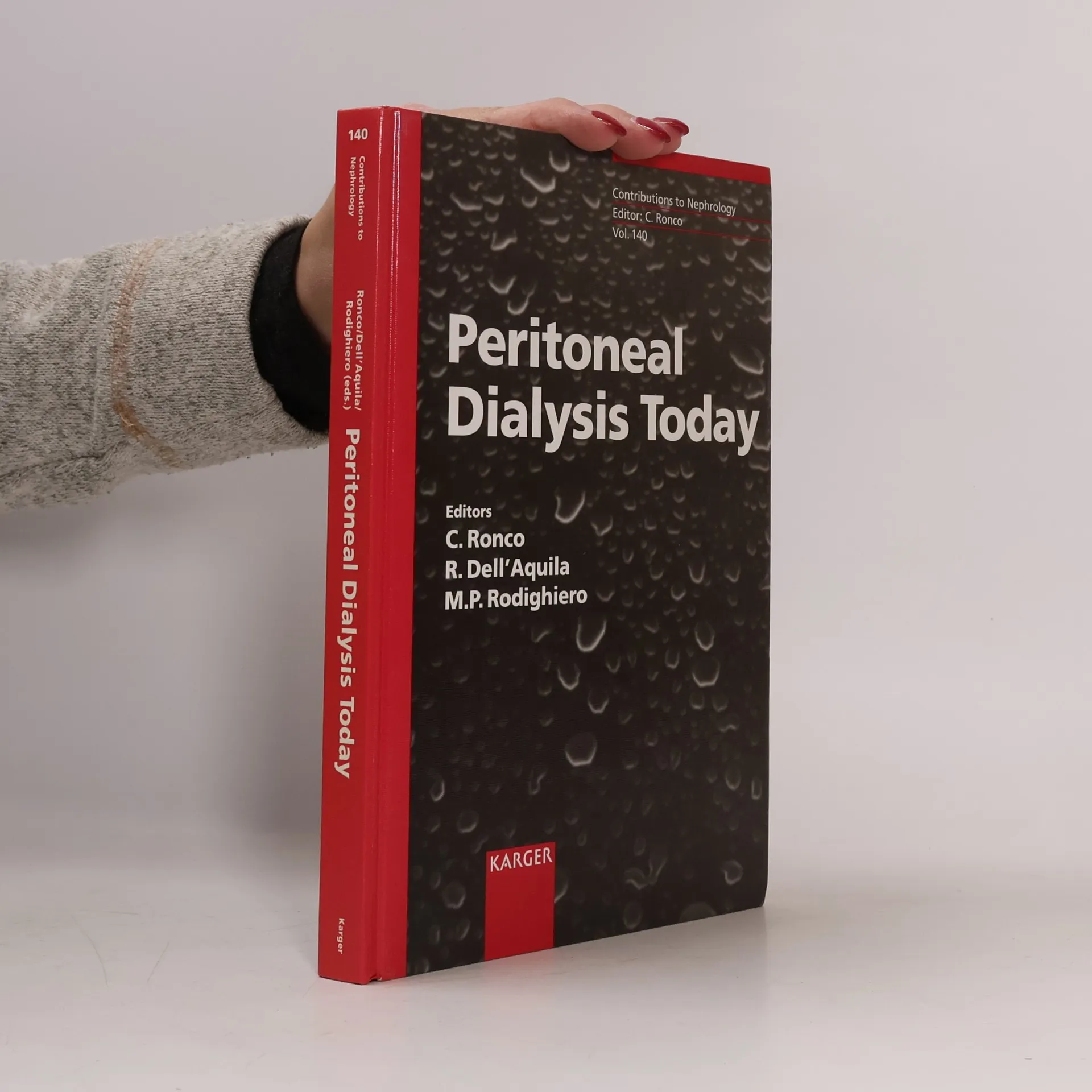

Contributions to Nephrology - 140: Peritoneal Dialysis Today
8th International Course on Peritoneal Dialysis, Vicenza, May 2003: Proceedings.
En savoir plus sur le livre
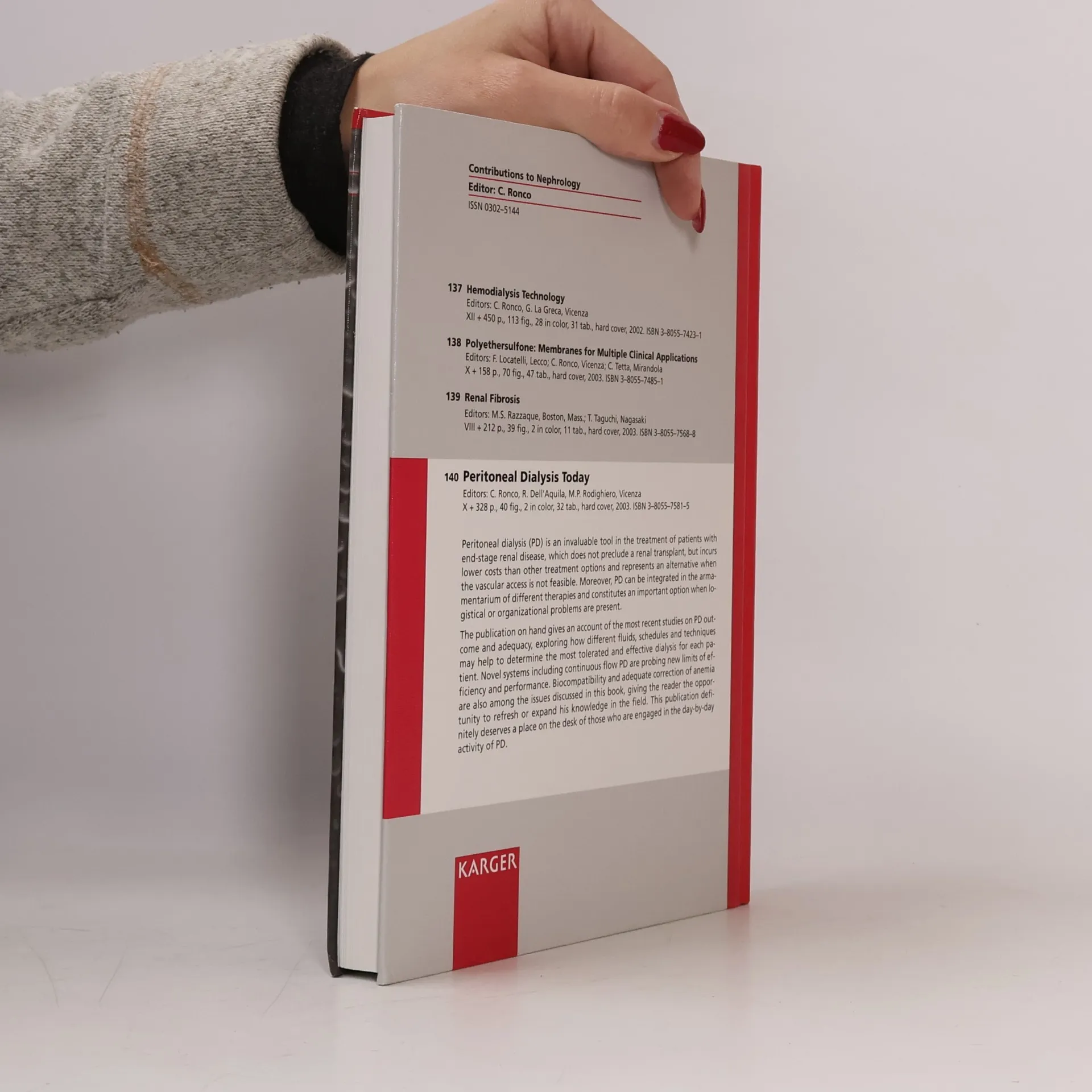
Peritoneal dialysis (PD) is an invaluable tool in the treatment of patients with end-stage renal disease, which does not preclude a renal transplant, but incurs lower costs than other treatment options and represents an alternative when the vascular access is not feasible. Moreover, PD can be integrated in the armamentarium of different therapies and constitutes an important option when logistical or organizational problems are present. The publication on hand gives an account of the most recent studies on PD outcome and adequacy, exploring how different fluids, schedules and techniques may help to determine the most tolerated and effective dialysis for each patient. Novel systems including continuous flow PD are probing new limits of efficiency and performance. Biocompatibility and adequate correction of anemia are also among the issues discussed in this book, giving the reader the opportunity to refresh or expand his knowledge in the field. This publication definitely deserves a place on the desk of those who are engaged in the day-by-day activity of PD.
Achat du livre
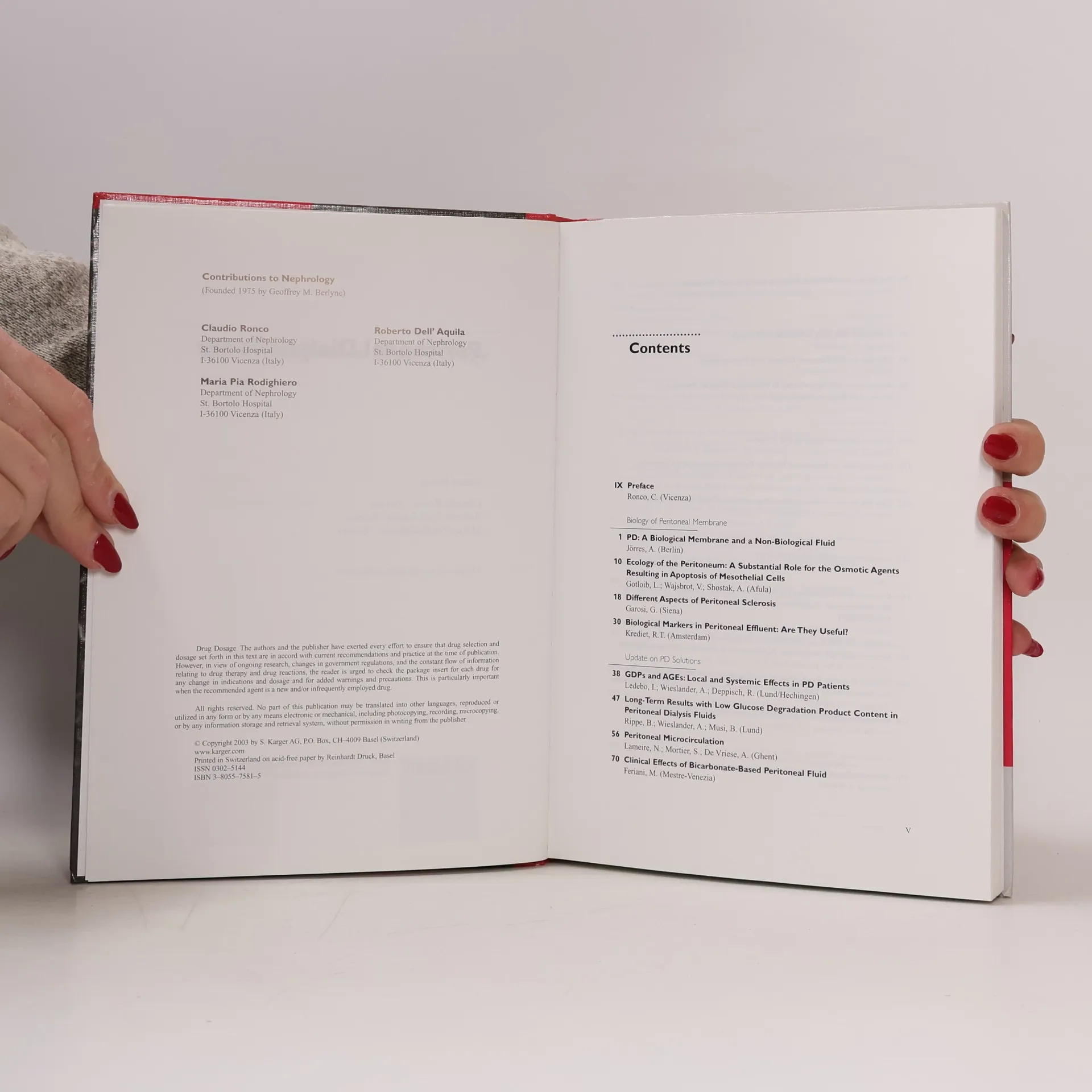
Contributions to Nephrology - 140: Peritoneal Dialysis Today, Claudio Ed Ronco, Roberto Dell'Aquila, Maria Pia Rodighiero
- Langue

- Année de publication
- 2003,
- État du livre
- Bon
- Prix
- 35,49 €
Modes de paiement
Personne n'a encore évalué .
- Titre
- Contributions to Nephrology - 140: Peritoneal Dialysis Today
- Sous-titre
- 8th International Course on Peritoneal Dialysis, Vicenza, May 2003: Proceedings.
- Langue
- Anglais
- Éditeur
- Karger
- Publié
- 2003
- Pages
- 328
- ISBN10
- 3805575815
- ISBN13
- 9783805575812
- Séries
- Mots clés
- Santé & Médecine, États-Unis, Médecine, Urologie, Transplantation, Néphrologie, Dialyse
- Description
- Peritoneal dialysis (PD) is an invaluable tool in the treatment of patients with end-stage renal disease, which does not preclude a renal transplant, but incurs lower costs than other treatment options and represents an alternative when the vascular access is not feasible. Moreover, PD can be integrated in the armamentarium of different therapies and constitutes an important option when logistical or organizational problems are present. The publication on hand gives an account of the most recent studies on PD outcome and adequacy, exploring how different fluids, schedules and techniques may help to determine the most tolerated and effective dialysis for each patient. Novel systems including continuous flow PD are probing new limits of efficiency and performance. Biocompatibility and adequate correction of anemia are also among the issues discussed in this book, giving the reader the opportunity to refresh or expand his knowledge in the field. This publication definitely deserves a place on the desk of those who are engaged in the day-by-day activity of PD.