

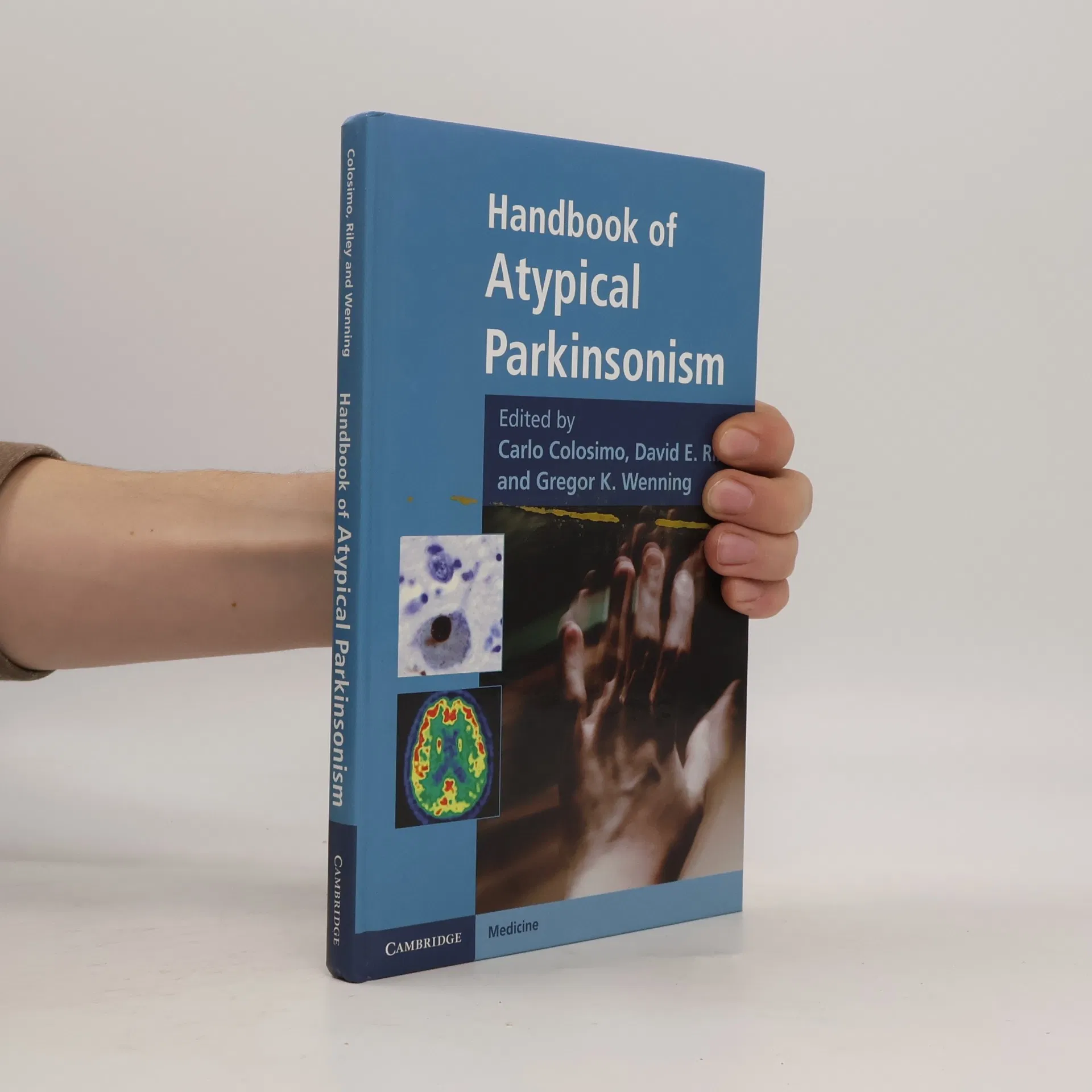

Cambridge Medicine: Handbook of Atypical Parkinsonism
En savoir plus sur le livre
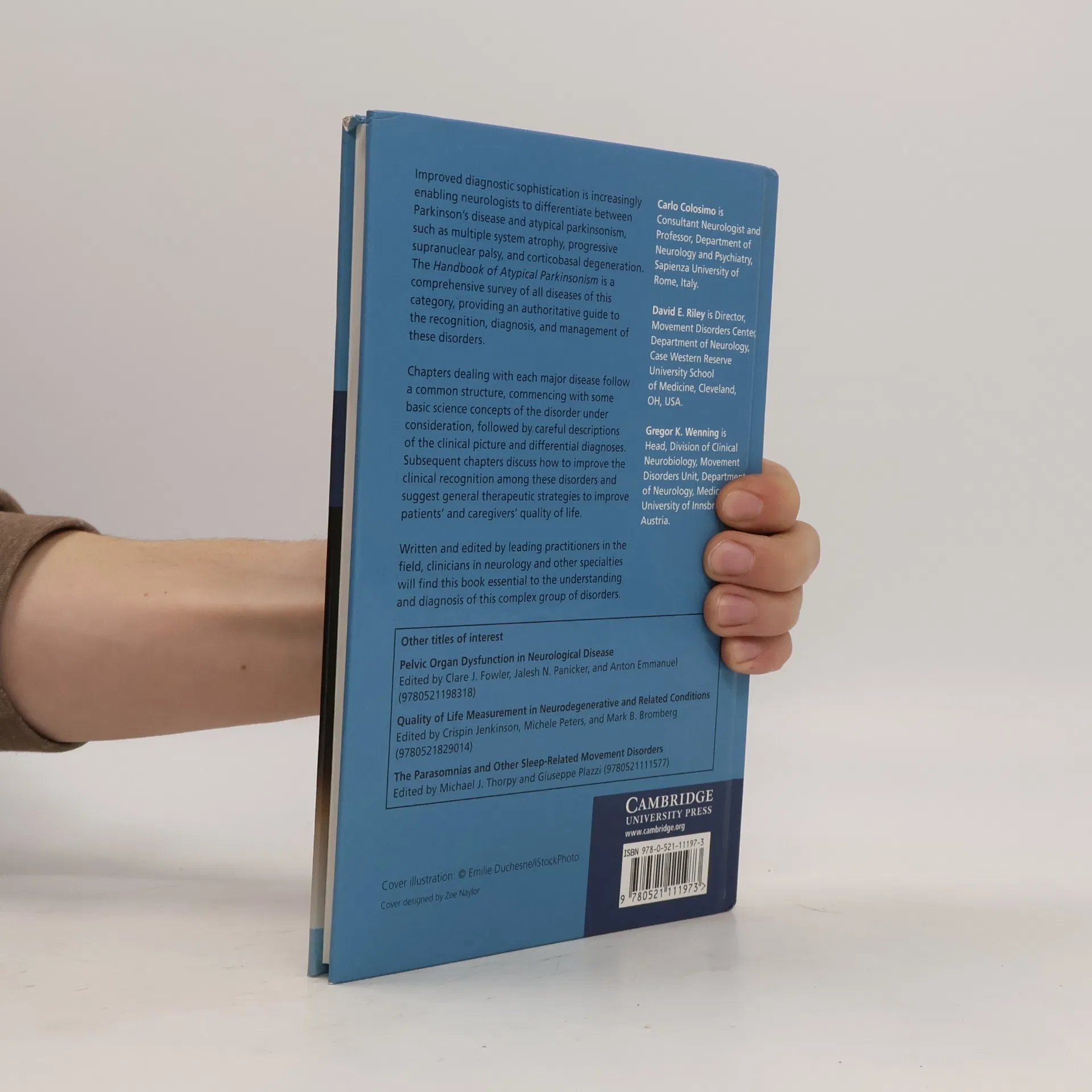
Improved diagnostic sophistication is increasingly enabling neurologists to differentiate between Parkinson's disease and other atypical parkinsonism (AP), such as multiple system atrophy, progressive supranuclear palsy, corticobasal degeneration, and dementia with Lewy bodies. The Handbook of Atypical Parkinsonism is a comprehensive survey of all diseases of this category, providing an authoritative guide to the recognition, diagnosis and management of these disorders. Each chapter follows a common structure, commencing with the full basic science of the disorder under consideration, followed by descriptions of the clinical picture and differential diagnosis. Subsequent chapters discuss current and future therapeutic approaches to these difficult conditions. Written and edited by leading practitioners in the field, clinicians in neurology and other specialties will find this book essential to the understanding and diagnosis of this complex group of disorders.
Achat du livre
Cambridge Medicine: Handbook of Atypical Parkinsonism, Carlo Colosimo, Gregor K. Wenning, David E. Riley
- Langue

- Année de publication
- 2011
- Reliure
- (rigide),
- État du livre
- Abîmé
- Prix
- 33,49 €
Modes de paiement
Personne n'a encore évalué .
- Titre
- Cambridge Medicine: Handbook of Atypical Parkinsonism
- Langue
- Anglais
- Éditeur
- Cambridge University Press
- Publié
- 2011
- Format
- rigide
- Pages
- 174
- ISBN10
- 0521111978
- ISBN13
- 9780521111973
- Séries
- Mots clés
- Médecine, Écrits rassemblés, Psychiatrie, Neurologie, Psychologie clinique, Médecine interne
- Description
- Improved diagnostic sophistication is increasingly enabling neurologists to differentiate between Parkinson's disease and other atypical parkinsonism (AP), such as multiple system atrophy, progressive supranuclear palsy, corticobasal degeneration, and dementia with Lewy bodies. The Handbook of Atypical Parkinsonism is a comprehensive survey of all diseases of this category, providing an authoritative guide to the recognition, diagnosis and management of these disorders. Each chapter follows a common structure, commencing with the full basic science of the disorder under consideration, followed by descriptions of the clinical picture and differential diagnosis. Subsequent chapters discuss current and future therapeutic approaches to these difficult conditions. Written and edited by leading practitioners in the field, clinicians in neurology and other specialties will find this book essential to the understanding and diagnosis of this complex group of disorders.