

Évaluation du livre
En savoir plus sur le livre
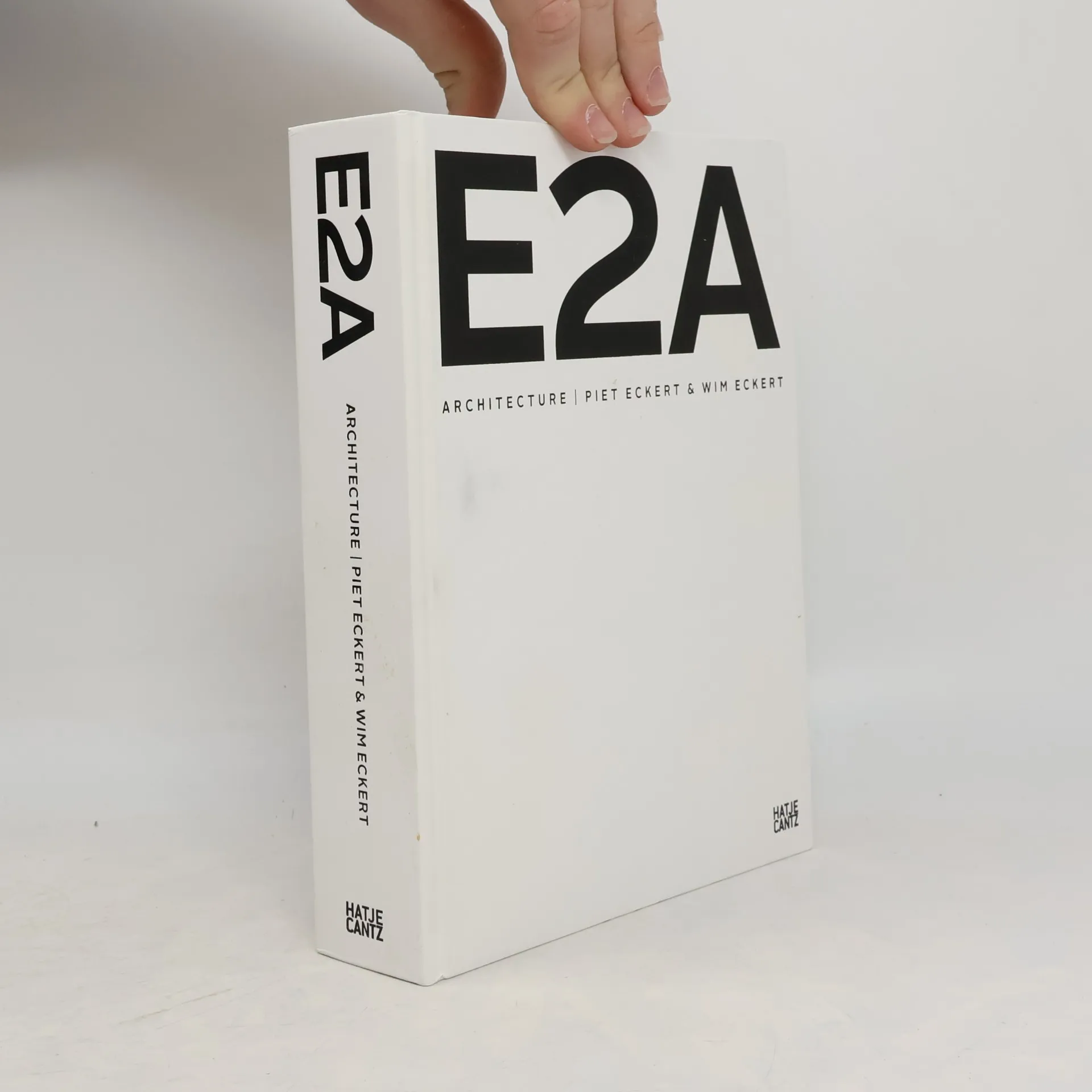
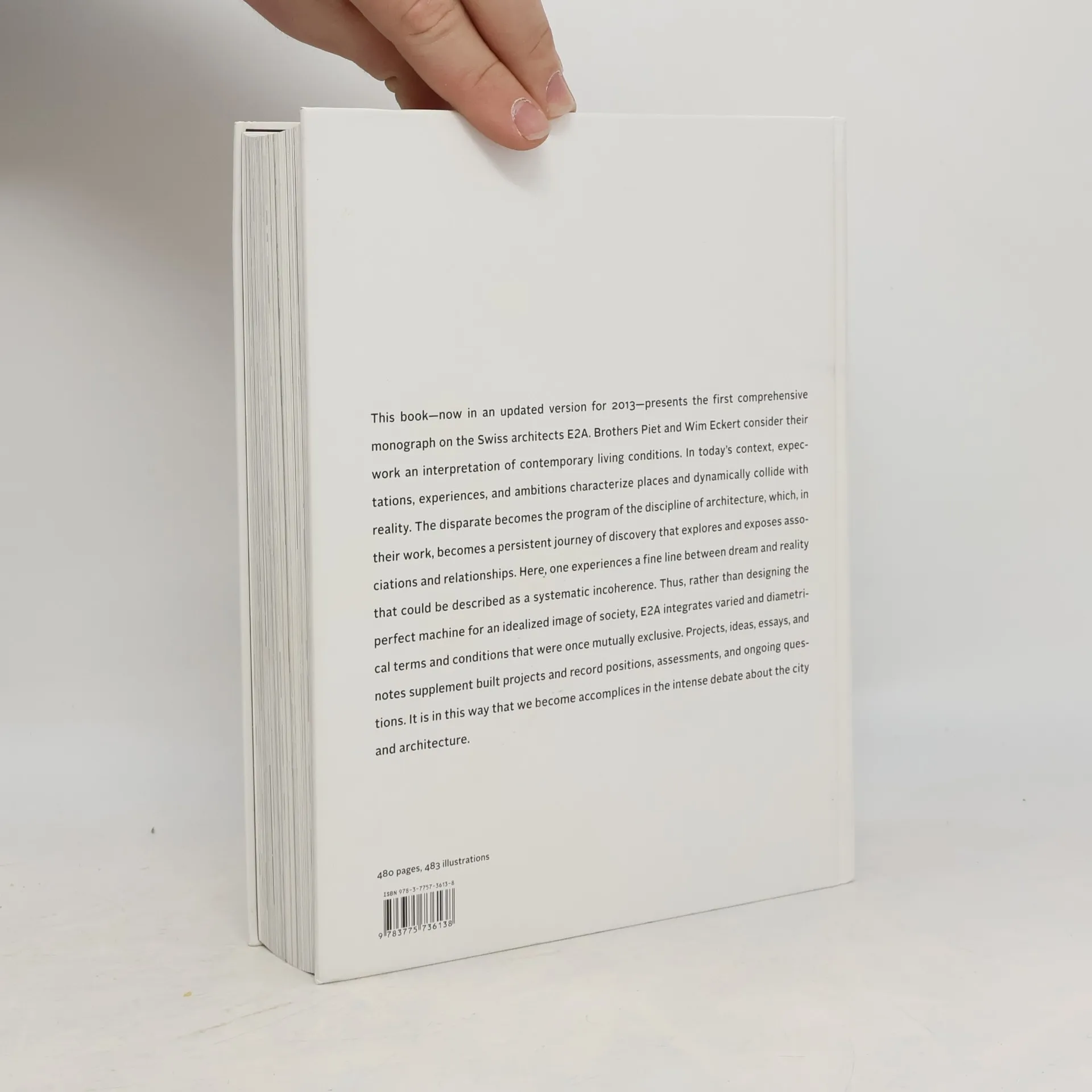
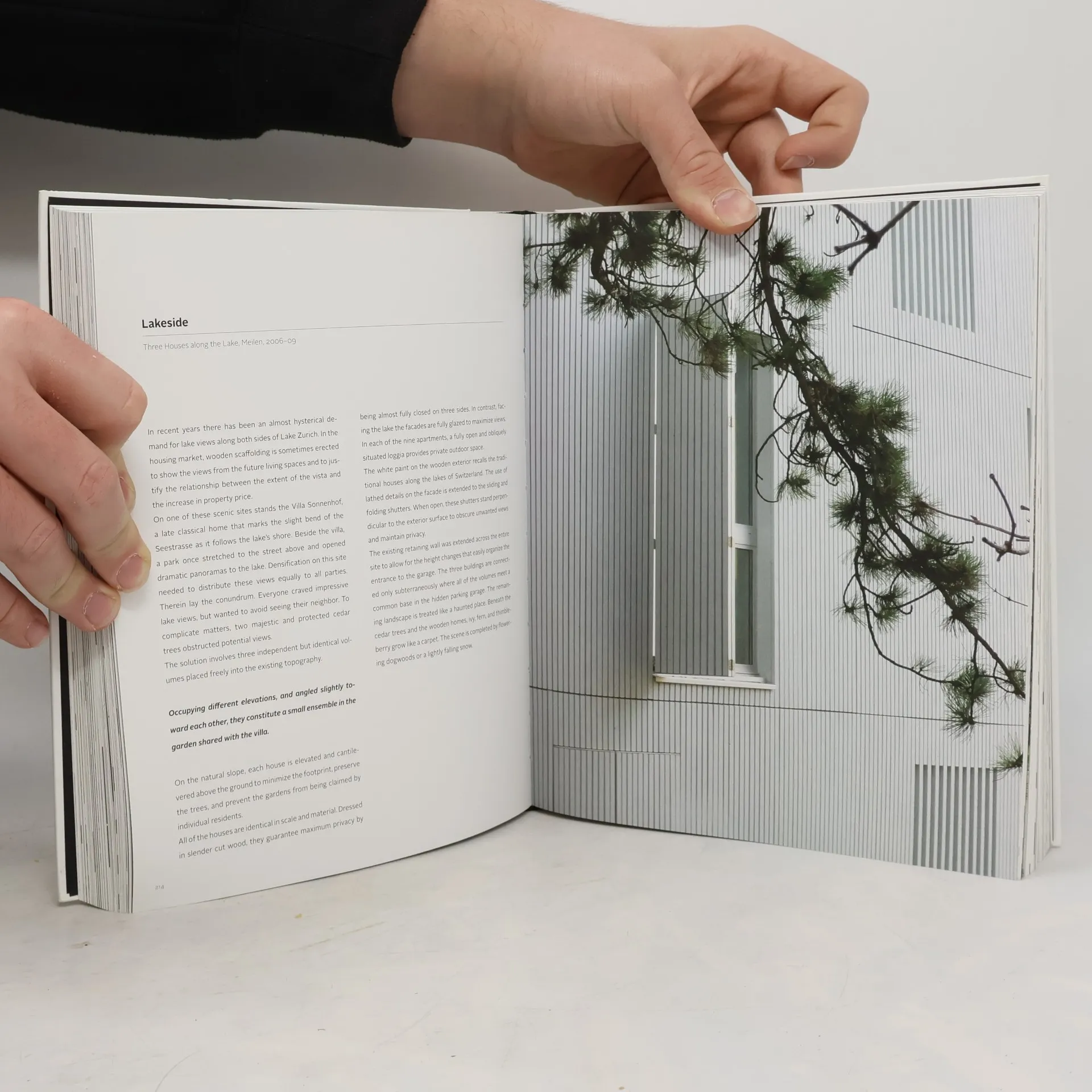
This revised and updated edition is a comprehensive monograph on the Swiss architects E2A. Brothers Piet and Wim Eckert see their work as an interpretation of contemporary living conditions. In today’s context, expectations, experiences, and ambitions characterize places and clash with reality. The incompatible becomes the platform of the discipline of architecture, and in the work by the two architects it becomes a prolonged journey of discovery during which associations and relationships are explored and exposed. Here, one experiences a fine line between dream and reality that could be described as systematic incoherence. Thus, rather than designing the perfect machine for an idealized image of society, E2A integrate different and diametrically opposed conditions that were once mutually exclusive. Projects, ideas, essays, and notes supplement building projects and record positions, assessments, and ongoing questions. In this way the reader becomes a witness to an intense debate on the city and its architecture.
Édition

Achat du livre
E2A Architecture, Niklas Maak, Via Lewandowsky, Martino Stierli, Piet Eckert, Tibor Joanelly, Frank Weinert, Wim Eckert, Michèle Bianchi
- Langue

- Année de publication
- 2013
- Reliure
- (rigide),
- État du livre
- Bon
- Prix
- 60,99 €
Modes de paiement
Il manque plus que ton avis ici.
- Titre
- E2A Architecture
- Langue
- Anglais
- Auteurs
- Niklas Maak, Via Lewandowsky, Martino Stierli, Piet Eckert, Tibor Joanelly, Frank Weinert, Wim Eckert, Michèle Bianchi
- Éditeur
- Hatje Cantz
- Publié
- 2013
- Format
- rigide
- Pages
- 480
- ISBN10
- 3775736131
- ISBN13
- 9783775736138
- Séries
- Mots clés
- Architecture
- Évaluation
- 4,5 sur 5
- Description
- This revised and updated edition is a comprehensive monograph on the Swiss architects E2A. Brothers Piet and Wim Eckert see their work as an interpretation of contemporary living conditions. In today’s context, expectations, experiences, and ambitions characterize places and clash with reality. The incompatible becomes the platform of the discipline of architecture, and in the work by the two architects it becomes a prolonged journey of discovery during which associations and relationships are explored and exposed. Here, one experiences a fine line between dream and reality that could be described as systematic incoherence. Thus, rather than designing the perfect machine for an idealized image of society, E2A integrate different and diametrically opposed conditions that were once mutually exclusive. Projects, ideas, essays, and notes supplement building projects and record positions, assessments, and ongoing questions. In this way the reader becomes a witness to an intense debate on the city and its architecture.