

En savoir plus sur le livre
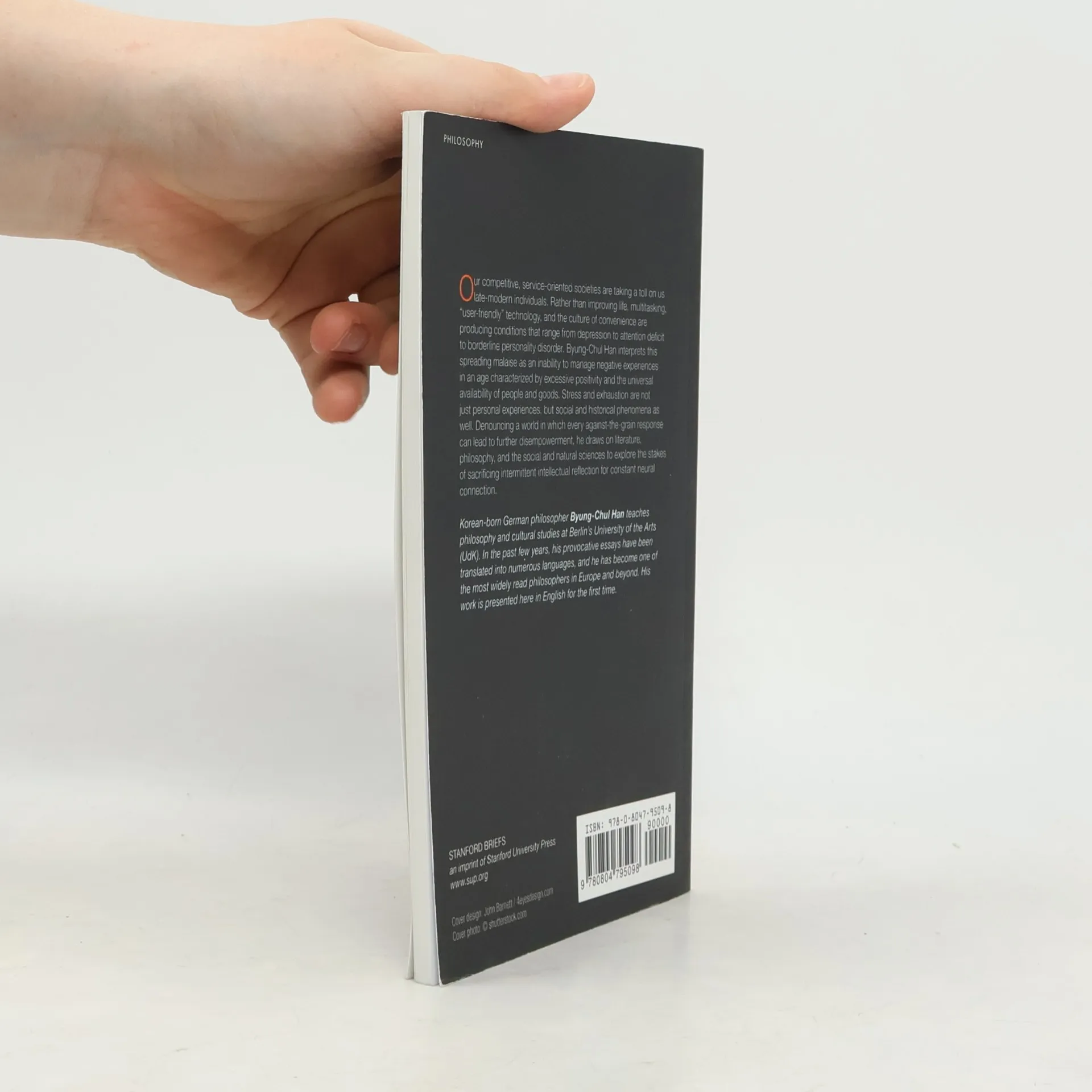
Our competitive, service-oriented societies are taking a toll on the late-modern individual. Rather than improving life, multitasking, "user-friendly" technology, and the culture of convenience are producing disorders that range from depression to attention deficit disorder to borderline personality disorder. Byung-Chul Han interprets the spreading malaise as an inability to manage negative experiences in an age characterized by excessive positivity and the universal availability of people and goods. Stress and exhaustion are not just personal experiences, but social and historical phenomena as well. Denouncing a world in which every against-the-grain response can lead to further disempowerment, he draws on literature, philosophy, and the social and natural sciences to explore the stakes of sacrificing intermittent intellectual reflection for constant neural connection.


Achat du livre
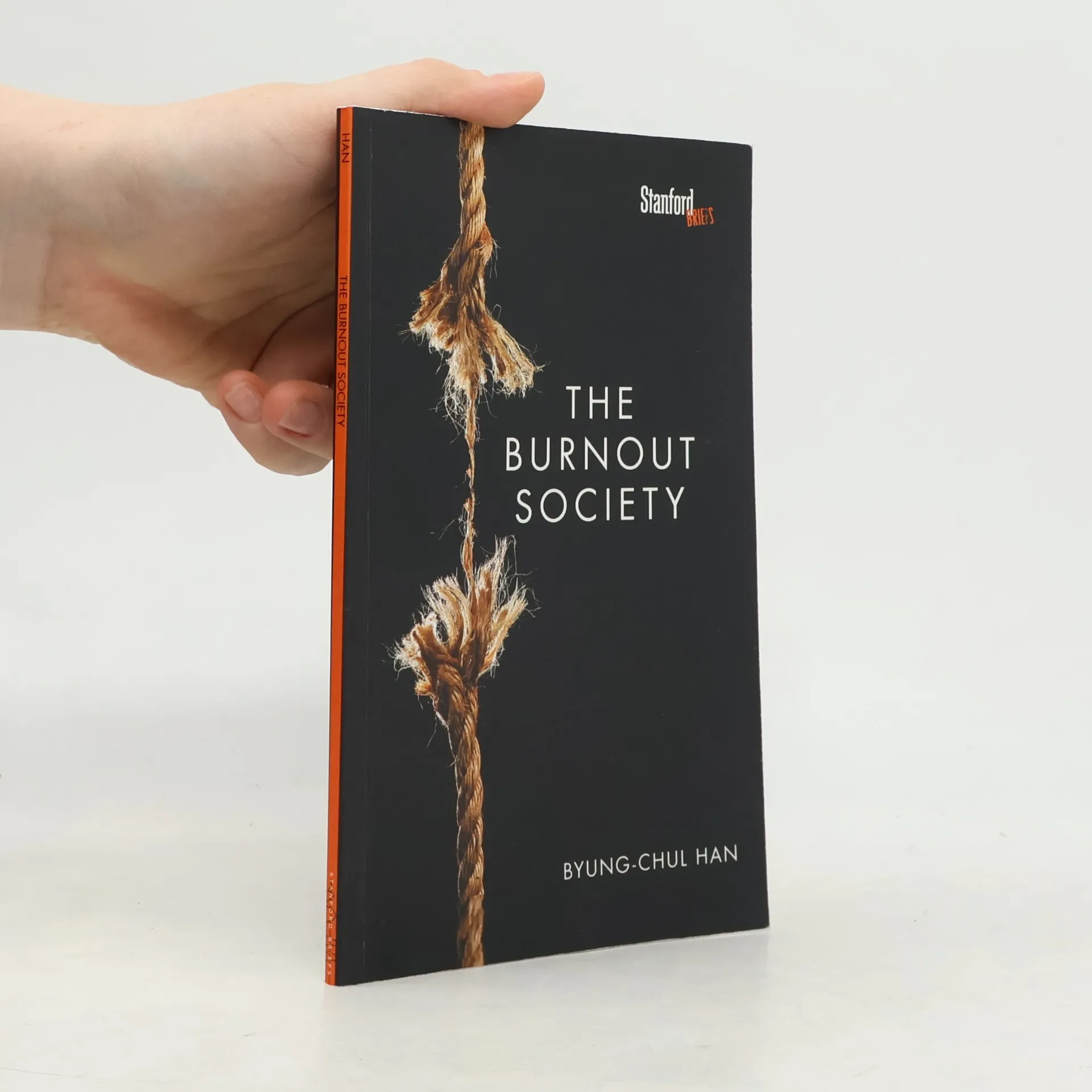
The burnout society, Han Byung Chul
- Langue

- Année de publication
- 2015
- Reliure
- (souple)
Modes de paiement
Il manque plus que ton avis ici.
- Titre
- The burnout society
- Langue
- Anglais
- Auteurs
- Han Byung Chul
- Éditeur
- Stanford University Press
- Publié
- 2015
- Format
- souple
- Pages
- 72
- ISBN10
- 0804795096
- ISBN13
- 9780804795098
- Séries
- Mots clés
- Thèmes psychologiques, Thématique philosophique, Politique, Cadeaux pour papy, Société, Culture, 21e siècle, Théories scientifiques, Réflexions et Pensées, Liberté, Syndrome d'épuisement, Problèmes psychologiques, Troubles de l'attention, TDA, TDAH, Transformation de la société
- Évaluation
- 3,9 sur 5
- Description
- Our competitive, service-oriented societies are taking a toll on the late-modern individual. Rather than improving life, multitasking, "user-friendly" technology, and the culture of convenience are producing disorders that range from depression to attention deficit disorder to borderline personality disorder. Byung-Chul Han interprets the spreading malaise as an inability to manage negative experiences in an age characterized by excessive positivity and the universal availability of people and goods. Stress and exhaustion are not just personal experiences, but social and historical phenomena as well. Denouncing a world in which every against-the-grain response can lead to further disempowerment, he draws on literature, philosophy, and the social and natural sciences to explore the stakes of sacrificing intermittent intellectual reflection for constant neural connection.