

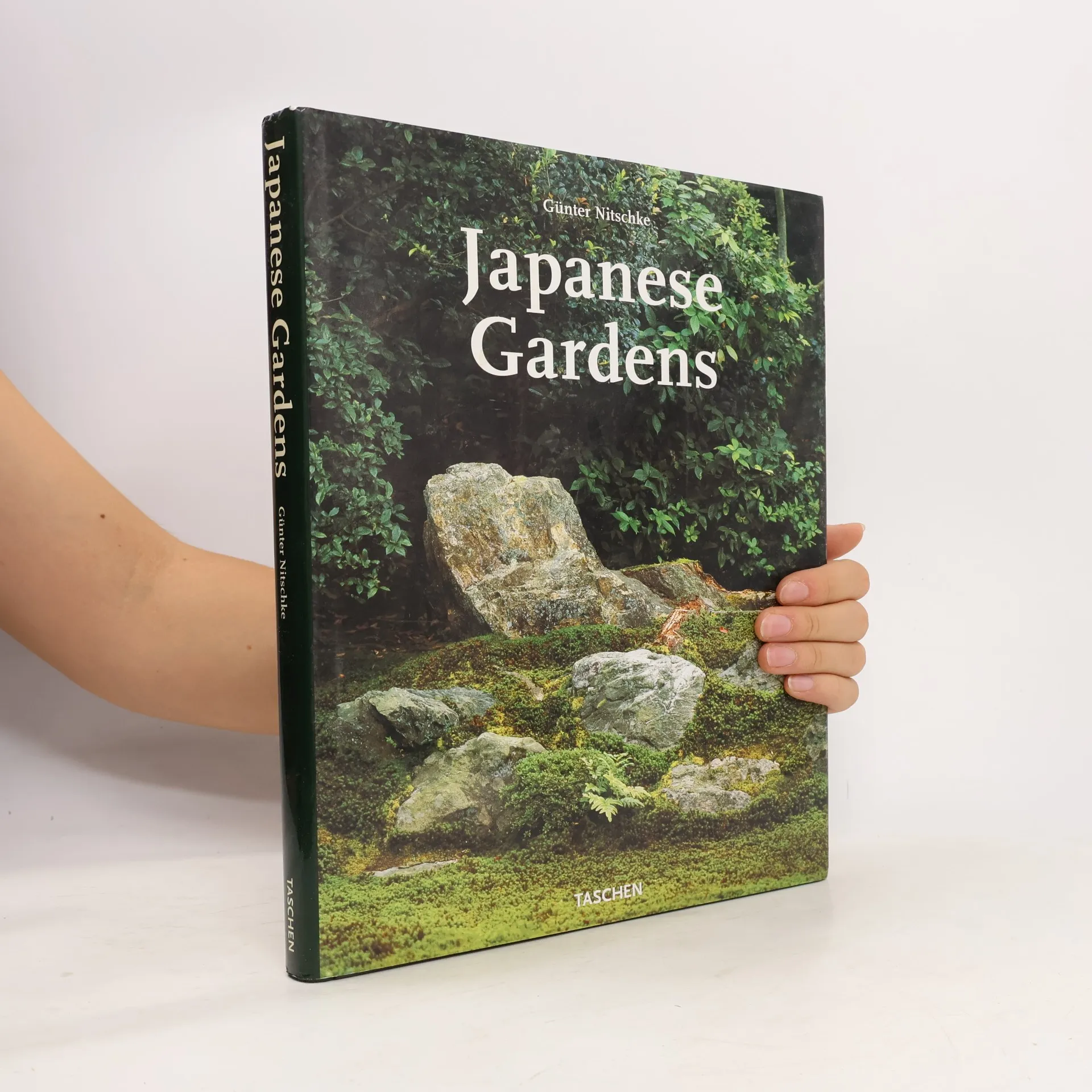
Japanese Gardens
Right Angle and Natural Form (Big Art)
Auteurs
Évaluation du livre
Paramètres
- 240pages
- 9 heures de lecture
En savoir plus sur le livre
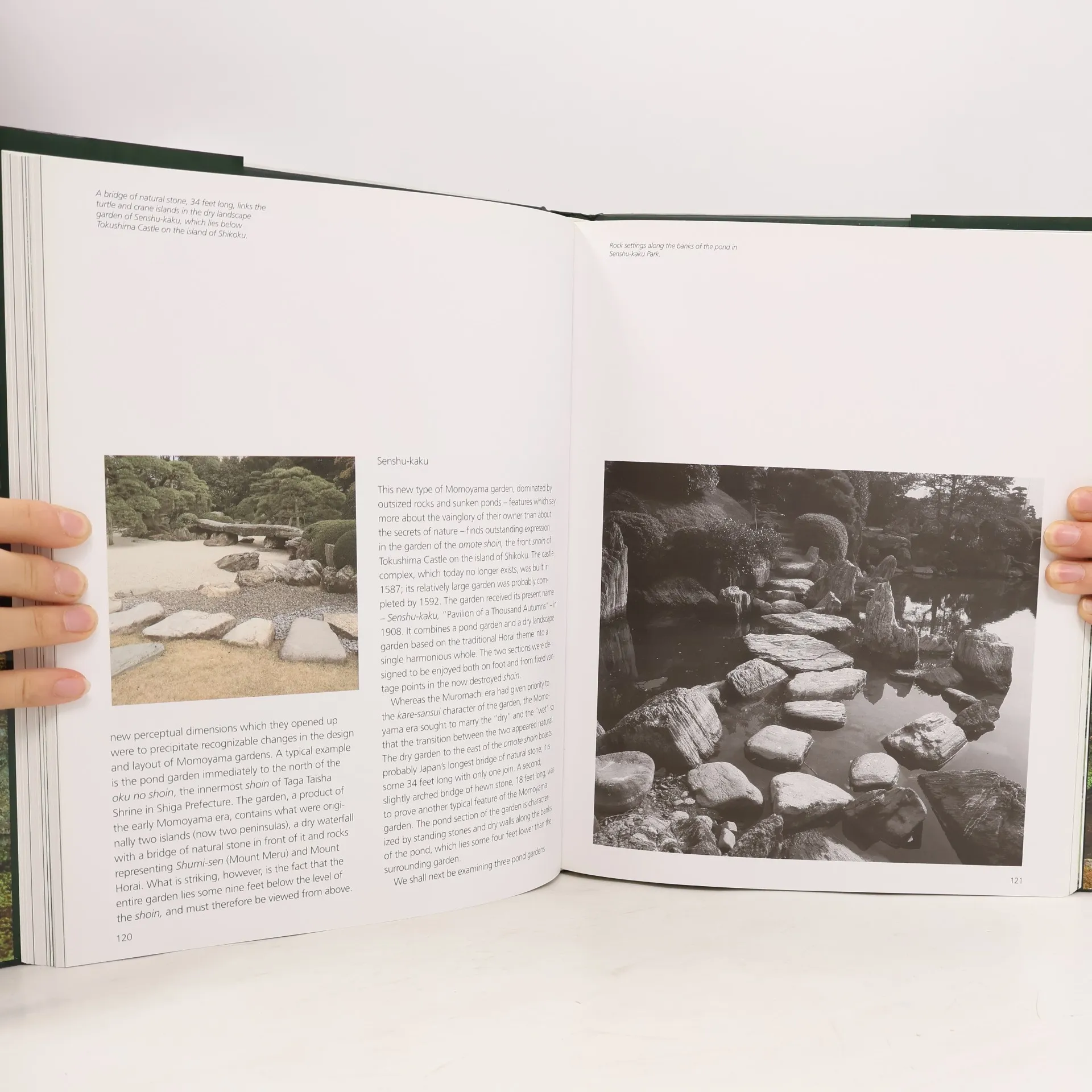
Nature crafted by man The Japanese garden, like all gardens, is more than mere nature; it is nature crafted by man. It needs the hands of the designer to give it meaning. The Japanese garden belongs to the realm of architecture; at its best, it is nature as art. The phases of its history document the constant redefinition of man's position within and towards nature. Its changing forms respond both to socio-economic developments and to religious and philosophical trends, and thereby reflect the spiritual climate in which its architecture was conceived. At the same time as detailing the characteristics distinguishing and differentiating each of the five major epochs in the history of the Japanese garden, the author identifies the common motif which underlies them all: the recurrent attempt to unite beauty as natural accident and beauty as human-perfected type, to achieve an aesthetic symbiosis between the seeming randomness of natural form and the strict geometry of the right angle.


Achat du livre
Japanese Gardens, Gunter Nitschke
- Langue

- Année de publication
- 1999
- Reliure
- (rigide)
Modes de paiement
Il manque plus que ton avis ici.
- Titre
- Japanese Gardens
- Sous-titre
- Right Angle and Natural Form (Big Art)
- Langue
- Anglais
- Auteurs
- Gunter Nitschke
- Éditeur
- Taschen
- Publié
- 1999
- Format
- rigide
- Pages
- 240
- ISBN10
- 382287633X
- ISBN13
- 9783822876336
- Séries
- Catégories
- Mots clés
- Art, Architecture, Japon, Jardin, Eau, Architecture de Jardin, Pierres, Jardins, parcs, Art Japonais, Jardins japonais, Pin
- Titre original
- Japanese Garden
- Évaluation
- 3,75 sur 5
- Description
- Nature crafted by man The Japanese garden, like all gardens, is more than mere nature; it is nature crafted by man. It needs the hands of the designer to give it meaning. The Japanese garden belongs to the realm of architecture; at its best, it is nature as art. The phases of its history document the constant redefinition of man's position within and towards nature. Its changing forms respond both to socio-economic developments and to religious and philosophical trends, and thereby reflect the spiritual climate in which its architecture was conceived. At the same time as detailing the characteristics distinguishing and differentiating each of the five major epochs in the history of the Japanese garden, the author identifies the common motif which underlies them all: the recurrent attempt to unite beauty as natural accident and beauty as human-perfected type, to achieve an aesthetic symbiosis between the seeming randomness of natural form and the strict geometry of the right angle.