

En savoir plus sur le livre
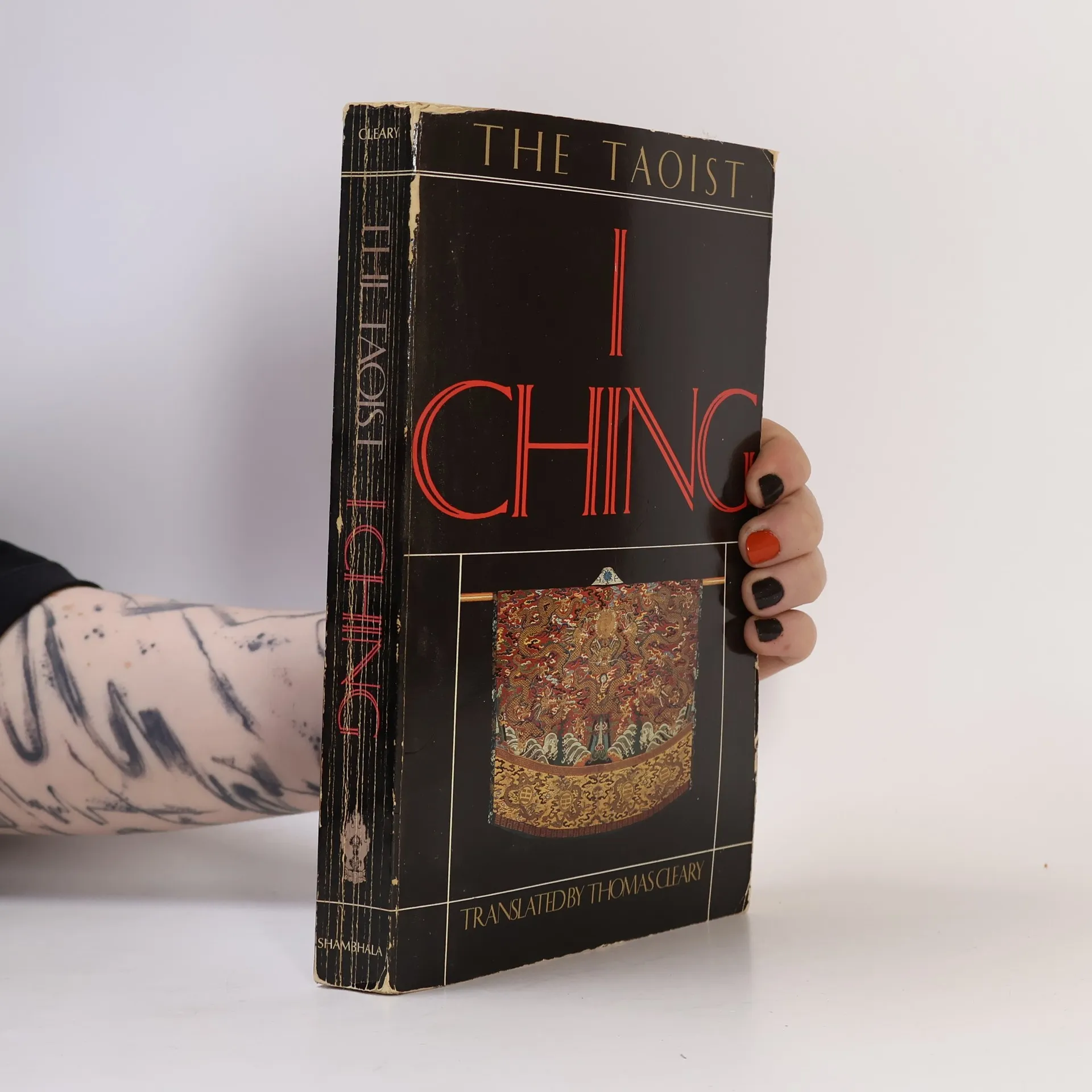
The I Ching, or "Book of Change," is the oldest Chinese classic, renowned for its enduring prestige and popularity over two millennia. It features multiple layers of text and interpretations, attracting the attention of philosophers, politicians, mystics, and scientists alike. The first part of this volume presents the I Ching's core text, which includes sixty-four hexagrams and associated sayings, accompanied by commentary from Liu I-ming, a Taoist adept, written in 1796. The second part contains Liu's insights on two additional sections—Overall Images and Mixed Hexagrams—added by earlier Confucian commentators. Together, these elements shed light on the Taoist teachings as practiced in the School of Complete Reality. Liu I-ming, knowledgeable in Buddhism, Confucianism, and Taoism, aimed to provide guidance for self-realization while navigating everyday life. He demystifies the I Ching's esoteric language using concepts from psychology, sociology, history, myth, and religion. This commentary significantly contributes to understanding Chinese spiritual thought.
Édition

Achat du livre
Taoist I Ching, Thomas F. Cleary, Yiming Liu
- Langue

- Année de publication
- 1986
- Reliure
- (souple)
Modes de paiement
Il manque plus que ton avis ici.
- Titre
- Taoist I Ching
- Langue
- Anglais
- Auteurs
- Thomas F. Cleary, Yiming Liu
- Éditeur
- Shambhala Publications Inc
- Publié
- 1986
- Format
- souple
- Pages
- 338
- ISBN10
- 0394743873
- ISBN13
- 9780394743875
- Séries
- Catégories
- Évaluation
- 4,15 sur 5
- Description
- The I Ching, or "Book of Change," is the oldest Chinese classic, renowned for its enduring prestige and popularity over two millennia. It features multiple layers of text and interpretations, attracting the attention of philosophers, politicians, mystics, and scientists alike. The first part of this volume presents the I Ching's core text, which includes sixty-four hexagrams and associated sayings, accompanied by commentary from Liu I-ming, a Taoist adept, written in 1796. The second part contains Liu's insights on two additional sections—Overall Images and Mixed Hexagrams—added by earlier Confucian commentators. Together, these elements shed light on the Taoist teachings as practiced in the School of Complete Reality. Liu I-ming, knowledgeable in Buddhism, Confucianism, and Taoism, aimed to provide guidance for self-realization while navigating everyday life. He demystifies the I Ching's esoteric language using concepts from psychology, sociology, history, myth, and religion. This commentary significantly contributes to understanding Chinese spiritual thought.