

The Secret of the Golden Flower. A Chinese Book of Life
Évaluation du livre
En savoir plus sur le livre
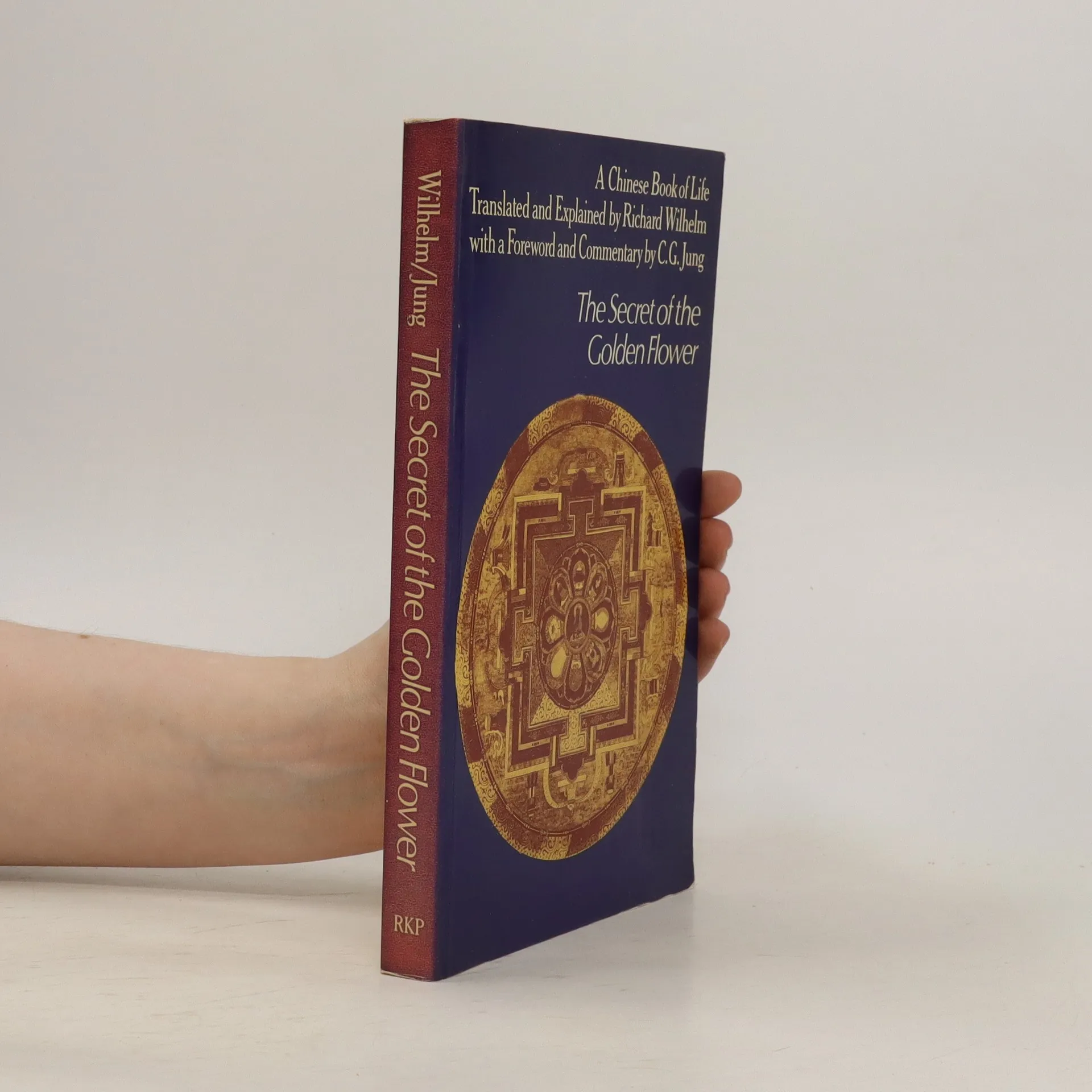
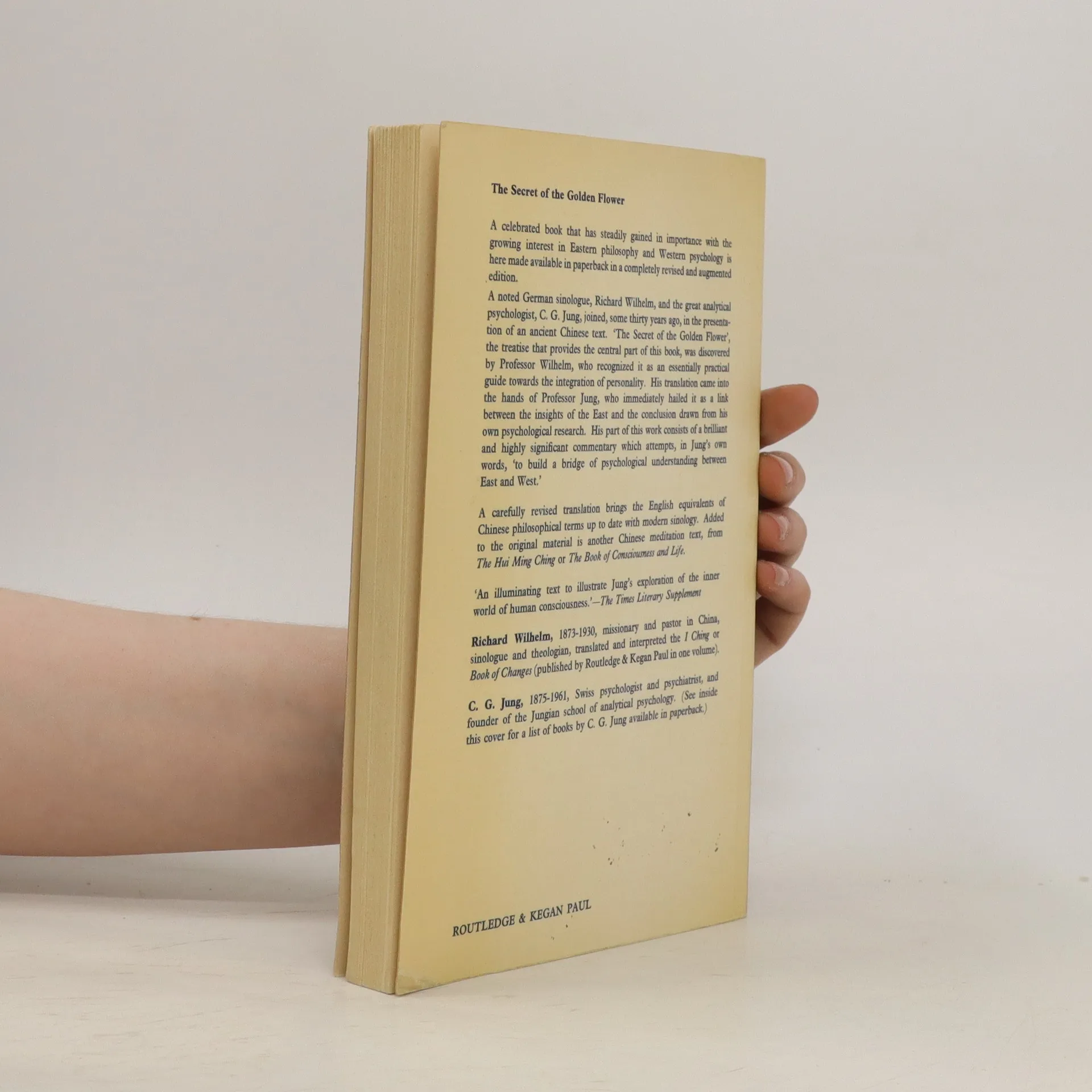
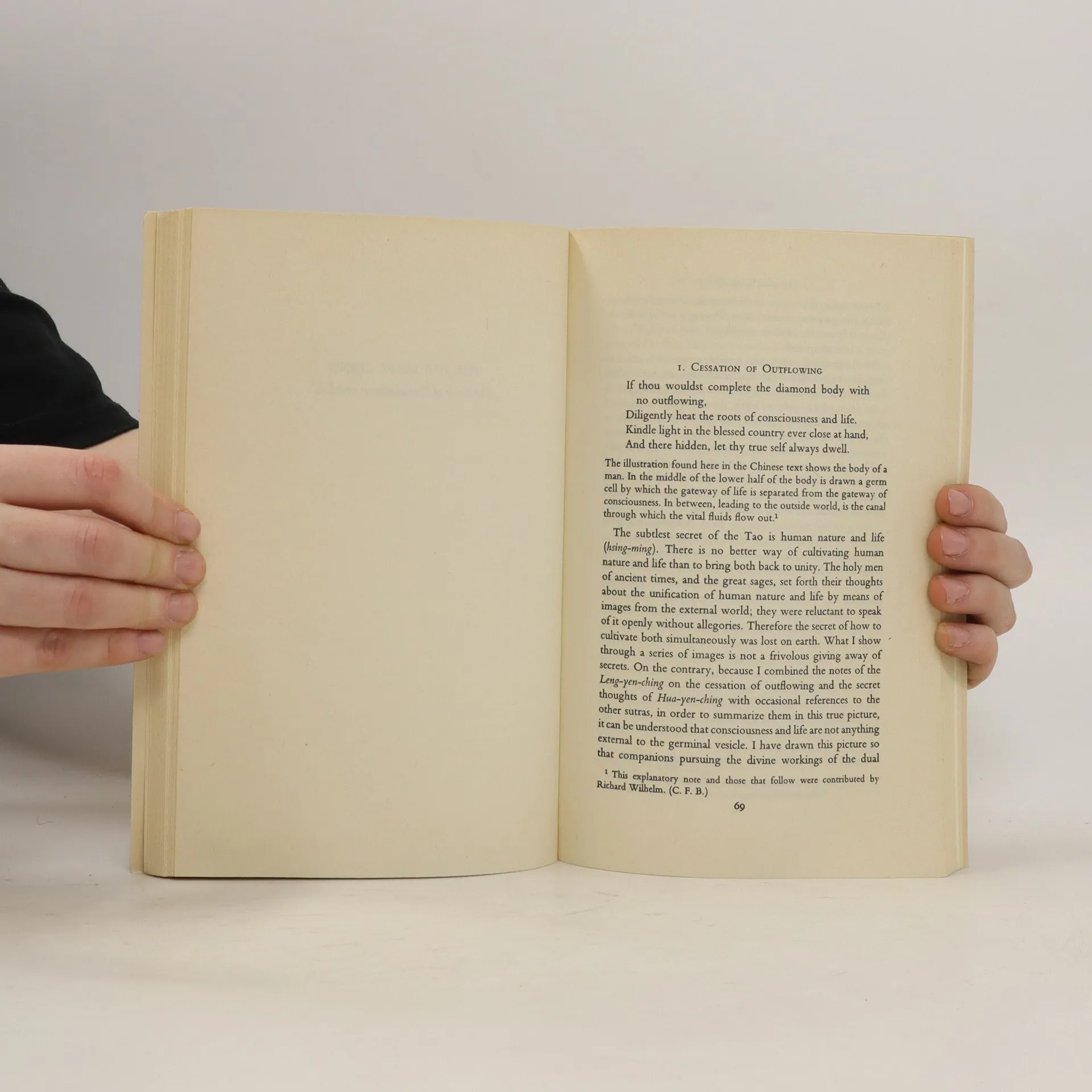
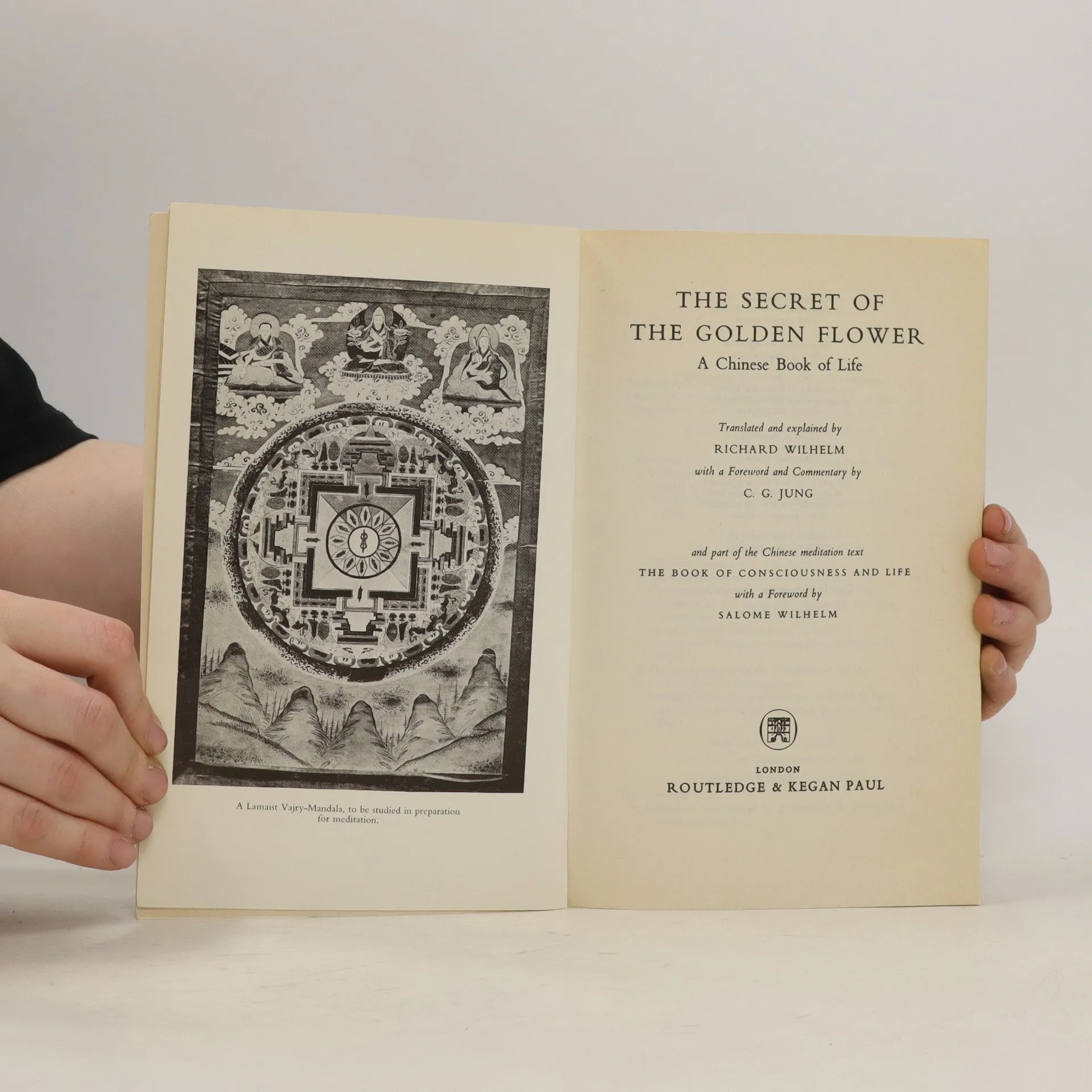
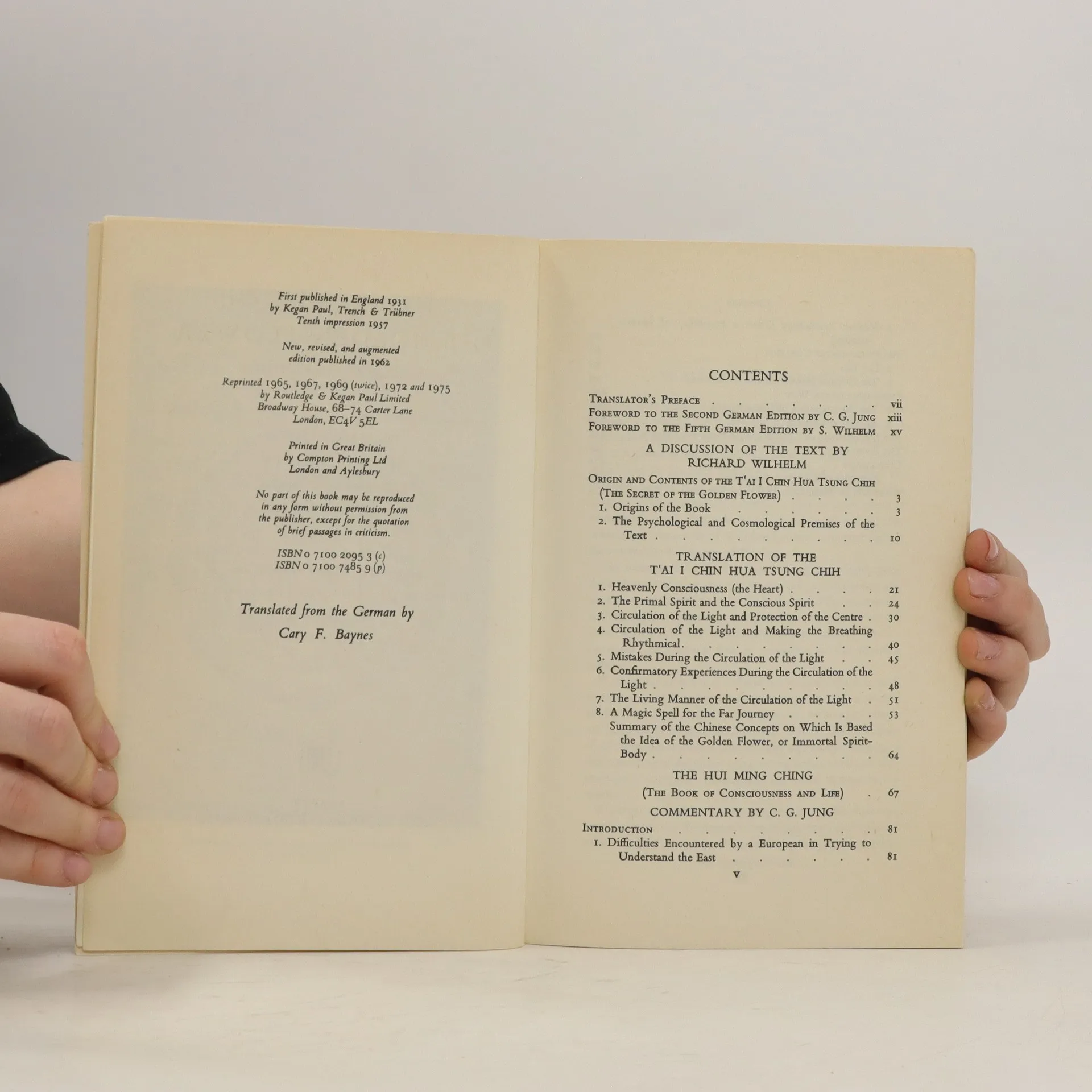
This unique text of esoteric Taoism provides insight into the secret religious traditions of ancient China while exploring the relationship between Western and Eastern traditions, as well as Jung's concept of the unconscious. The ancient esoteric text, influenced by Buddhism, Confucianism, and possibly Nestorian Christianity, includes practical instructions for meditation exercises that enable the practitioner to break free from worldly attachments, achieve health, and ultimately experience the "birth of the golden flower," symbolizing spiritual rebirth. C. G. Jung utilized the opportunity to comment on the text not only to write a study comparing the psychology and spiritual lives of Western and Eastern individuals, highlighting important practical implications of this comparison, but also to vividly articulate the foundations of his theory of the collective unconscious, for which the Chinese text provided valuable evidence.


Achat du livre
The Secret of the Golden Flower. A Chinese Book of Life, Carl Gustav Jung, Richard Wilhelm, Cary F. Baynes
- Langue

- Année de publication
- 1975
- Reliure
- (souple)
Modes de paiement
Il manque plus que ton avis ici.
- Titre
- The Secret of the Golden Flower. A Chinese Book of Life
- Langue
- Anglais
- Éditeur
- Routledge
- Publié
- 1975
- Format
- souple
- ISBN10
- 0710074859
- ISBN13
- 9780710074850
- Séries
- Catégories
- Mots clés
- Thèmes psychologiques, Thèmes religieux, Thématique philosophique, Spiritualité et spiritualisme, Chine, Psychoanalyse, Littérature chinoise, Alchimie, Rédemption, salut, Tao
- Titre original
- Geheimnis der Goldenen Blüte - Ein chinesisches Lebensbuch
- Évaluation
- 4 sur 5
- Description
- This unique text of esoteric Taoism provides insight into the secret religious traditions of ancient China while exploring the relationship between Western and Eastern traditions, as well as Jung's concept of the unconscious. The ancient esoteric text, influenced by Buddhism, Confucianism, and possibly Nestorian Christianity, includes practical instructions for meditation exercises that enable the practitioner to break free from worldly attachments, achieve health, and ultimately experience the "birth of the golden flower," symbolizing spiritual rebirth. C. G. Jung utilized the opportunity to comment on the text not only to write a study comparing the psychology and spiritual lives of Western and Eastern individuals, highlighting important practical implications of this comparison, but also to vividly articulate the foundations of his theory of the collective unconscious, for which the Chinese text provided valuable evidence.