

Paramètres
En savoir plus sur le livre
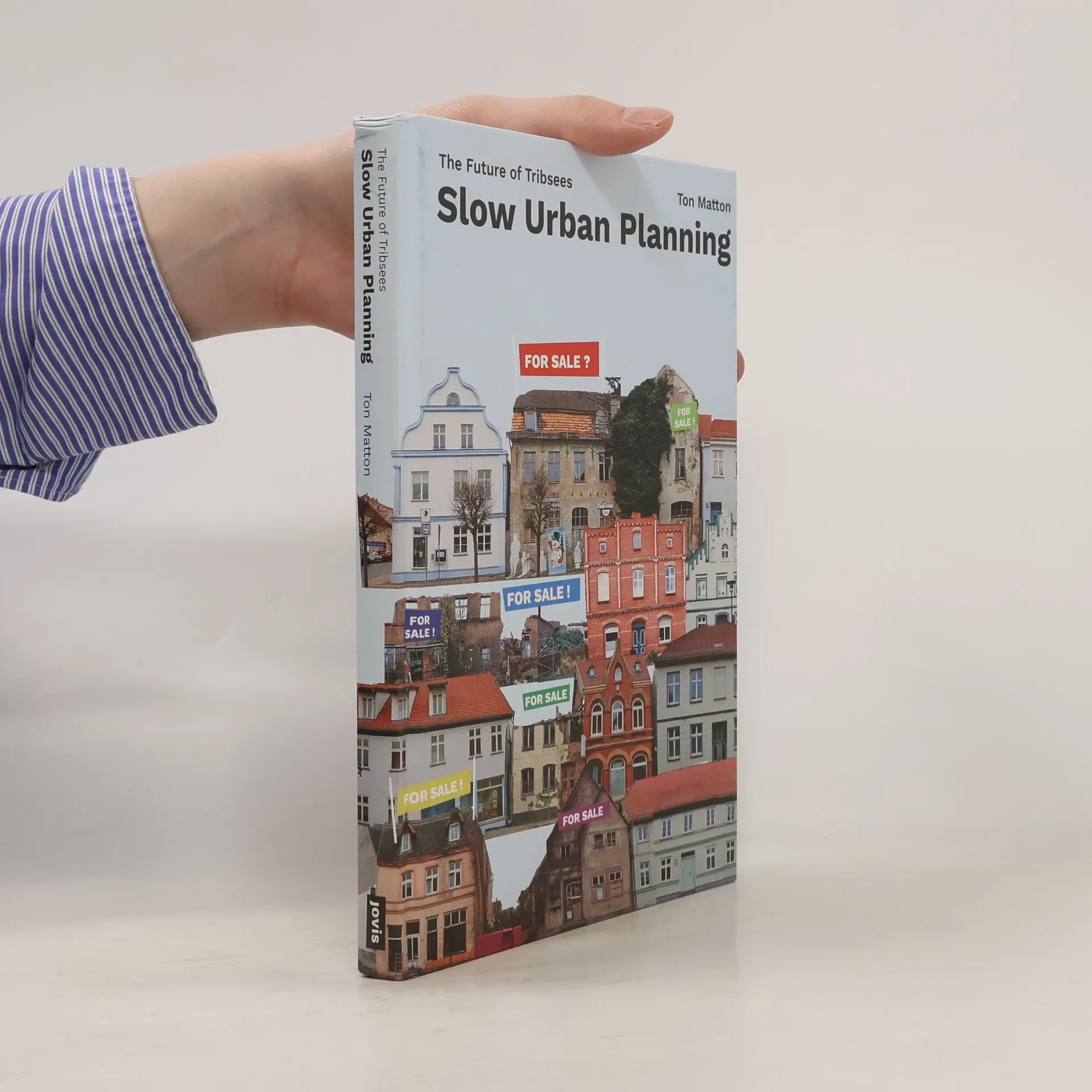
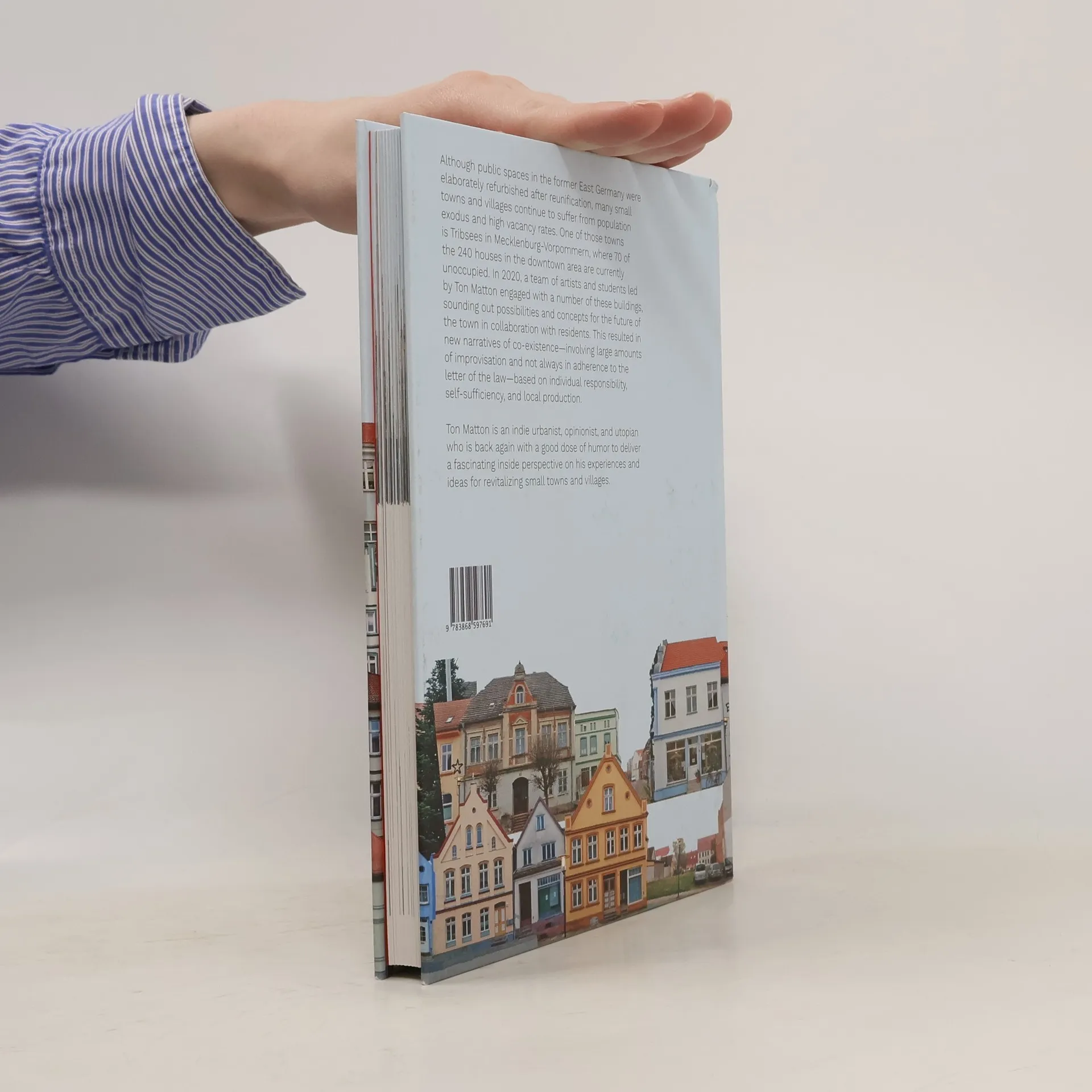
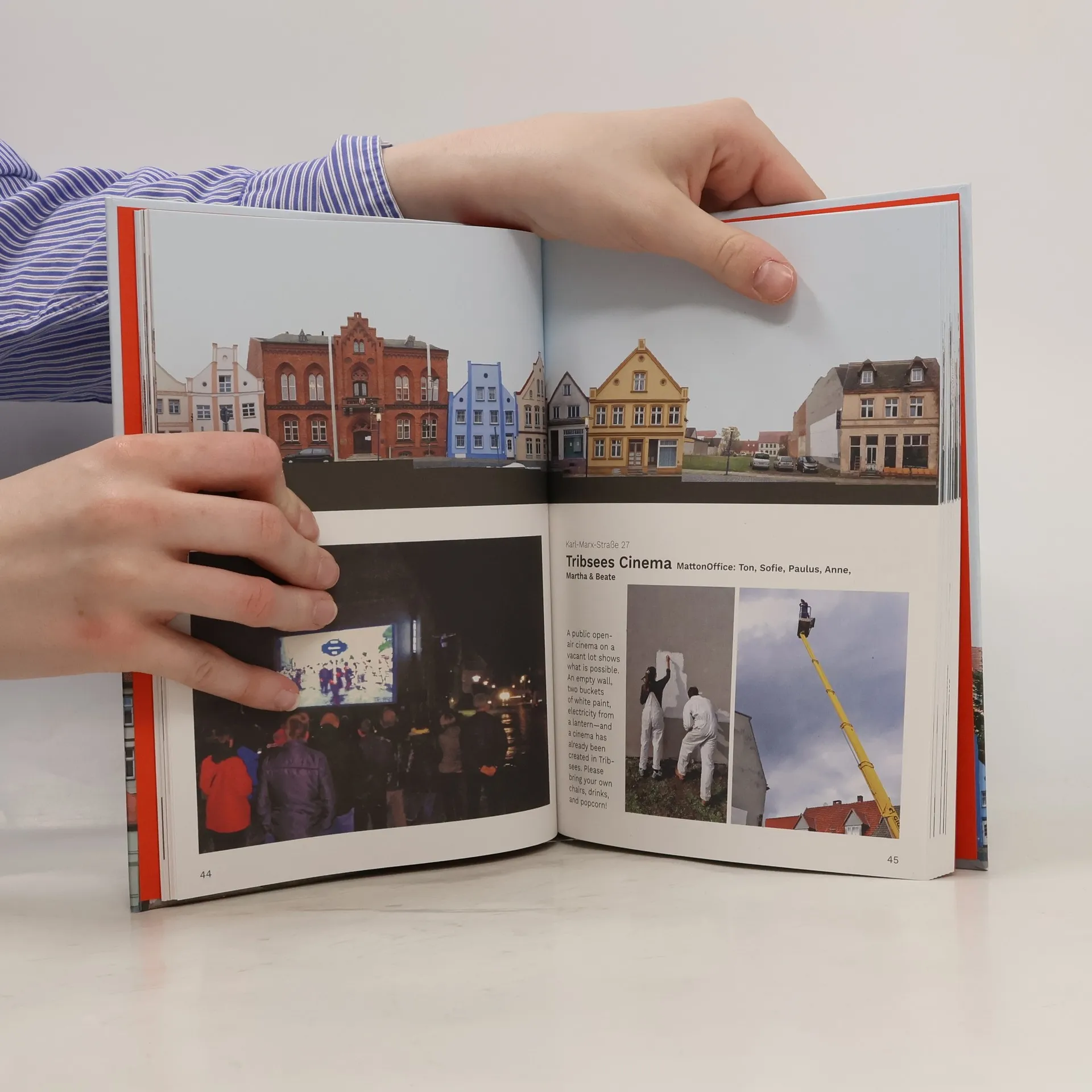
Although public spaces in the former East Germany were elaborately refurbished after reunification, many small towns and villages continue to suffer from population exodus and high vacancy rates. One of those towns is Tribsees in Mecklenburg-Vorpommern, where 70 of the 240 houses in the downtown area are currently unoccupied. In 2020, a team of artists and students led by Ton Matton engaged with a number of these buildings, sounding out possibilities and concepts for the future of the town in collaboration with residents. This resulted in new narratives of co-existence—involving large amounts of improvisation and not always in adherence to the letter of the law—based on individual responsibility, self-sufficiency, and local production. Slow Urban Planning does more than document this project and its artistic interventions, some of which were implemented in the context of the Tribsees Centenniale . It also illuminates how urban planning processes tend to proceed in general, and how regulatory structures can be adapted in order to better integrate performative processes.

Achat du livre
Slow Urban Planning, Ton Matton
- Langue

- Année de publication
- 2023
- Reliure
- (rigide)
Modes de paiement
Il manque plus que ton avis ici.
- Titre
- Slow Urban Planning
- Sous-titre
- The Future of Tribsees
- Langue
- Anglais
- Auteurs
- Ton Matton
- Éditeur
- JOVIS Verlag GmbH
- Publié
- 2023
- Format
- rigide
- ISBN10
- 3868597697
- ISBN13
- 9783868597691
- Séries
- Mots clés
- Architecture
- Évaluation
- 4 sur 5
- Description
- Although public spaces in the former East Germany were elaborately refurbished after reunification, many small towns and villages continue to suffer from population exodus and high vacancy rates. One of those towns is Tribsees in Mecklenburg-Vorpommern, where 70 of the 240 houses in the downtown area are currently unoccupied. In 2020, a team of artists and students led by Ton Matton engaged with a number of these buildings, sounding out possibilities and concepts for the future of the town in collaboration with residents. This resulted in new narratives of co-existence—involving large amounts of improvisation and not always in adherence to the letter of the law—based on individual responsibility, self-sufficiency, and local production. Slow Urban Planning does more than document this project and its artistic interventions, some of which were implemented in the context of the Tribsees Centenniale . It also illuminates how urban planning processes tend to proceed in general, and how regulatory structures can be adapted in order to better integrate performative processes.