

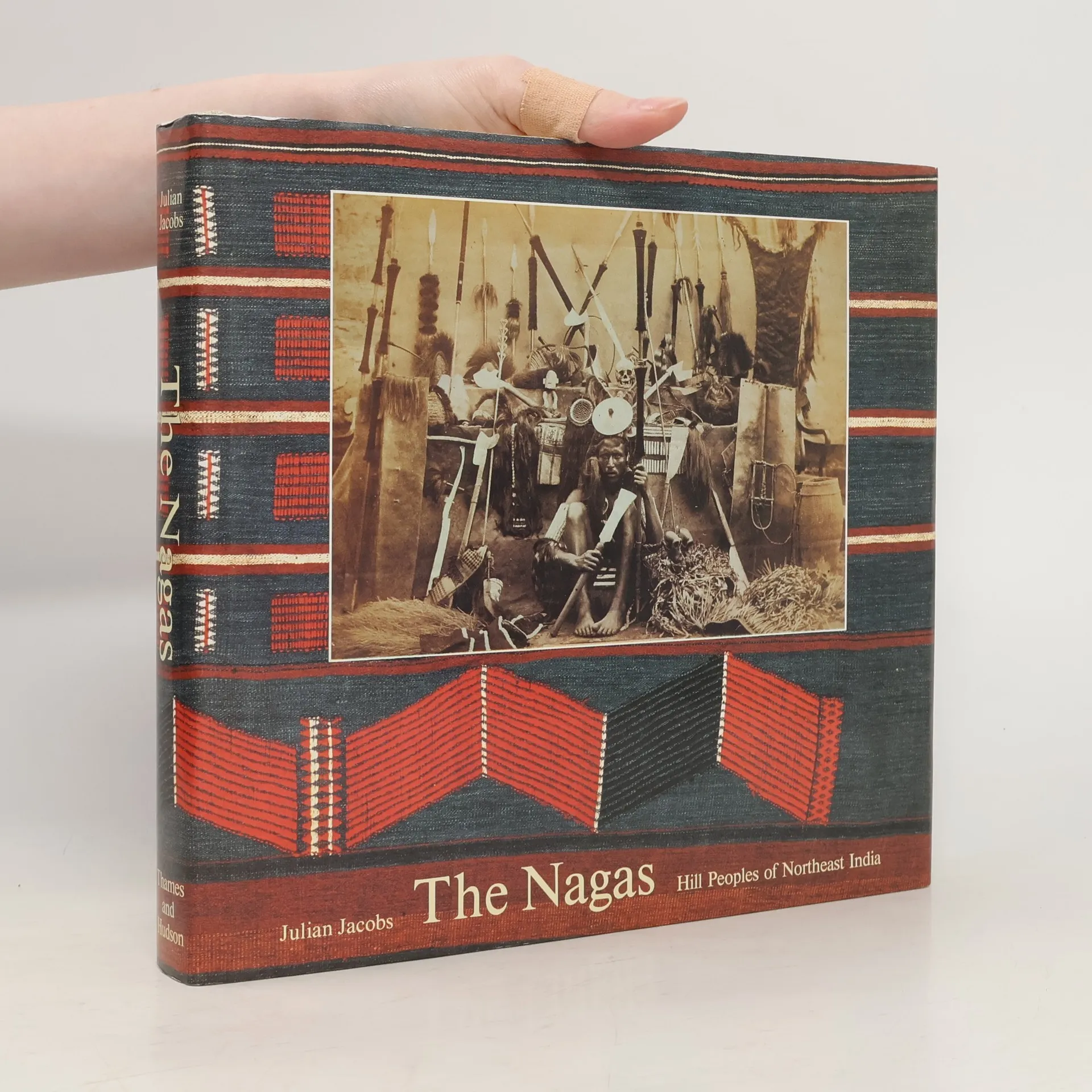
En savoir plus sur le livre
The Nagas of Northeast India, radically different in culture and beliefs from the better-known Hindu peoples of the plains, were renowned in the years before Indian independence for their fierce resistance to British rule and for their practice of headhunting. Although sharing many social and cultural traits, the thousands of small Naga villages often vary greatly from one another, and the Nagas display both unity and diversity in their dress and ornament. Their vibrant material culture is generously illustrated here in color photographs that display textiles, basketry, jewelry, weapons, metalwork, and carvings. Drawing on a diverse range of historical materials, the authors examine how the notion of tribes came to be applied to the Nagas and point out its subsequent importance in the development of contemporary Naga nationalism.
Édition

Achat du livre
The Nagas, Julian Jacobs
- Langue

- Année de publication
- 1990
- Reliure
- (rigide)
Modes de paiement
Il manque plus que ton avis ici.
- Titre
- The Nagas
- Langue
- Anglais
- Auteurs
- Julian Jacobs
- Éditeur
- Thames & Hudson
- Publié
- 1990
- Format
- rigide
- Pages
- 300
- ISBN10
- 0500973881
- ISBN13
- 9780500973882
- Séries
- Mots clés
- Inde
- Évaluation
- 3,25 sur 5
- Description
- The Nagas of Northeast India, radically different in culture and beliefs from the better-known Hindu peoples of the plains, were renowned in the years before Indian independence for their fierce resistance to British rule and for their practice of headhunting. Although sharing many social and cultural traits, the thousands of small Naga villages often vary greatly from one another, and the Nagas display both unity and diversity in their dress and ornament. Their vibrant material culture is generously illustrated here in color photographs that display textiles, basketry, jewelry, weapons, metalwork, and carvings. Drawing on a diverse range of historical materials, the authors examine how the notion of tribes came to be applied to the Nagas and point out its subsequent importance in the development of contemporary Naga nationalism.