



En savoir plus sur le livre
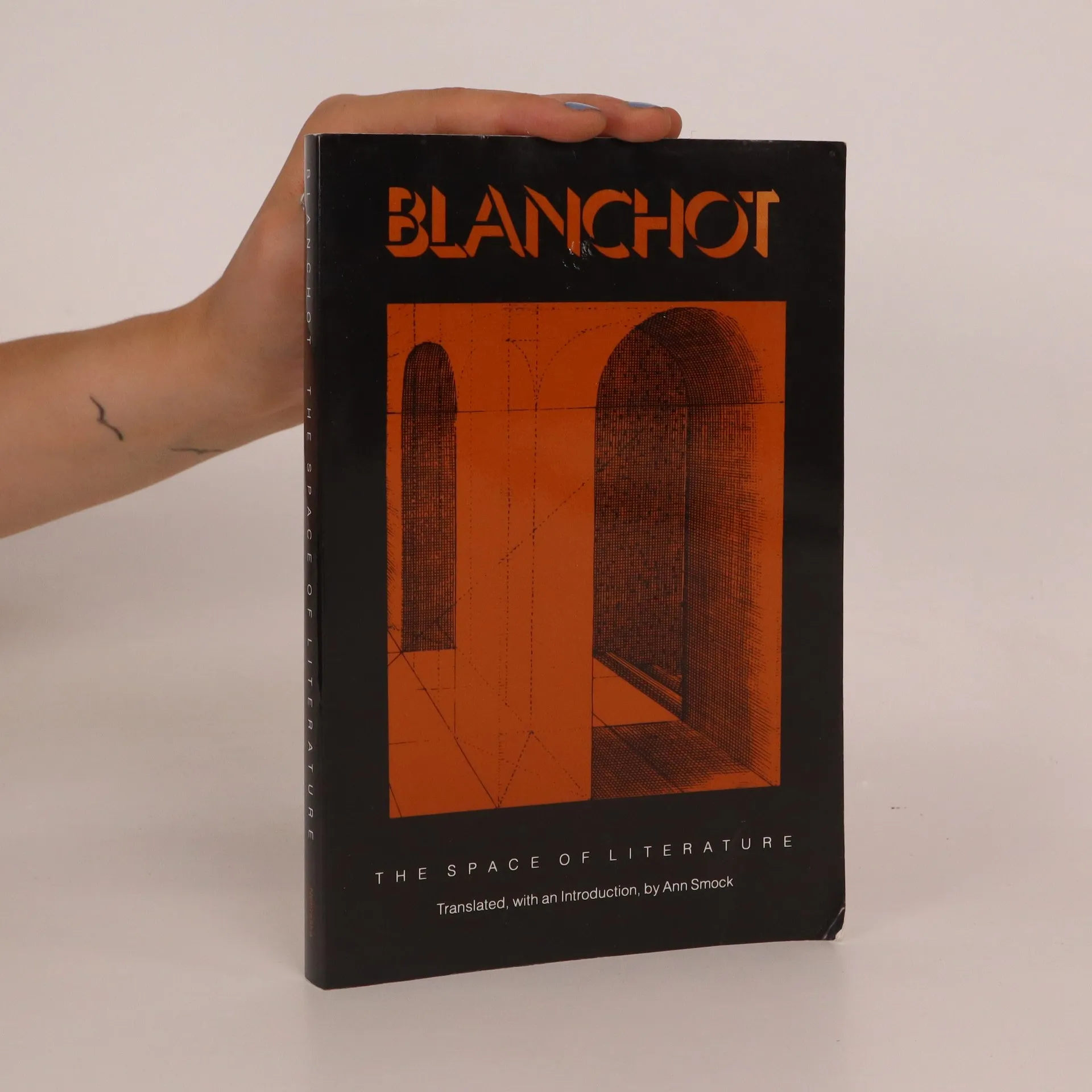
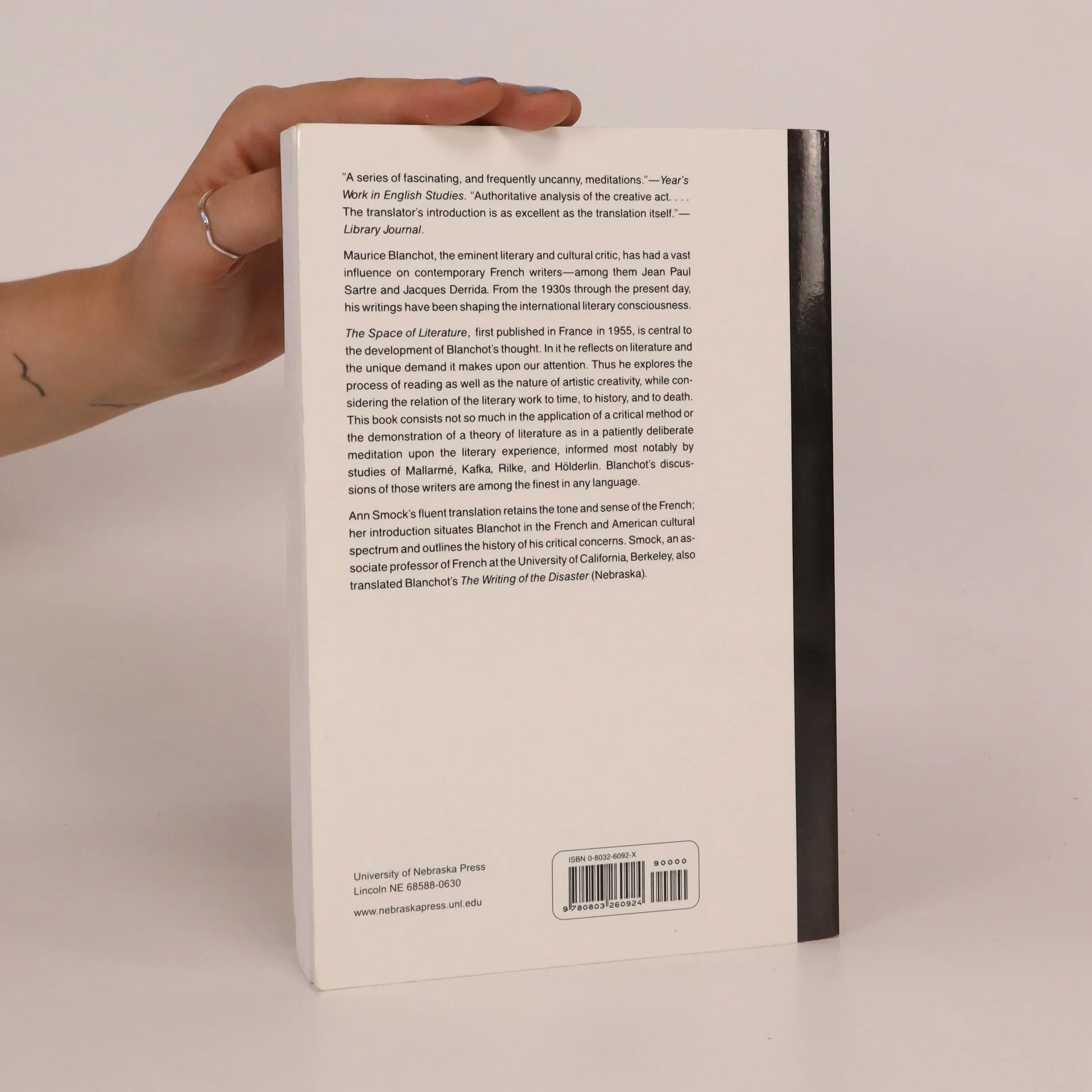
Maurice Blanchot, the eminent literary and cultural critic, has had a vast influence on contemporary French writers—among them Jean Paul Sartre and Jacques Derrida. From the 1930s through the present day, his writings have been shaping the international literary consciousness. The Space of Literature , first published in France in 1955, is central to the development of Blanchot's thought. In it he reflects on literature and the unique demand it makes upon our attention. Thus he explores the process of reading as well as the nature of artistic creativity, all the while considering the relation of the literary work to time, to history, and to death. This book consists not so much in the application of a critical method or the demonstration of a theory of literature as in a patiently deliberate meditation upon the literary experience, informed most notably by studies of Mallarmé, Kafka, Rilke, and Hölderlin. Blanchot's discussions of those writers are among the finest in any language.


Édition

Achat du livre
The Space of Literature, Maurice Blanchot, Ann Smock
- Langue

- Année de publication
- 1989
Modes de paiement
Il manque plus que ton avis ici.
- Titre
- The Space of Literature
- Langue
- Anglais
- Auteurs
- Maurice Blanchot, Ann Smock
- Éditeur
- Gallimard
- Publié
- 1989
- Séries
- Mots clés
- Thématique philosophique, Littérature allemande, France, Mort, Littérature française, Critique littéraire, Inspiration, Écriture, Théories scientifiques, Solitude, Essai, Théorie littéraire, Philosophie du langage
- Première publication
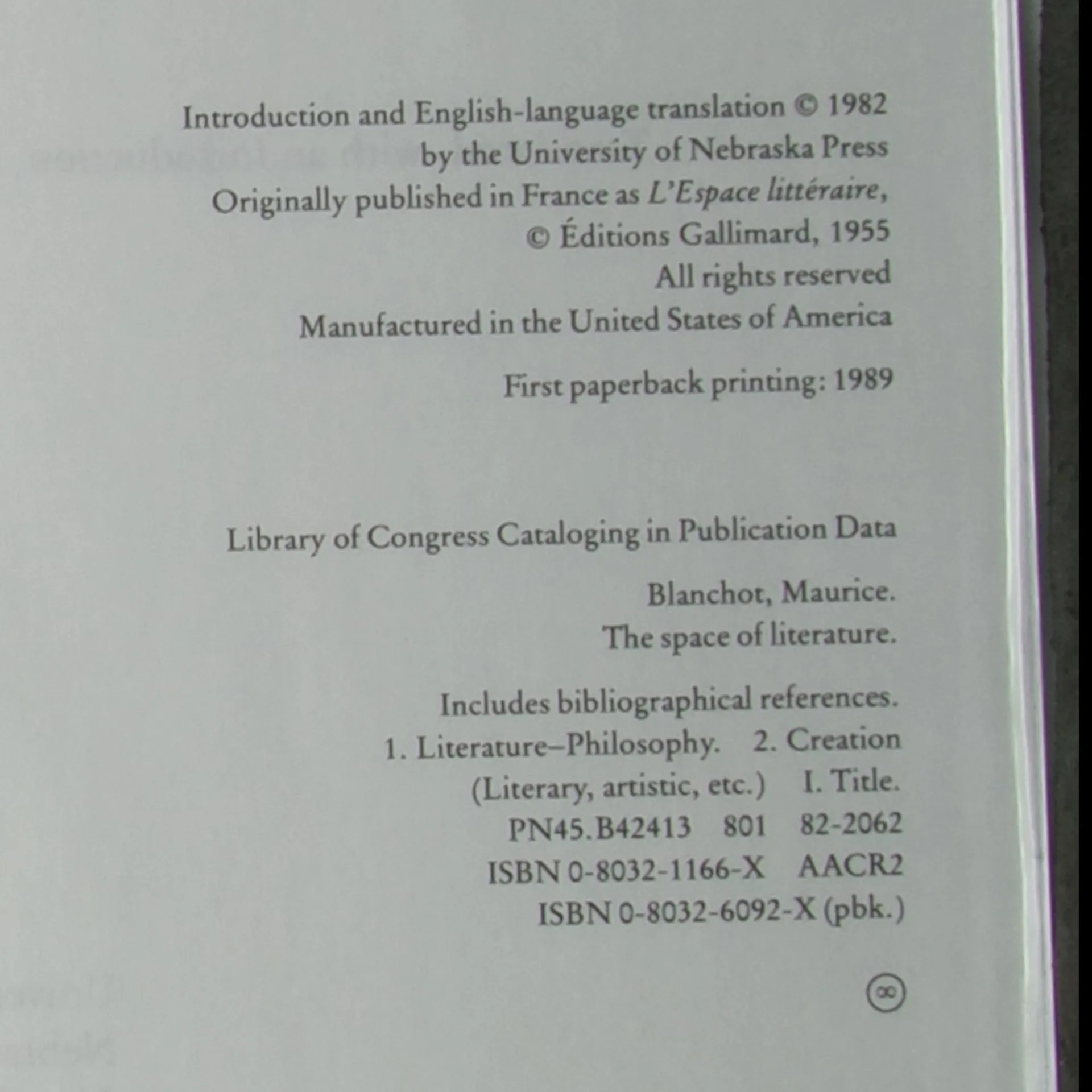
- 1955
- Titre original
- L'Espace littéraire
- Évaluation
- 4,35 sur 5
- Description
- Maurice Blanchot, the eminent literary and cultural critic, has had a vast influence on contemporary French writers—among them Jean Paul Sartre and Jacques Derrida. From the 1930s through the present day, his writings have been shaping the international literary consciousness. The Space of Literature , first published in France in 1955, is central to the development of Blanchot's thought. In it he reflects on literature and the unique demand it makes upon our attention. Thus he explores the process of reading as well as the nature of artistic creativity, all the while considering the relation of the literary work to time, to history, and to death. This book consists not so much in the application of a critical method or the demonstration of a theory of literature as in a patiently deliberate meditation upon the literary experience, informed most notably by studies of Mallarmé, Kafka, Rilke, and Hölderlin. Blanchot's discussions of those writers are among the finest in any language.