

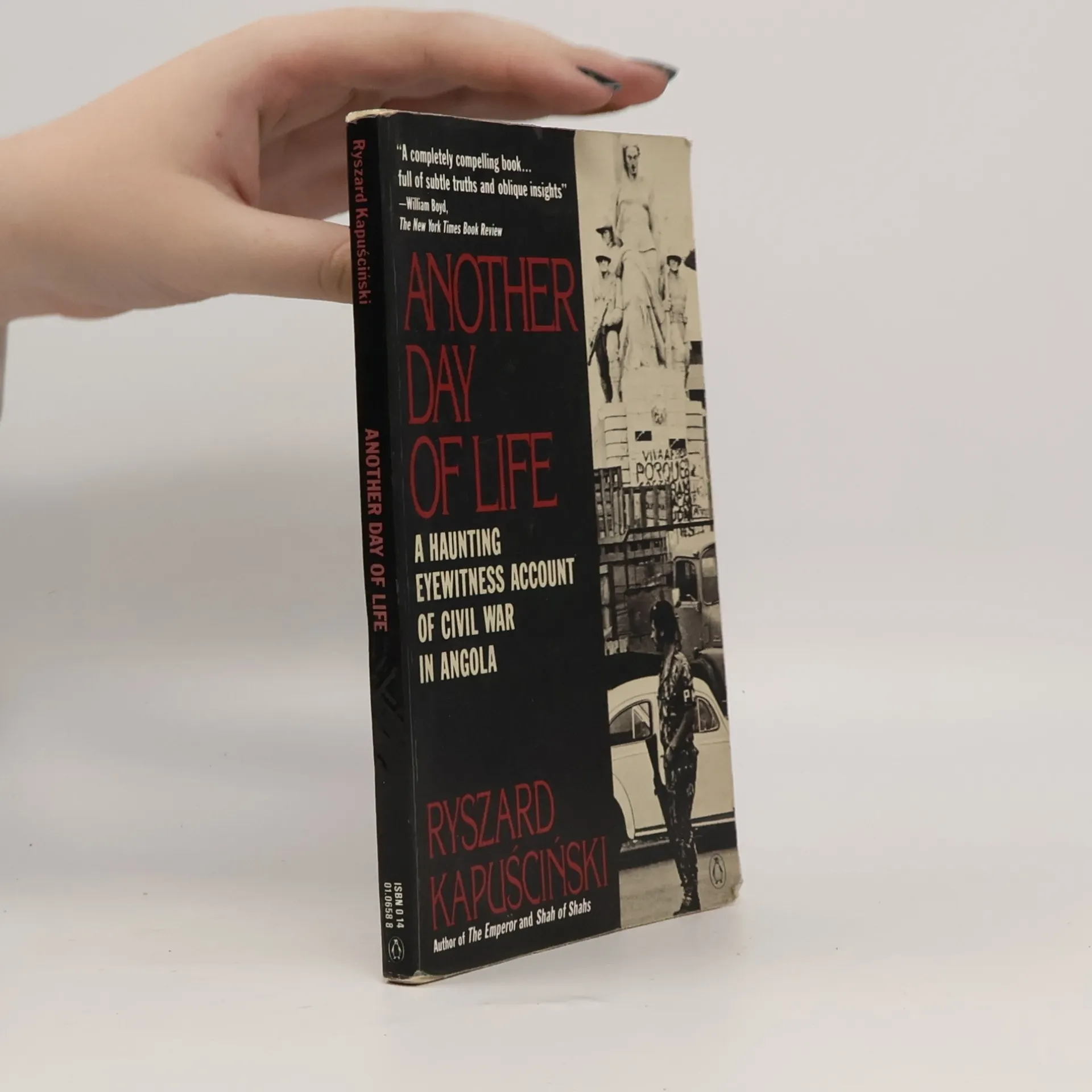

Another Day of Life
Évaluation du livre
Paramètres
- 136pages
- 5 heures de lecture
En savoir plus sur le livre
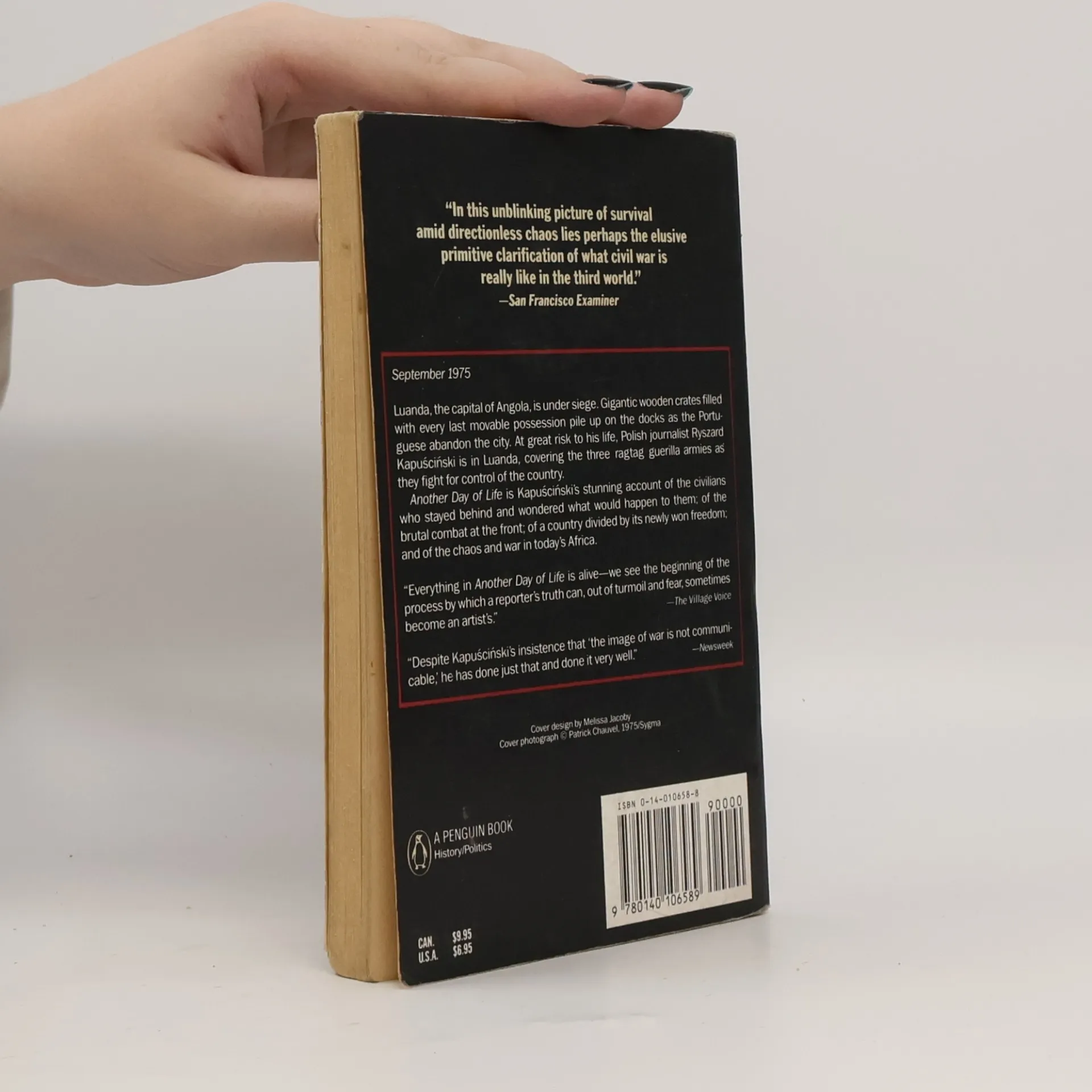
In 1975, Angola was tumbling into pandemonium; everyone who could was packing crates, desperate to abandon the beleaguered colony. With his trademark bravura, Ryszard Kapuscinski went the other way, begging his was from Lisbon and comfort to Luanda once famed as Africa's Rio de Janeiro and chaos.Angola, a slave colony later given over to mining and plantations, was a promised land for generations of poor Portuguese. It had belonged to Portugal since before there were English-speakers in North America. After the collapse of the fascist dictatorship in Portugal in 1974, Angola was brusquely cut loose, spurring the catastrophe of a still-ongoing civil war. Kapuscinski plunged right into the middle of the drama, driving past thousands of haphazardly placed check-points, where using the wrong shibboleth was a matter of life and death; recording his imporessions of the young soldiers from Cuba, Angola, South Africa, Portugal fighting a nebulous war with global repercussions; and examining the peculiar brutality of a country surprised and divided by its newfound freedom.Translated from the Polish by William R. Brand and Katarzyna Mroczkowska-Brand."


Achat du livre
Another Day of Life, Ryszard Kapuściński, William Brand, Katarzyna Mroczkowska-Brand
- Langue

- Année de publication
- 1988
- Reliure
- (souple)
Modes de paiement
Il manque plus que ton avis ici.
- Titre
- Another Day of Life
- Langue
- Anglais
- Éditeur
- Penguin Books
- Publié
- 1988
- Format
- souple
- Pages
- 136
- ISBN10
- 0140106588
- ISBN13
- 9780140106589
- Séries
- Catégories
- Mots clés
- Voyage, Thématique philosophique, Journalisme littéraire, Afrique, Journalisme et Publication, Littérature polonaise, Guerre civile, Années 70 du XXe siècle, Angola
- Première publication
- 1976
- Titre original
- Jeszcze dzień życia
- Évaluation
- 4,2 sur 5
- Description
- In 1975, Angola was tumbling into pandemonium; everyone who could was packing crates, desperate to abandon the beleaguered colony. With his trademark bravura, Ryszard Kapuscinski went the other way, begging his was from Lisbon and comfort to Luanda once famed as Africa's Rio de Janeiro and chaos.Angola, a slave colony later given over to mining and plantations, was a promised land for generations of poor Portuguese. It had belonged to Portugal since before there were English-speakers in North America. After the collapse of the fascist dictatorship in Portugal in 1974, Angola was brusquely cut loose, spurring the catastrophe of a still-ongoing civil war. Kapuscinski plunged right into the middle of the drama, driving past thousands of haphazardly placed check-points, where using the wrong shibboleth was a matter of life and death; recording his imporessions of the young soldiers from Cuba, Angola, South Africa, Portugal fighting a nebulous war with global repercussions; and examining the peculiar brutality of a country surprised and divided by its newfound freedom.Translated from the Polish by William R. Brand and Katarzyna Mroczkowska-Brand."