



Paramètres
- 320pages
- 12 heures de lecture
En savoir plus sur le livre
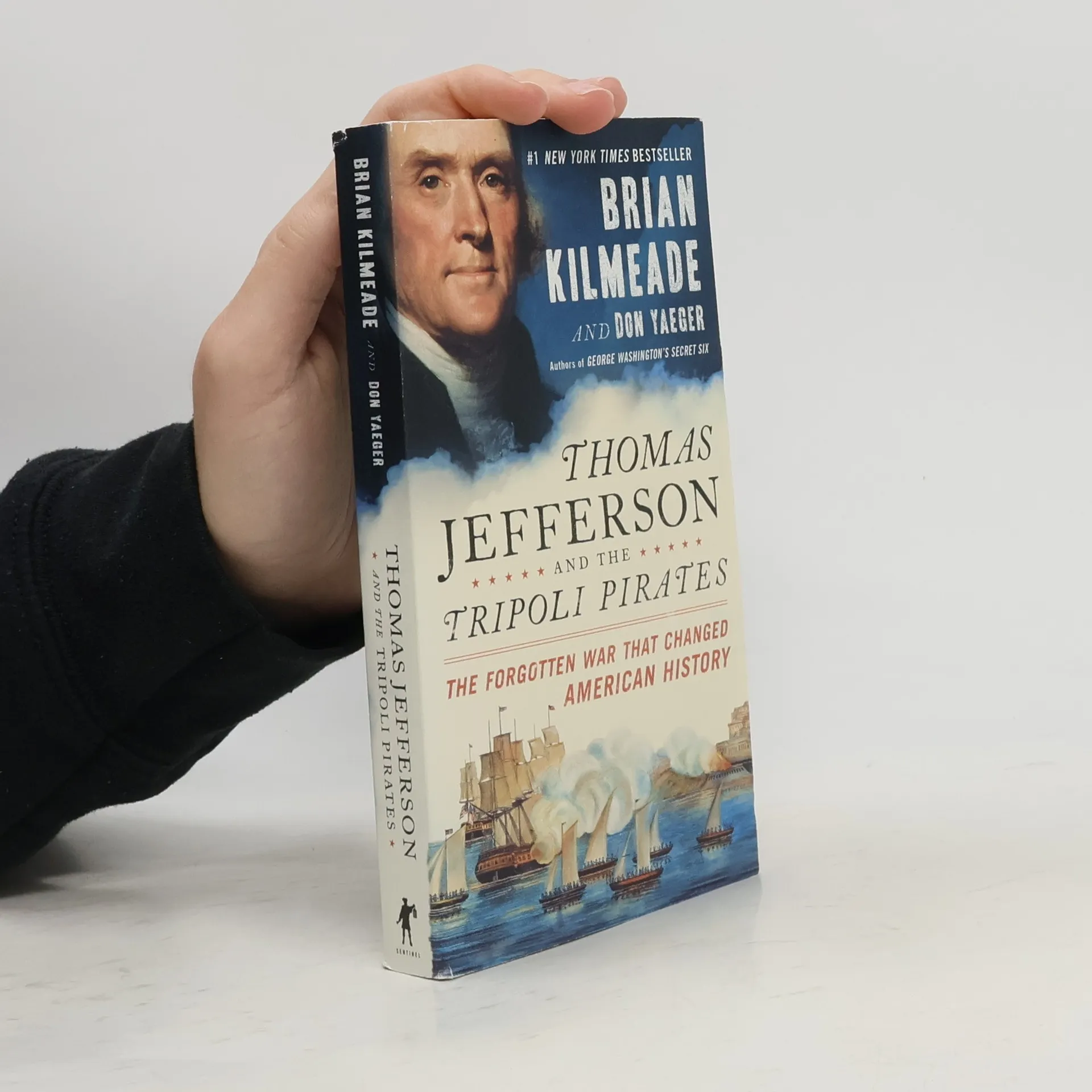
This is the little-known story of how a newly independent nation was challenged by four Muslim powers and what happened when America's third president decided to stand up to intimidation. When Thomas Jefferson became president in 1801, America faced a crisis. The new nation was deeply in debt and needed its economy to grow quickly, but its merchant ships were under attack. Pirates from North Africa's Barbary coast routinely captured American sailors and held them as slaves, demanding ransom and tribute payments far beyond what the new country could afford. Over the previous fifteen years, as a diplomat and then as secretary of state, Jefferson had tried to work with the Barbary states (Tripoli, Tunis, Algiers, and Morocco). Unfortunately, he found it impossible to negotiate with people who believed their religion justified the plunder and enslavement of non-Muslims. These rogue states would show no mercy -- at least not while easy money could be made by extorting America, France, England, and other powers. So President Jefferson decided to move beyond diplomacy. He sent the U.S. Navy's new warships and a detachment of marines to blockade Tripoli -- launching the Barbary Wars and beginning America's journey toward future superpower status
Édition

Achat du livre
Thomas Jefferson And The Tripoli Pirates, Don Yaeger, Brian Kilmeade
- Langue

- Année de publication
- 2017
- Reliure
- (souple)
Modes de paiement
Il manque plus que ton avis ici.
- Titre
- Thomas Jefferson And The Tripoli Pirates
- Langue
- Anglais
- Auteurs
- Don Yaeger, Brian Kilmeade
- Éditeur
- Penguin Putnam Inc
- Publié
- 2017
- Format
- souple
- Pages
- 320
- ISBN10
- 0143131834
- ISBN13
- 9780143131830
- Séries
- Catégories
- Évaluation
- 3,85 sur 5
- Description
- This is the little-known story of how a newly independent nation was challenged by four Muslim powers and what happened when America's third president decided to stand up to intimidation. When Thomas Jefferson became president in 1801, America faced a crisis. The new nation was deeply in debt and needed its economy to grow quickly, but its merchant ships were under attack. Pirates from North Africa's Barbary coast routinely captured American sailors and held them as slaves, demanding ransom and tribute payments far beyond what the new country could afford. Over the previous fifteen years, as a diplomat and then as secretary of state, Jefferson had tried to work with the Barbary states (Tripoli, Tunis, Algiers, and Morocco). Unfortunately, he found it impossible to negotiate with people who believed their religion justified the plunder and enslavement of non-Muslims. These rogue states would show no mercy -- at least not while easy money could be made by extorting America, France, England, and other powers. So President Jefferson decided to move beyond diplomacy. He sent the U.S. Navy's new warships and a detachment of marines to blockade Tripoli -- launching the Barbary Wars and beginning America's journey toward future superpower status