


Paramètres
- 232pages
- 9 heures de lecture
En savoir plus sur le livre
Pulitzer-Prize winning journalist Jose Antonio Vargas, known as “the most famous undocumented immigrant in America,” presents a deeply personal and explosive memoir that addresses one of today's defining issues. He emphasizes that this narrative transcends the politics of immigration, focusing instead on the emotional and psychological turmoil faced by undocumented immigrants. Vargas explores themes of homelessness—not in the conventional sense, but as a state of being unmoored and unsettled. He reflects on the necessity of lying to survive, the struggle to pass as an American citizen, and the complexities of family dynamics, including the need to forge new connections when traditional family structures are disrupted. The memoir delves into the constant fear of government exposure and the internal conflict of hiding one's true self. After 25 years of living in a country that does not recognize him, Vargas articulates that this work represents his closest semblance of freedom. This powerful account is not only a personal journey but also a vital commentary on the immigrant experience in America.

Achat du livre
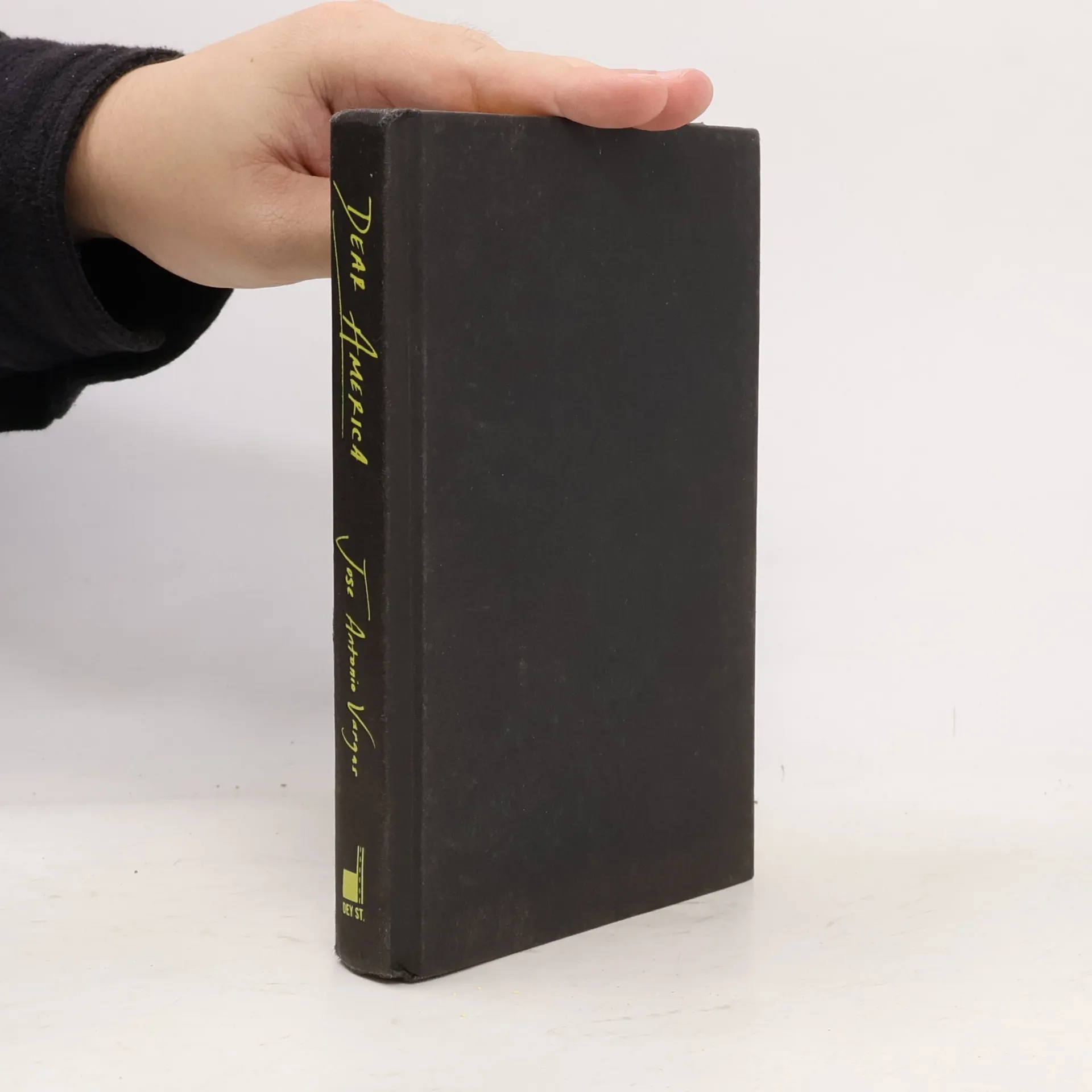
Dear America, Jose Antonio Vargas
- Langue

- Année de publication
- 2018
- Reliure
- (rigide),
- État du livre
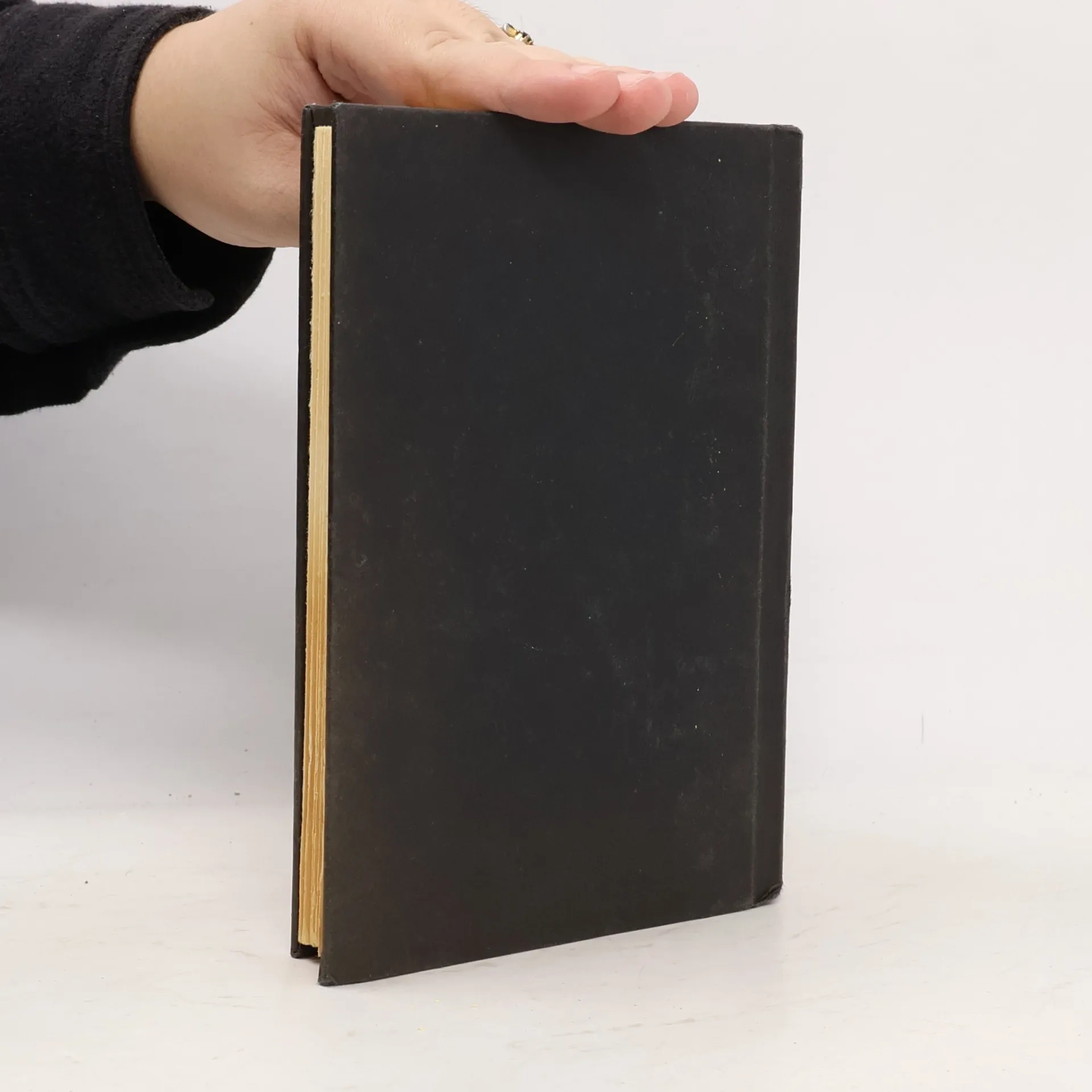
- Bon
- Prix
- 7,29 €
Modes de paiement
Il manque plus que ton avis ici.
- Titre
- Dear America
- Langue
- Anglais
- Auteurs
- Jose Antonio Vargas
- Éditeur
- Dey Street Books
- Publié
- 2018
- Format
- rigide
- Pages
- 232
- ISBN10
- 0062851357
- ISBN13
- 9780062851352
- Séries
- Catégories
- Mots clés
- Politique, Cadeaux pour papy, Race, Racisme, Justice sociale
- Évaluation
- 4,35 sur 5
- Description
- Pulitzer-Prize winning journalist Jose Antonio Vargas, known as “the most famous undocumented immigrant in America,” presents a deeply personal and explosive memoir that addresses one of today's defining issues. He emphasizes that this narrative transcends the politics of immigration, focusing instead on the emotional and psychological turmoil faced by undocumented immigrants. Vargas explores themes of homelessness—not in the conventional sense, but as a state of being unmoored and unsettled. He reflects on the necessity of lying to survive, the struggle to pass as an American citizen, and the complexities of family dynamics, including the need to forge new connections when traditional family structures are disrupted. The memoir delves into the constant fear of government exposure and the internal conflict of hiding one's true self. After 25 years of living in a country that does not recognize him, Vargas articulates that this work represents his closest semblance of freedom. This powerful account is not only a personal journey but also a vital commentary on the immigrant experience in America.