

Épuisé, mais très demandé!

Vous l'avez dans votre bibliothèque ?Gagnez de l'argent entre 0 € et 0,53 € en vendant ce livre.
Vendre des livresParamètres
- 503pages
- 18 heures de lecture
En savoir plus sur le livre
In this infectiously exciting book, Bryan Magee tells the story of his own discovery of philosophy and not only makes it come alive but shows its relevance to daily life. Magee is the Carl Sagan of philosophy, the great popularizer of the subject, and author of a major new introductory history, The Story of Philosophy. Confessions follows the course of Magee's life, exploring philosophers and ideas as he himself encountered them, introducing all the great figures and their ideas, from the pre-Socratics to Bertrand Russell and Karl Popper, including Wittgenstein, Kant, Nietzsche, and Schopenhauer, rationalism, utilitarianism, empiricism, and existentialism.

Édition

Achat du livre
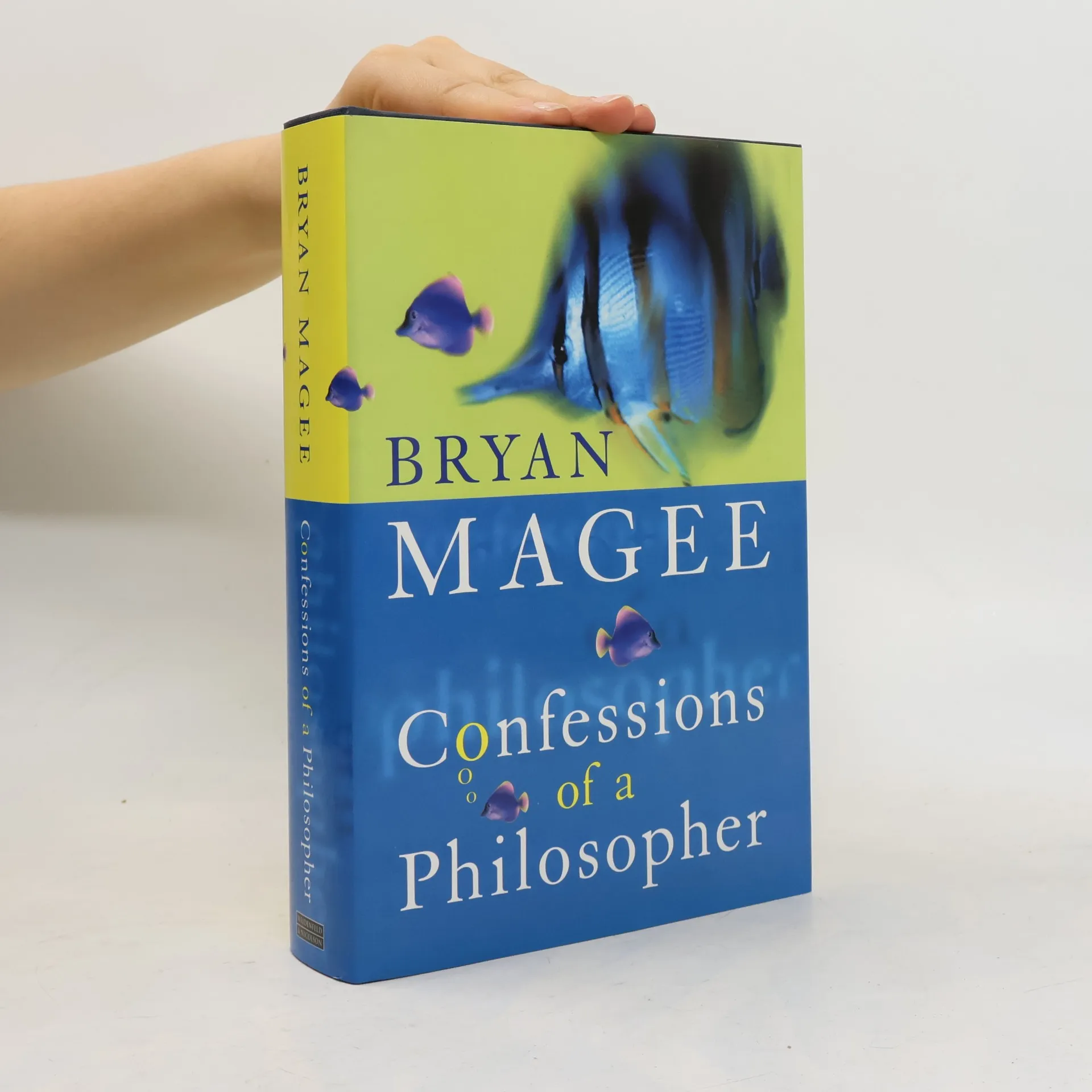
Confessions of a Philosopher, Bryan Magee
- Langue

- Année de publication
- 1997
- Reliure
- (rigide)
Nous vous informerons par e-mail dès que nous l’aurons retrouvé.
Modes de paiement
4,1
Très bien
29 Évaluations
Il manque plus que ton avis ici.
- Titre
- Confessions of a Philosopher
- Langue
- Anglais
- Auteurs
- Bryan Magee
- Éditeur
- Weidenfeld & Nicolson
- Publié
- 1997
- Format
- rigide
- Pages
- 503
- ISBN10
- 0297819593
- ISBN13
- 9780297819592
- Séries
- Catégories
- Mots clés
- Thème historique, Thématique philosophique, 20e siècle, Littérature britannique, Jeunes, Étude, Enfance
- Évaluation
- 4,1 sur 5
- Description
- In this infectiously exciting book, Bryan Magee tells the story of his own discovery of philosophy and not only makes it come alive but shows its relevance to daily life. Magee is the Carl Sagan of philosophy, the great popularizer of the subject, and author of a major new introductory history, The Story of Philosophy. Confessions follows the course of Magee's life, exploring philosophers and ideas as he himself encountered them, introducing all the great figures and their ideas, from the pre-Socratics to Bertrand Russell and Karl Popper, including Wittgenstein, Kant, Nietzsche, and Schopenhauer, rationalism, utilitarianism, empiricism, and existentialism.