


En savoir plus sur le livre
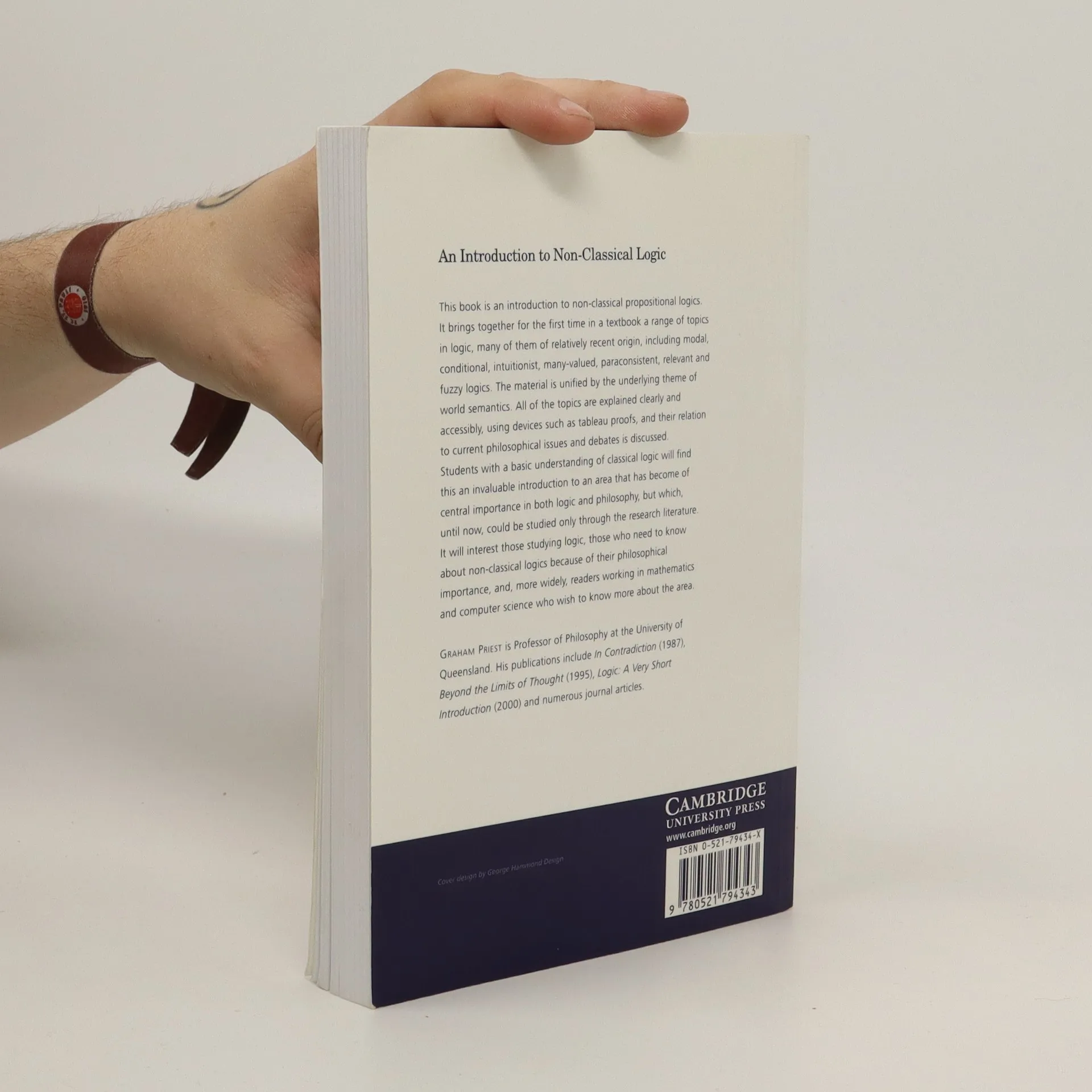
This book is an introduction to non-classical propositional logics. It brings together for the first time in a textbook a range of topics in logic, many of them of relatively recent origin, including modal, conditional, intuitionist, many-valued, paraconsistent, relevant and fuzzy logics. The material is unified by the underlying theme of world-semantics. All of the topics are explained clearly and accessibly, using devices such as tableaux proofs, and their relation to current philosophical issues and debates is discussed. Students with a basic understanding of classical logic will find this an invaluable introduction to an area that has become of central importance in both logic and philosophy, but which, until now, could be studied only through the research literature. It will interest those studying logic, those who need to know about non-classical logics because of their philosophical importance, and, more widely, readers working in mathematics and computer science.


Achat du livre
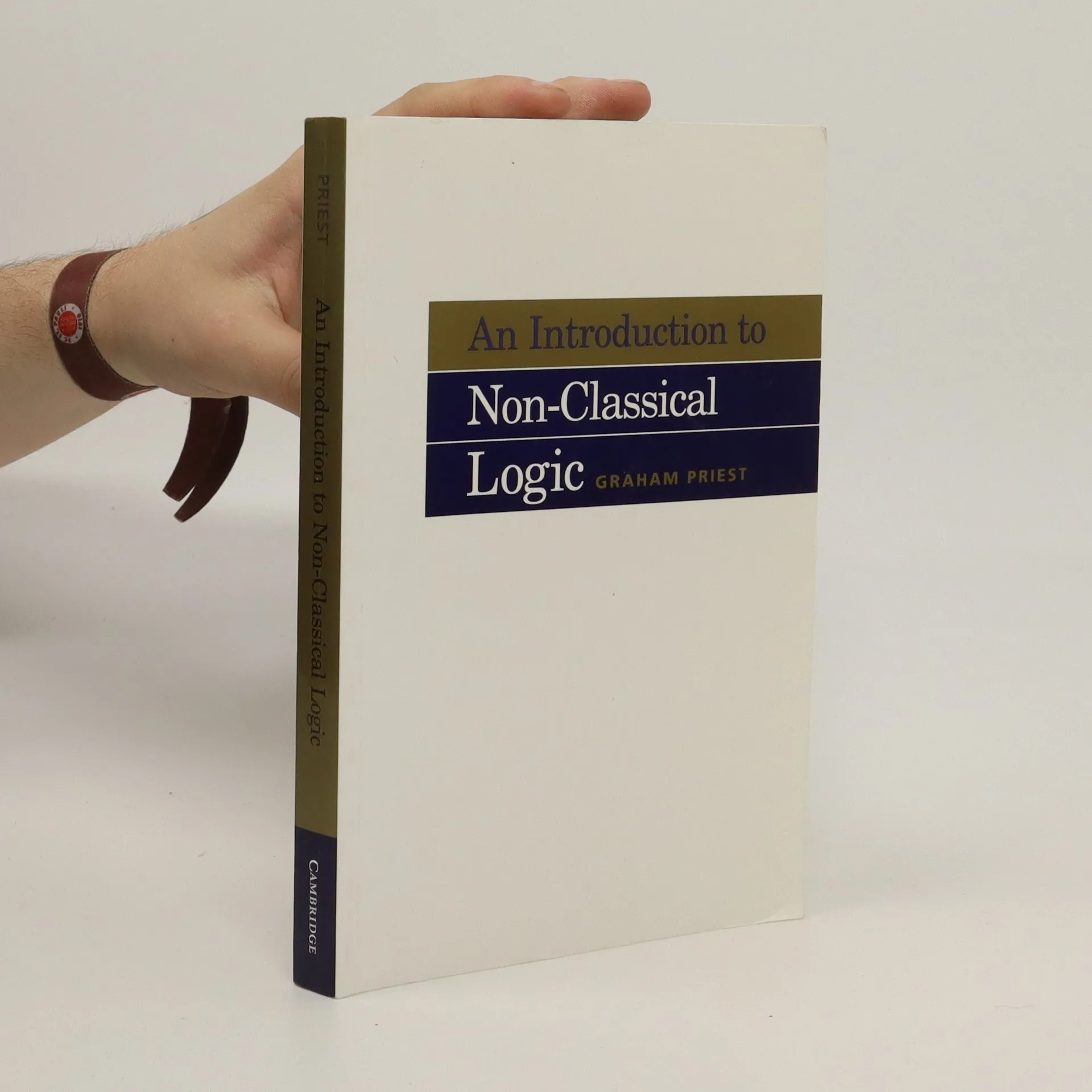
An Introduction to Non-Classical Logic, Graham Priest
- Langue

- Année de publication
- 2003
- Reliure
- (souple)
Modes de paiement
Il manque plus que ton avis ici.
- Titre
- An Introduction to Non-Classical Logic
- Langue
- Anglais
- Auteurs
- Graham Priest
- Éditeur
- University Press
- Publié
- 2003
- Format
- souple
- Pages
- 264
- ISBN10
- 052179434x
- ISBN13
- 9780521794343
- Évaluation
- 4,15 sur 5
- Description
- This book is an introduction to non-classical propositional logics. It brings together for the first time in a textbook a range of topics in logic, many of them of relatively recent origin, including modal, conditional, intuitionist, many-valued, paraconsistent, relevant and fuzzy logics. The material is unified by the underlying theme of world-semantics. All of the topics are explained clearly and accessibly, using devices such as tableaux proofs, and their relation to current philosophical issues and debates is discussed. Students with a basic understanding of classical logic will find this an invaluable introduction to an area that has become of central importance in both logic and philosophy, but which, until now, could be studied only through the research literature. It will interest those studying logic, those who need to know about non-classical logics because of their philosophical importance, and, more widely, readers working in mathematics and computer science.