

En savoir plus sur le livre
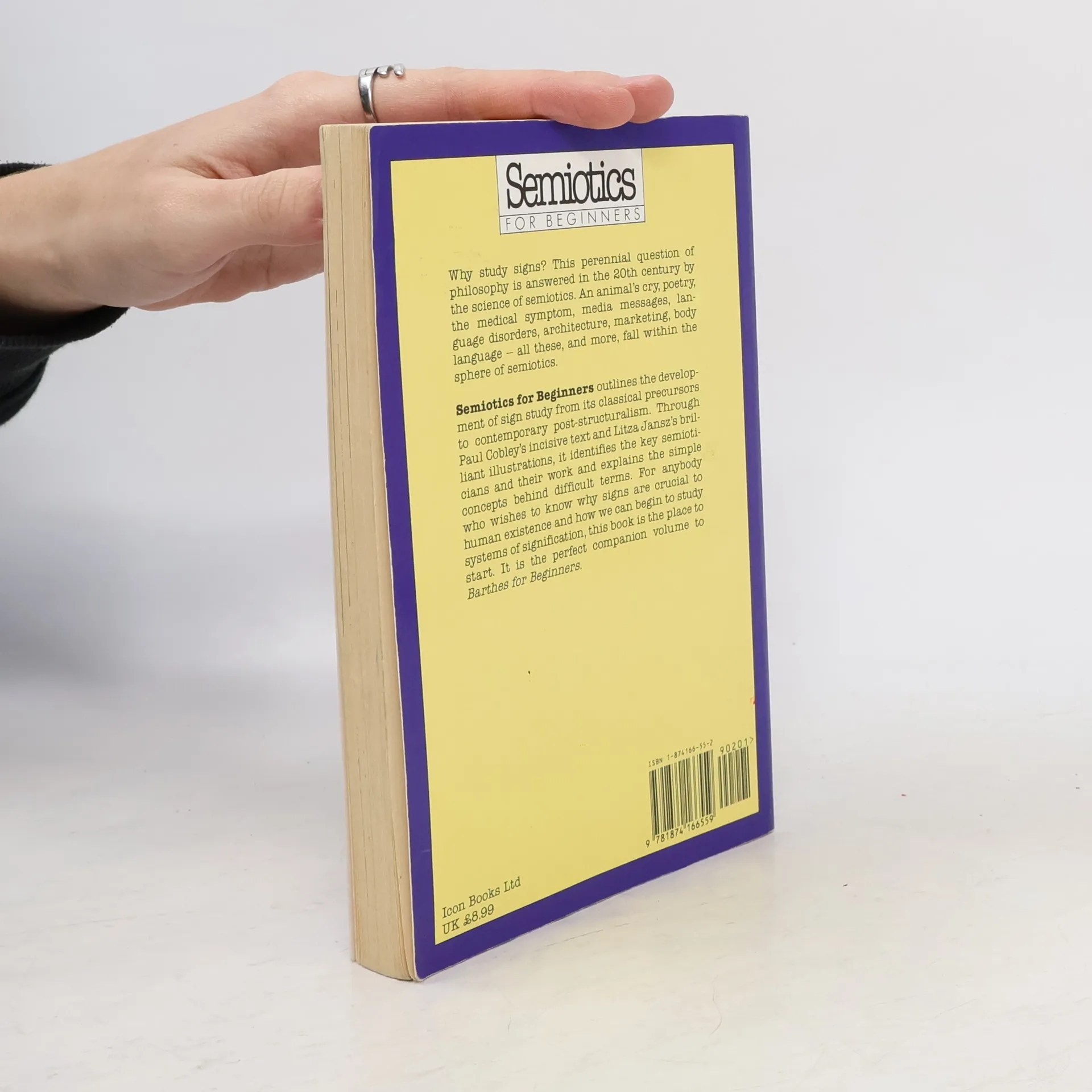
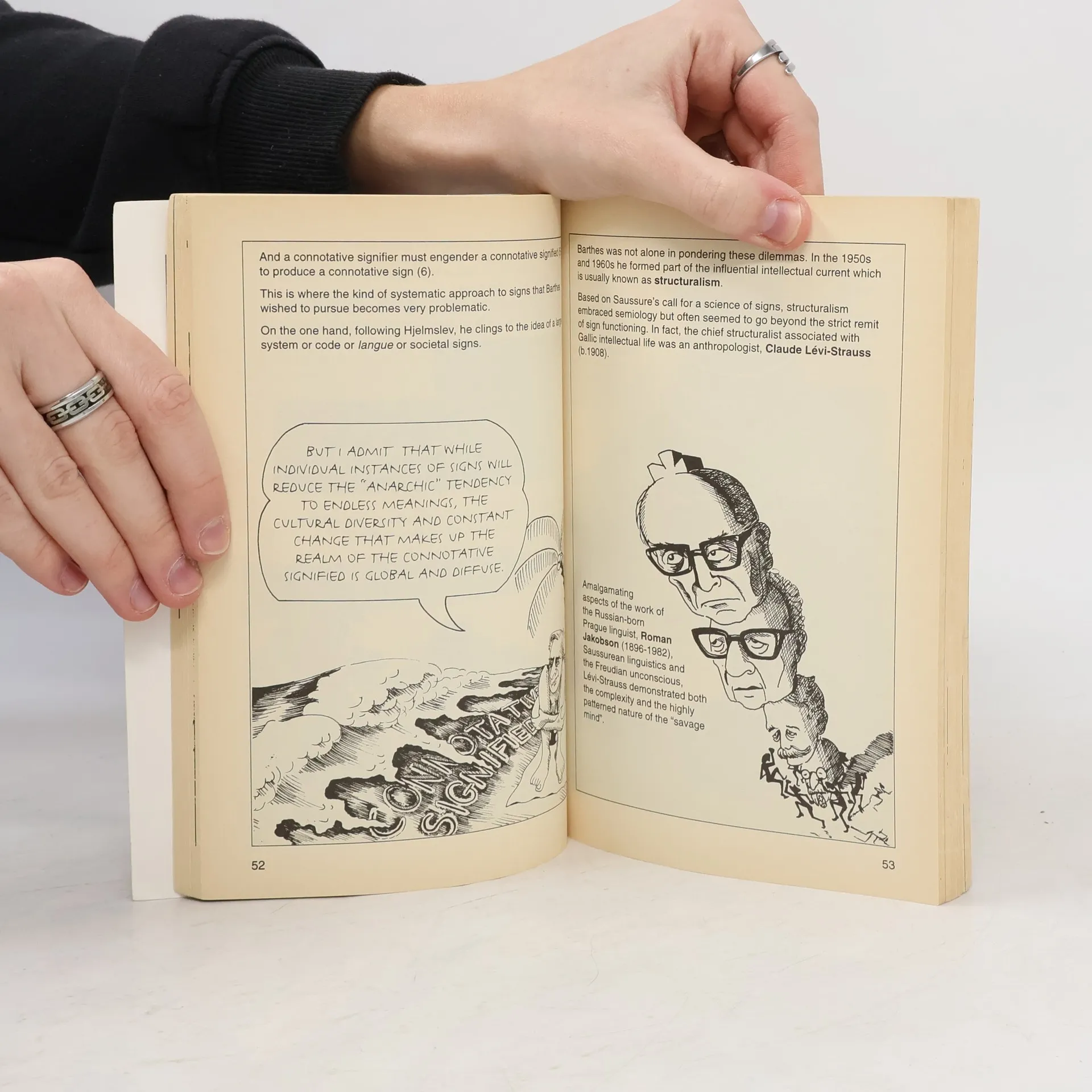
Why study signs? This perennial question of philosophy is answered in the 20th century by the science of semiotics. An animal's cry, poetry, the medical symptom, media messages, language disorders, architecture, marketing, body language-- all these, and more, fall within the sphere of semiotics. Introducing Semiotics outlines the development of sign study from its classical precursors to contemporary post-structuralism. Through Paul Cobley's incisive text and Litza Jansz's brilliant illustrations, this seminal introduction identifies the key semioticians and their work and explains the simple concepts behind difficult terms. For anybody who wishes to know why signs are crucial to human existence and how we can begin to study systems of signification, this book is the place to start. It is the perfect companion volume to Introducing Barthes.


Achat du livre
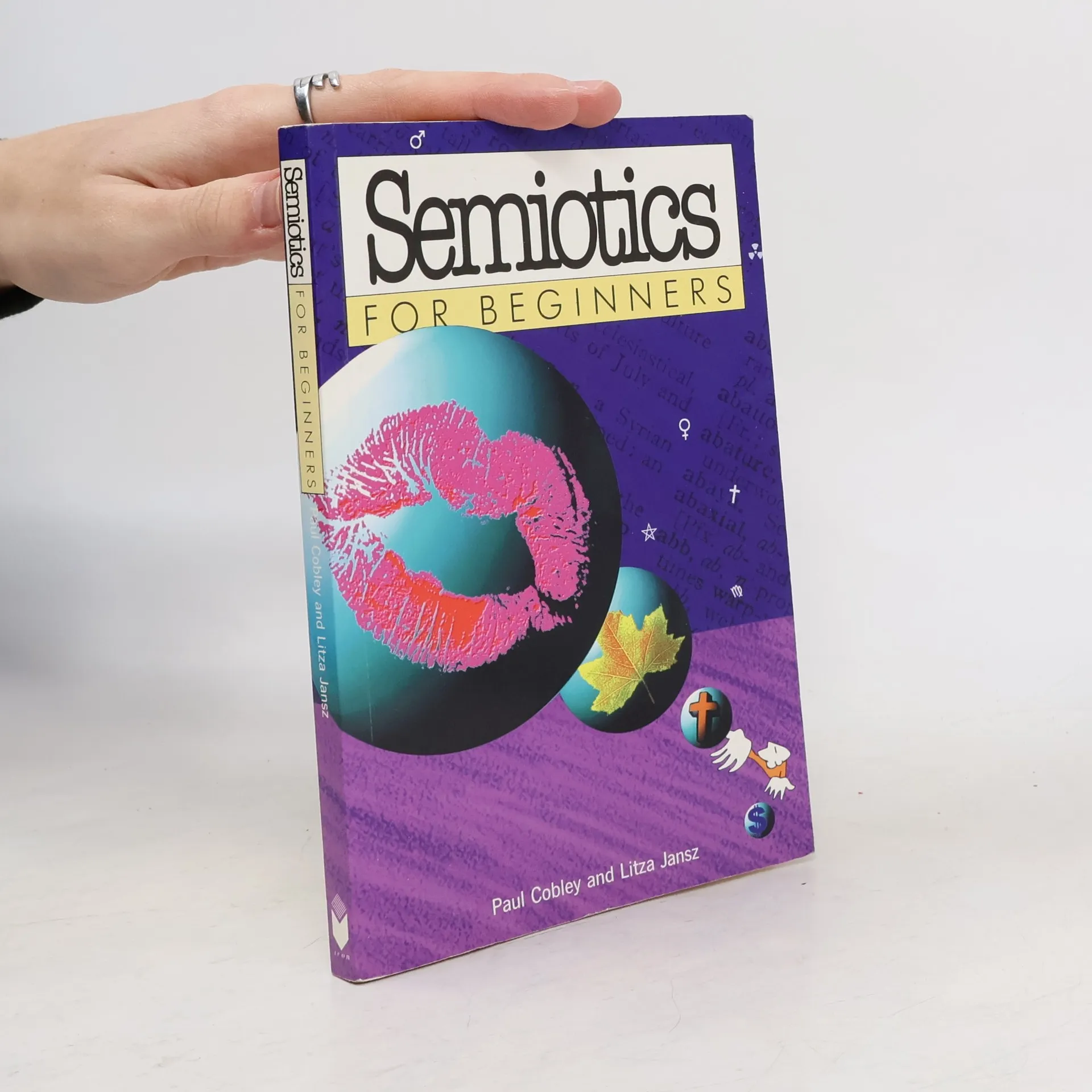
Semiotics for Beginners, Paul Cobley, Litza Jansz
- Langue

- Année de publication
- 1997
- Reliure
- (souple)
Modes de paiement
Il manque plus que ton avis ici.
- Titre
- Semiotics for Beginners
- Langue
- Anglais
- Auteurs
- Paul Cobley, Litza Jansz
- Éditeur
- Icon,Totem Books
- Publié
- 1997
- Format
- souple
- Pages
- 176
- ISBN10
- 1874166552
- ISBN13
- 9781874166559
- Séries
- Mots clés
- Thématique philosophique, Linguistique, Sémiotique
- Évaluation
- 3,6 sur 5
- Description
- Why study signs? This perennial question of philosophy is answered in the 20th century by the science of semiotics. An animal's cry, poetry, the medical symptom, media messages, language disorders, architecture, marketing, body language-- all these, and more, fall within the sphere of semiotics. Introducing Semiotics outlines the development of sign study from its classical precursors to contemporary post-structuralism. Through Paul Cobley's incisive text and Litza Jansz's brilliant illustrations, this seminal introduction identifies the key semioticians and their work and explains the simple concepts behind difficult terms. For anybody who wishes to know why signs are crucial to human existence and how we can begin to study systems of signification, this book is the place to start. It is the perfect companion volume to Introducing Barthes.