

En savoir plus sur le livre
Only a few books stand as landmarks in social and scientific upheaval. Norbert Wiener's classic is one in that small company. Founder of the science of cybernetics—the study of the relationship between computers and the human nervous system—Wiener was widely misunderstood as one who advocated the automation of human life. As this book reveals, his vision was much more complex and interesting. He hoped that machines would release people from relentless and repetitive drudgery in order to achieve more creative pursuits. At the same time he realized the danger of dehumanizing and displacement. His book examines the implications of cybernetics for education, law, language, science, technology, as he anticipates the enormous impact—in effect, a third industrial revolution—that the computer has had on our lives.


Achat du livre
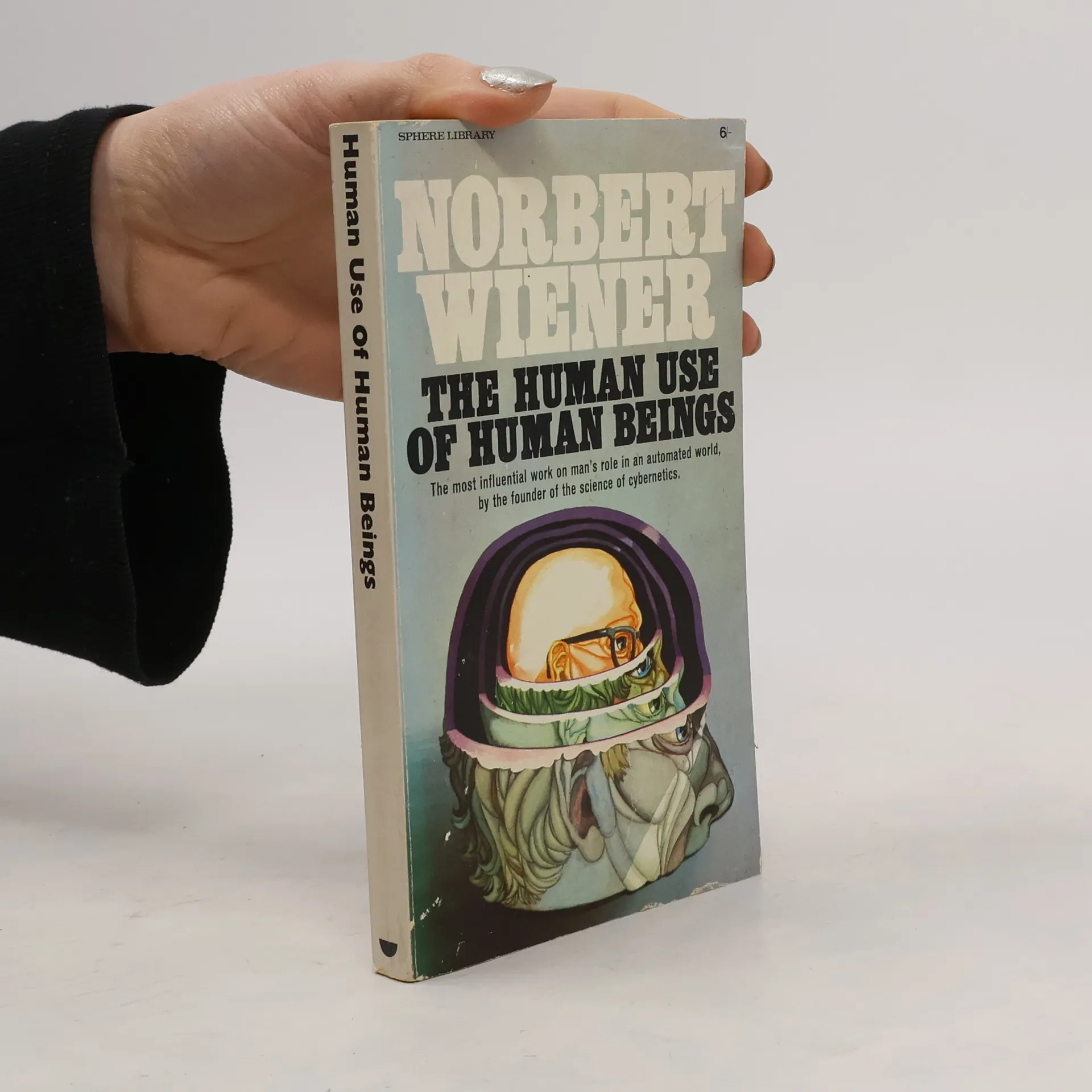
The Human Use of Human Beings, Norbert Wiener
- Langue

- Année de publication
- 1968
- Reliure
- (souple)
Modes de paiement
Il manque plus que ton avis ici.
- Titre
- The Human Use of Human Beings
- Langue
- Anglais
- Auteurs
- Norbert Wiener
- Éditeur
- Sphere
- Publié
- 1968
- Format
- souple
- Séries
- Catégories
- Mots clés
- Science, Technologie, Intelligence Artificielle
- Titre original
- The human use of human beings
- Évaluation
- 4,05 sur 5
- Description
- Only a few books stand as landmarks in social and scientific upheaval. Norbert Wiener's classic is one in that small company. Founder of the science of cybernetics—the study of the relationship between computers and the human nervous system—Wiener was widely misunderstood as one who advocated the automation of human life. As this book reveals, his vision was much more complex and interesting. He hoped that machines would release people from relentless and repetitive drudgery in order to achieve more creative pursuits. At the same time he realized the danger of dehumanizing and displacement. His book examines the implications of cybernetics for education, law, language, science, technology, as he anticipates the enormous impact—in effect, a third industrial revolution—that the computer has had on our lives.