

En savoir plus sur le livre
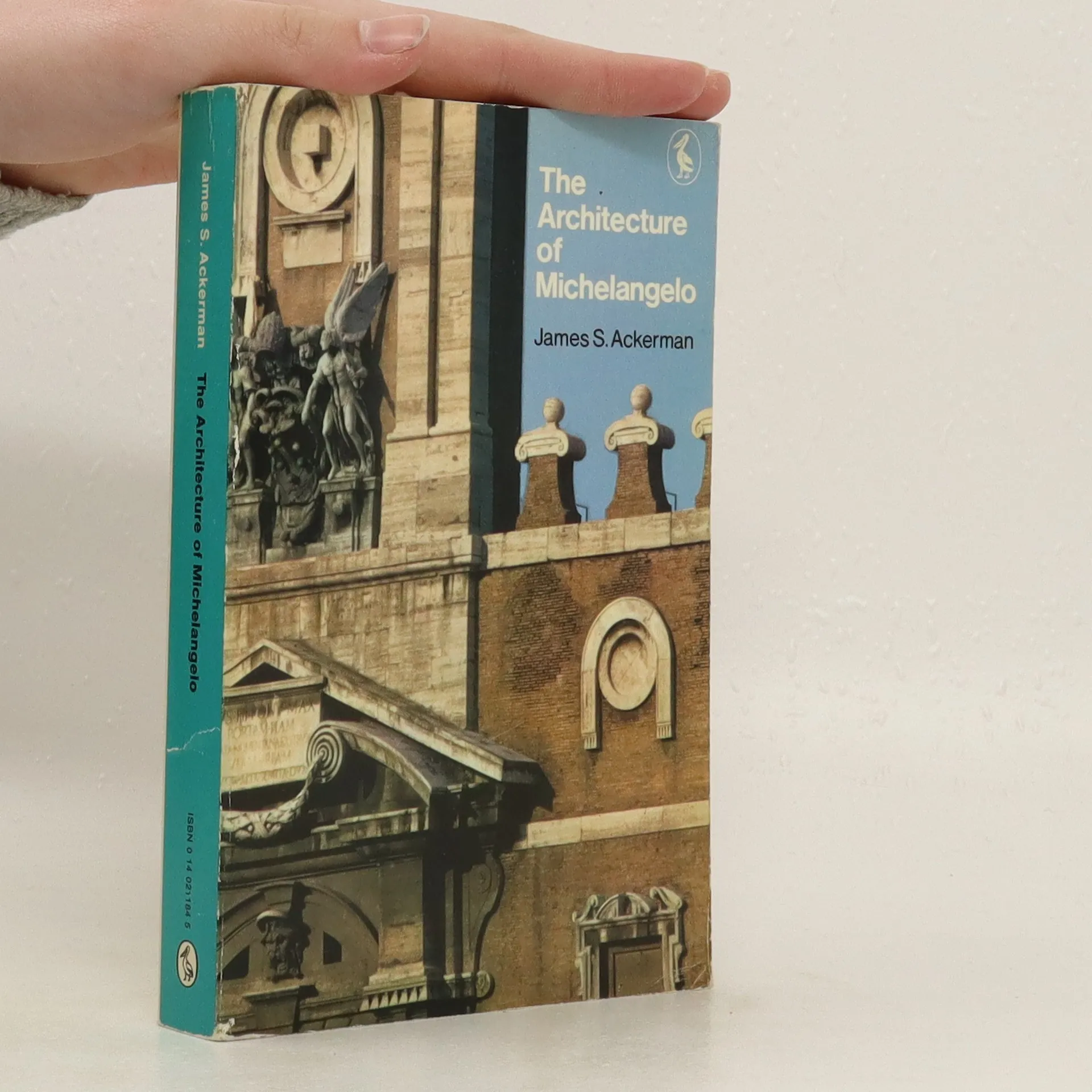
"A Pelican book" In this widely acclaimed work, James Ackerman considers in detail the buildings designed by Michelangelo in Florence and Rome—including the Medici Chapel, the Farnese Palace, the Basilica of St. Peter, and the Capitoline Hill. He then turns to an examination of the artist's architectural drawings, theory, and practice. As Ackerman points out, Michelangelo worked on many projects started or completed by other architects. Consequently this study provides insights into the achievements of the whole profession during the sixteenth century. The text is supplemented with 140 black-and-white illustrations and is followed by a scholarly catalog of Michelangelo's buildings that discusses chronology, authorship, and condition. For this second edition, Ackerman has made extensive revisions in the catalog to encompass new material that has been published on the subject since 1970.
Édition

Achat du livre
The Architecture of Michelangelo, James Sloss Ackerman
- Langue

- Année de publication
- 1970
- Reliure
- (souple)
Modes de paiement
Il manque plus que ton avis ici.
- Titre
- The Architecture of Michelangelo
- Langue
- Anglais
- Auteurs
- James Sloss Ackerman
- Éditeur
- Pelican
- Publié
- 1970
- Format
- souple
- Pages
- 368
- ISBN10
- 0140211845
- ISBN13
- 9780140211849
- Séries
- Mots clés
- Architecture, Europe du Sud, Italie
- Évaluation
- 4,25 sur 5
- Description
- "A Pelican book" In this widely acclaimed work, James Ackerman considers in detail the buildings designed by Michelangelo in Florence and Rome—including the Medici Chapel, the Farnese Palace, the Basilica of St. Peter, and the Capitoline Hill. He then turns to an examination of the artist's architectural drawings, theory, and practice. As Ackerman points out, Michelangelo worked on many projects started or completed by other architects. Consequently this study provides insights into the achievements of the whole profession during the sixteenth century. The text is supplemented with 140 black-and-white illustrations and is followed by a scholarly catalog of Michelangelo's buildings that discusses chronology, authorship, and condition. For this second edition, Ackerman has made extensive revisions in the catalog to encompass new material that has been published on the subject since 1970.