

Jaromír Funke
Between Construction and Emotion
Auteurs
En savoir plus sur le livre
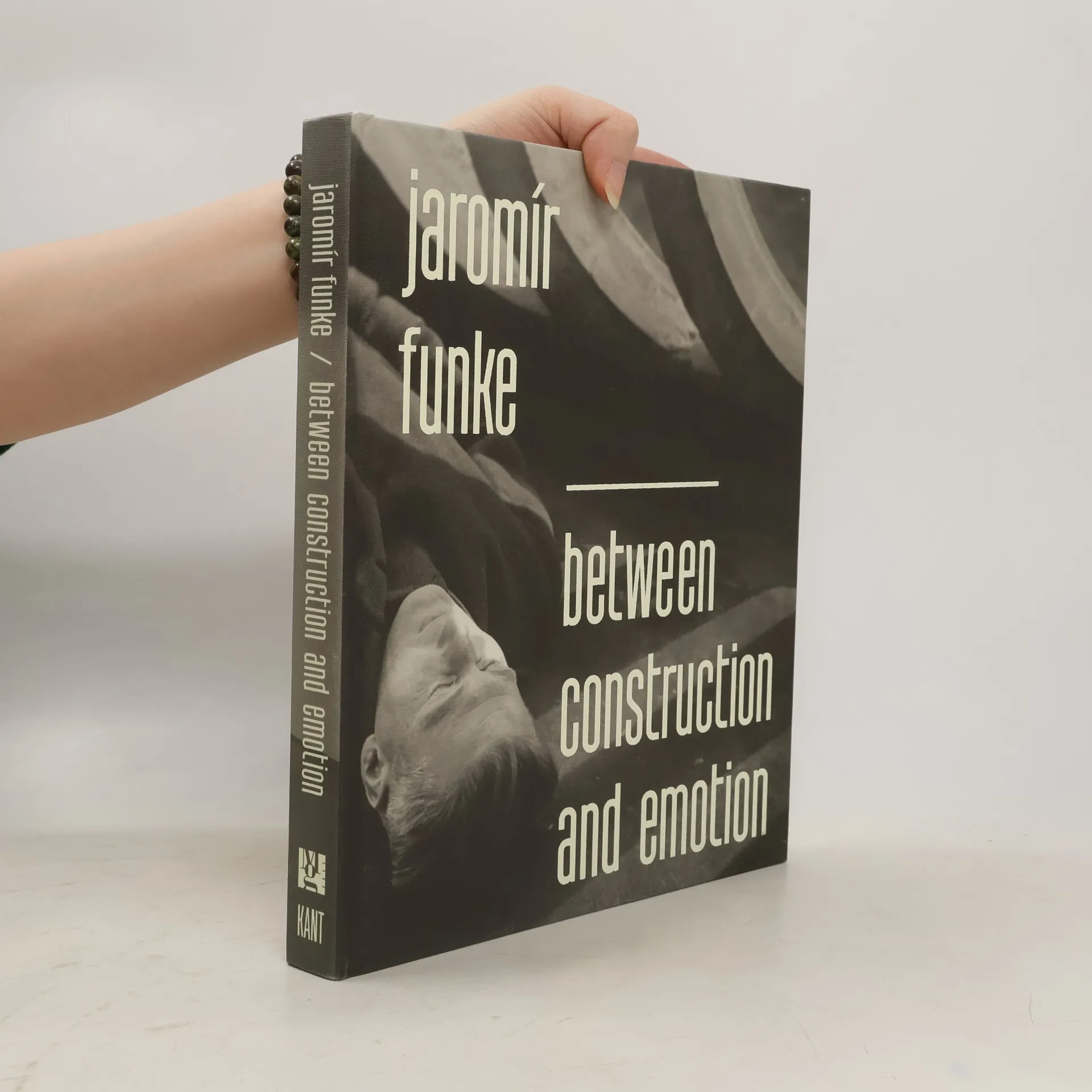
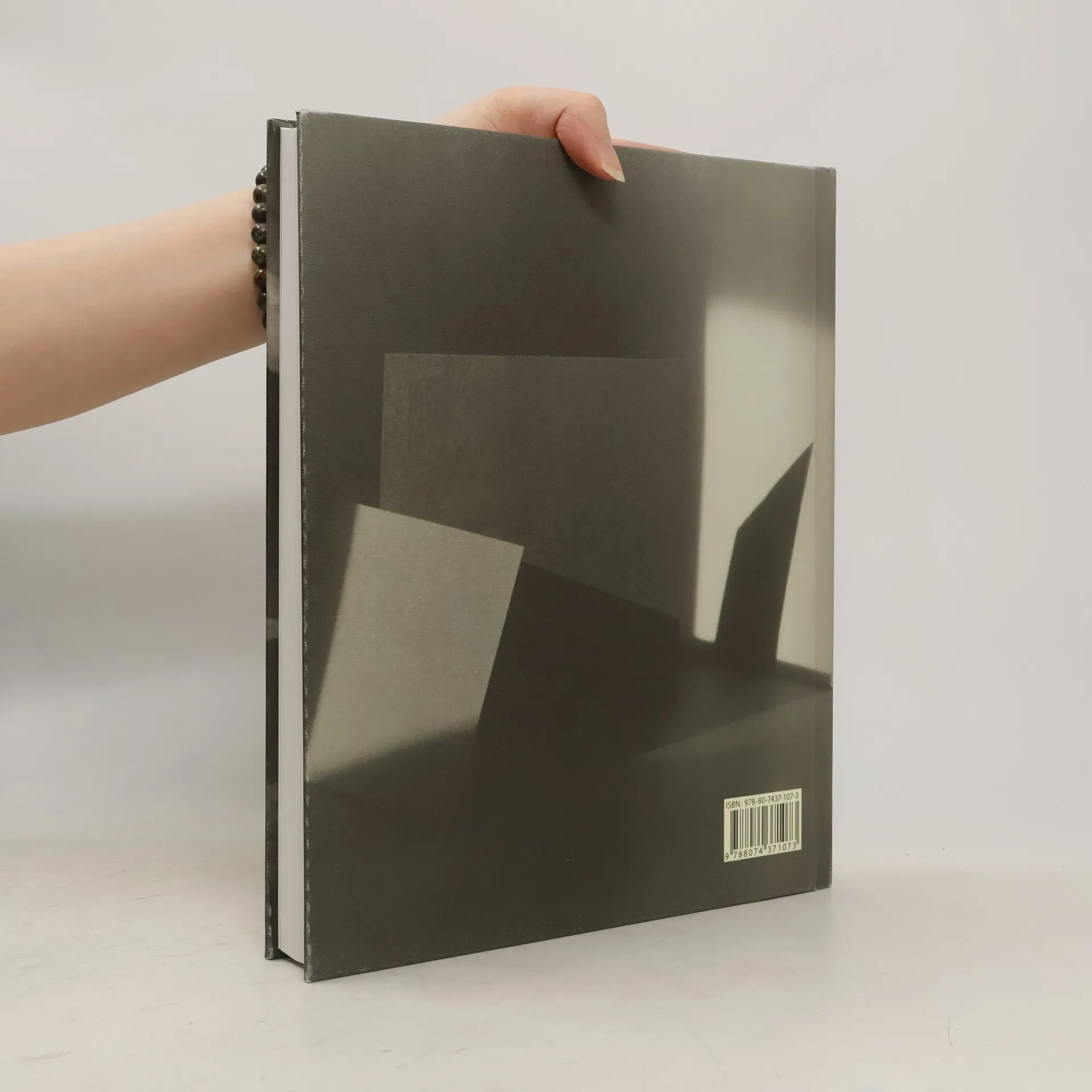
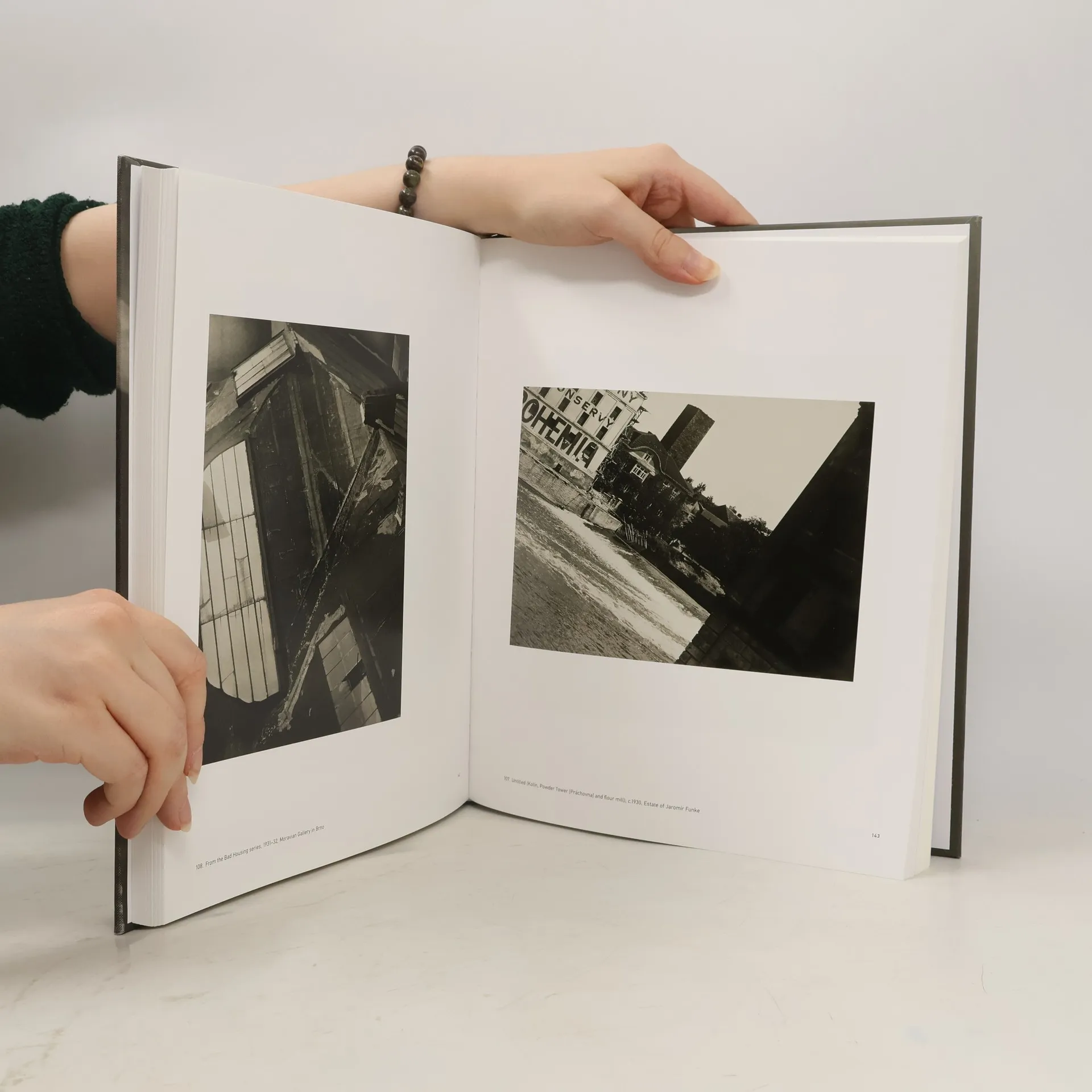
This is the first substantial monograph to examine the photography of Jaromir Funke (1896-1945), an innovator of modernist photography, comparable to contemporaries such as Jaroslav Rossler, Man Ray, Laszlo Moholy-Nagy, Albery Renger-Patzsch, Aleksander Rodchenko, Paul Strand and Edward Weston. Funke initially worked within abstract photography, but eventually he invented his own genre called -photogenism-; in the 1920s, he was one of the first to embrace Surrealist innovations in photography. Also aligned with the Bauhaus, Funke was additionally influenced by Cubism, New Objectivity and Constructivism. In the second half of the 1930s, Funke established what he called -emotional photography, - based on theories and writings by Surrealist Andre Breton. Made in cooperation with Funke's daughter, this book focuses primarily on the ideas that shaped and transformed Funke's work, while placing it within the context of European avant-garde photography and culture.
Édition

Achat du livre
Jaromír Funke, Jaromír Funke, Antonín Dufek
- Langue

- Année de publication
- 2013
- Reliure
- (rigide)
Modes de paiement
Personne n'a encore évalué .
- Titre
- Jaromír Funke
- Sous-titre
- Between Construction and Emotion
- Langue
- Anglais
- Auteurs
- Jaromír Funke, Antonín Dufek
- Éditeur
- KANT
- Publié
- 2013
- Format
- rigide
- Pages
- 240
- ISBN10
- 8074371077
- ISBN13
- 9788074371073
- Séries
- Mots clés
- Beaux-arts
- Description
- This is the first substantial monograph to examine the photography of Jaromir Funke (1896-1945), an innovator of modernist photography, comparable to contemporaries such as Jaroslav Rossler, Man Ray, Laszlo Moholy-Nagy, Albery Renger-Patzsch, Aleksander Rodchenko, Paul Strand and Edward Weston. Funke initially worked within abstract photography, but eventually he invented his own genre called -photogenism-; in the 1920s, he was one of the first to embrace Surrealist innovations in photography. Also aligned with the Bauhaus, Funke was additionally influenced by Cubism, New Objectivity and Constructivism. In the second half of the 1930s, Funke established what he called -emotional photography, - based on theories and writings by Surrealist Andre Breton. Made in cooperation with Funke's daughter, this book focuses primarily on the ideas that shaped and transformed Funke's work, while placing it within the context of European avant-garde photography and culture.