

Paramètres
- 215pages
- 8 heures de lecture
En savoir plus sur le livre
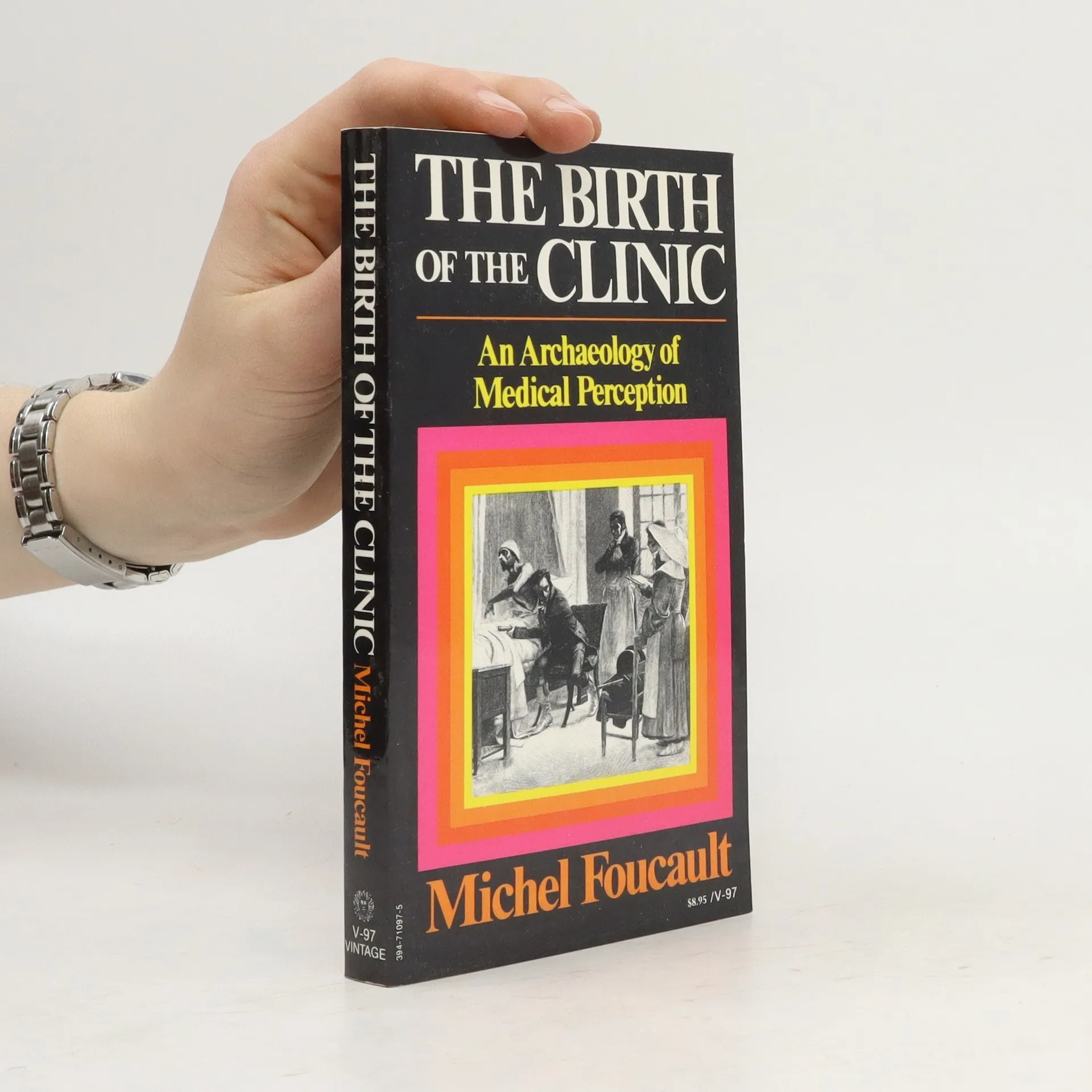
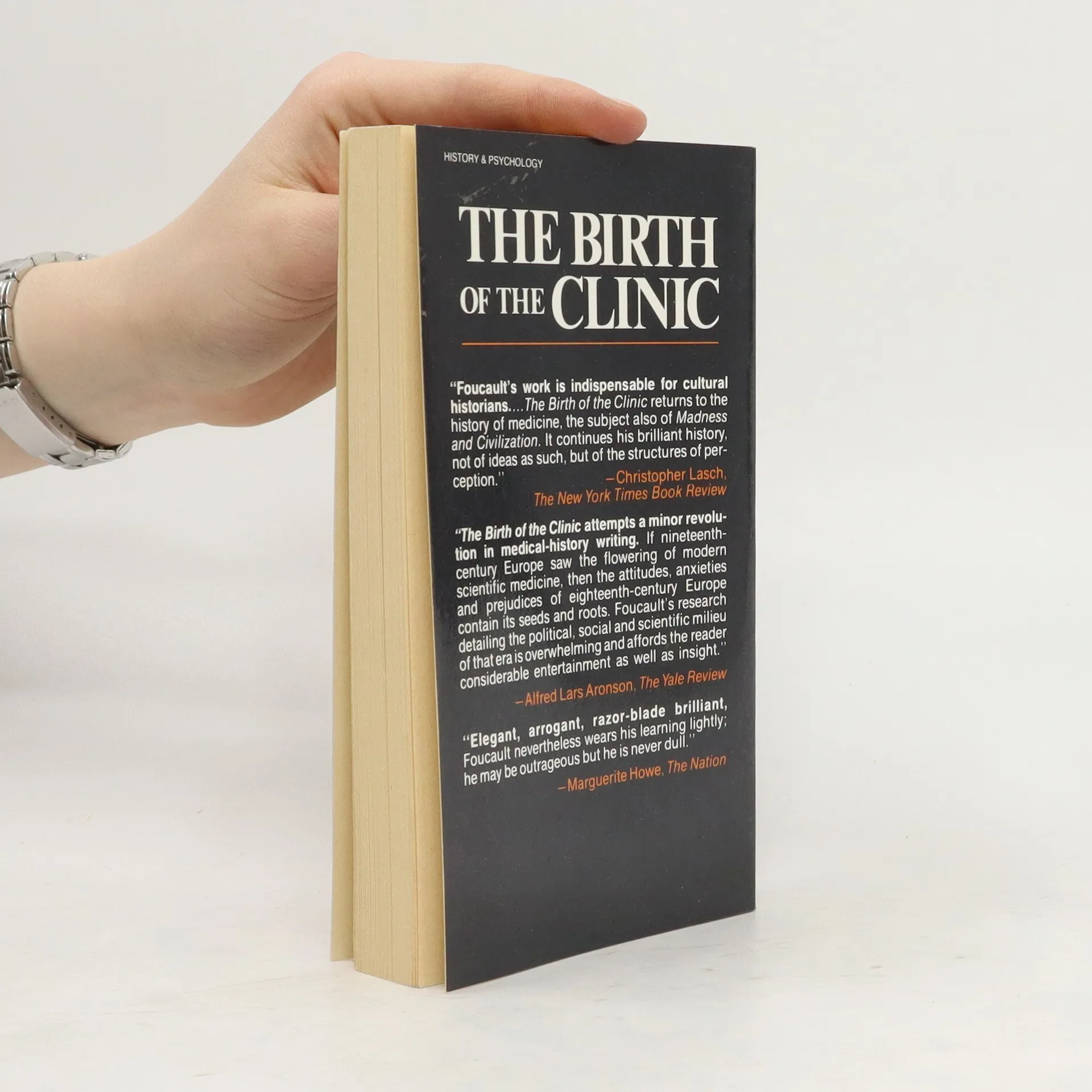
Librarian note: an alternate cover for this edition can be found here. In the eighteenth century, medicine underwent a mutation. For the first time, medical knowledge took on a precision that had formerly belonged only to mathematics. The body became something that could be mapped. Disease became subject to new rules of classification. And doctors begin to describe phenomena that for centuries had remained below the threshold of the visible and expressible. In The Birth of the Clinic the philosopher and intellectual historian who may be the true heir to Nietzsche charts this dramatic transformation of medical knowledge. As in his classic Madness and Civilization, Michel Foucault shows how much what we think of as pure science owes to social and cultural attitudes — in this case, to the climate of the French Revolution. Brilliant, provocative, and omnivorously learned, his book sheds new light on the origins of our current notions of health and sickness, life and death.





Achat du livre
The birth of the clinic. An archeology of medical perception, Michel Foucault
- Langue

- Année de publication
- 1975
- Reliure
- (souple)
Modes de paiement
Il manque plus que ton avis ici.
- Titre
- The birth of the clinic. An archeology of medical perception
- Langue
- Anglais
- Auteurs
- Michel Foucault
- Éditeur
- Vintage
- Publié
- 1975
- Format
- souple
- Pages
- 215
- ISBN10
- 0394710975
- ISBN13
- 9780394710976
- Séries
- Catégories
- Mots clés
- Thème historique, Santé & Médecine, Thèmes psychologiques, Thématique philosophique, Médecine, Théories scientifiques, Psychiatrie, Médecins, Corps
- Première publication
- 1963
- Titre original
- Naissance de la clinique - une archéologie du regard médical
- Évaluation
- 3,95 sur 5
- Description
- Librarian note: an alternate cover for this edition can be found here. In the eighteenth century, medicine underwent a mutation. For the first time, medical knowledge took on a precision that had formerly belonged only to mathematics. The body became something that could be mapped. Disease became subject to new rules of classification. And doctors begin to describe phenomena that for centuries had remained below the threshold of the visible and expressible. In The Birth of the Clinic the philosopher and intellectual historian who may be the true heir to Nietzsche charts this dramatic transformation of medical knowledge. As in his classic Madness and Civilization, Michel Foucault shows how much what we think of as pure science owes to social and cultural attitudes — in this case, to the climate of the French Revolution. Brilliant, provocative, and omnivorously learned, his book sheds new light on the origins of our current notions of health and sickness, life and death.