

Épuisé, mais très demandé!

Vous l'avez dans votre bibliothèque ?Gagnez de l'argent entre 1,46 € et 2,56 € en vendant ce livre.
Vendre des livresThe myth of mental illness: foundation of a theory of personal conduct
Auteurs
Évaluation du livre
En savoir plus sur le livre
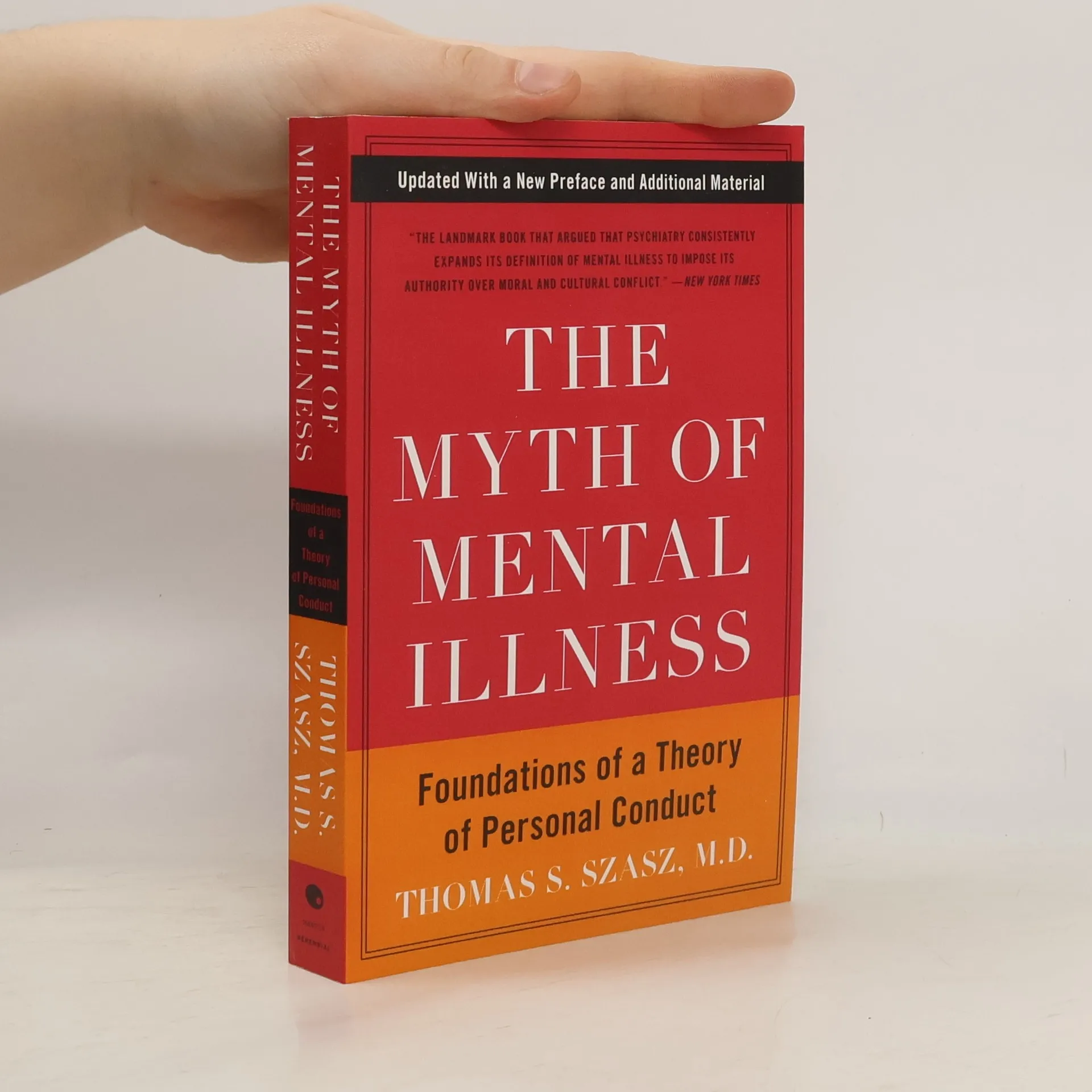
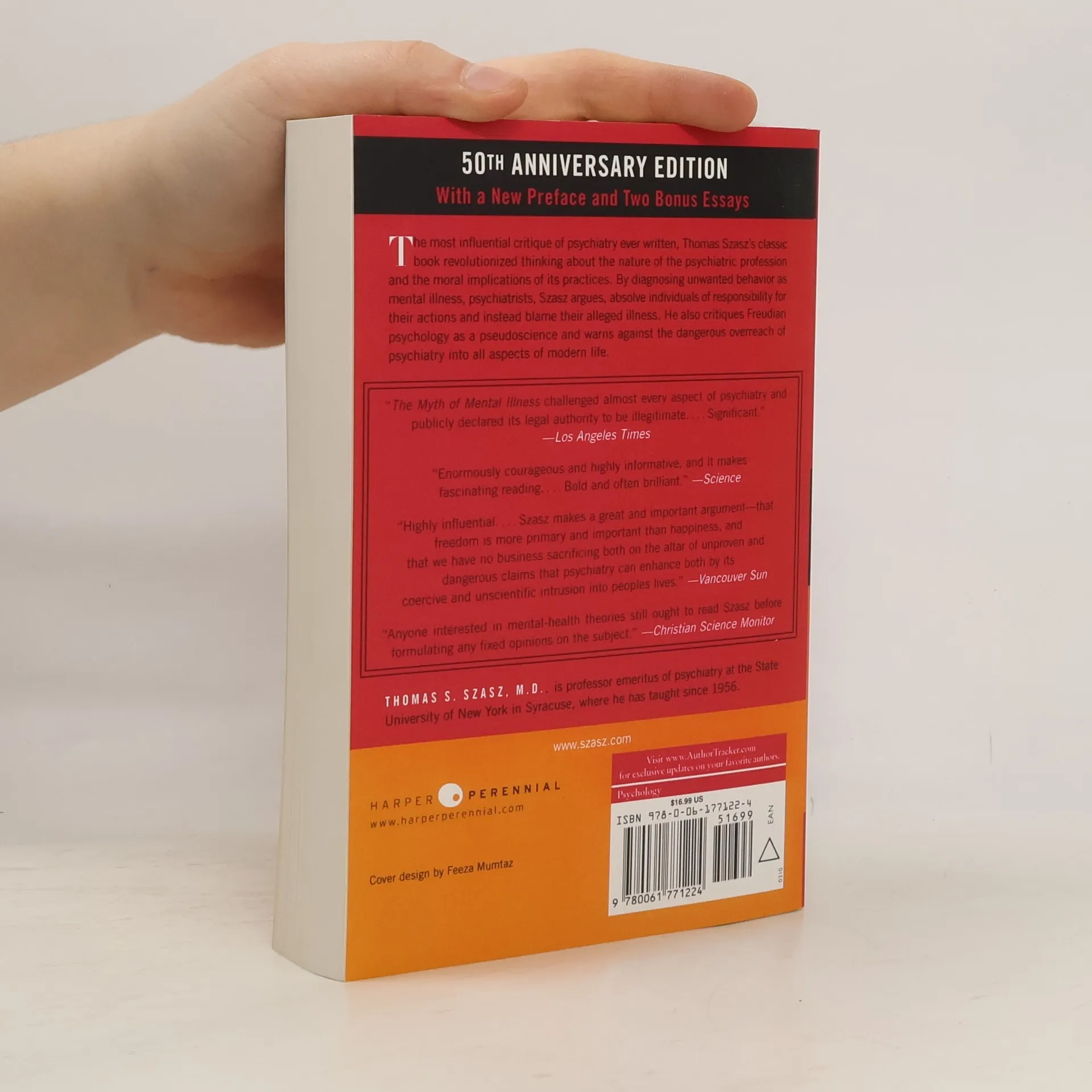
50th Anniversary Edition With a New Preface and Two Bonus Essays The most influential critique of psychiatry ever written, Thomas Szasz's classic book revolutionized thinking about the nature of the psychiatric profession and the moral implications of its practices. By diagnosing unwanted behavior as mental illness, psychiatrists, Szasz argues, absolve individuals of responsibility for their actions and instead blame their alleged illness. He also critiques Freudian psychology as a pseudoscience and warns against the dangerous overreach of psychiatry into all aspects of modern life.
Achat du livre
The myth of mental illness: foundation of a theory of personal conduct, Thomas Szasz
- Langue

- Année de publication
- 2010
- Reliure
- (souple)
Nous vous informerons par e-mail dès que nous l’aurons retrouvé.
Modes de paiement
3,8
Très bien
99+ Évaluations
Il manque plus que ton avis ici.
- Titre
- The myth of mental illness: foundation of a theory of personal conduct
- Langue
- Anglais
- Auteurs
- Thomas Szasz
- Éditeur
- Harper Perennial
- Publié
- 2010
- Format
- souple
- Pages
- 370
- ISBN10
- 0061771228
- ISBN13
- 9780061771224
- Séries
- Mots clés
- Santé & Médecine, Science, Médecine, Santé mentale, Psychiatrie
- Titre original
- The myth of mental illness
- Évaluation
- 3,75 sur 5
- Description
- 50th Anniversary Edition With a New Preface and Two Bonus Essays The most influential critique of psychiatry ever written, Thomas Szasz's classic book revolutionized thinking about the nature of the psychiatric profession and the moral implications of its practices. By diagnosing unwanted behavior as mental illness, psychiatrists, Szasz argues, absolve individuals of responsibility for their actions and instead blame their alleged illness. He also critiques Freudian psychology as a pseudoscience and warns against the dangerous overreach of psychiatry into all aspects of modern life.