

Épuisé, mais très demandé!
Vous l'avez dans votre bibliothèque ?Gagnez de l'argent entre 0 € et 0,53 € en vendant ce livre.
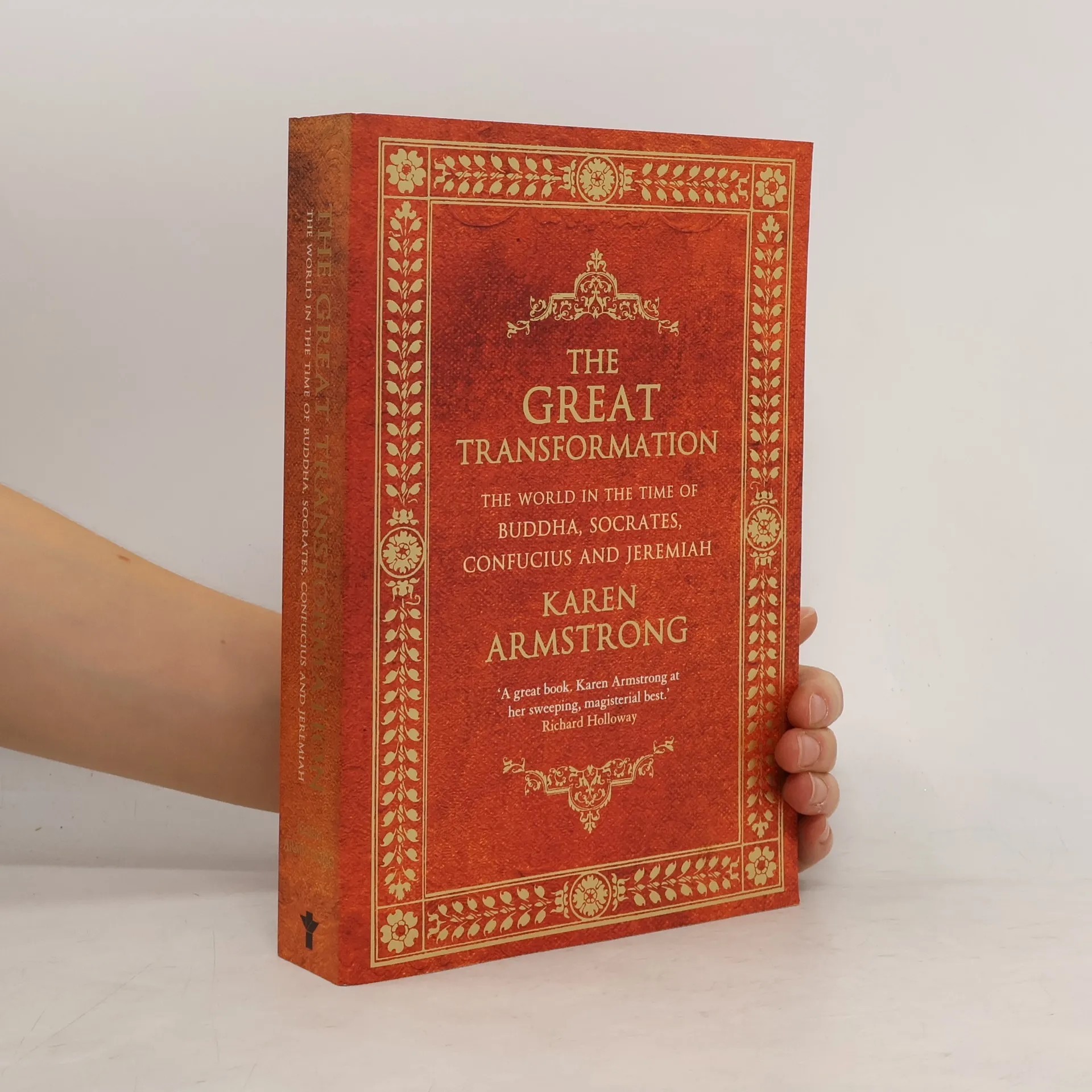
Vendre des livresThe Great Transformation
The World in the Time of Buddha, Socrates, Confucius and Jeremiah
Auteurs
Évaluation du livre
En savoir plus sur le livre
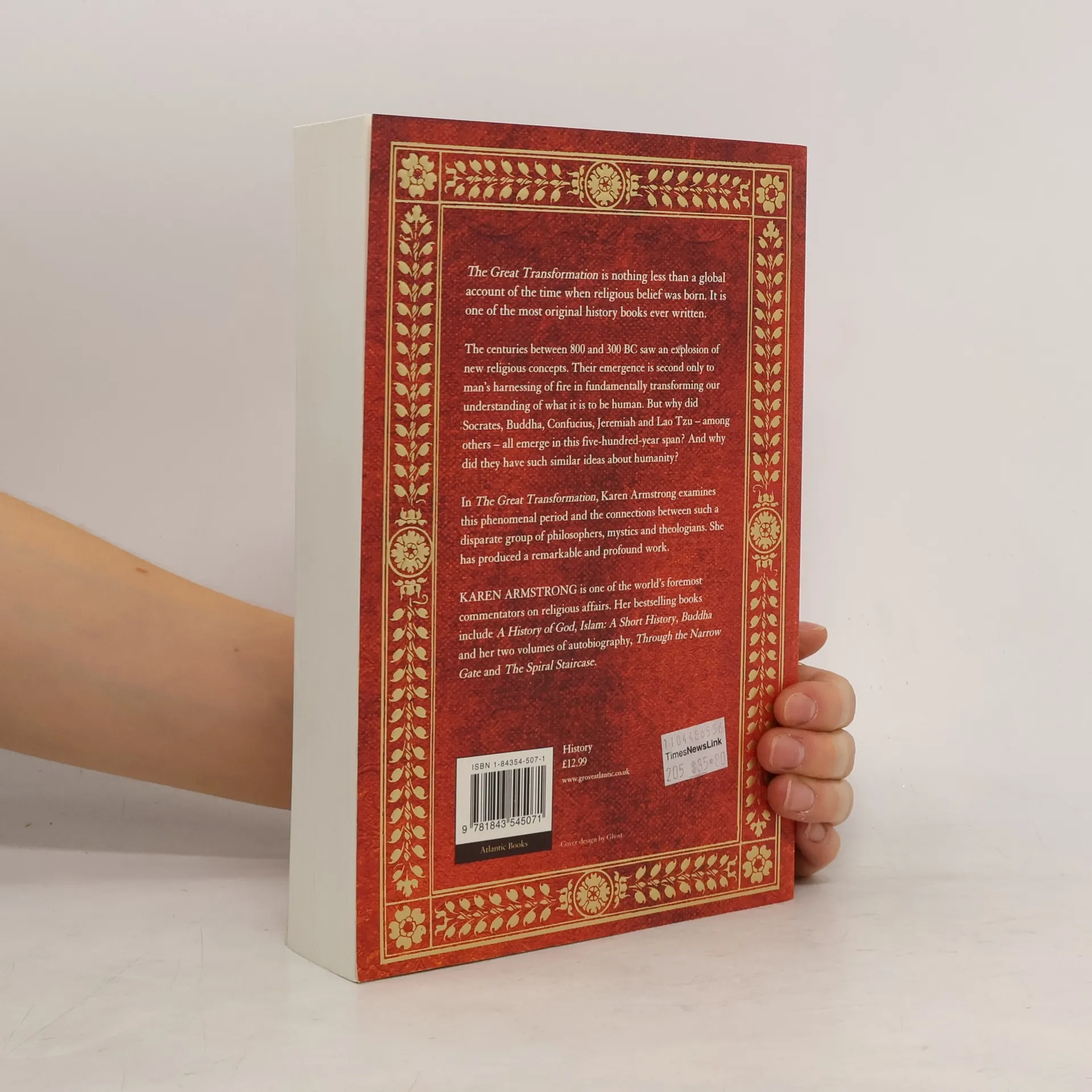
The centuries between 800 and 300 BC saw an explosion of new religious concepts. Their emergence is second only to man's harnessing of fire in fundamentally transforming our understanding of what it is to be human. But why did Socrates, Buddha, Confucius, Jeremiah, Lao Tzu and others all emerge in this five-hundred-year span? And why do they have such similar ideas about humanity?In The Great Transformation, Karen Armstrong examines this phenomenal period and the connections between this disparate group of philosophers, mystics and theologians.





Achat du livre
The Great Transformation, Karen Armstrong
- Langue

- Année de publication
- 2006
- Reliure
- (souple)
Nous vous informerons par e-mail dès que nous l’aurons retrouvé.
Modes de paiement
4,1
Très bien
99+ Évaluations
Il manque plus que ton avis ici.
- Titre
- The Great Transformation
- Sous-titre
- The World in the Time of Buddha, Socrates, Confucius and Jeremiah
- Langue
- Anglais
- Auteurs
- Karen Armstrong
- Éditeur
- Atlantic Books
- Publié
- 2006
- Format
- souple
- Pages
- 464
- ISBN10
- 1843545071
- ISBN13
- 9781843545071
- Séries
- Catégories
- Mots clés
- Thème historique, Thèmes religieux, Thématique philosophique, Spiritualité et spiritualisme, Théologie, Époque antique, Juifs, Bouddha, Confucianisme, Transformation de la société
- Première publication
- 2006
- Titre original
- The Great Transformation. The World in the Time of Buddha, Socrates, Confucius and Jeremiah
- Évaluation
- 4,05 sur 5
- Description
- The centuries between 800 and 300 BC saw an explosion of new religious concepts. Their emergence is second only to man's harnessing of fire in fundamentally transforming our understanding of what it is to be human. But why did Socrates, Buddha, Confucius, Jeremiah, Lao Tzu and others all emerge in this five-hundred-year span? And why do they have such similar ideas about humanity?In The Great Transformation, Karen Armstrong examines this phenomenal period and the connections between this disparate group of philosophers, mystics and theologians.