

Épuisé, mais très demandé!
Vous l'avez dans votre bibliothèque ?Gagnez de l'argent entre 2,47 € et 3,79 € en vendant ce livre.
Vendre des livresThe Divide. A Brief Guide to Global Inequality and its Solutions
Auteurs
Évaluation du livre
Paramètres
- 347pages
- 13 heures de lecture
En savoir plus sur le livre
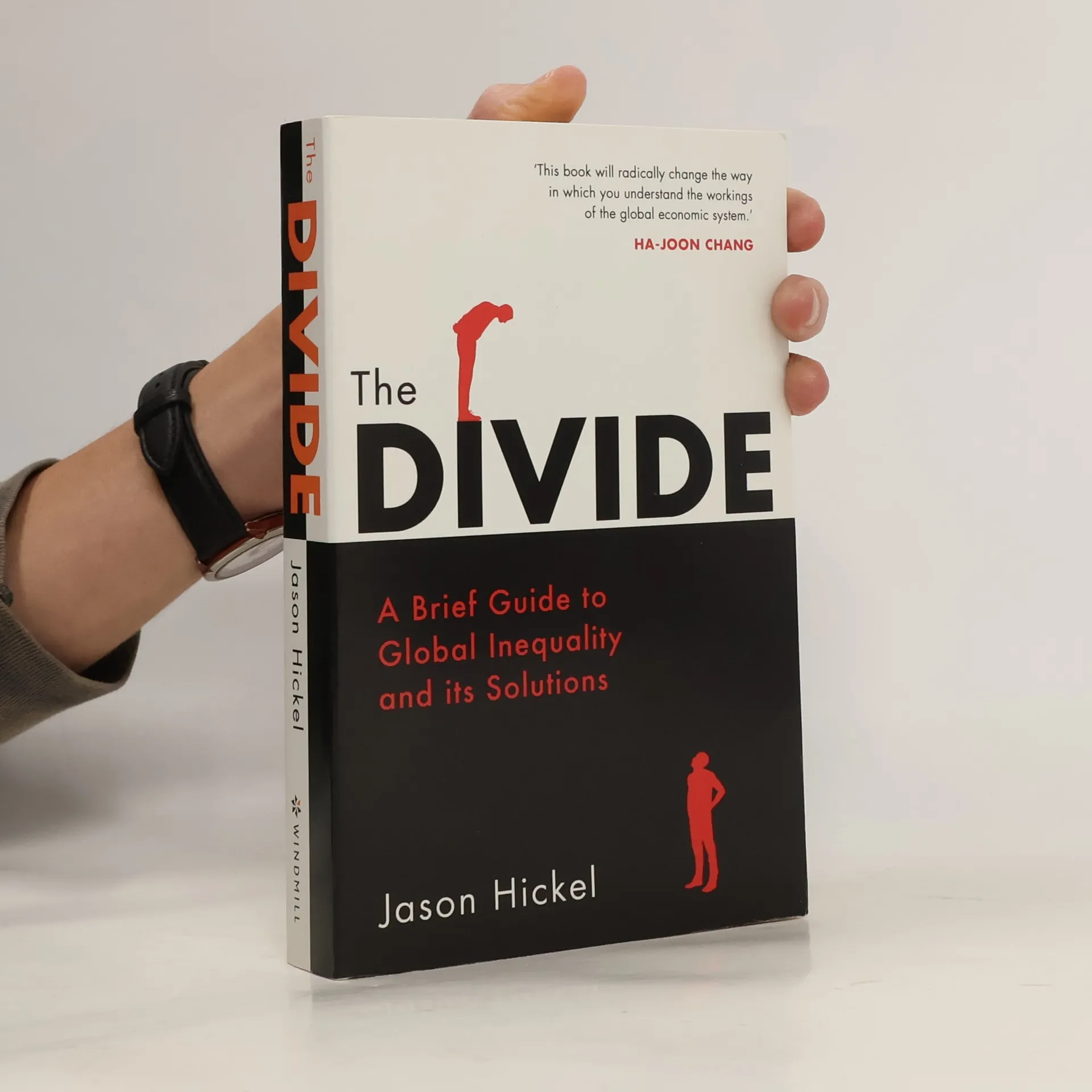
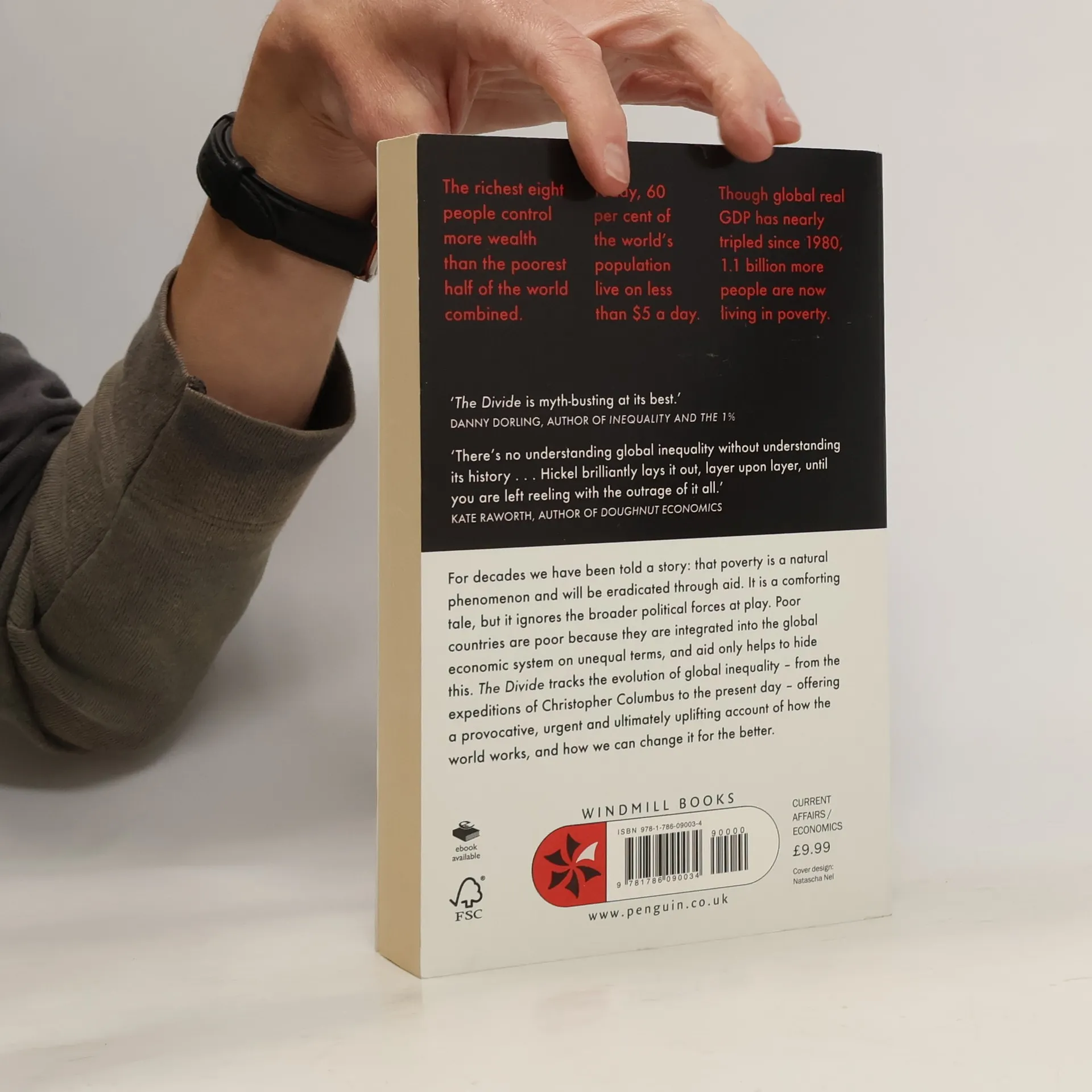
The richest eight people control more wealth than the poorest half of the world combined. Today, 60 per cent of the world's population lives on less than $5 a day. Though global real GDP has nearly tripled since 1980, 1.1 billion more people are now living in poverty. For decades we have been told a story; that development is working, that poverty is a natural phenomenon and will be eradicated through aid by 2030. But just because it is a comforting tale doesn't make it true. Poor countries are poor because they are integrated into the global economic system on unequal terms, and aid only helps to hide this.



Achat du livre
The Divide. A Brief Guide to Global Inequality and its Solutions, Jason Hickel
- Langue

- Année de publication
- 2018
- Reliure
- (souple)
Nous vous informerons par e-mail dès que nous l’aurons retrouvé.
Modes de paiement
4,7
Excellent
99+ Évaluations
Il manque plus que ton avis ici.
- Titre
- The Divide. A Brief Guide to Global Inequality and its Solutions
- Langue
- Anglais
- Auteurs
- Jason Hickel
- Éditeur
- Windmill Books
- Publié
- 2018
- Format
- souple
- Pages
- 347
- ISBN10
- 1786090031
- ISBN13
- 9781786090034
- Séries
- Catégories
- Mots clés
- Thème historique, Commerce, Politique, Cadeaux pour papy, Société, Justice sociale
- Titre original
- The Divide: A Brief Guide to Global Inequality and its Solutions
- Évaluation
- 4,65 sur 5
- Description
- The richest eight people control more wealth than the poorest half of the world combined. Today, 60 per cent of the world's population lives on less than $5 a day. Though global real GDP has nearly tripled since 1980, 1.1 billion more people are now living in poverty. For decades we have been told a story; that development is working, that poverty is a natural phenomenon and will be eradicated through aid by 2030. But just because it is a comforting tale doesn't make it true. Poor countries are poor because they are integrated into the global economic system on unequal terms, and aid only helps to hide this.