

En savoir plus sur le livre
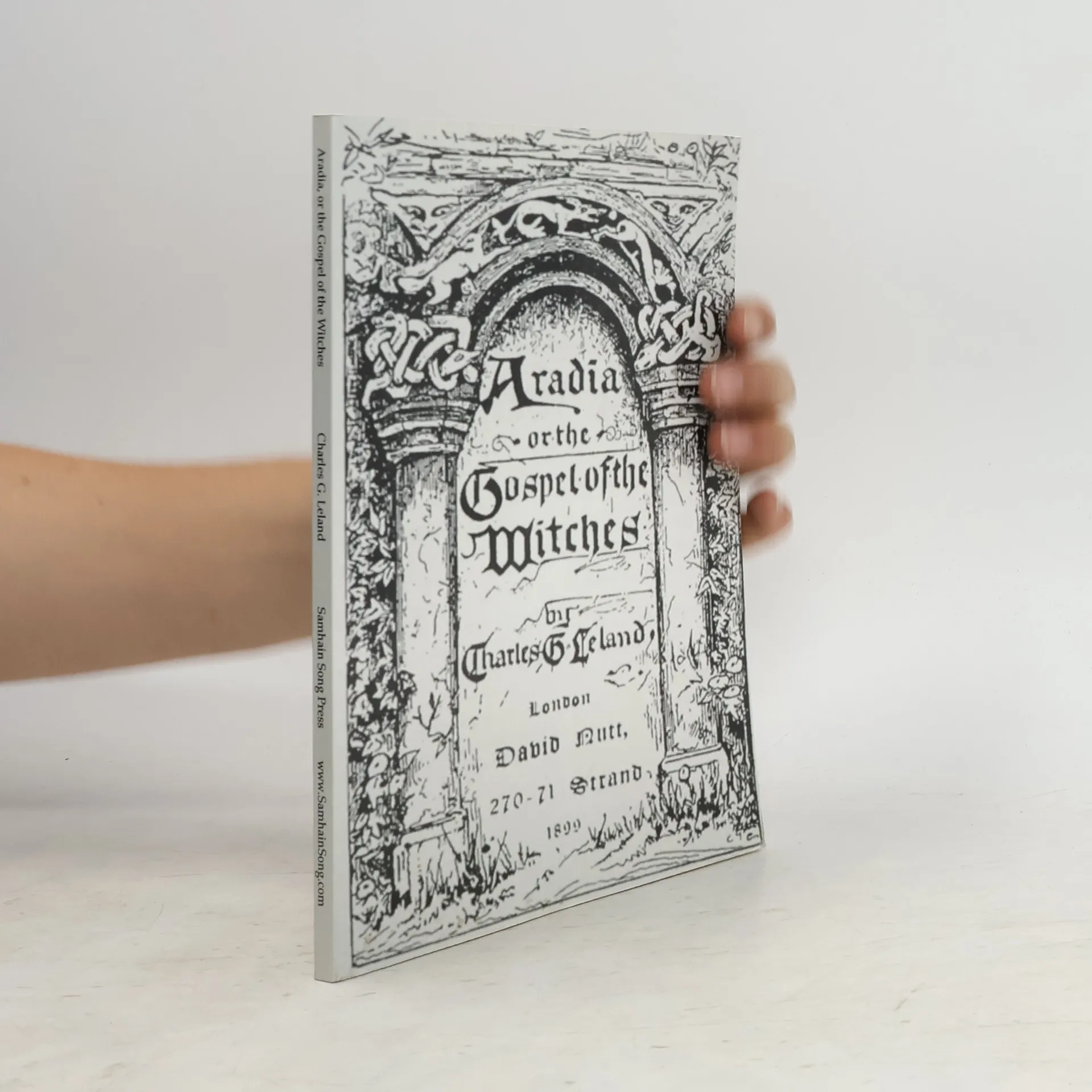
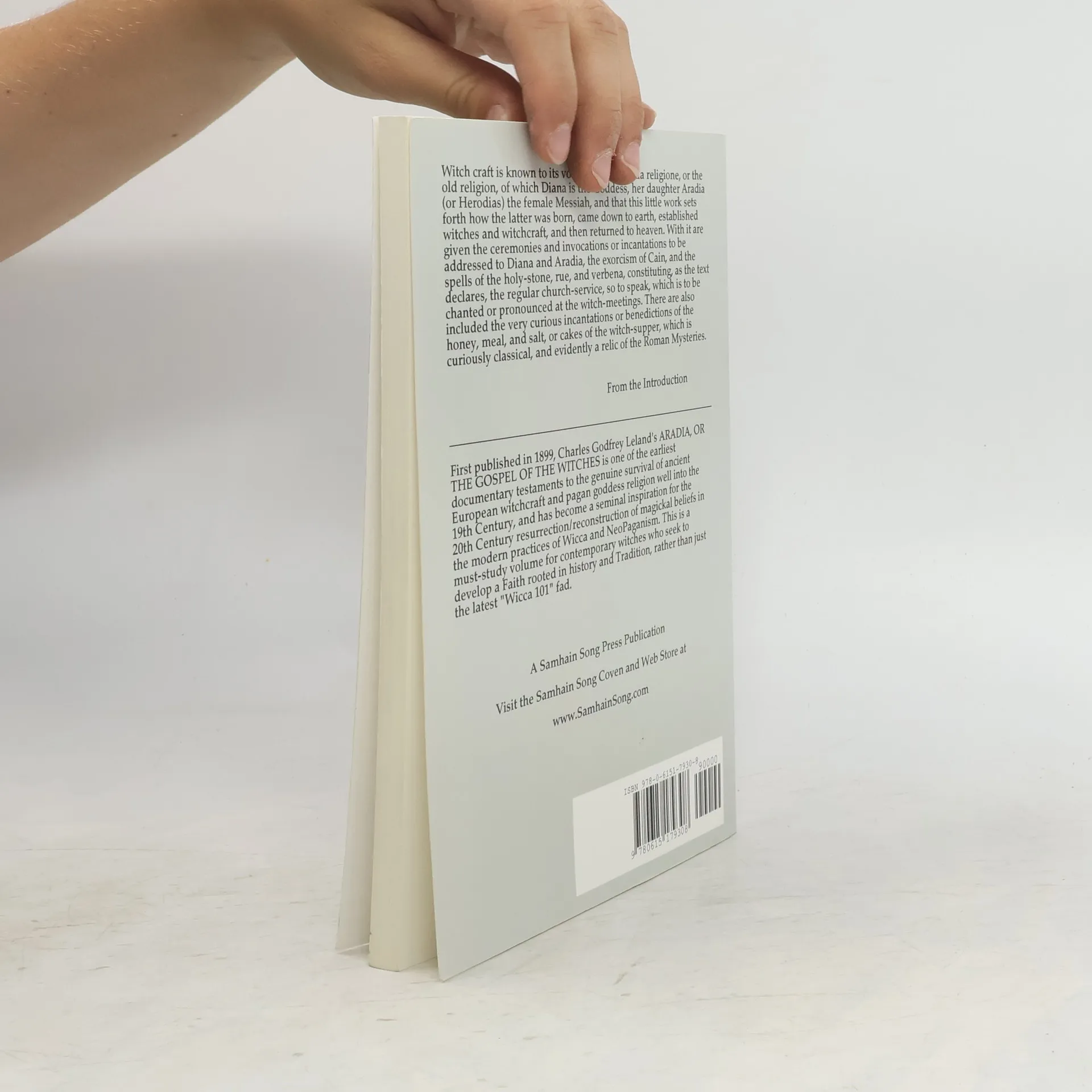
Its accuracy is disputed by some, while others consider it a vital resource for studying and understanding Italian witch folklore of the 19th century. What is certain is that this 1899 classic has become a foundational document of modern Wicca and neopaganism. Leland claimed his "witch informant," a fortune-teller named Maddalena, supplied him with the secret writings that he translated and combined with his research on Italian pagan tradition to create a gospel of pagan belief and practice. Here, in the story of the goddess Aradia, who came to Earth to champion oppressed peasants in their fight against their feudal overlords and the Catholic Church, are the chants, prayers, spells, and rituals that have become the centerpieces of contemporary pagan faiths. American journalist and folklorist CHARLES GODFREY LELAND (1824-1903) was editor of Continental Monthly during the Civil War and coined the term emancipation as an alternative to abolition, but he is best remembered for his books on ethnography, folklore, and language, including The Gypsies (1882), The Hundred Riddles of the Fairy Bellaria (1892), and Unpublished Legends of Virgil (1899).


Achat du livre
Aradia, or the Gospel of the Witches, Charles Godfrey Leland
- Langue

- Année de publication
- 2007
- Reliure
- (souple)
Modes de paiement
Il manque plus que ton avis ici.
- Titre
- Aradia, or the Gospel of the Witches
- Langue
- Anglais
- Auteurs
- Charles Godfrey Leland
- Éditeur
- Samhain Song Press
- Publié
- 2007
- Format
- souple
- Pages
- 132
- ISBN10
- 0615179304
- ISBN13
- 9780615179308
- Séries
- Mots clés
- Thèmes religieux, Spiritualité et spiritualisme, Magie, Mythologie, Occultisme, Païens, paganisme
- Évaluation
- 3,55 sur 5
- Description
- Its accuracy is disputed by some, while others consider it a vital resource for studying and understanding Italian witch folklore of the 19th century. What is certain is that this 1899 classic has become a foundational document of modern Wicca and neopaganism. Leland claimed his "witch informant," a fortune-teller named Maddalena, supplied him with the secret writings that he translated and combined with his research on Italian pagan tradition to create a gospel of pagan belief and practice. Here, in the story of the goddess Aradia, who came to Earth to champion oppressed peasants in their fight against their feudal overlords and the Catholic Church, are the chants, prayers, spells, and rituals that have become the centerpieces of contemporary pagan faiths. American journalist and folklorist CHARLES GODFREY LELAND (1824-1903) was editor of Continental Monthly during the Civil War and coined the term emancipation as an alternative to abolition, but he is best remembered for his books on ethnography, folklore, and language, including The Gypsies (1882), The Hundred Riddles of the Fairy Bellaria (1892), and Unpublished Legends of Virgil (1899).