

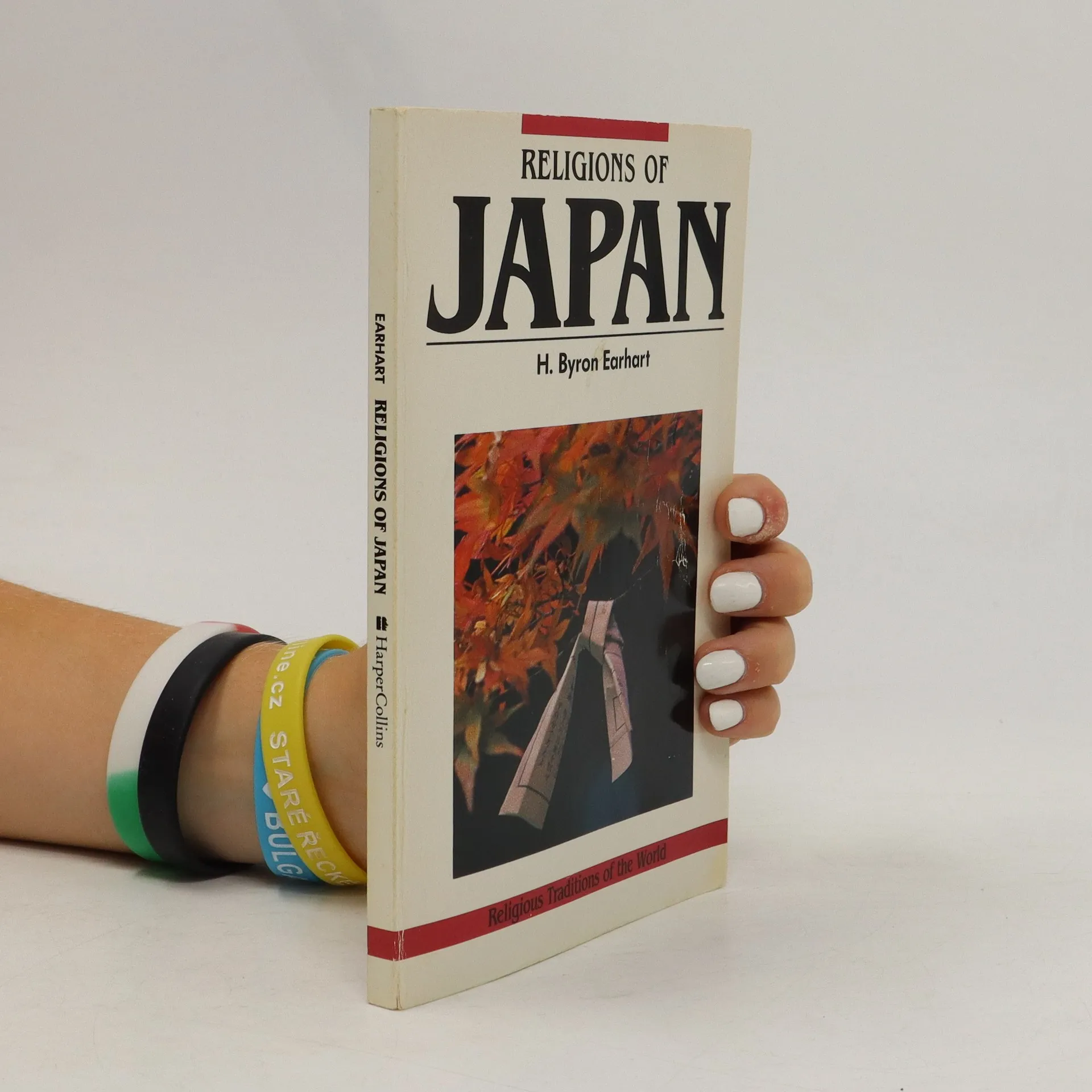



En savoir plus sur le livre
An exploration into the vitality and richness of Japanese religious life! Distinguished scholar and teacher H. Byron Earhart provides a fresh, firsthand look at Japanese religious life, sensitively distilling its unique characteristics. Within the larger framework of the distinctive Japanese religious heritage, Earhart explains the major traditions; provides a historical-cultural context; examines objects of worship--kami ("gods"), Buddhas, ancestors, and holy persons; interprets Japanese concepts of worship reflected in views on society, space, time, and human life; and assesses the general world view created by the individual traditions taken as a whole. Religions of Japan is enriched by the author's fieldwork, which brings an immediacy to his description of a traditional rural community festival and the life story of a member of a new religion in a modern urban setting. The result is an insider's view of Japanese religious life today, showing its vitality and the richness and distinctiveness of its impressive heritage.

Achat du livre
Religions of Japan, H. Byron Earhart
- Langue

- Année de publication
- 1984
- Reliure
- (souple)
Modes de paiement
Il manque plus que ton avis ici.
- Titre
- Religions of Japan
- Langue
- Anglais
- Auteurs
- H. Byron Earhart
- Éditeur
- Harper & Row
- Publié
- 1984
- Format
- souple
- ISBN10
- 0060621125
- ISBN13
- 9780060621124
- Séries
- Mots clés
- Thèmes religieux, Spiritualité et spiritualisme, Japon, Histoire des religions, Études religieuses, Shintoïsme, Confucianisme, Traditions religieuses
- Première publication
- 1984
- Titre original
- Religions of Japan: Many Traditions Within One Sacred Way
- Évaluation
- 4,05 sur 5
- Description
- An exploration into the vitality and richness of Japanese religious life! Distinguished scholar and teacher H. Byron Earhart provides a fresh, firsthand look at Japanese religious life, sensitively distilling its unique characteristics. Within the larger framework of the distinctive Japanese religious heritage, Earhart explains the major traditions; provides a historical-cultural context; examines objects of worship--kami ("gods"), Buddhas, ancestors, and holy persons; interprets Japanese concepts of worship reflected in views on society, space, time, and human life; and assesses the general world view created by the individual traditions taken as a whole. Religions of Japan is enriched by the author's fieldwork, which brings an immediacy to his description of a traditional rural community festival and the life story of a member of a new religion in a modern urban setting. The result is an insider's view of Japanese religious life today, showing its vitality and the richness and distinctiveness of its impressive heritage.