




Évaluation du livre
En savoir plus sur le livre
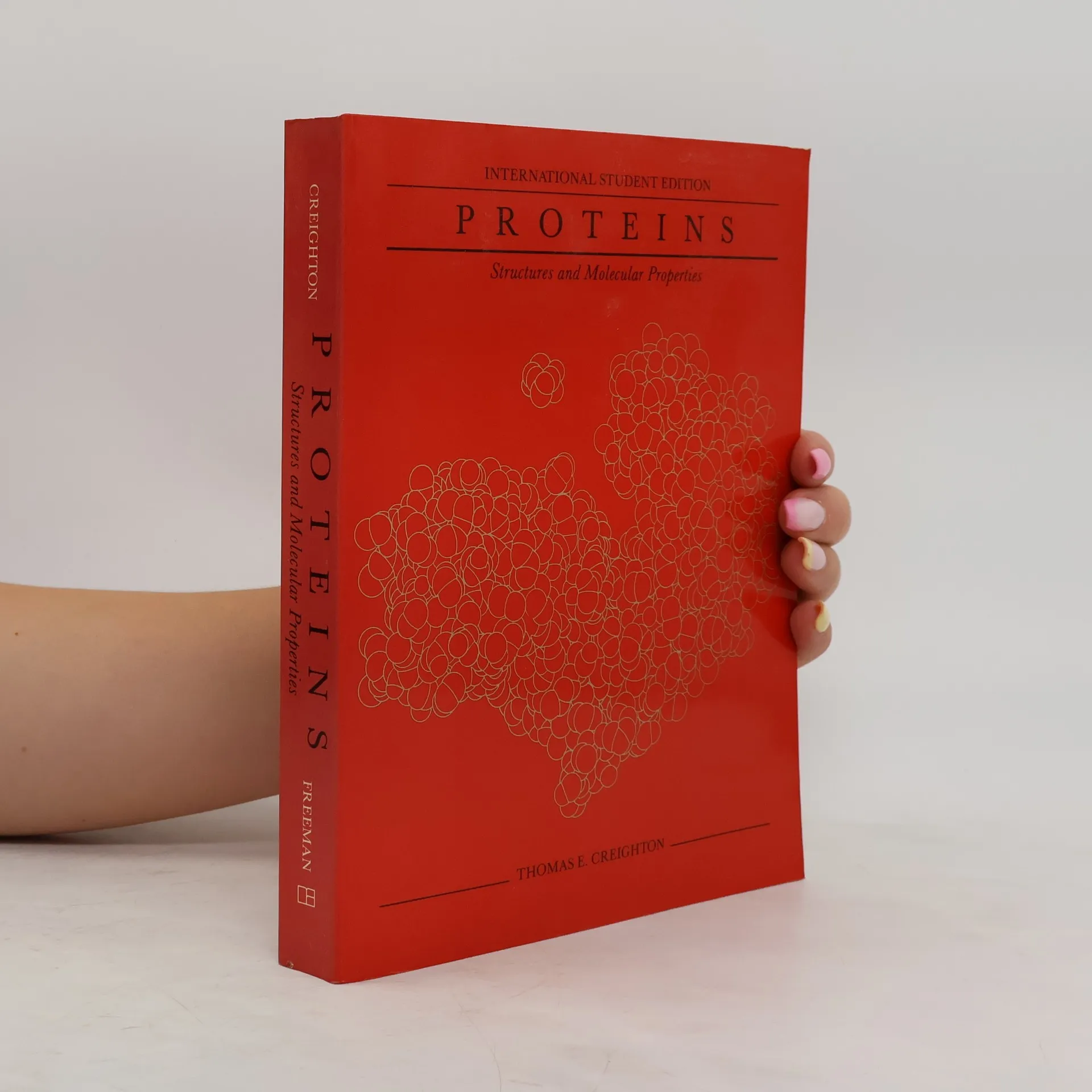
This work provides a comprehensive description of the molecular, chemical, and physical properties of proteins. It brings together in one authoritative resource coverage of all aspects of proteins-biosynthesis, evolution, dynamics ligand binding and catalysis, in YSI addition to their structures. The second edition has been thoroughly updated - especially in the area of protein biosynthesis - and features coverage of: developments in site-acted mutagenesis and protein engineering advances in the use of NMR to determine protein structure factors affecting the aqueous solubilities; of better understanding of the stabilities of folded conformations; how proteins interact with DNA; and progress in elucidating the mechanisms of protein degradation and turnover. This edition features end-of-chapter exercises and problems, many of which require the student to consult important contributions to the literature.
Édition

Achat du livre
Proteins, Thomas E. Creighton
- Langue

- Année de publication
- 1988
- Reliure
- (souple)
Modes de paiement
Il manque plus que ton avis ici.
- Titre
- Proteins
- Sous-titre
- Structures and Molecular Properties - International Student Edition
- Langue
- Anglais
- Auteurs
- Thomas E. Creighton
- Éditeur
- W.H.Freeman & Co Ltd
- Publié
- 1988
- Format
- souple
- Pages
- 515
- ISBN10
- 0716718200
- ISBN13
- 9780716718208
- Séries
- Mots clés
- Sciences naturelles, Science
- Évaluation
- 3,95 sur 5
- Description
- This work provides a comprehensive description of the molecular, chemical, and physical properties of proteins. It brings together in one authoritative resource coverage of all aspects of proteins-biosynthesis, evolution, dynamics ligand binding and catalysis, in YSI addition to their structures. The second edition has been thoroughly updated - especially in the area of protein biosynthesis - and features coverage of: developments in site-acted mutagenesis and protein engineering advances in the use of NMR to determine protein structure factors affecting the aqueous solubilities; of better understanding of the stabilities of folded conformations; how proteins interact with DNA; and progress in elucidating the mechanisms of protein degradation and turnover. This edition features end-of-chapter exercises and problems, many of which require the student to consult important contributions to the literature.