


Jasper Johns
Paramètres
En savoir plus sur le livre
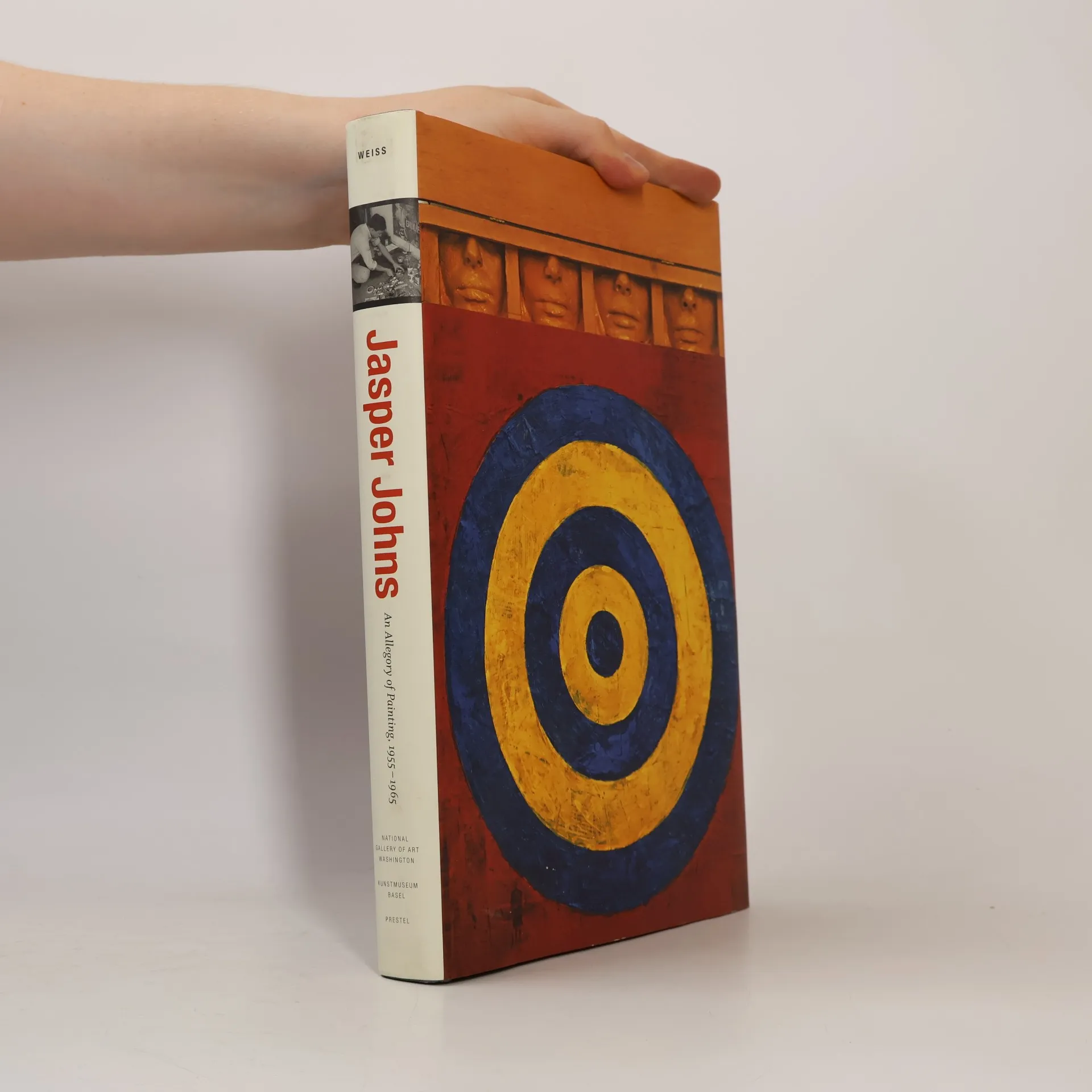
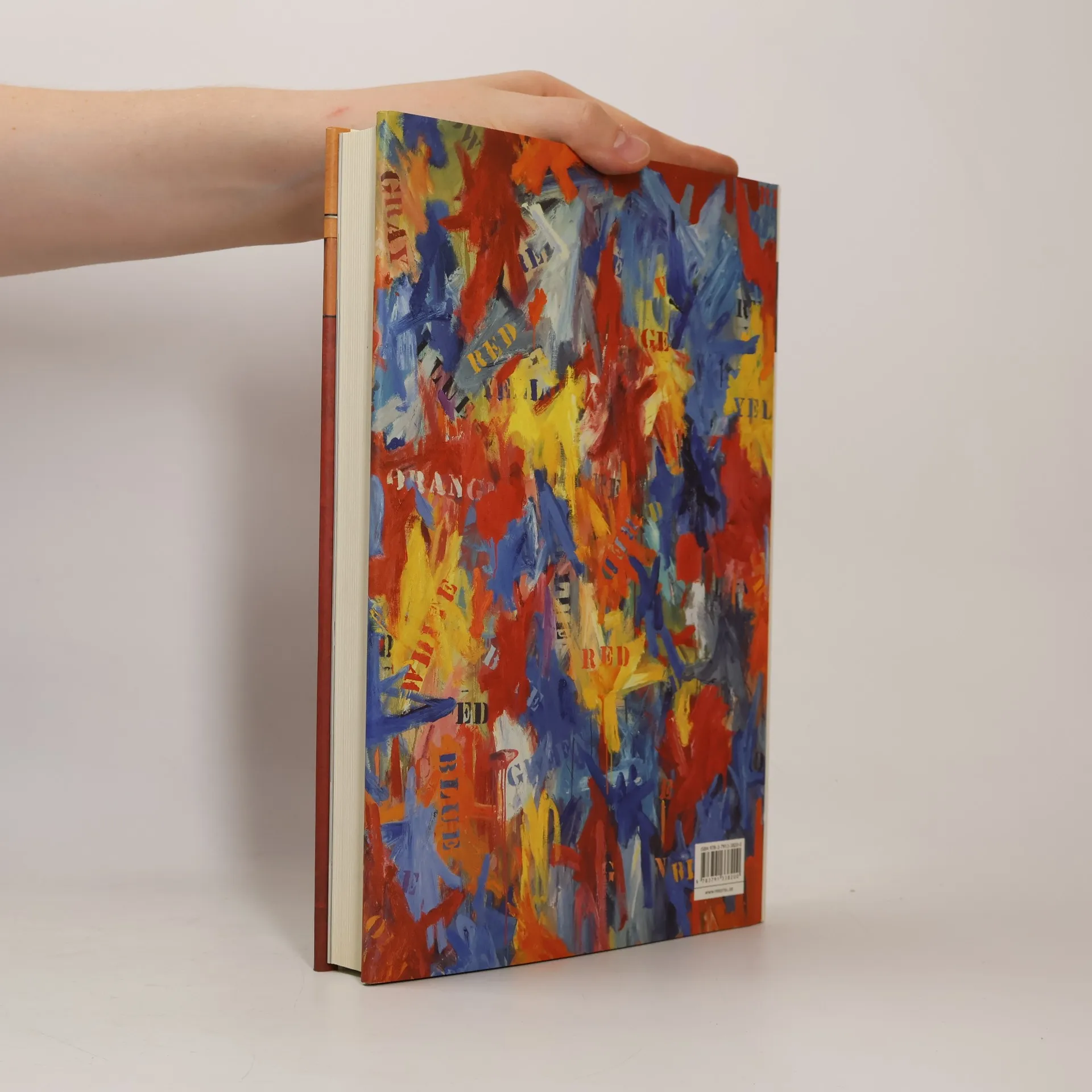
Jasper Johns (b. 1930) is one of the most significant figures in the history of postwar art. His work from 1955 to 1965 was pivotal, exercising an enormous impact on the subsequent development of pop, minimalism, and conceptual art in the United States and Europe. This is the first publication to approach Johns’s work of this ten-year period through a thematic framework. It examines the artist's interest in the condition of painting as a medium, a practice, and an instrument of encoded meaning through several interrelated motifs: the target, the “device,” the naming of colors, and the imprint of the body.In this handsome book, leading scholars, a conservator, and a contemporary artist consider Johns’s activity in this critical decade and discuss many of his iconic paintings, such as Target with Four Faces (1955), Diver (1962), Periscope (Hart Crane) (1963), and Arrive-Depart (1963). Their new critical and historical perspectives are grounded in an unusually close visual and material analysis of Johns's work.
Achat du livre
Jasper Johns, Jeffrey Weiss, Jasper Johns, Bernhard Bürgi
- Langue


- Année de publication
- 2007
- Reliure
- (rigide)
Modes de paiement
Personne n'a encore évalué .
- Titre
- Jasper Johns
- Langue
- Anglais, Allemand
- Auteurs
- Jeffrey Weiss, Jasper Johns, Bernhard Bürgi
- Éditeur
- Prestel
- Publié
- 2007
- Format
- rigide
- ISBN10
- 379133820X
- ISBN13
- 9783791338200
- Séries
- Catégories
- Mots clés
- Art
- Description
- Jasper Johns (b. 1930) is one of the most significant figures in the history of postwar art. His work from 1955 to 1965 was pivotal, exercising an enormous impact on the subsequent development of pop, minimalism, and conceptual art in the United States and Europe. This is the first publication to approach Johns’s work of this ten-year period through a thematic framework. It examines the artist's interest in the condition of painting as a medium, a practice, and an instrument of encoded meaning through several interrelated motifs: the target, the “device,” the naming of colors, and the imprint of the body.In this handsome book, leading scholars, a conservator, and a contemporary artist consider Johns’s activity in this critical decade and discuss many of his iconic paintings, such as Target with Four Faces (1955), Diver (1962), Periscope (Hart Crane) (1963), and Arrive-Depart (1963). Their new critical and historical perspectives are grounded in an unusually close visual and material analysis of Johns's work.