



Séries
En savoir plus sur le livre
At the age of 14 Georg Koves is plucked from his home in a Jewish section of Budapest and without any particular malice, placed on a train to Auschwitz. He does not understand the reason for his fate. He doesn’t particularly think of himself as Jewish. And his fellow prisoners, who decry his lack of Yiddish, keep telling him, “You are no Jew.” In the lowest circle of the Holocaust, Georg remains an outsider. The genius of Imre Kertesz’s unblinking novel lies in its refusal to mitigate the strangeness of its events, not least of which is Georg’s dogmatic insistence on making sense of what he witnesses–or pretending that what he witnesses makes sense. Haunting, evocative, and all the more horrifying for its rigorous avoidance of sentiment, Fatelessness is a masterpiece in the traditions of Primo Levi, Elie Wiesel, and Tadeusz Borowski.


Achat du livre
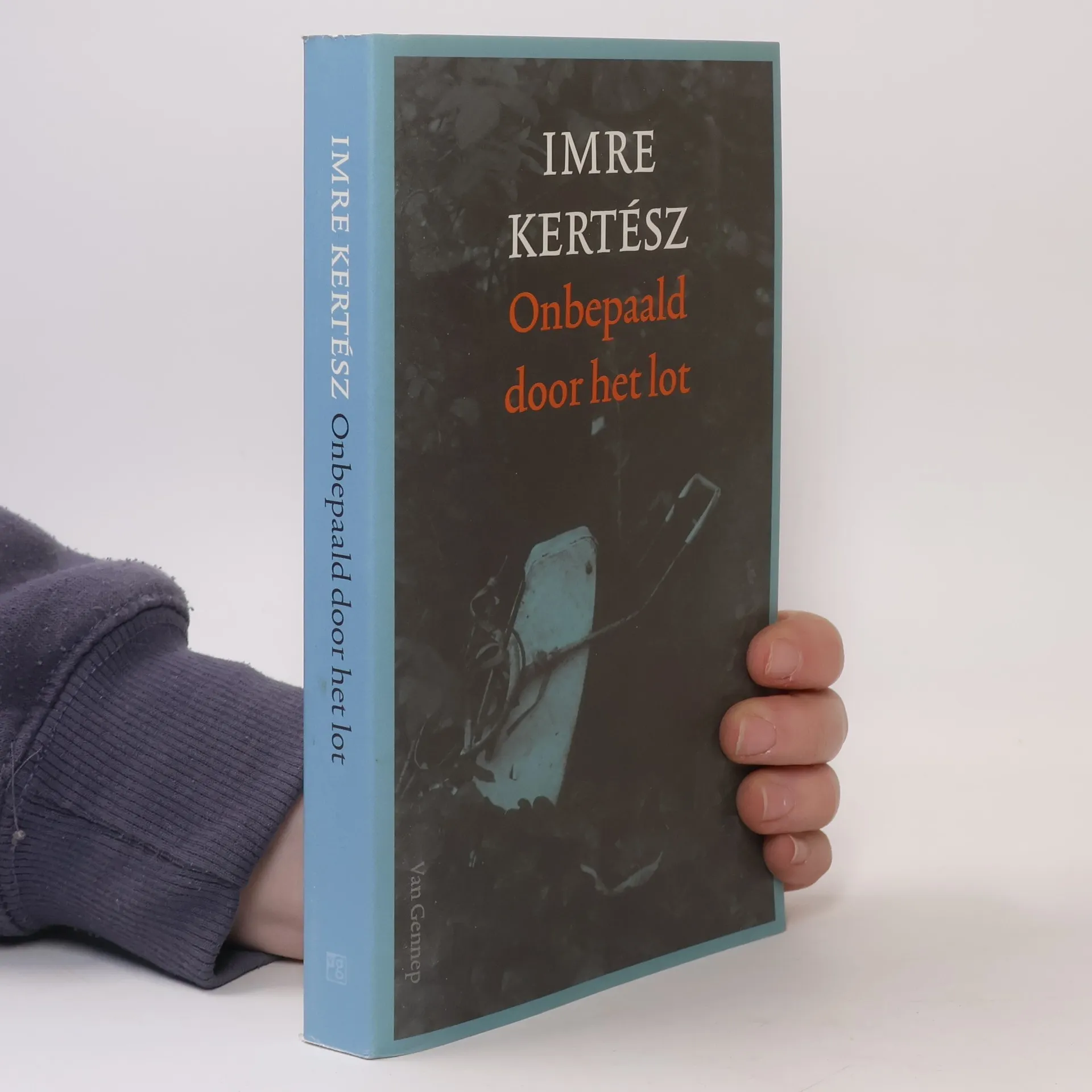
Onbepaald door het lot, Imre Kertész, J. H. A. Kammer
- Langue

- Année de publication
- 2003
- Reliure
- (rigide)
Modes de paiement
Il manque plus que ton avis ici.
- Titre
- Onbepaald door het lot
- Langue
- Néerlandais
- Auteurs
- Imre Kertész, J. H. A. Kammer
- Éditeur
- Van gennep
- Publié
- 2003
- Format
- rigide
- Pages
- 242
- ISBN10
- 9055153796
- ISBN13
- 9789055153794
- Séries
- L'Holocauste
- Catégories
- Mots clés
- Thème historique, Seconde Guerre mondiale, Guerres, Mort, Juifs, Nazisme, Holocauste, Survie, Prix Nobel, Romans autobiographiques, Camps de concentration, Hongrie, Littérature hongroise, Persécution des Juifs, Budapest, Littérature d'Europe centrale
- Première publication
- 1975
- Titre original
- Sorstalanság
- Évaluation
- 4,1 sur 5
- Description
- At the age of 14 Georg Koves is plucked from his home in a Jewish section of Budapest and without any particular malice, placed on a train to Auschwitz. He does not understand the reason for his fate. He doesn’t particularly think of himself as Jewish. And his fellow prisoners, who decry his lack of Yiddish, keep telling him, “You are no Jew.” In the lowest circle of the Holocaust, Georg remains an outsider. The genius of Imre Kertesz’s unblinking novel lies in its refusal to mitigate the strangeness of its events, not least of which is Georg’s dogmatic insistence on making sense of what he witnesses–or pretending that what he witnesses makes sense. Haunting, evocative, and all the more horrifying for its rigorous avoidance of sentiment, Fatelessness is a masterpiece in the traditions of Primo Levi, Elie Wiesel, and Tadeusz Borowski.