

En savoir plus sur le livre
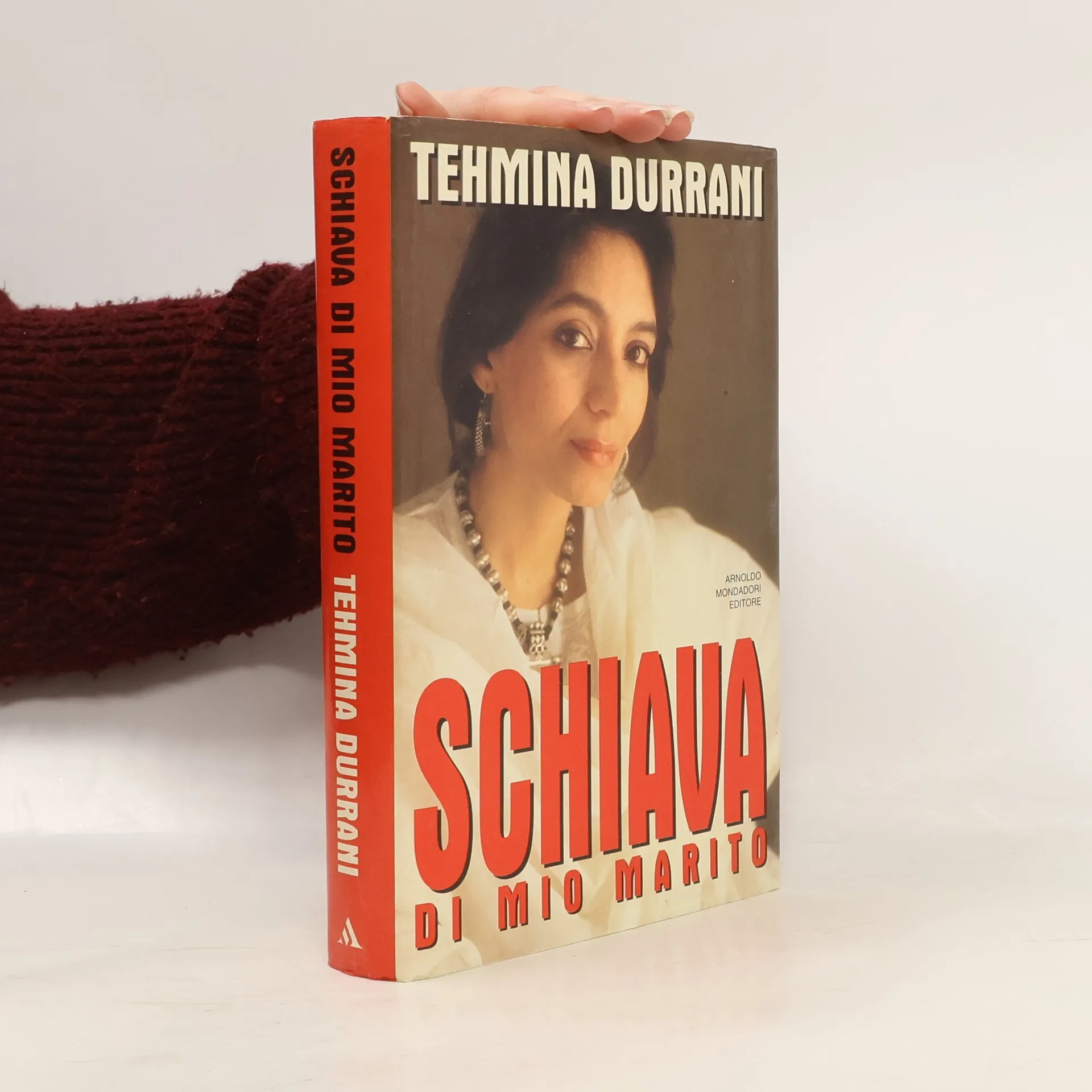
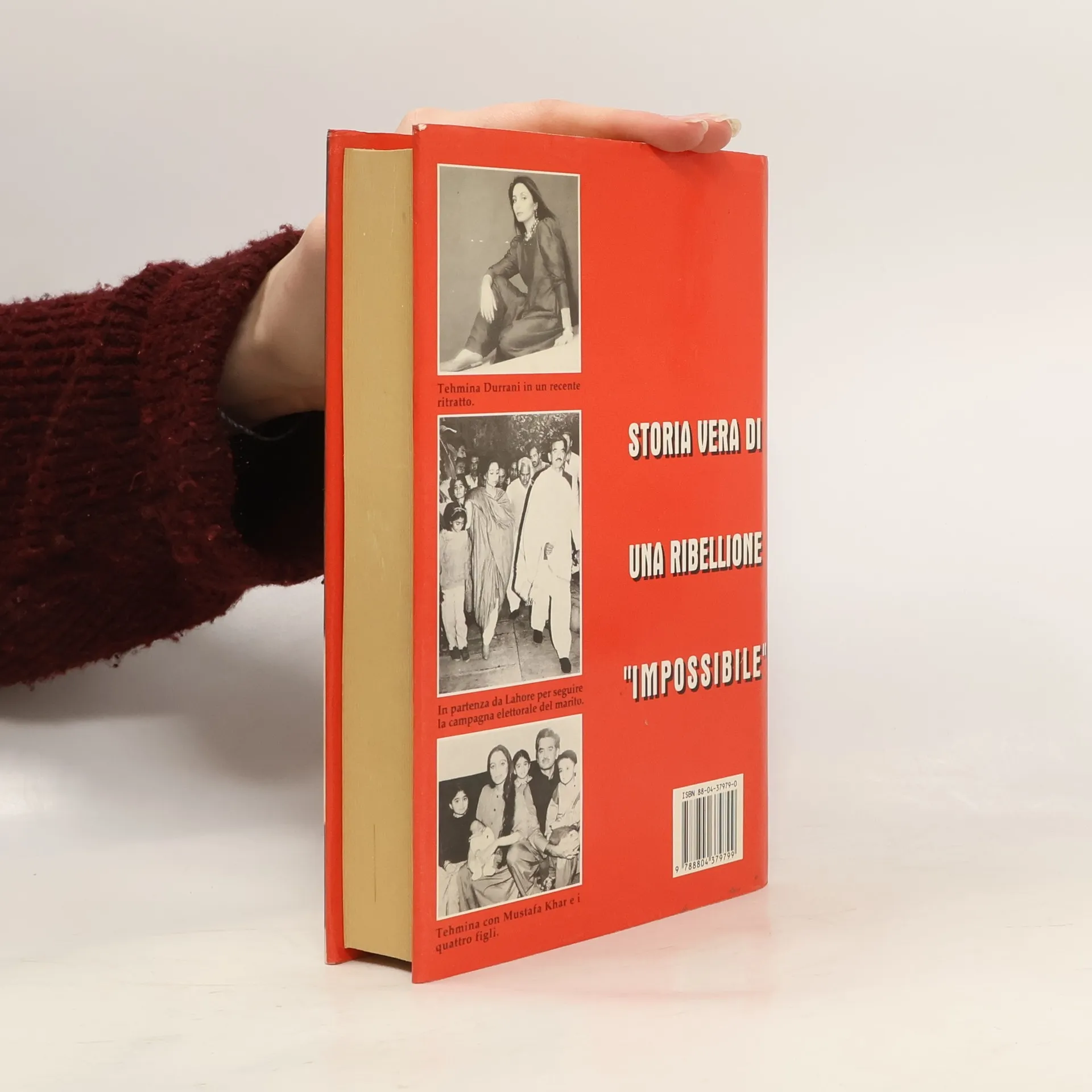
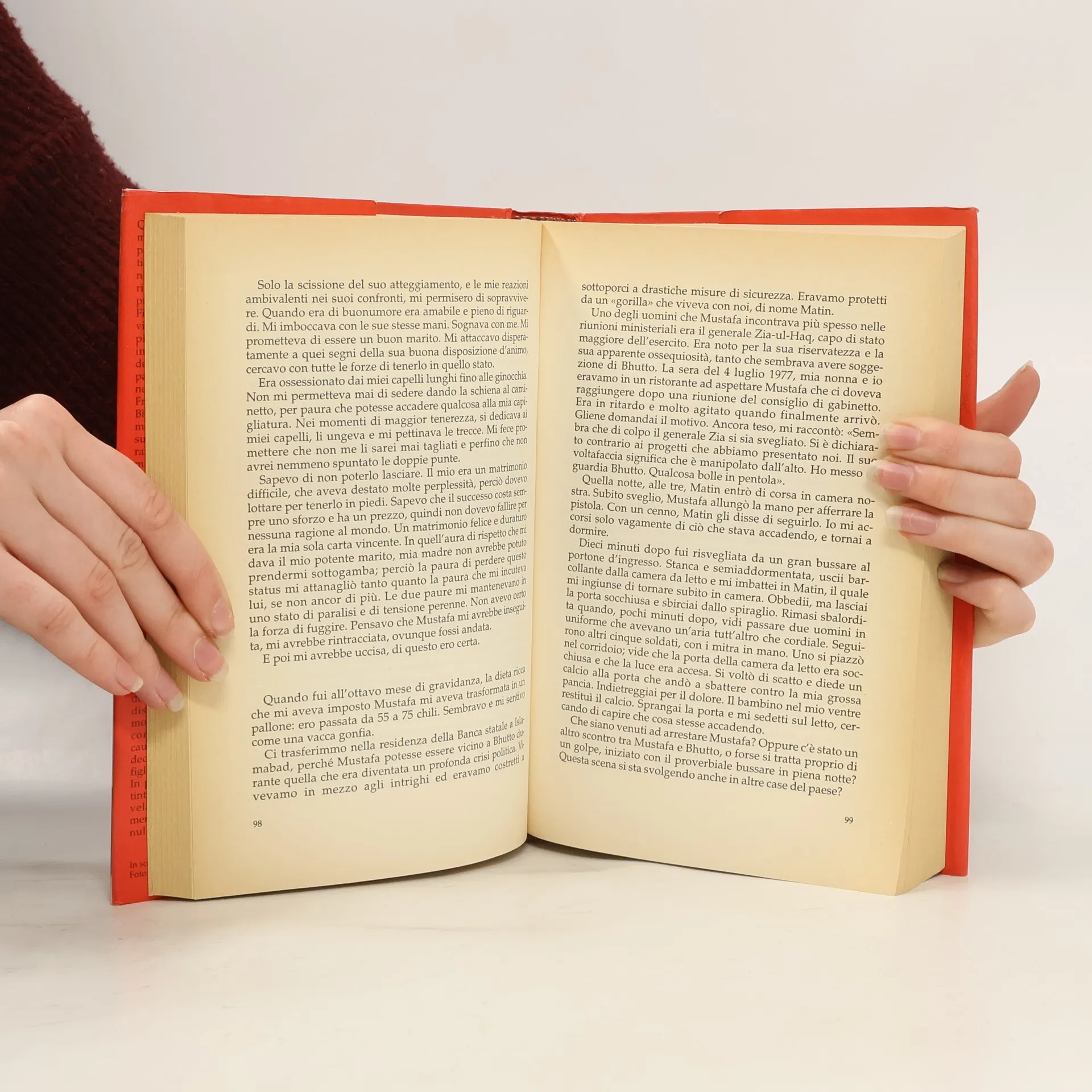
Born into one of Pakistan's most influential families, Tehmina Durrani was raised in the privileged milieu of Lahore high society and educated at the same school as Benazir Bhutto. Like all women of her rank, she was expected to marry a wealthy Muslim, bear him many children and lead a sheltered life of air-conditioned leisure. When she married Mustafa Khar, one of Pakistan's most eminent political figures, she continued to move in the best circles, and learned to keep up the public facade as a glamorous, cultivated wife, and mother of four children. In private, however, the story-book romance rapidly turned sour. Mustafa Khar became violently possessive and jealous, and succeeded in cutting his wife off from the outside world. For the course of her 14-year marriage, she suffered alone, in silence. This is the story of Tehmina's rebellion from an unhappy marriage. As a Muslim woman seeking a divorce, she paid a high price. She signed away all financial support, lost the custody of her children, and found herself alienated from her friends and disowned by her parents. The book, which she originally published herself after publishers in Pakistan refused to do so, shocked Pakistan society. She had succeeeded in reconciling her faith in Islam with her ardent belief in women's rights.


Édition

Achat du livre
Schiava di mio marito, Durrani Tehmina
- Langue

- Année de publication
- 2000
- Reliure
- (rigide)
Modes de paiement
Il manque plus que ton avis ici.
- Titre
- Schiava di mio marito
- Langue
- Italien
- Auteurs
- Durrani Tehmina
- Éditeur
- Mondadori
- Publié
- 2000
- Format
- rigide
- ISBN10
- 8804379790
- ISBN13
- 9788804379799
- Séries
- Mots clés
- Thème historique, Thèmes religieux, Femmes, Politique, Inde, Destin, Noces, Droits des femmes, Pakistan, Oppression
- Titre original
- My feudal lord
- Évaluation
- 3,7 sur 5
- Description
- Born into one of Pakistan's most influential families, Tehmina Durrani was raised in the privileged milieu of Lahore high society and educated at the same school as Benazir Bhutto. Like all women of her rank, she was expected to marry a wealthy Muslim, bear him many children and lead a sheltered life of air-conditioned leisure. When she married Mustafa Khar, one of Pakistan's most eminent political figures, she continued to move in the best circles, and learned to keep up the public facade as a glamorous, cultivated wife, and mother of four children. In private, however, the story-book romance rapidly turned sour. Mustafa Khar became violently possessive and jealous, and succeeded in cutting his wife off from the outside world. For the course of her 14-year marriage, she suffered alone, in silence. This is the story of Tehmina's rebellion from an unhappy marriage. As a Muslim woman seeking a divorce, she paid a high price. She signed away all financial support, lost the custody of her children, and found herself alienated from her friends and disowned by her parents. The book, which she originally published herself after publishers in Pakistan refused to do so, shocked Pakistan society. She had succeeeded in reconciling her faith in Islam with her ardent belief in women's rights.