


En savoir plus sur le livre
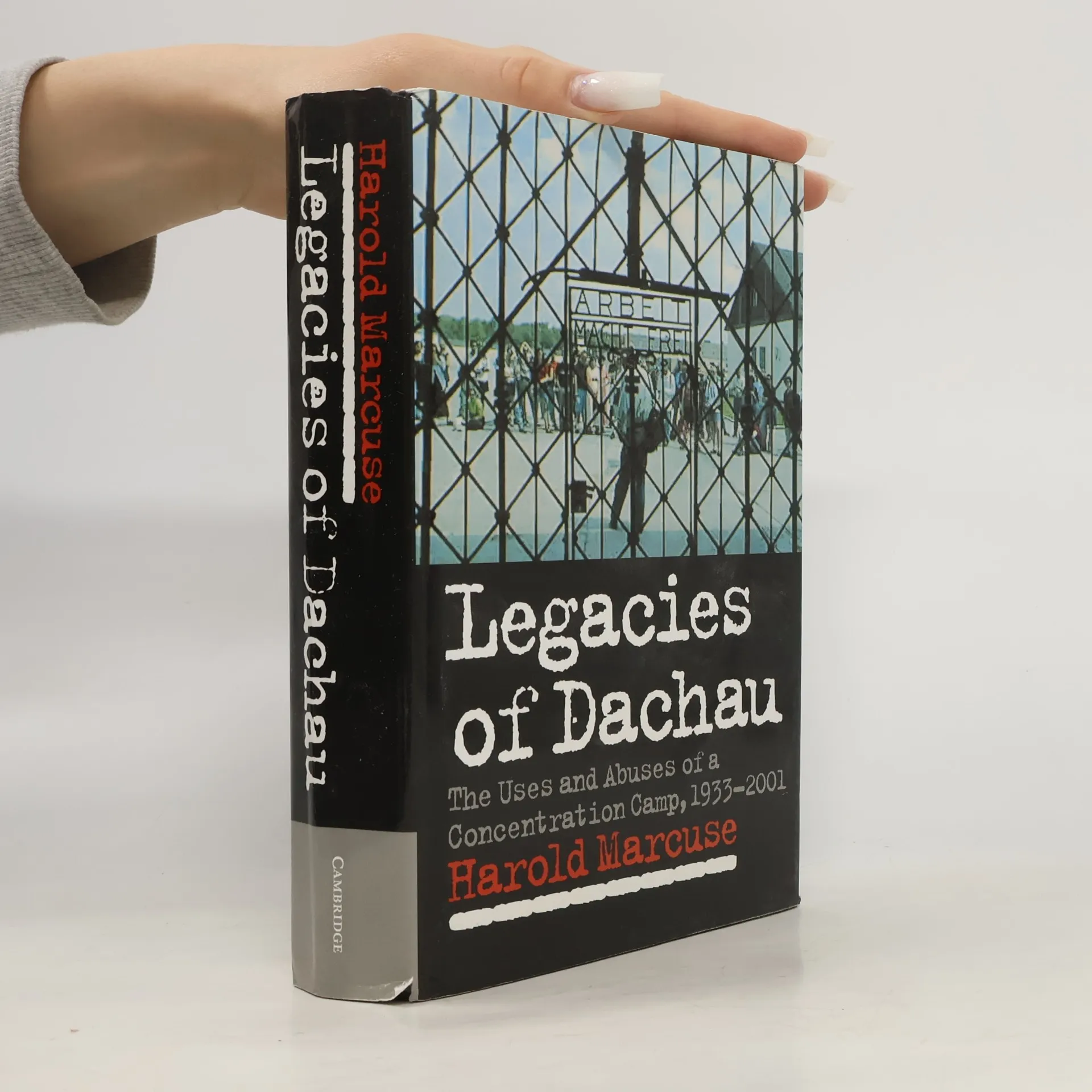
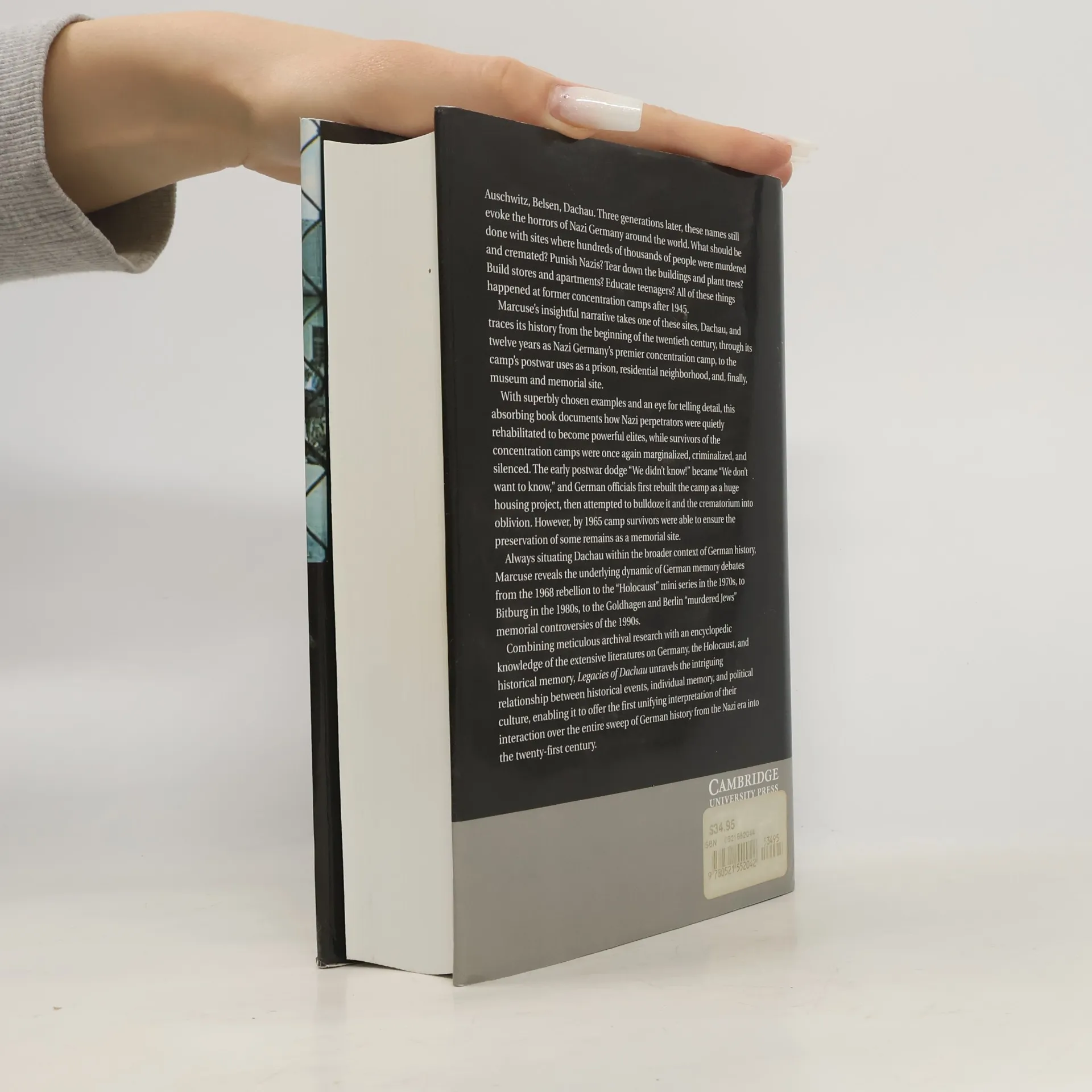
Auschwitz, Belsen, Dachau. These names still evoke the horrors of Nazi Germany around the world. This 2001 book takes one of these sites, Dachau, and traces its history from the beginning of the twentieth century, through its twelve years as Nazi Germany's premier concentration camp, to the camp's postwar uses as prison, residential neighborhood, and, finally, museum and memorial site. With superbly chosen examples and an eye for telling detail, Legacies of Dachau documents how Nazi perpetrators were quietly rehabilitated to become powerful elites, while survivors of the concentration camps were once again marginalized, criminalized and silenced. Combining meticulous archival research with an encyclopedic knowledge of the extensive literatures on Germany, the Holocaust, and historical memory, Marcuse unravels the intriguing relationship between historical events, individual memory, and political culture, to offer a unified interpretation of their interaction from the Nazi era to the twenty-first century.
Achat du livre
Legacies of Dachau, Harold Marcuse
- Langue

- Année de publication
- 2001
- Reliure
- (rigide),
- État du livre
- Bon
- Prix
- 5,29 €
Modes de paiement
Personne n'a encore évalué .
- Titre
- Legacies of Dachau
- Sous-titre
- The Uses and Abuses of a Concentration Camp, 1933–2001
- Langue
- Anglais
- Auteurs
- Harold Marcuse
- Éditeur
- Cambridge University Press
- Publié
- 2001
- Format
- rigide
- Pages
- 662
- ISBN10
- 0521552044
- ISBN13
- 9780521552042
- Séries
- Mots clés
- Thème historique, Holocauste
- Description
- Auschwitz, Belsen, Dachau. These names still evoke the horrors of Nazi Germany around the world. This 2001 book takes one of these sites, Dachau, and traces its history from the beginning of the twentieth century, through its twelve years as Nazi Germany's premier concentration camp, to the camp's postwar uses as prison, residential neighborhood, and, finally, museum and memorial site. With superbly chosen examples and an eye for telling detail, Legacies of Dachau documents how Nazi perpetrators were quietly rehabilitated to become powerful elites, while survivors of the concentration camps were once again marginalized, criminalized and silenced. Combining meticulous archival research with an encyclopedic knowledge of the extensive literatures on Germany, the Holocaust, and historical memory, Marcuse unravels the intriguing relationship between historical events, individual memory, and political culture, to offer a unified interpretation of their interaction from the Nazi era to the twenty-first century.