

En savoir plus sur le livre
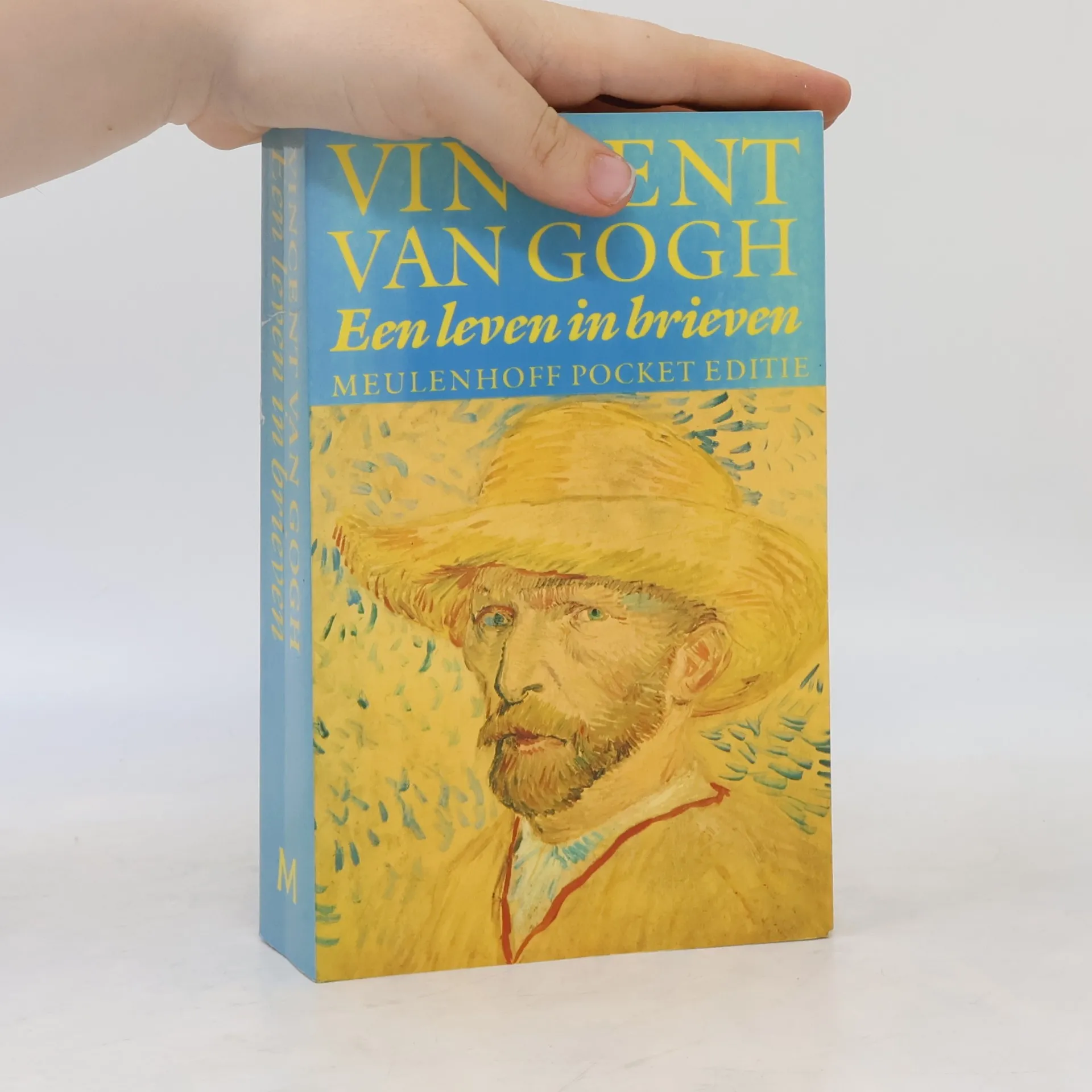
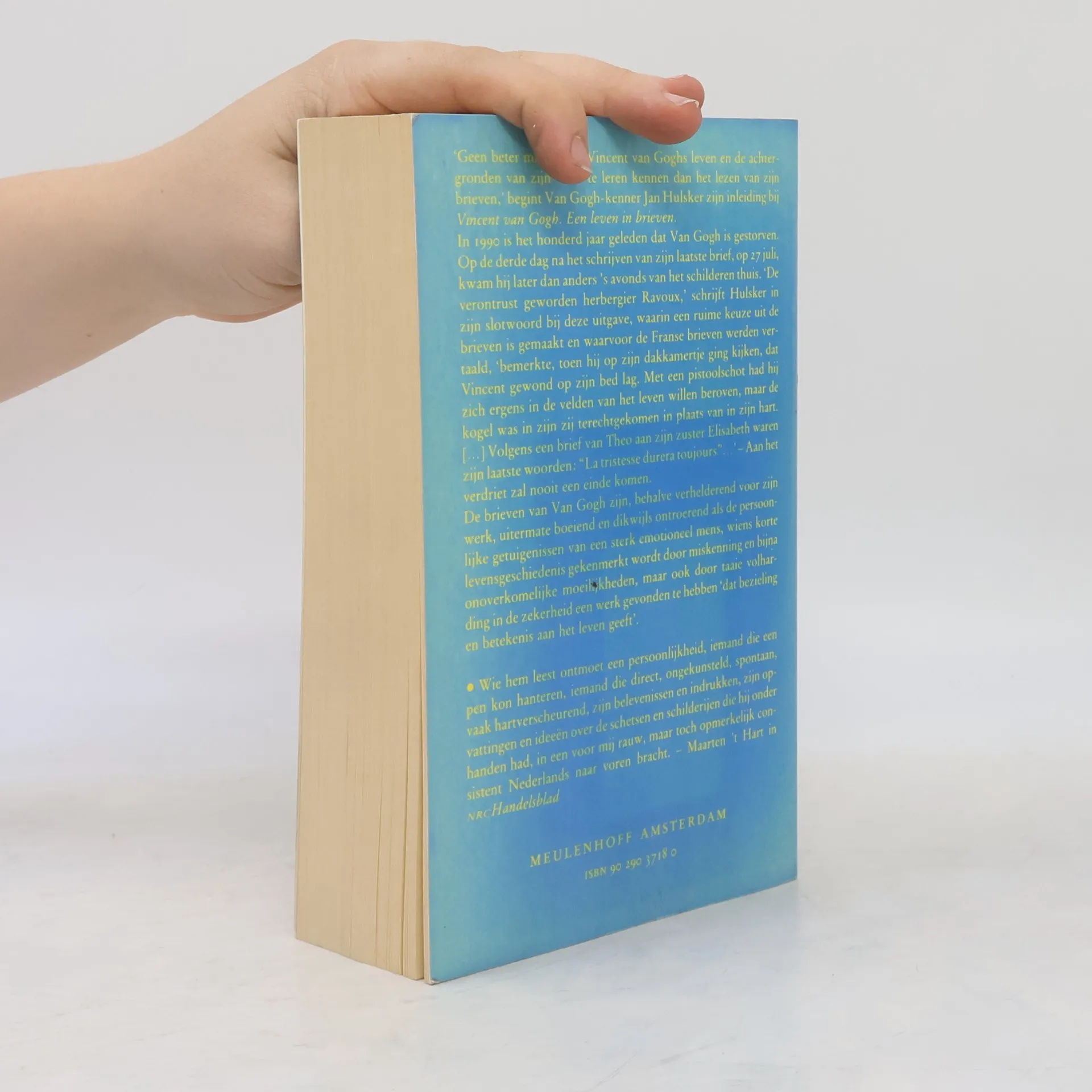
This work presents an imagined dialogue with Vincent van Gogh, featuring his authentic words. Best known for his sunflowers and the infamous incident of cutting off his ear, Van Gogh's life was rich with complexity. He was the son of a Dutch pastor who left his homeland for the sunny landscapes of Arles, France, where he produced over a thousand candid letters revealing his struggles and joys. Initially aspiring to be a Christian missionary in London, he came to painting late in life. Despite becoming one of the most renowned artists, he remained largely unrecognized during his lifetime, with only one art critic, Aurier, acknowledging his talent. Tragically, he may not have sold a single painting while alive. In Arles, he found both the sun and a newfound energy, associating the color yellow with hope. In his final two years, he painted nearly a canvas a day. However, hope faded on July 27, 1890, when he took his own life at 37, shortly after leaving a mental institution where he experienced a rare calm. Vincent viewed himself as a stunted plant, shaped by a troubled childhood. Engaging with him is described as a privilege, revealing a fascinating, contradictory, and tragic figure who, despite his turmoil, exuded kindness and life-affirming insights about art and human relationships.
Achat du livre
Een leven in brieven, Vincent van Gogh, Jan Hulsker
- Langue

- Année de publication
- 1989
- Reliure
- (souple),
- État du livre
- Bon
- Prix
- 16,99 €
Modes de paiement
Personne n'a encore évalué .
- Titre
- Een leven in brieven
- Langue
- Néerlandais
- Auteurs
- Vincent van Gogh, Jan Hulsker
- Éditeur
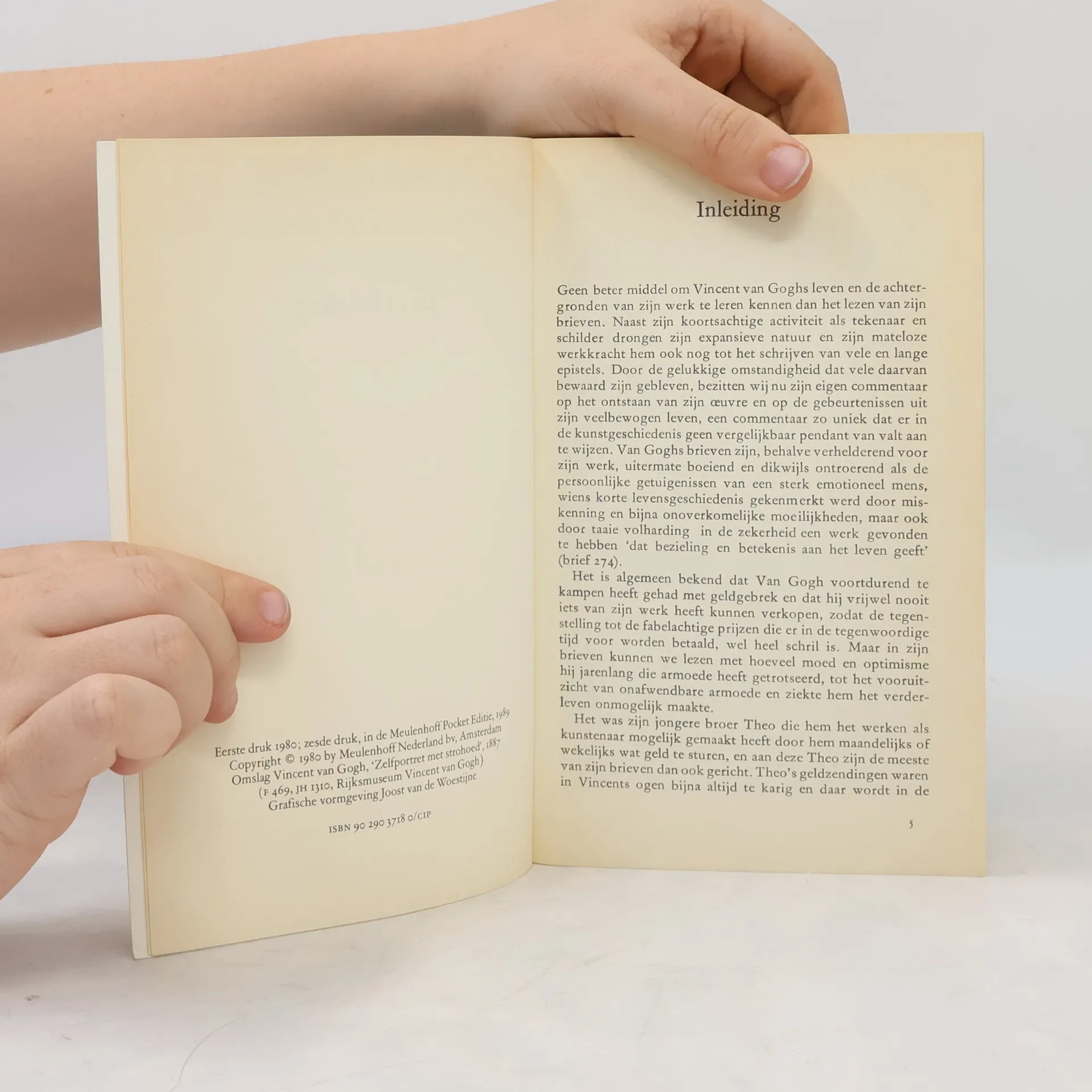
- Meulenhoff
- Publié
- 1989
- Format
- souple
- Pages
- 582
- ISBN10
- 9029037180
- ISBN13
- 9789029037181
- Séries
- Catégories
- Mots clés
- Art
- Description
- This work presents an imagined dialogue with Vincent van Gogh, featuring his authentic words. Best known for his sunflowers and the infamous incident of cutting off his ear, Van Gogh's life was rich with complexity. He was the son of a Dutch pastor who left his homeland for the sunny landscapes of Arles, France, where he produced over a thousand candid letters revealing his struggles and joys. Initially aspiring to be a Christian missionary in London, he came to painting late in life. Despite becoming one of the most renowned artists, he remained largely unrecognized during his lifetime, with only one art critic, Aurier, acknowledging his talent. Tragically, he may not have sold a single painting while alive. In Arles, he found both the sun and a newfound energy, associating the color yellow with hope. In his final two years, he painted nearly a canvas a day. However, hope faded on July 27, 1890, when he took his own life at 37, shortly after leaving a mental institution where he experienced a rare calm. Vincent viewed himself as a stunted plant, shaped by a troubled childhood. Engaging with him is described as a privilege, revealing a fascinating, contradictory, and tragic figure who, despite his turmoil, exuded kindness and life-affirming insights about art and human relationships.