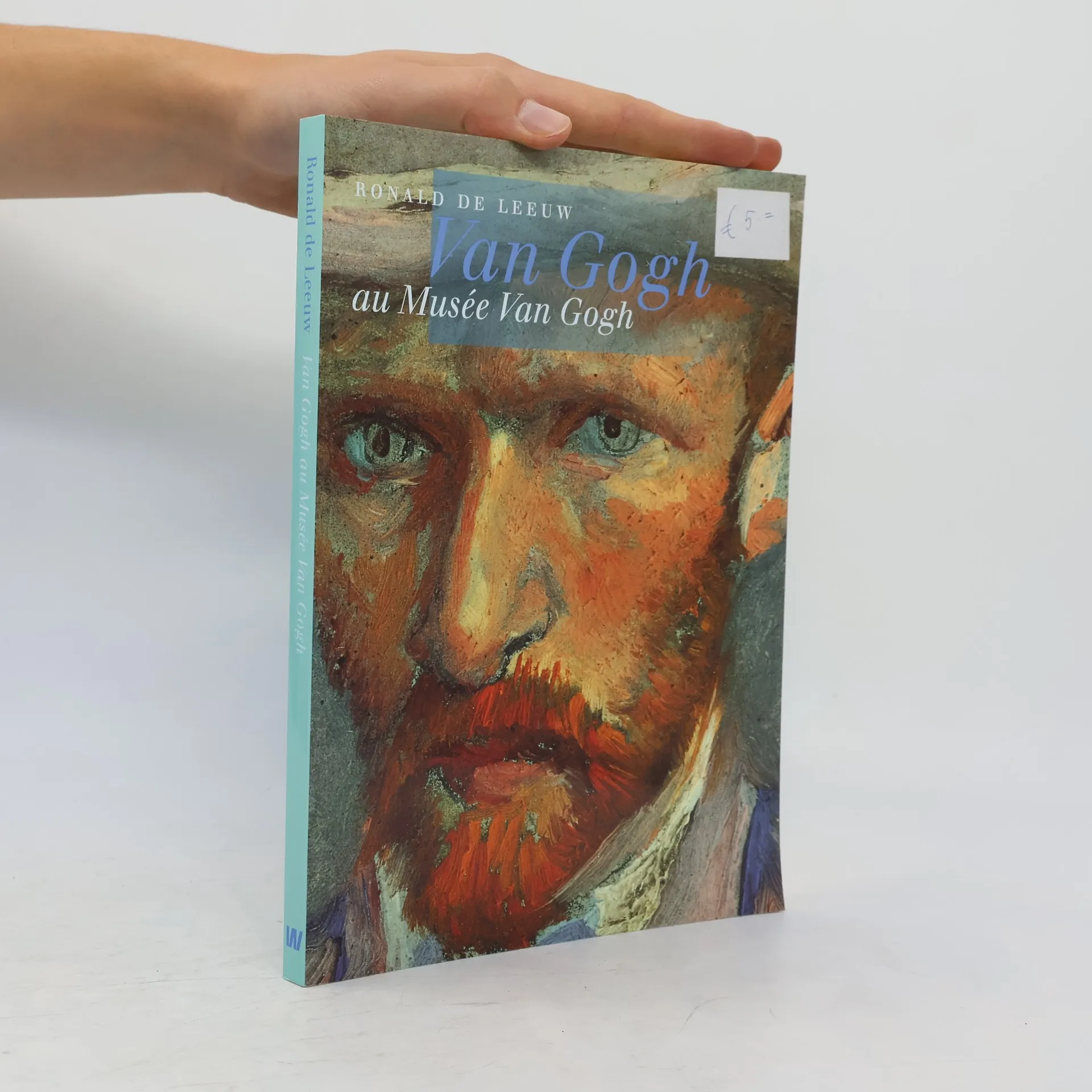
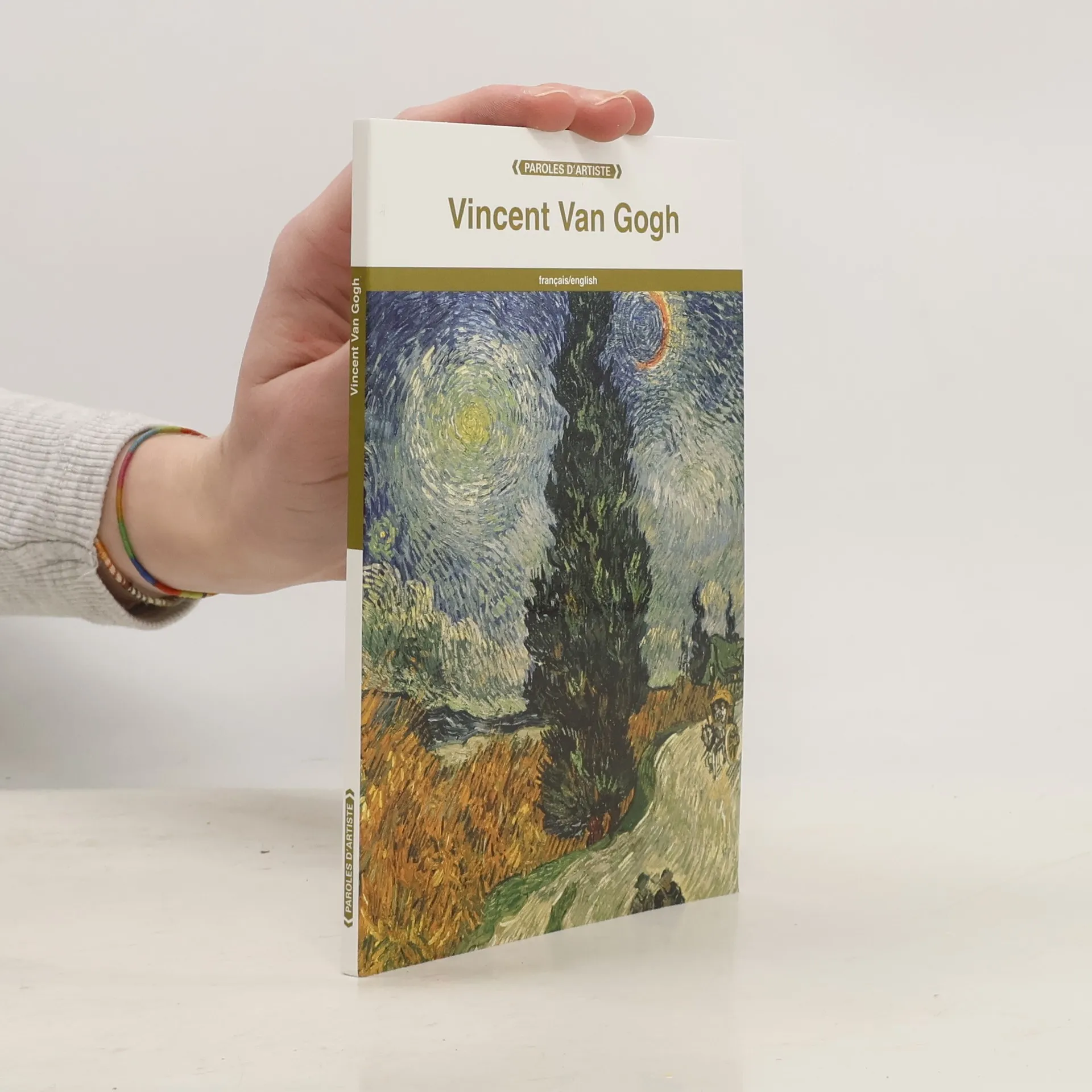
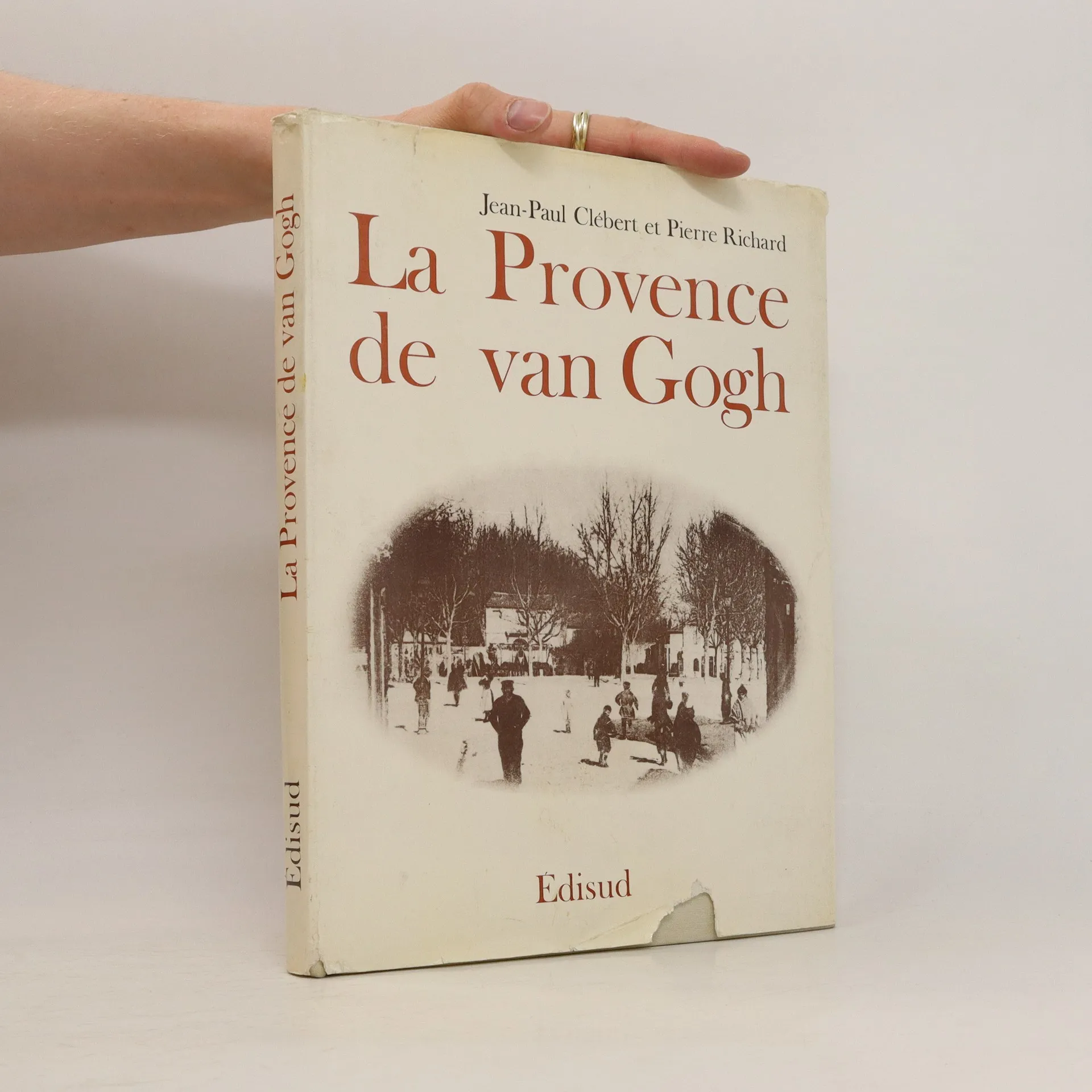
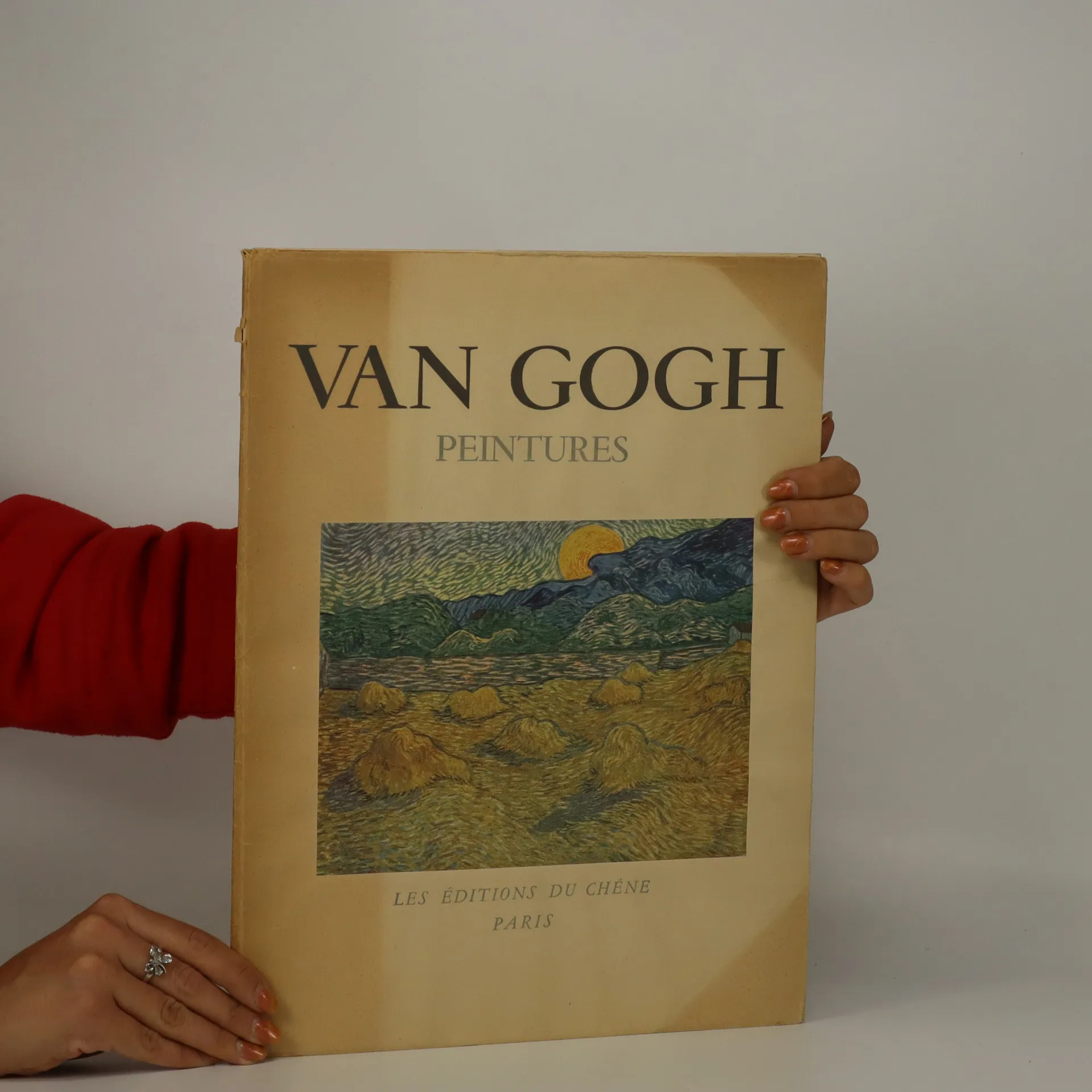
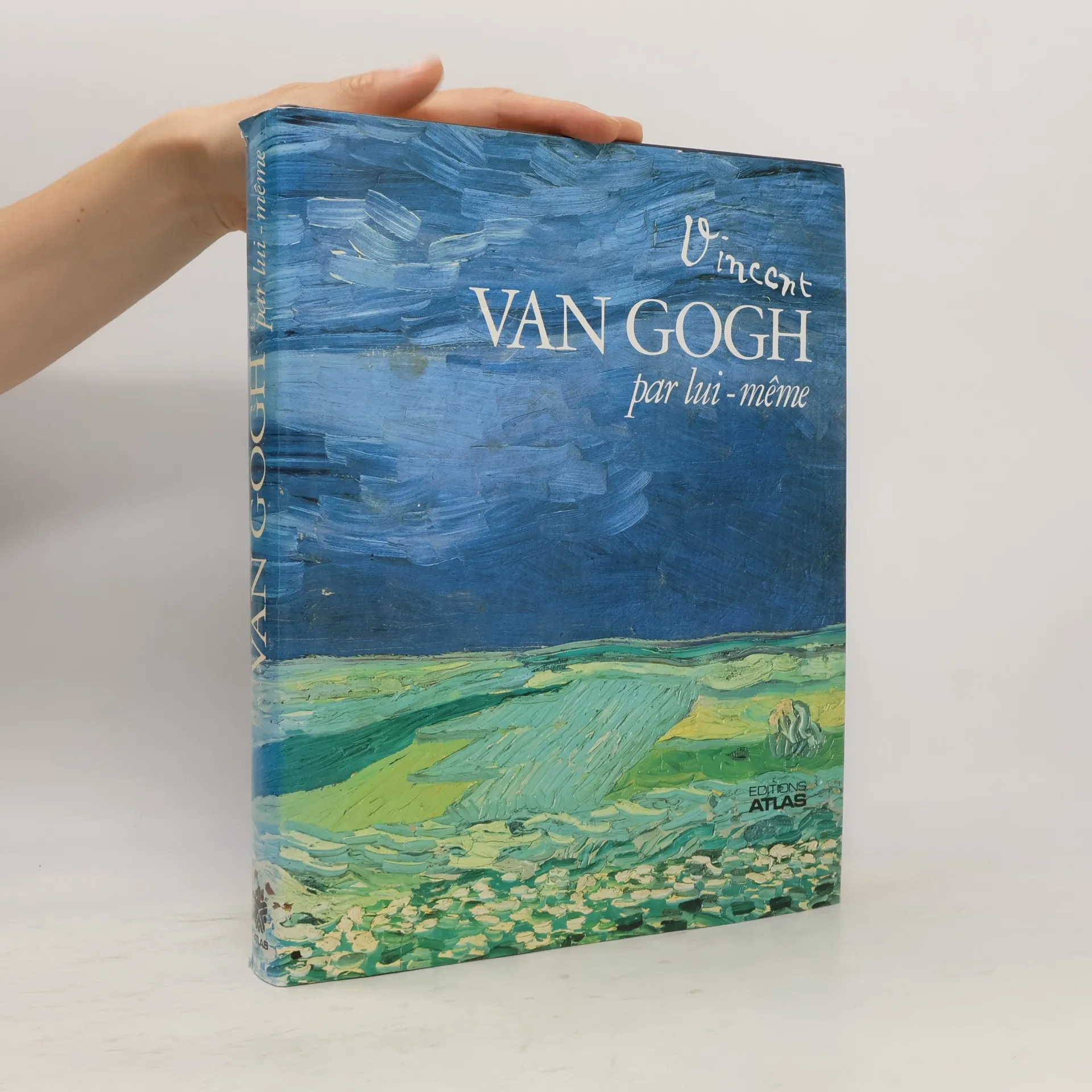
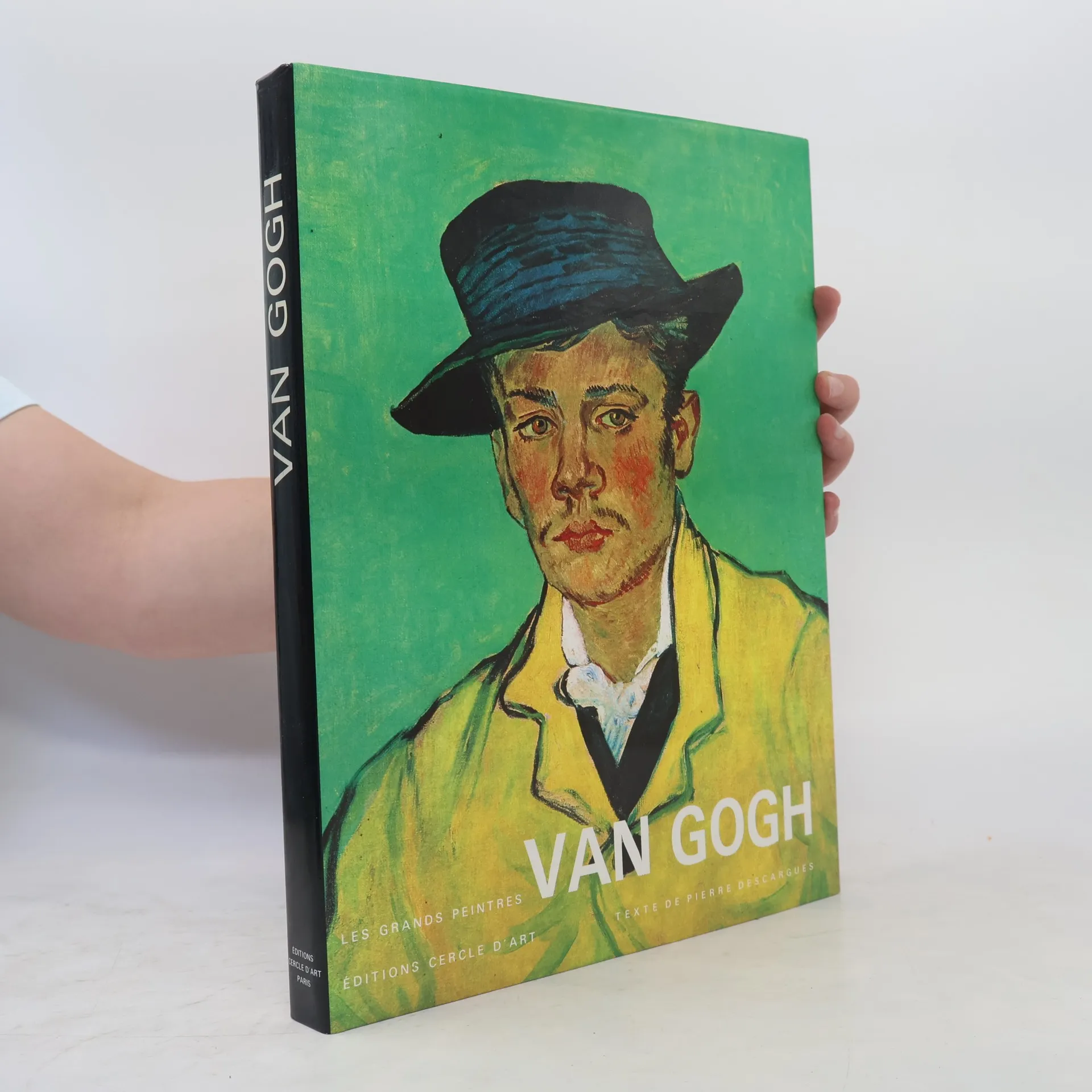
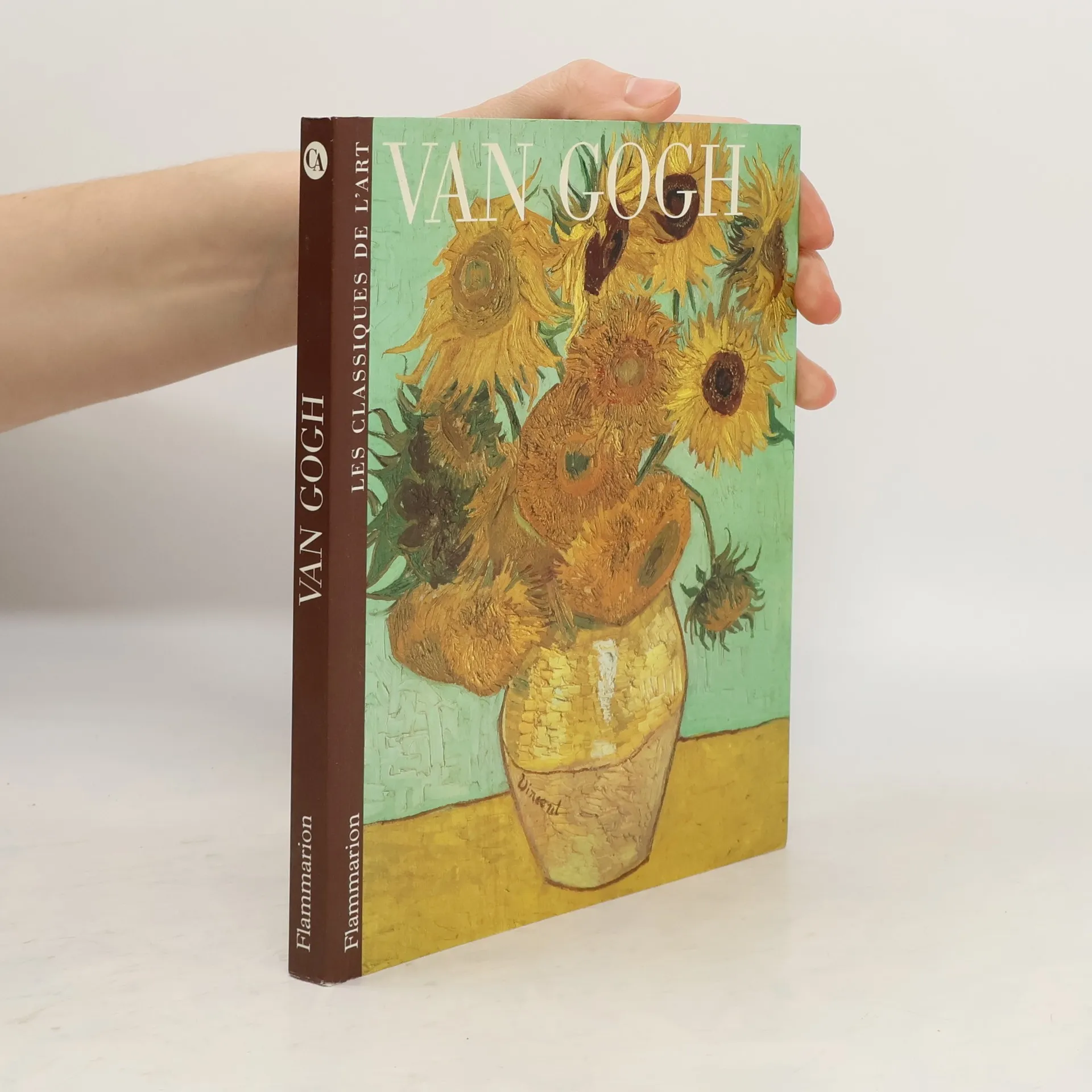
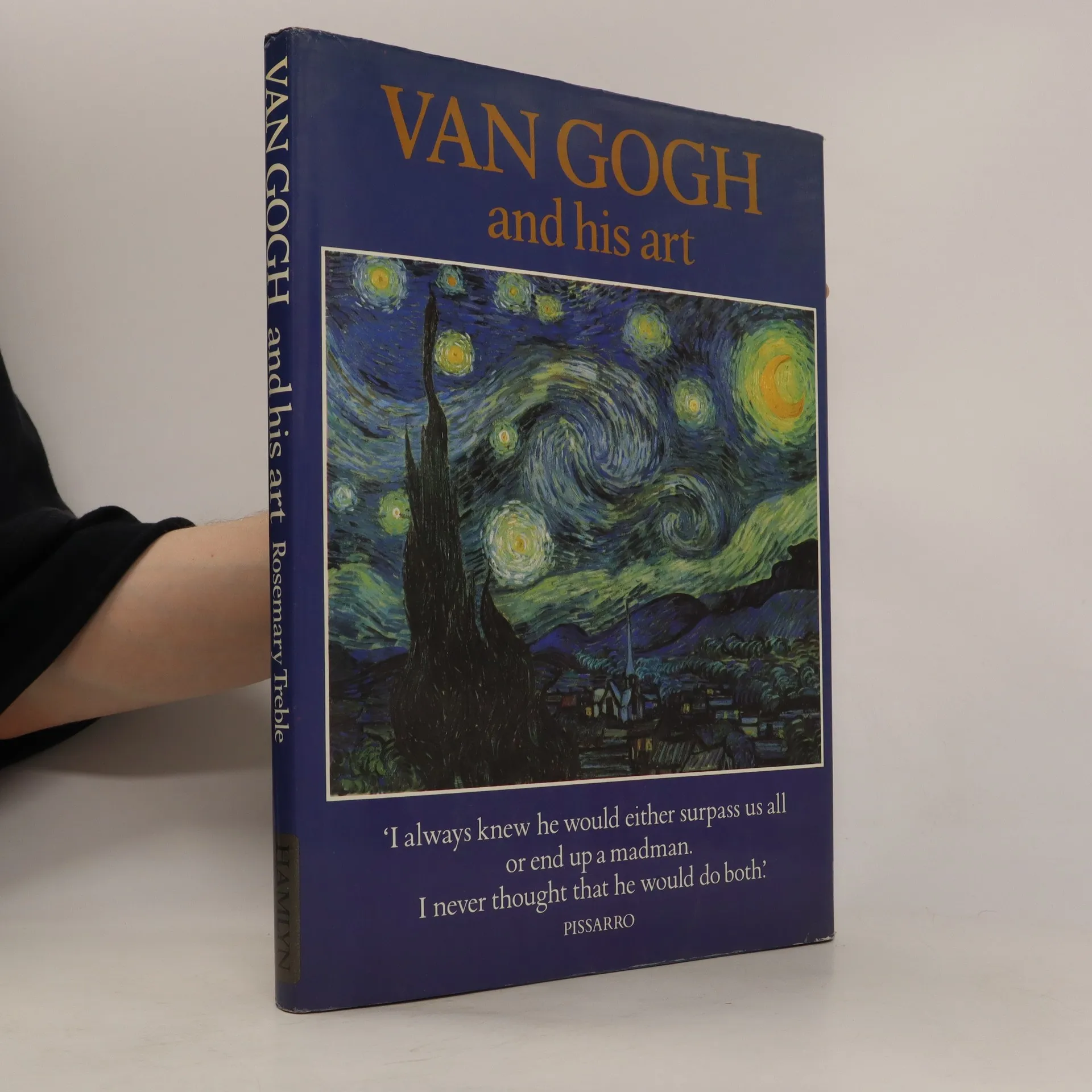
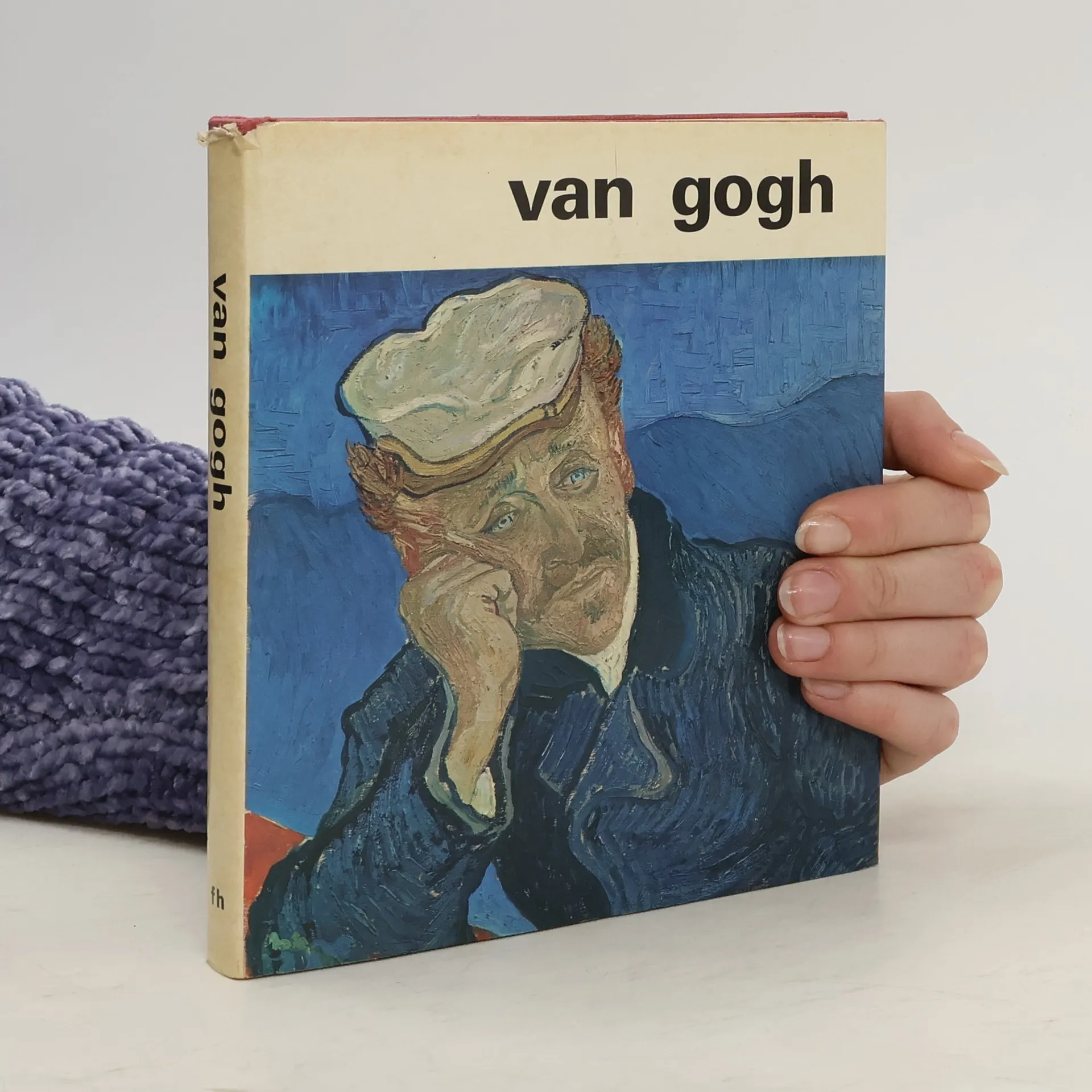
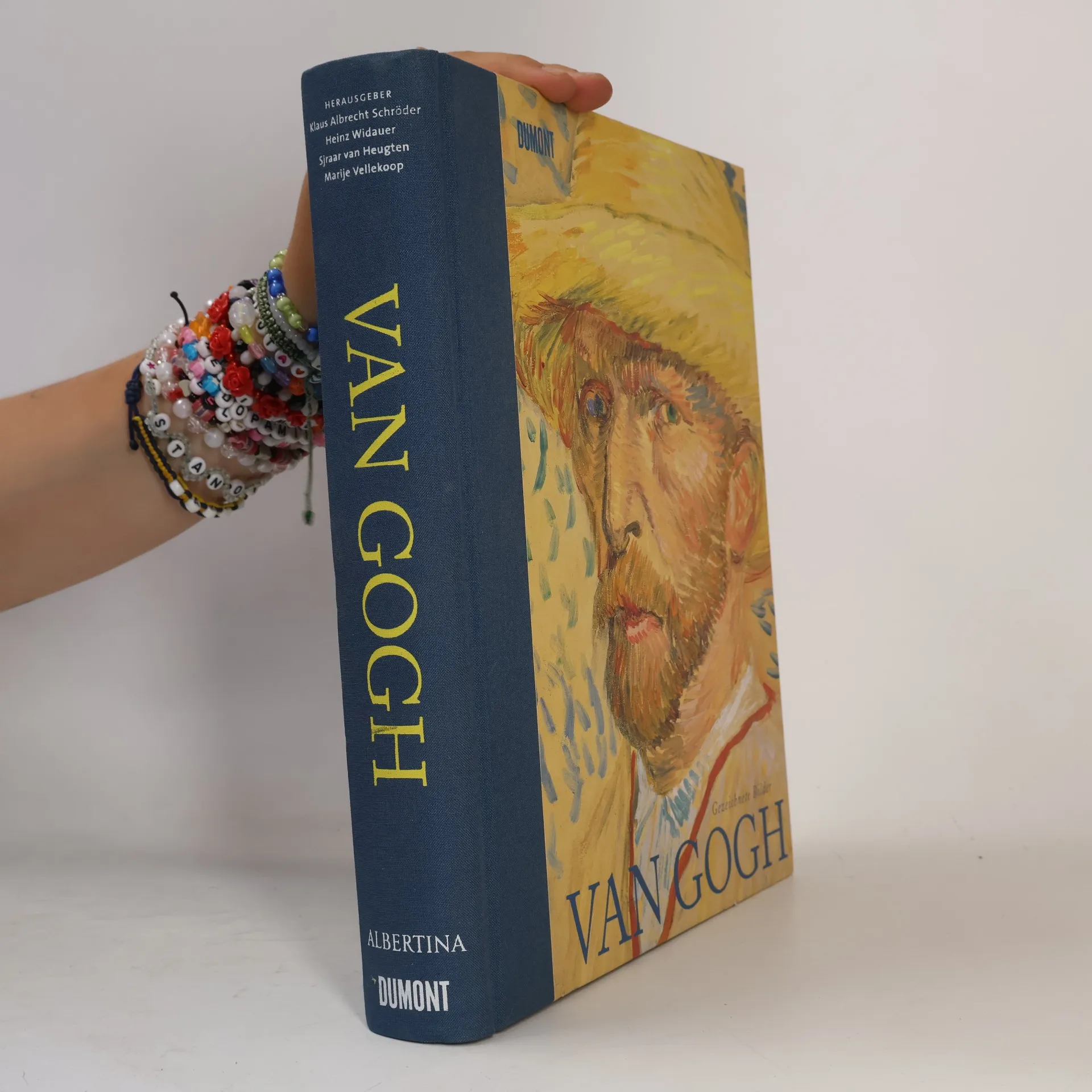
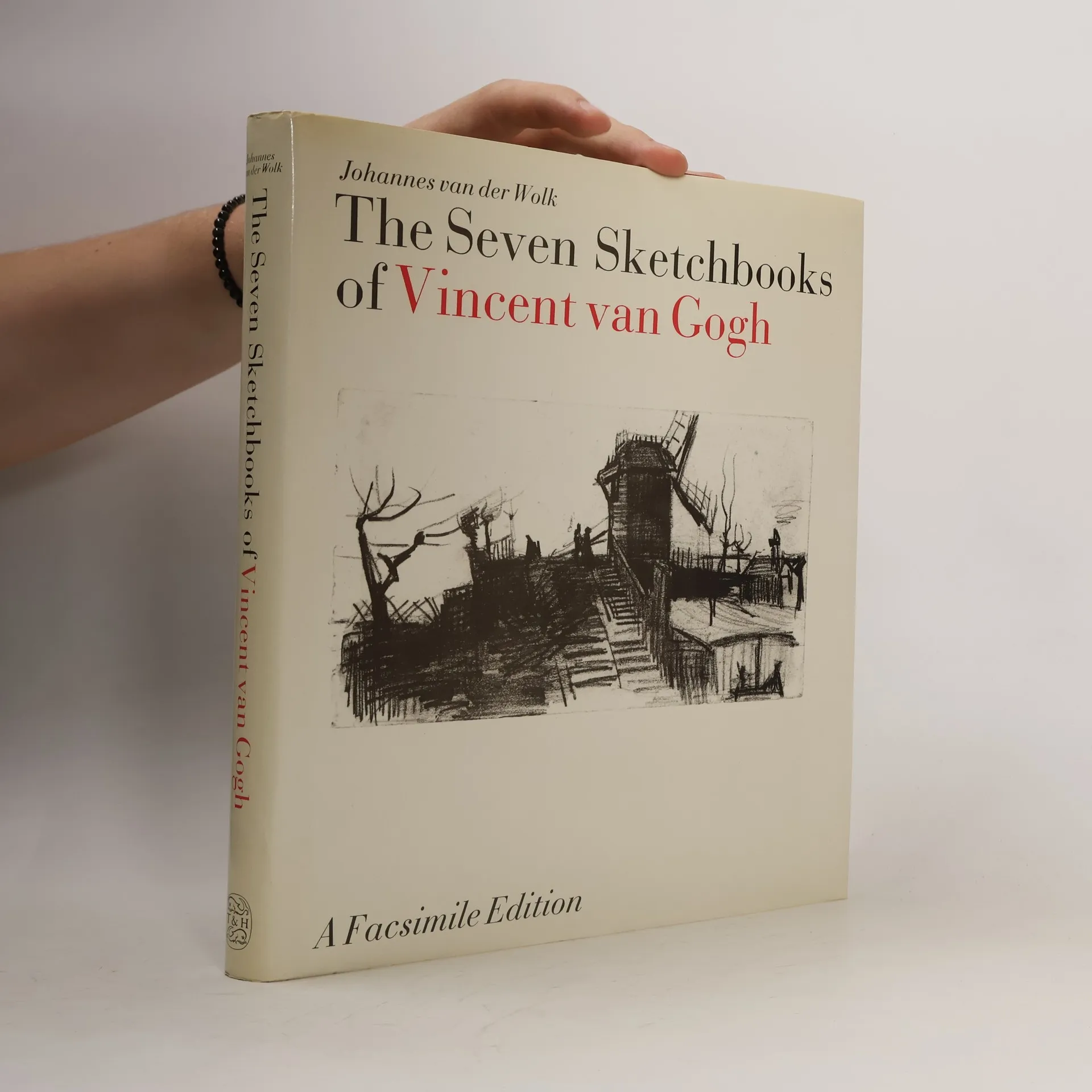
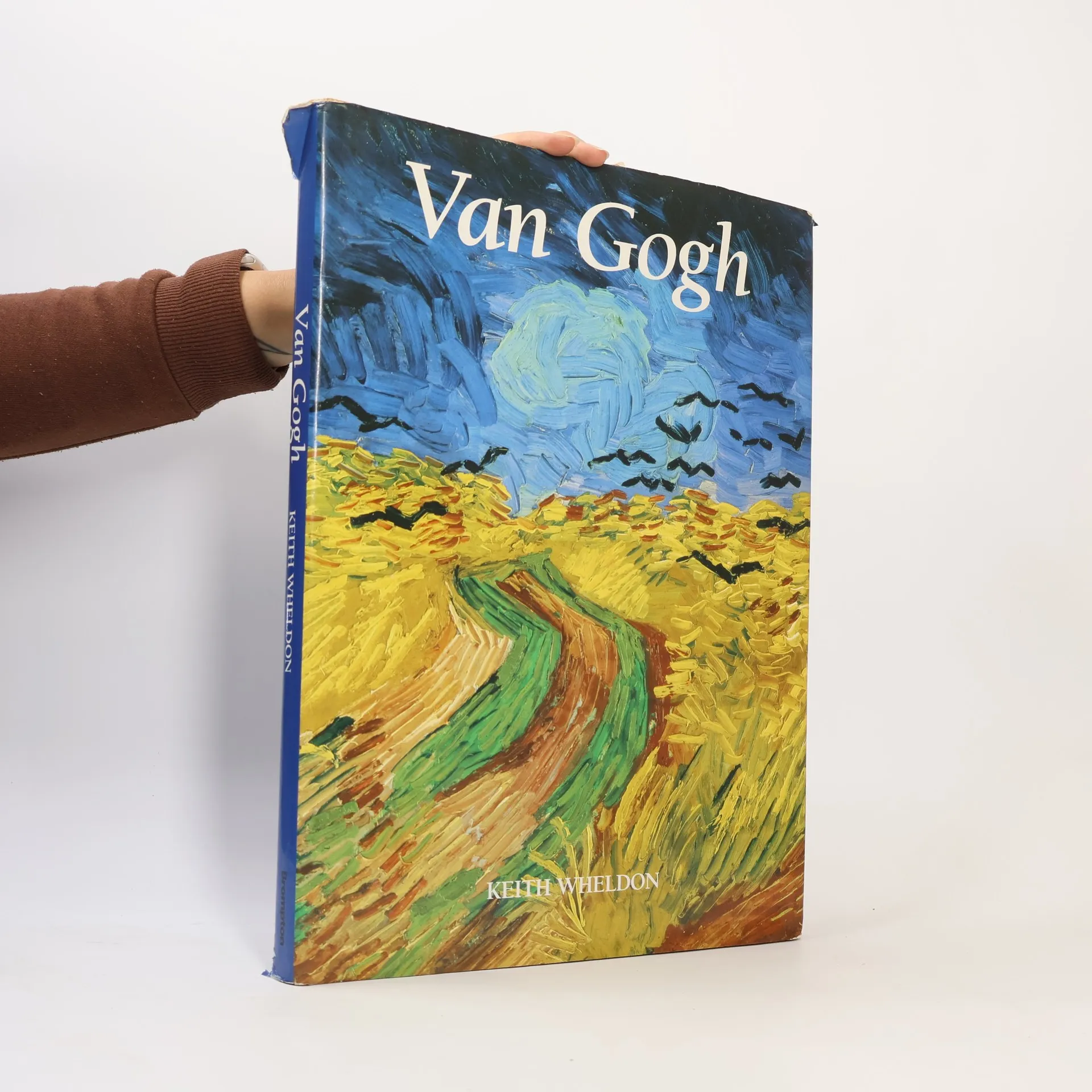
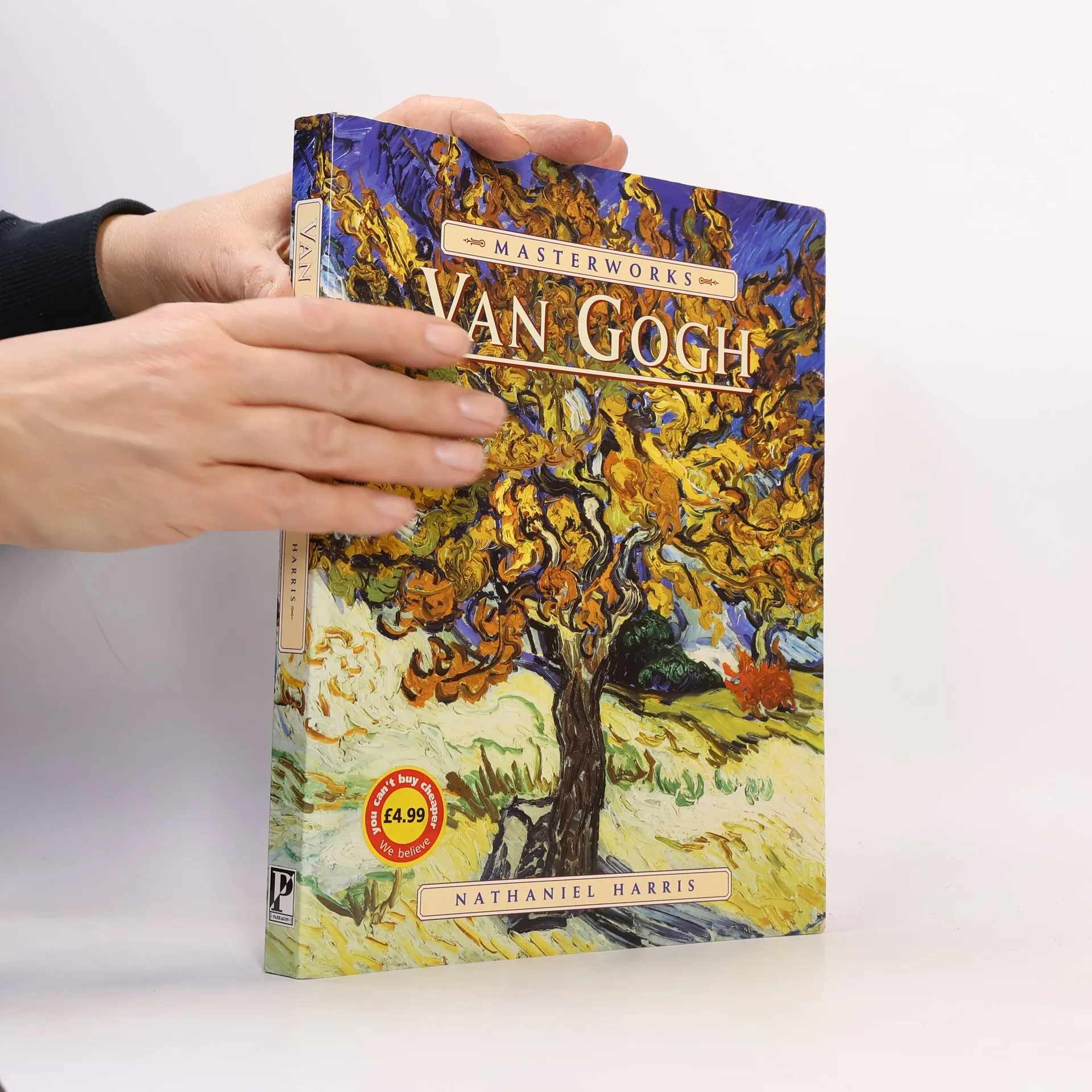
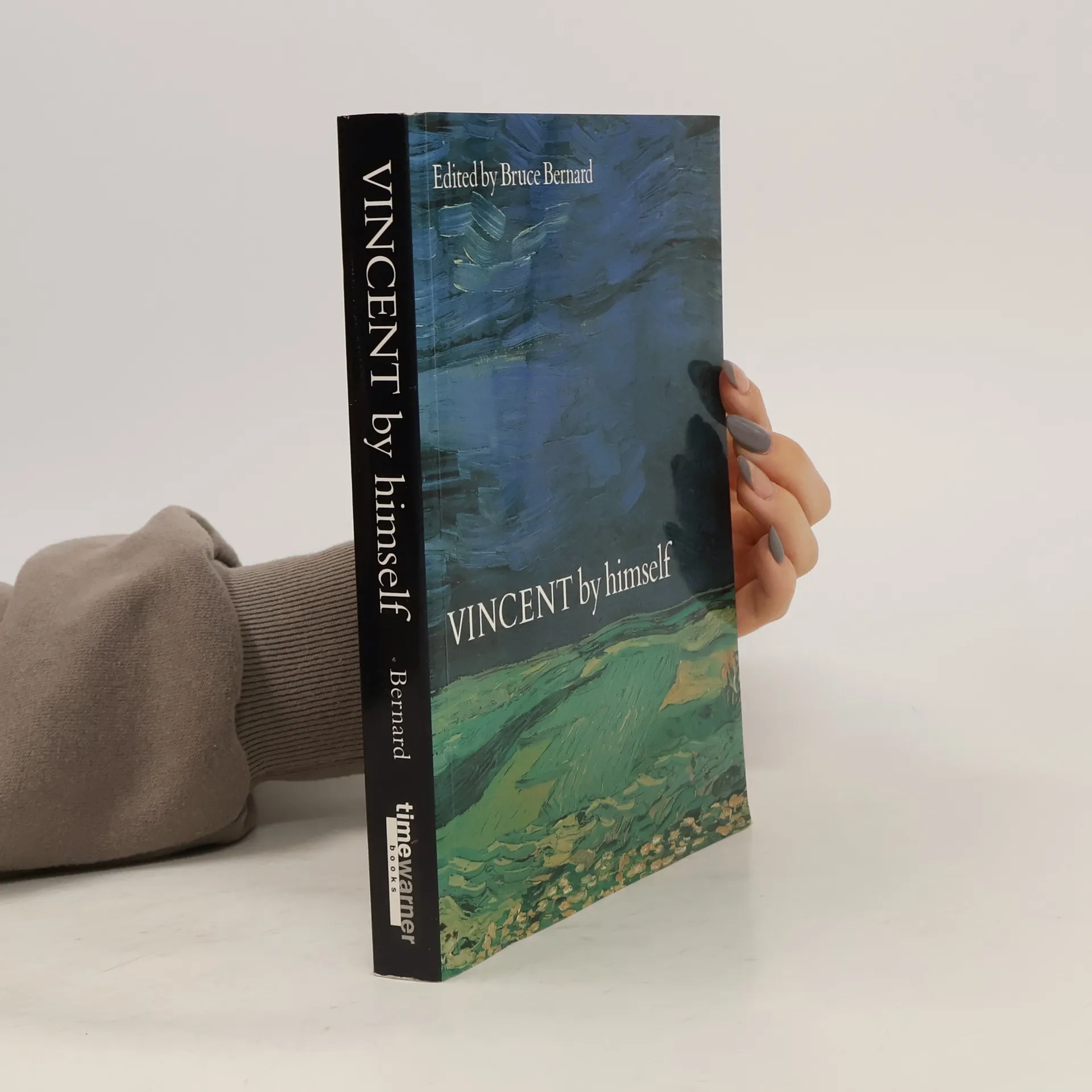
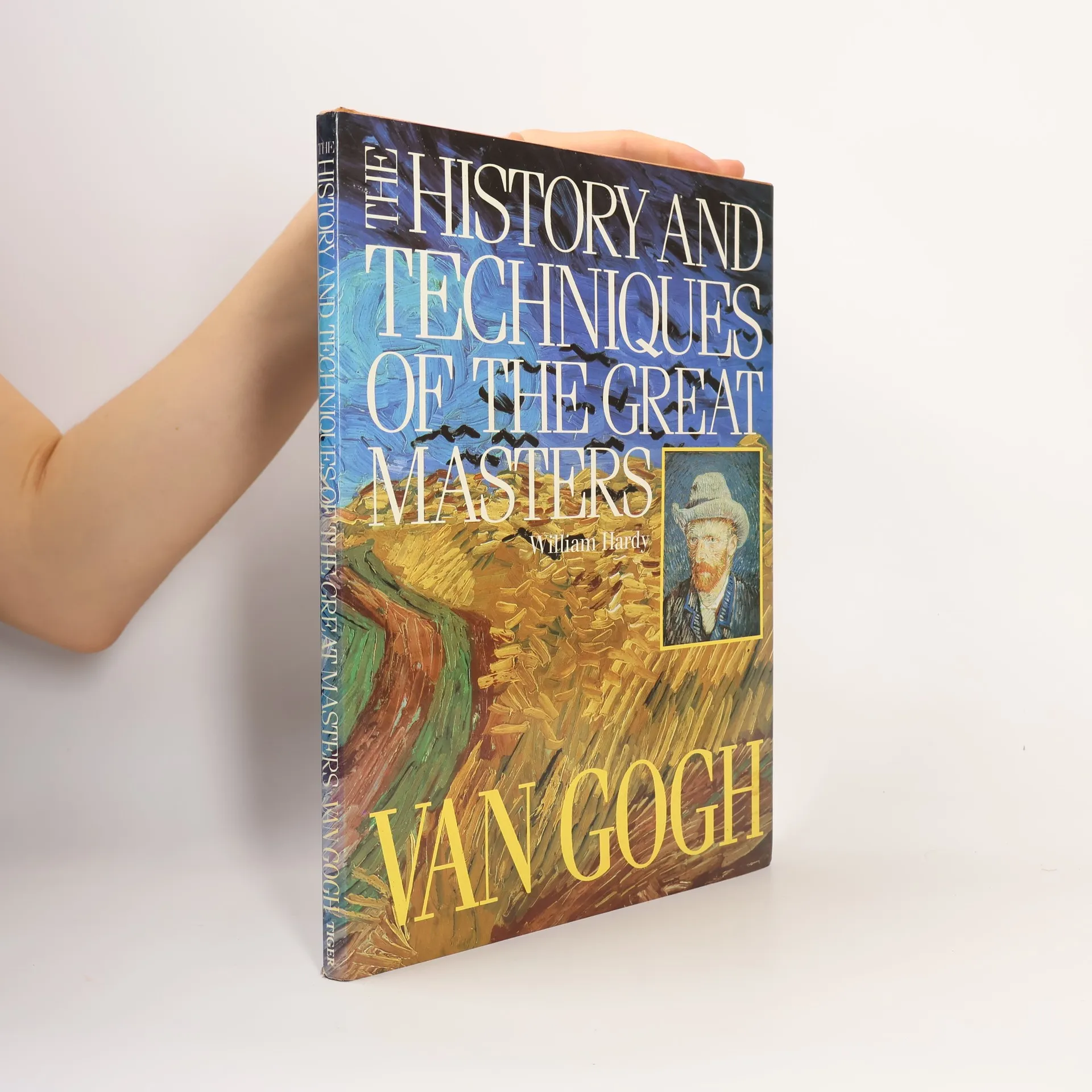
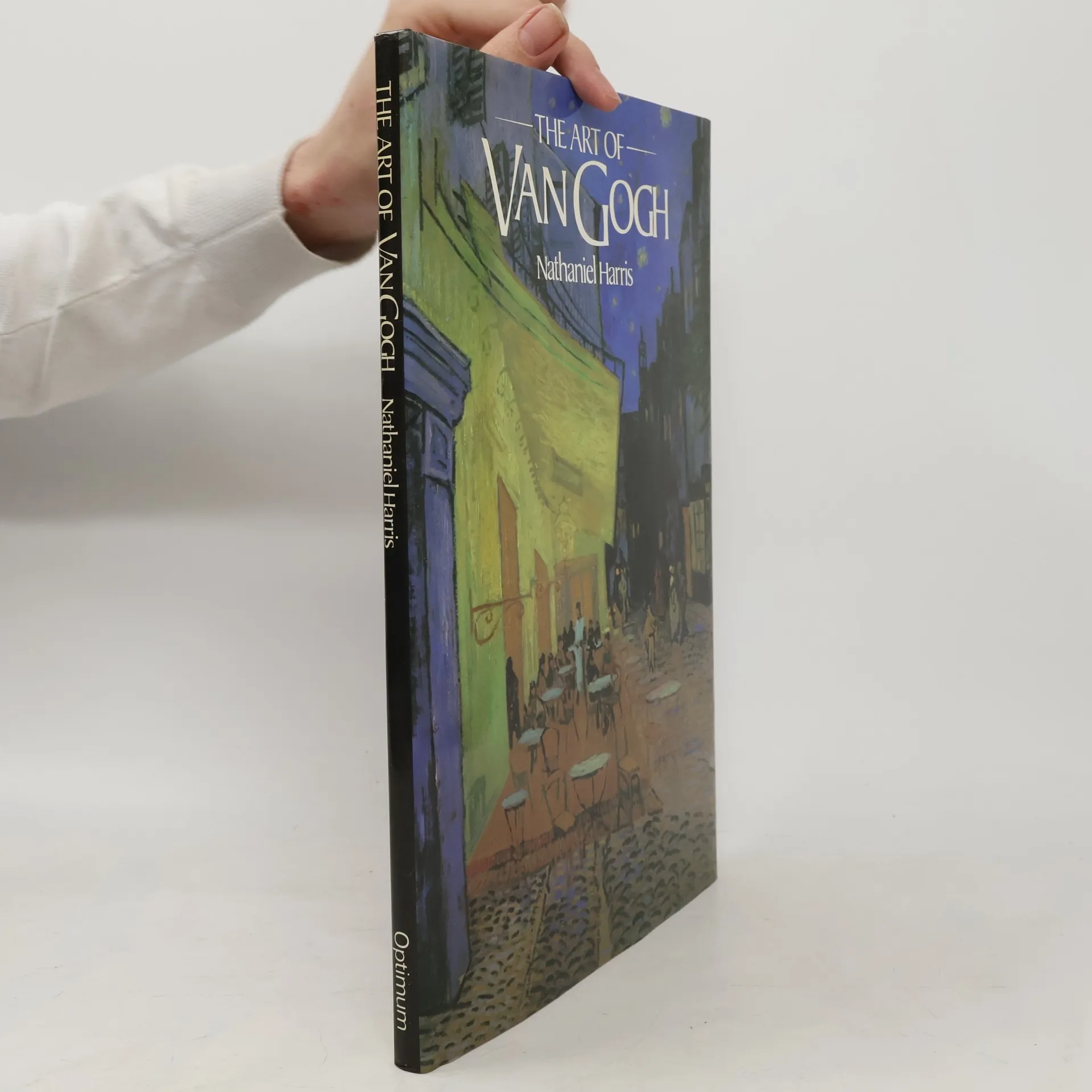
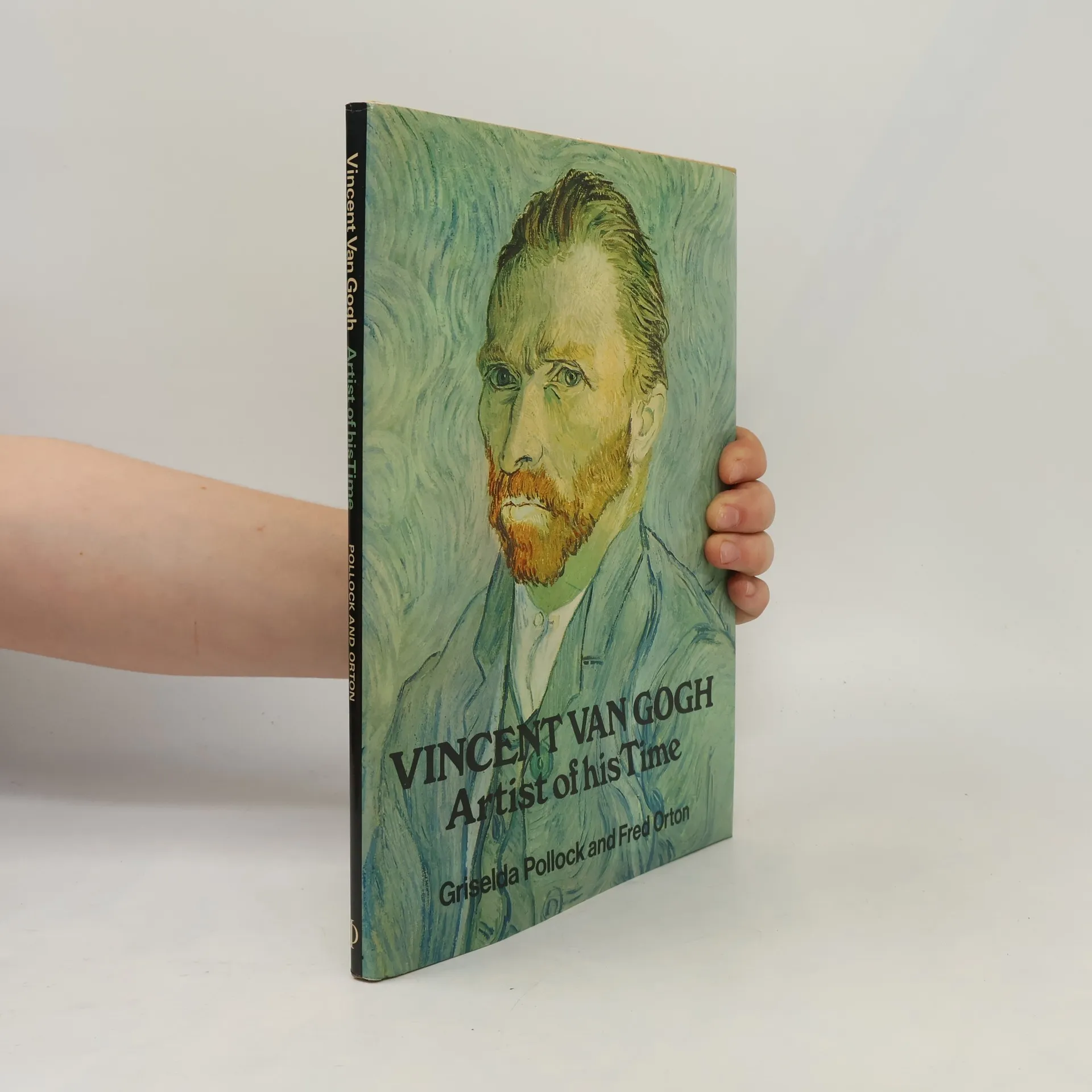
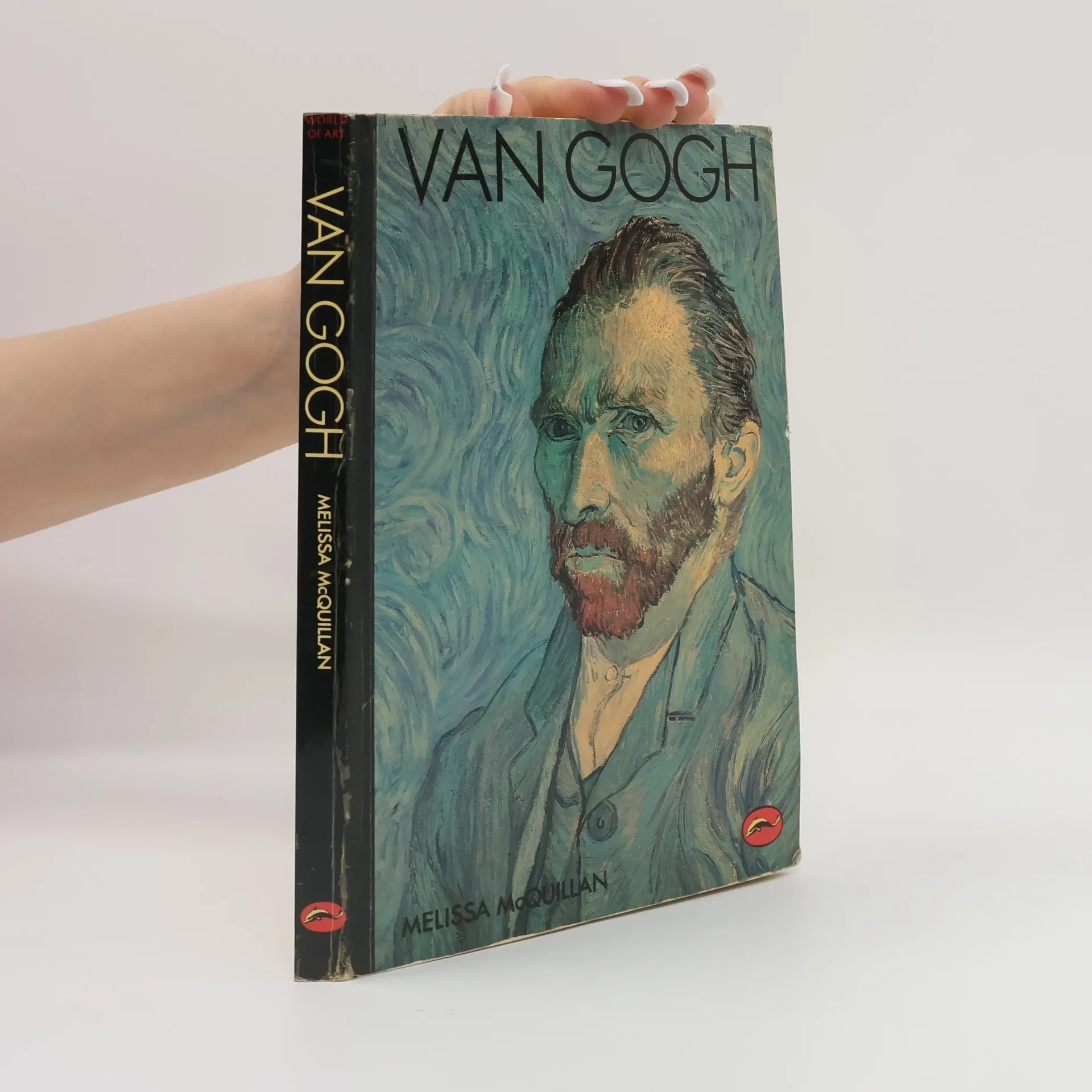
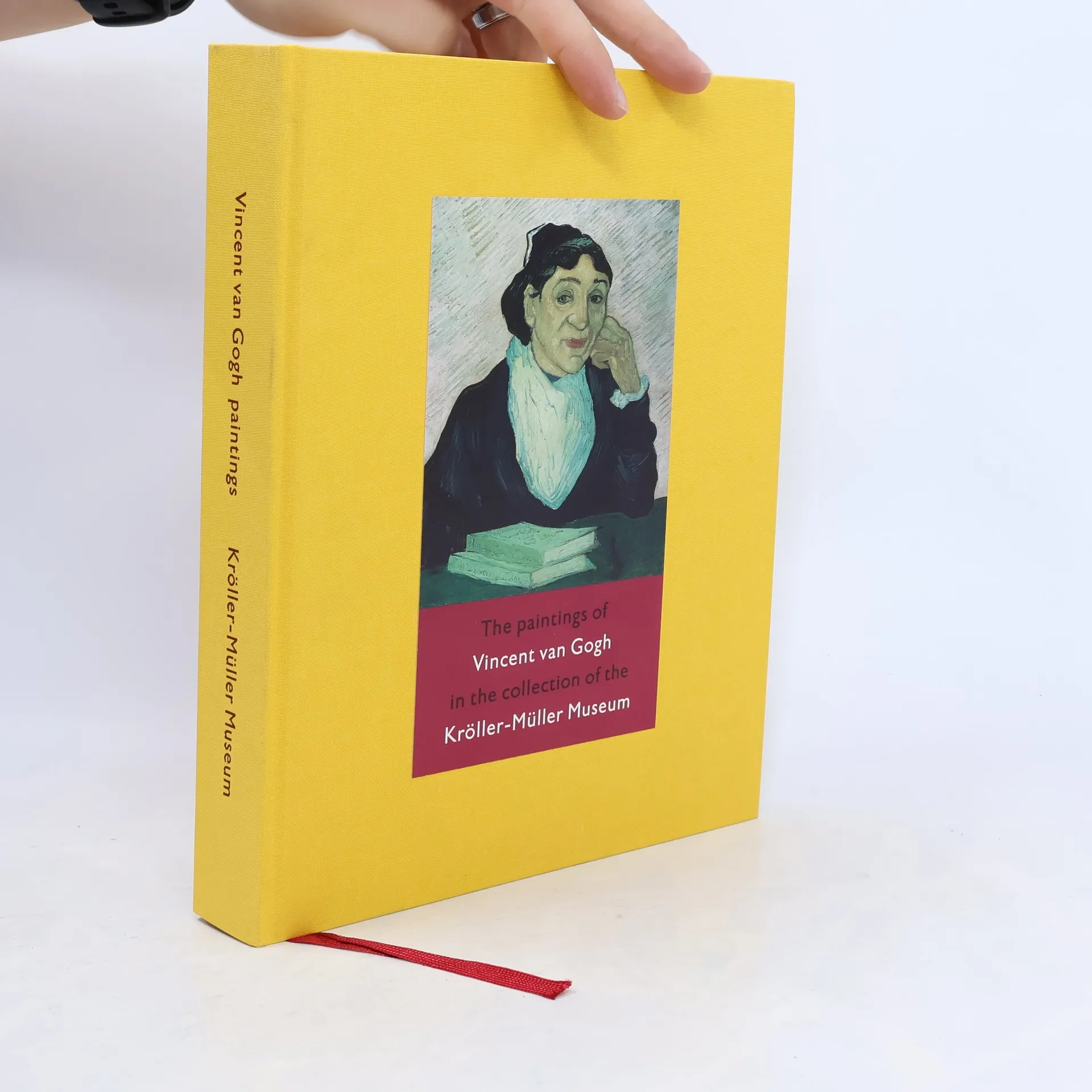
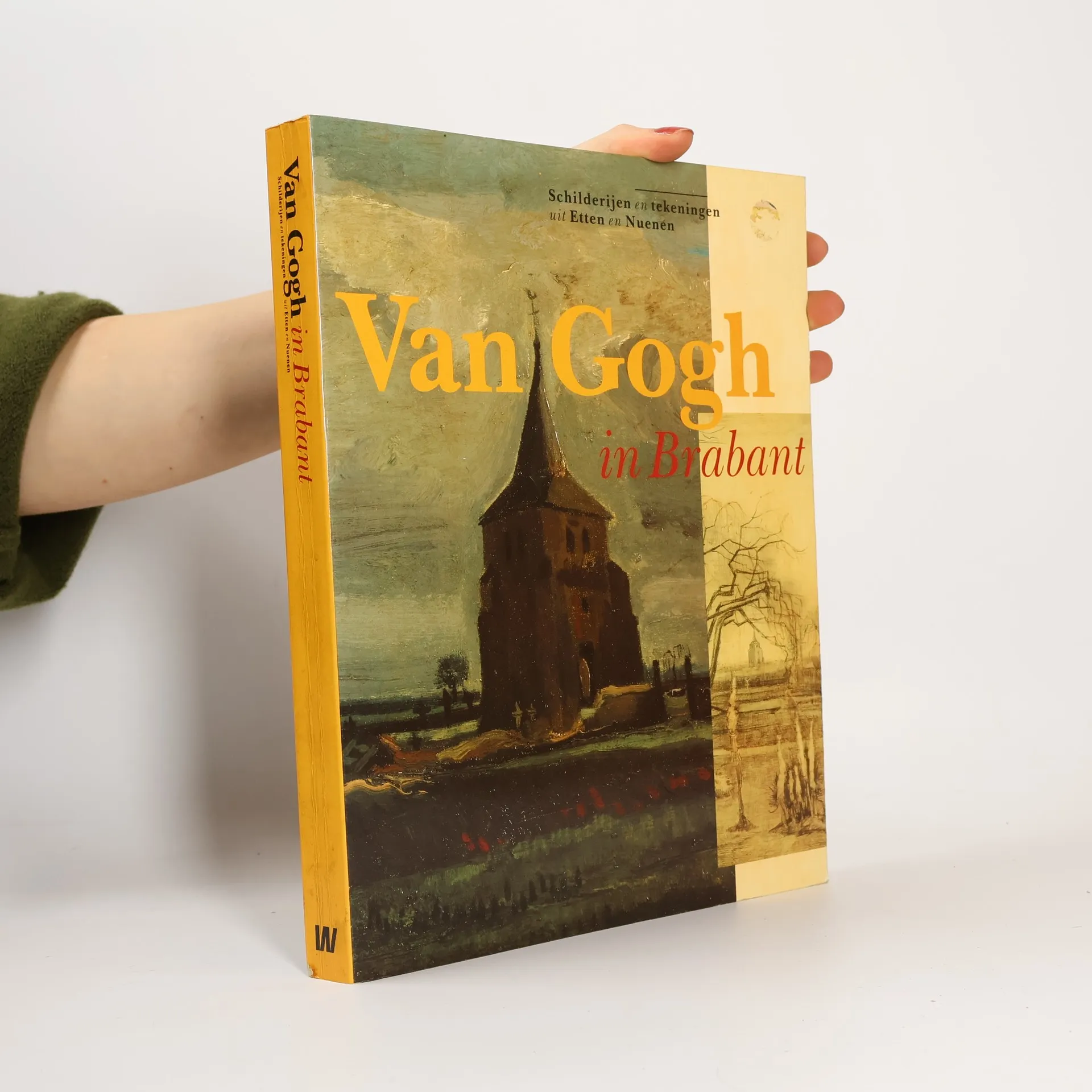
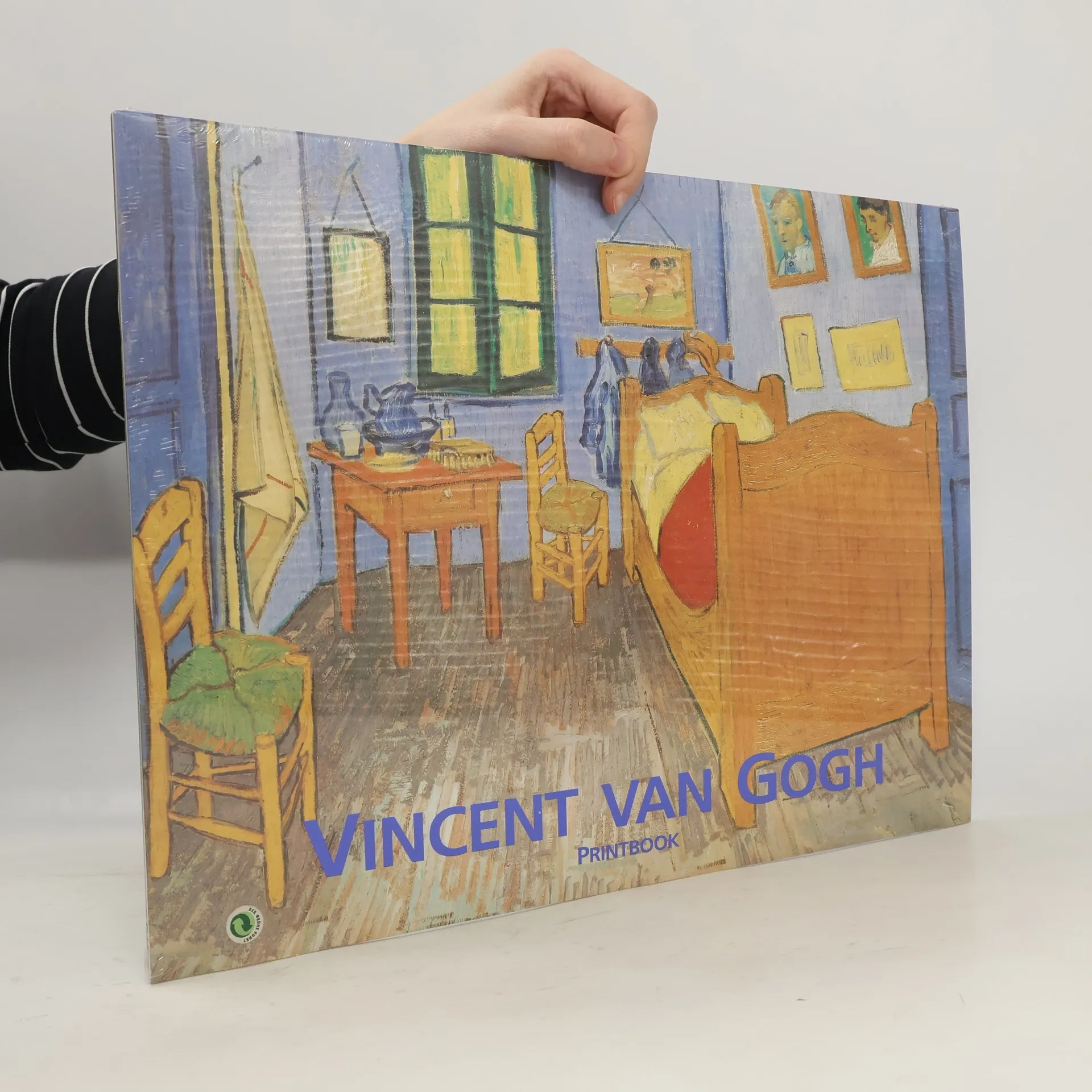
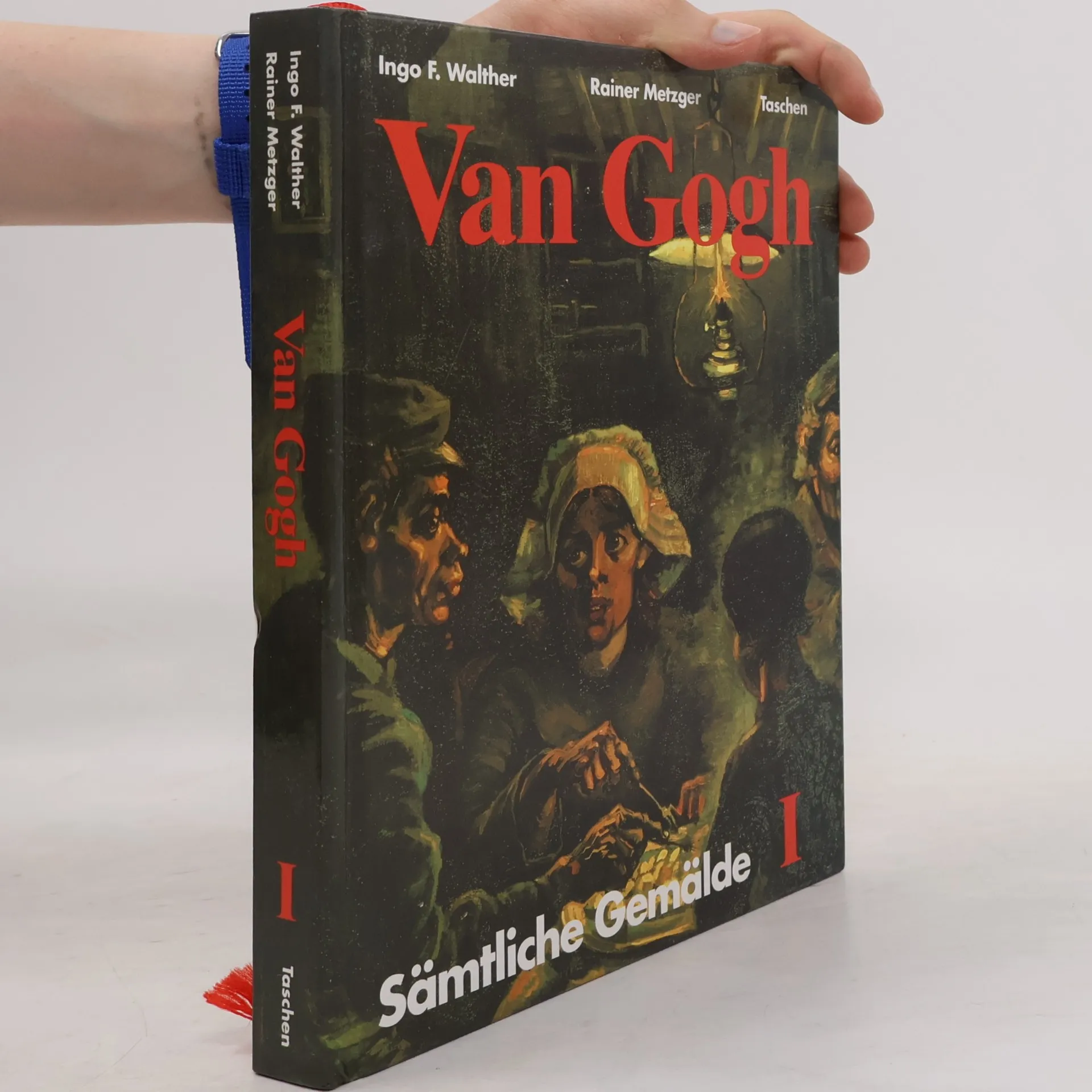
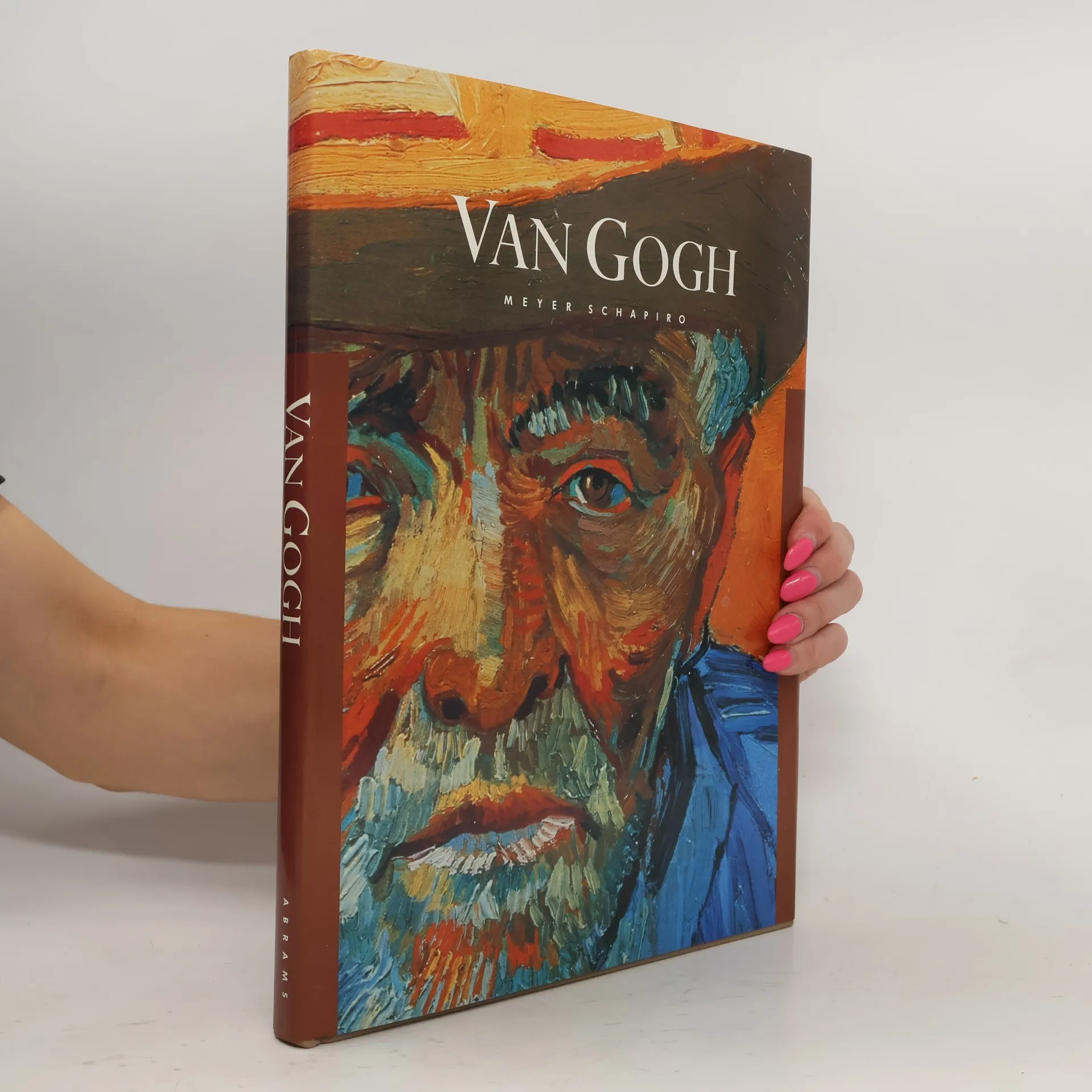
Vincent van Gogh considérait la couleur comme le principal symbole d'expression. Ses premières œuvres hollandaises sont sombres avec un éclairage vif, tandis qu'à Paris il découvrit l'Impressionnisme et commença à utiliser une palette plus claire et des touches de pinceau plus courtes. Son art se caractérise par un travail de pinceau passionné, une couleur symbolique et intense, et le mouvement de la forme et de la ligne. Van Gogh était entièrement absorbé par l'effort d'expliquer sa lutte contre la folie ou sa compréhension de l'essence spirituelle de l'homme et de la nature.
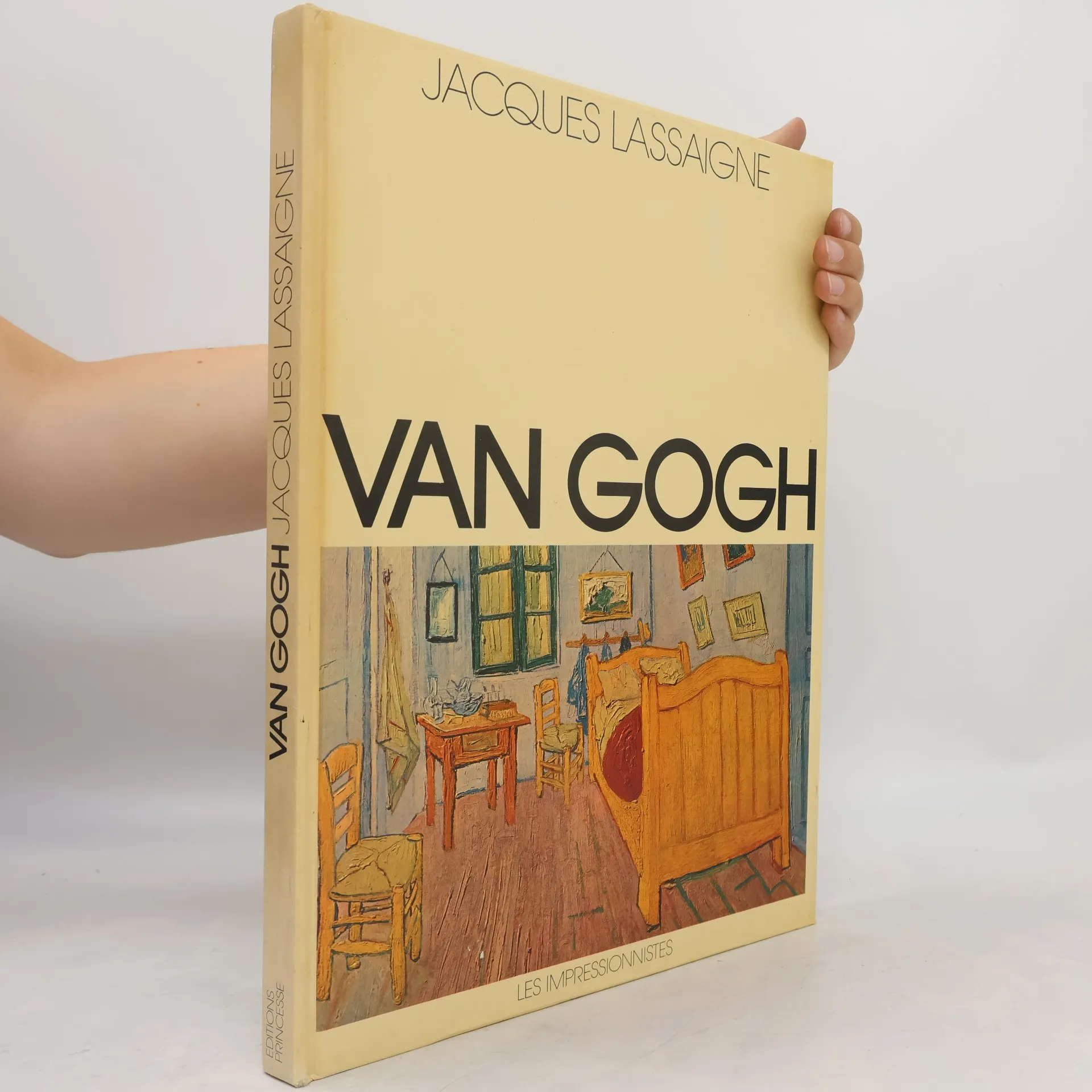
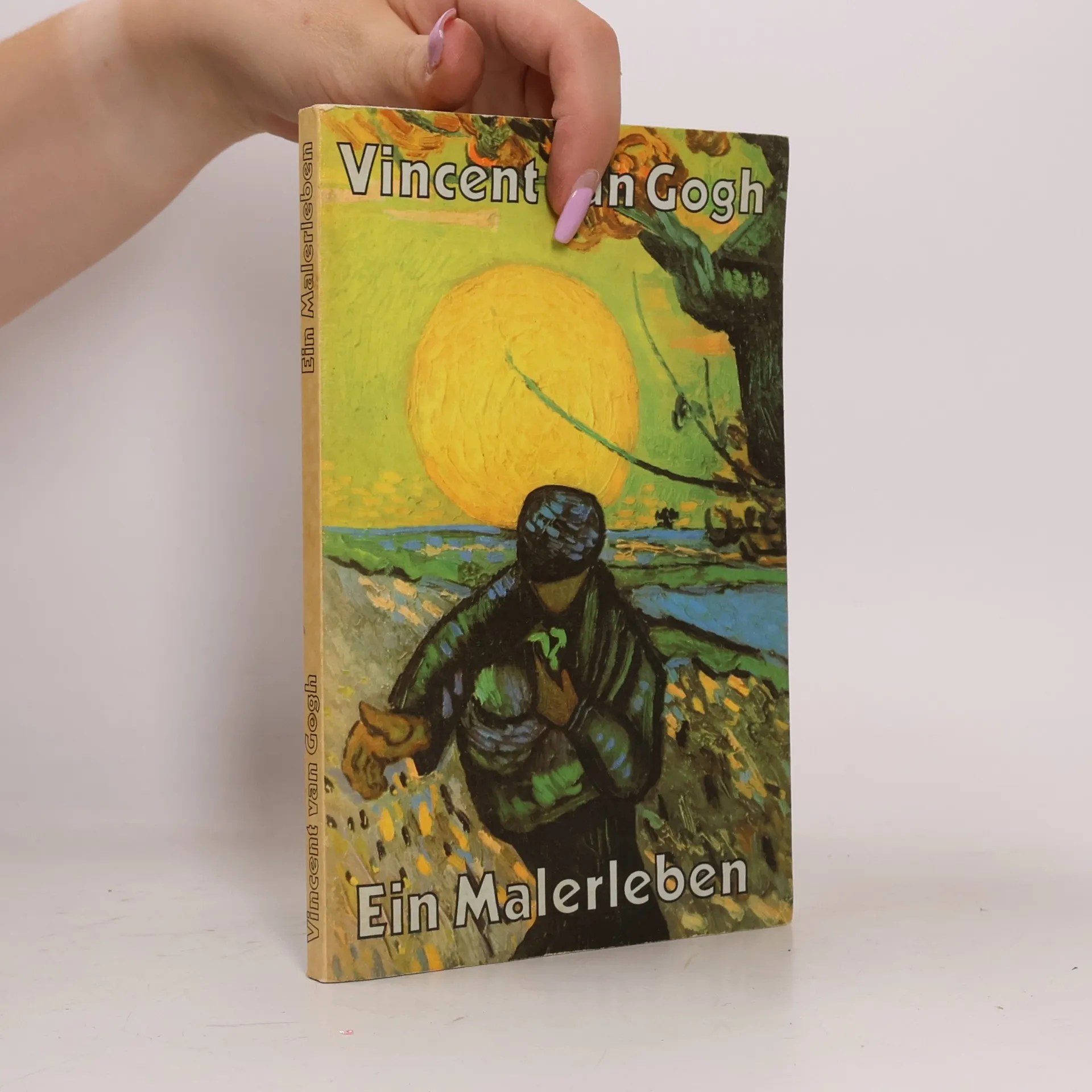
Van Gogh, qui a exercé une variété de professions avant de devenir artiste, était un homme solitaire, désespéré et autodestructeur. Cette étude riche et experte suit l'artiste depuis ses premières peintures sombres où il capture la misère des paysans et des travailleurs de sa patrie, à sa période parisienne lumineuse et colorée, jusqu'à l'œuvre de ses dernières années, passées sous un soleil du sud à Arles.
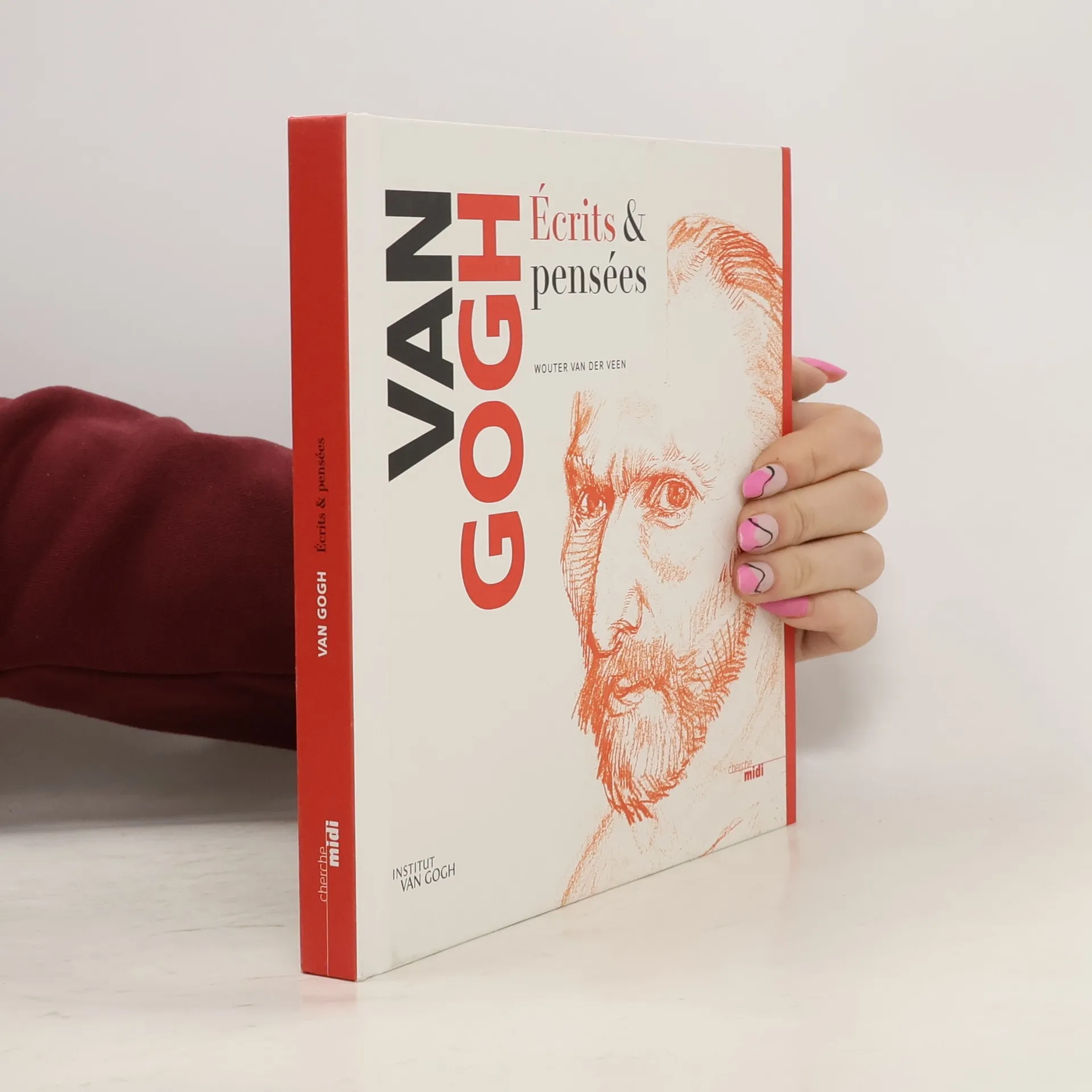
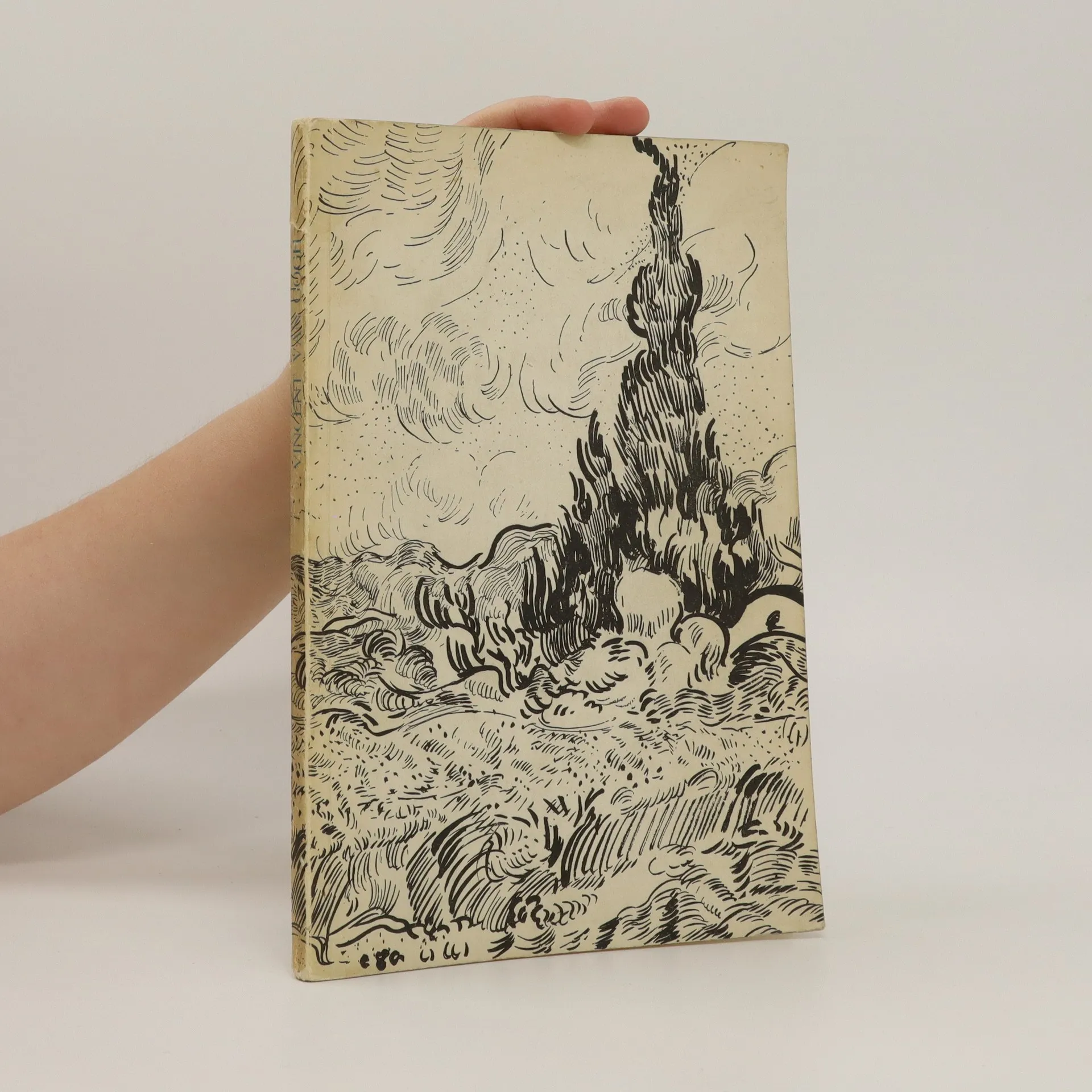
30 mars 2013 – 160° anniversaire de Van Gogh : 16 mars/église d'Auvers sur Oise/Les Frères Poivre d'ArvorL'image la plus répandue du maître est celle de l'archétype de l'artiste maudit : désargenté, incompris, fou, alcoolique, dépressif et irréfléchi. On omet volontiers qu'il s'agissait surtout d'un esprit vif, cultivé jusqu'à l'érudition, et souvent brillant. Les manifestations les plus éclatantes de cette intelligence pleine de contradictions et d'idéaux se trouvent dans sa volumineuse correspondance, qui rassemble plus d'un million de mots en plus de 900 lettres.Le présent ouvrage contient une sélection des réflexions les plus marquantes de cet ensemble impressionnant.Profondes, visionnaires, souvent drôles, les citations tirées de la correspondance de Van Gogh peuvent prétendre au même statut que ses tableaux et dessins : des chefs-d'oeuvre.Le dessin reproduit en couverture, réalisé à Paris en 1887, est un détail d'une feuille d'exercices dont le coin supérieur gauche a été découpé à une date inconnue.
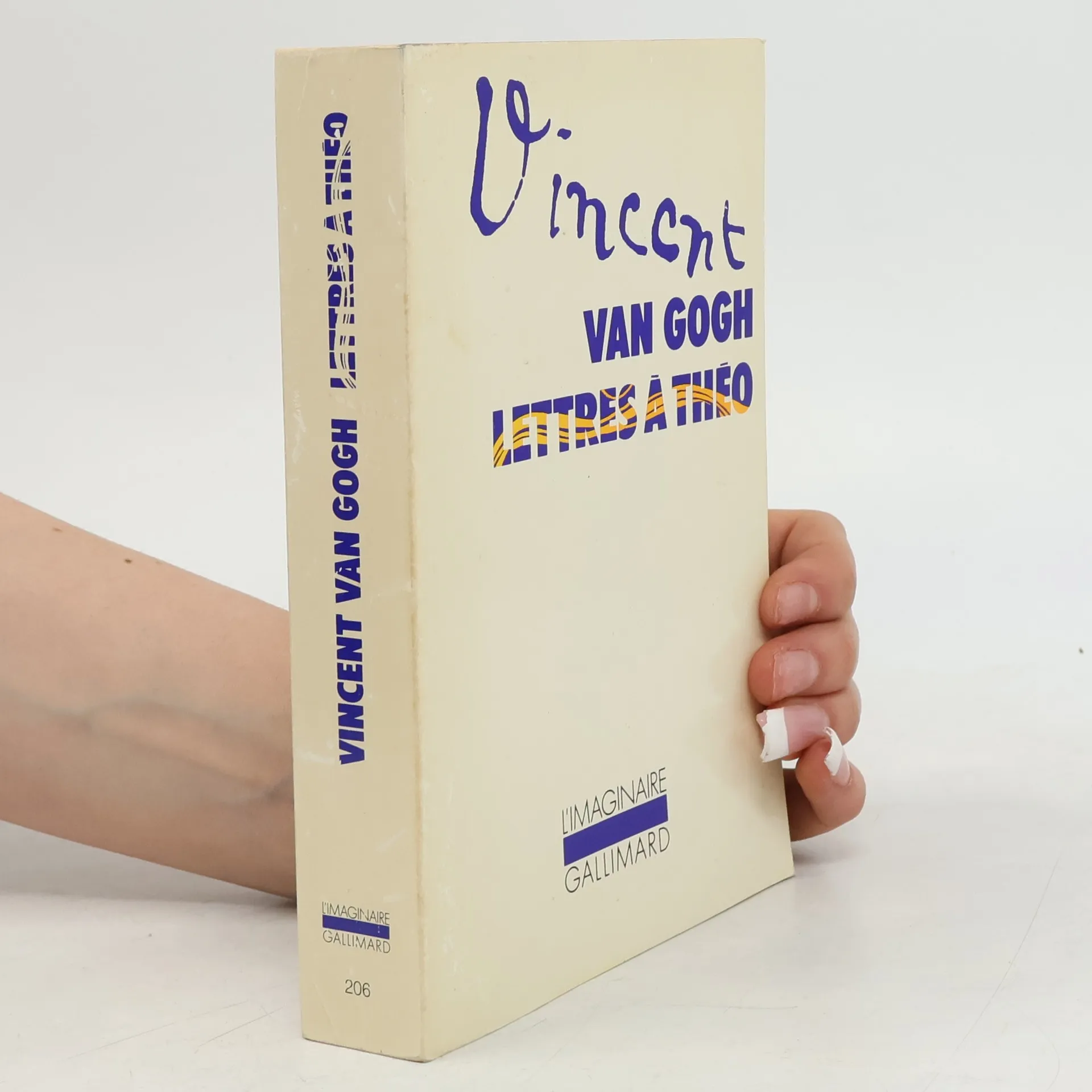
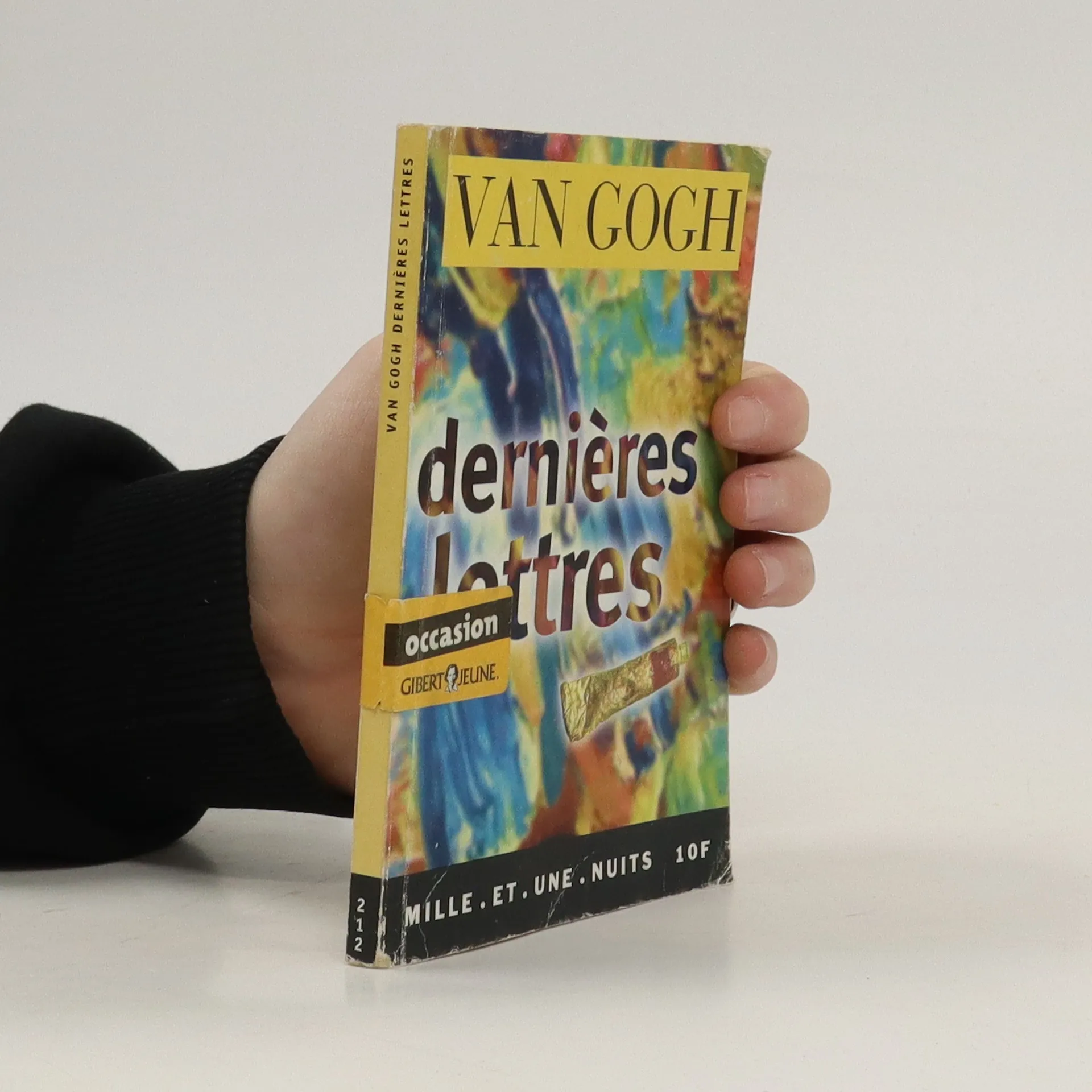
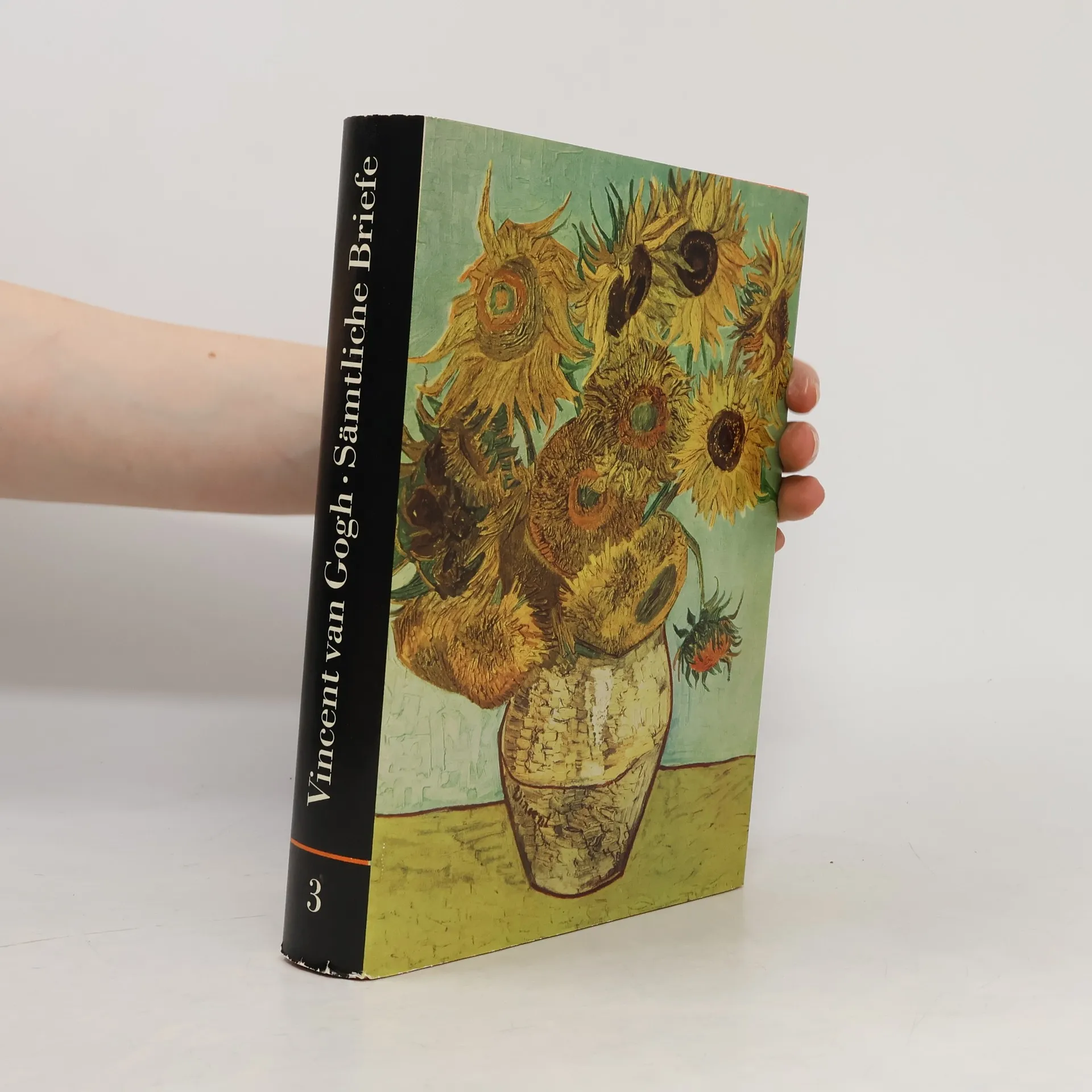
De 1872 à sa mort, Vincent Van Gogh (1853-1890) ne cessera jamais de correspondre avec Théo, son frère cadet. Misère matérielle, déceptions affectives, vocation contrariée de prédicateur évangéliste, passion naissante pour le dessin, admiration pour Millet et Rubens, lecture enthousiaste de Dickens et de Zola, enchantement des couleurs: rien de la vie douloureuse et exaltée du peintre n'est caché dans cette correspondance, en grande partie rédigée en français. Ses dernières lettres, écrites à Auvers-sur-Oise juste avant son suicide constituent une sorte de journal de ses derniers mois de création, un véritable testament artistique. Et le plus émouvant des autoportraits.
La première lettre de Vincent Van Gogh à son frère Théo, datée d'août 1872, est envoyée de La Haye. Il a dix-neuf ans. Il ne sait pas qu'il va peindre. La dernière lettre, inachevée, Théo la trouve dans la poche de Vincent qui s'est tiré une balle dans la poitrine le 27 juillet 1890 à Auvers-sur-Oise. Des dizaines de toiles encombrent sa chambre. Presque quotidiennement, dix-huit ans, Vincent a écrit à Thëo. Et Vincent écrit à propos de tout à Théo comme il lui envoie toutes ses toiles. Il lui montre ce qu'il peint comme ce qu'il est. Ces lettres incomparables - des récits, des aveux, des appels - sont nécessaires pour découvrir le vrai Van Gogh devenu mythe... Il n'est pas un peintre fou. Au contraire, solitaire, déchiré, malade, affamé, il ne cesse d'écrire, lucide, comme il traque la lumière. Pascal Bonafoux
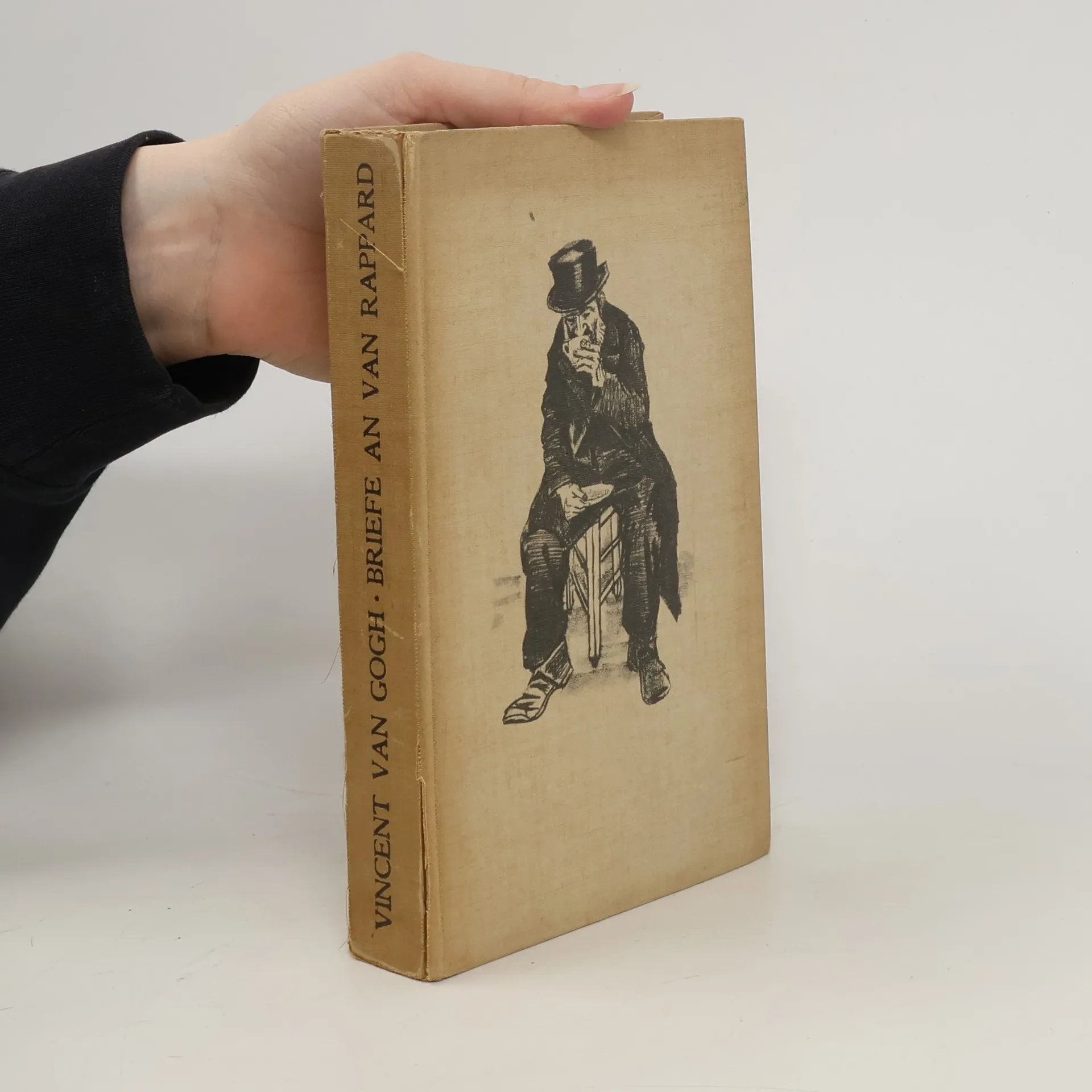
La rencontre de Van Gogh avec Anthon G.A. Van Rappard se situe à l’aube de l’œuvre du peintre, et ces lettres sont le reflet de ses années d’apprentissage. Les Lettres à van Rappard, qui constituent l’indispensable complément aux Lettres à son frère Théo nous révèlent le fond du caractère de Van Gogh. Elles nous parlent des difficultés matérielles et morales auxquelles il a dû faire face, des luttes qu’il a dû soutenir, de ses aspirations, de sa ténacité, de l’évolution de son génie.
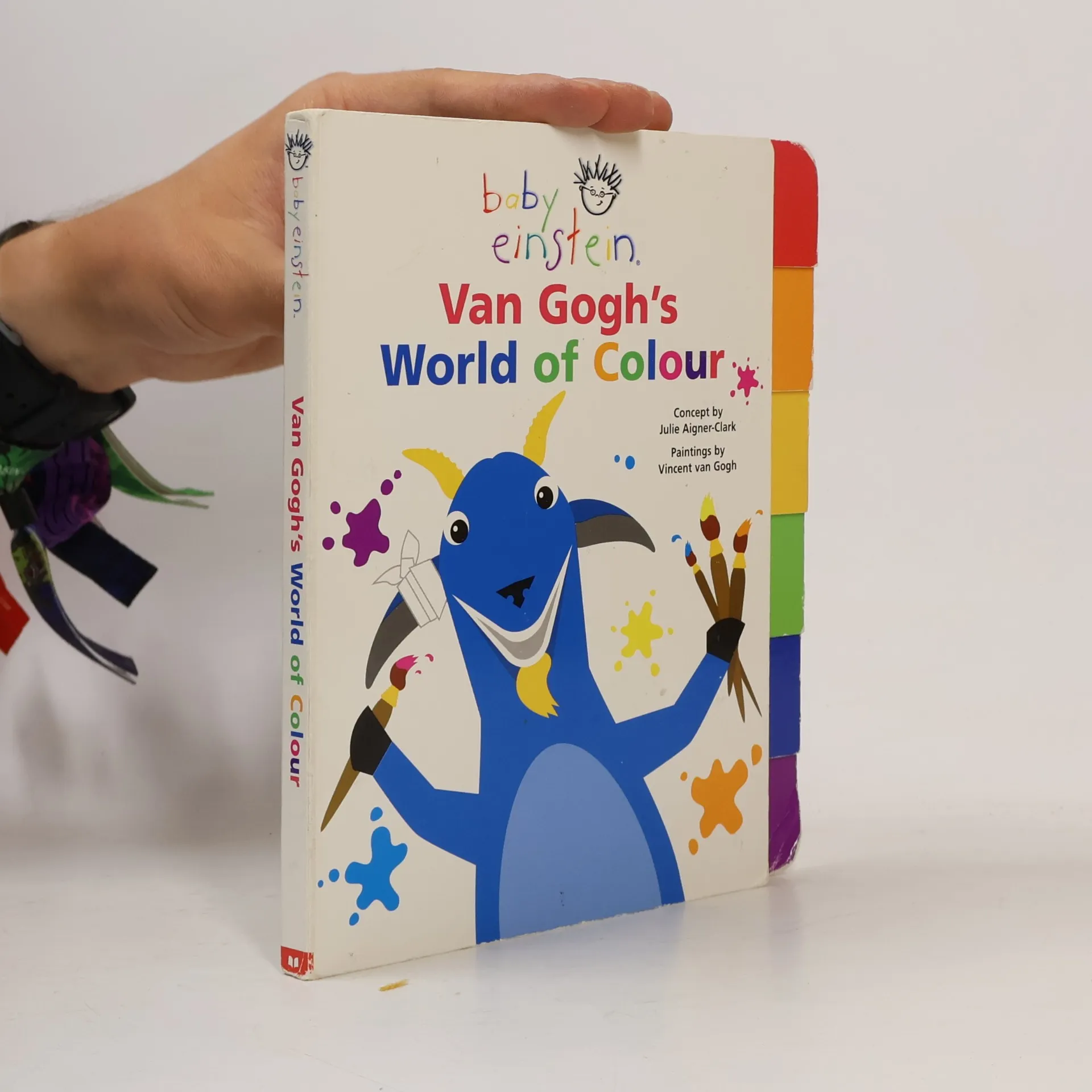
Faites découvrir à votre enfant tout un monde de couleurs avec les peintures de Van Gogh. Les tout-petits ont d'immenses capacités pour découvrir le monde. Grâce aux livres Baby Einstein, sensibilisez votre enfant, dès son plus jeune âge, aux grandes formes de l'expression humaine et éveillez sa curiosité pour le langage, la poésie, la musique, les sciences et les arts.
One of the most revered figures in the history of Western art, Vincent van Gogh (1853-1890) championed a style of painting during the late nineteenth century that emphasized emotion and sensuality over form and composition. Van Gogh's life has been offered up in numerous histories, biographies, and films, and his own correspondence has been preserved in the form of an extensive series of letters to his brother, Theo, his acquaintances, art-world associates, and friends. His untimely death at the age of thirty-seven combined with his rich body of work has garnered him a posthumous success that few other artists have been rewarded. This volume gathers together Van Gogh's most famous works, which are accompanied by commentary on his life and art and in-depth analyses of his paintings. An appendix section contains some of the artist's most incisive and personal letters.
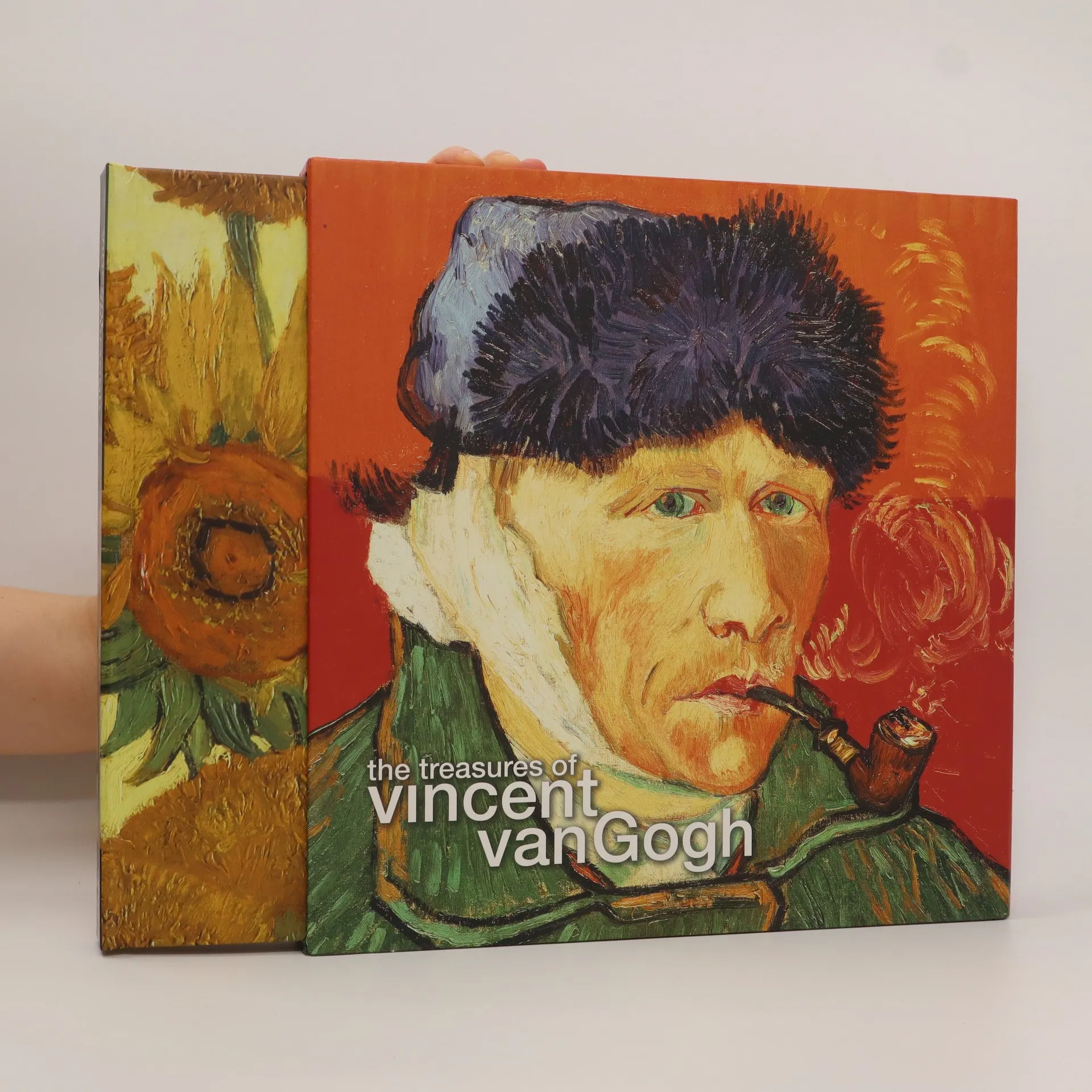
Classified as a Post-Impressionist, Van Gogh is perhaps one of the world's most famous and instantly recognisable artists. Famous almost as much for his embodiment of a tortured romantic artist as for his bold and usually distorted artworks, his works now fetch some of the highest prices in the world of fine art. This beautifully illustrated and meticulously researched project will be hugely popular as a collector's item for both Van Gogh's established fans and for those wishing to learn about him for the first time. With the inclusion of facsimiles of some 30 documents including Van Gogh's famous private letters, The Treasures of Van Gogh offers a unique insight into his life and works - from his childhood and youth in Zundert in southern Netherlands, the time he spent as a missionary and the gradual decline in his mental health that led him to cut off part of his ear and eventually to commit suicide.
Few artists' letters are as self-revelatory as Vincent van Gogh's. From the humanistic inspiration behind The Potato Eaters to his long-time obsession with painting the vision that eventually became The Starry Night, the letters in this selection paint an intense personal narrative of his artistic development and creative process across the years. They reveal a man of great spiritual and emotional depths who - in his own words - did everything 'for art and for life itself'.
Ce volume propose des centaines de reproductions (dessins et peintures) de l'œuvre du peintre néerlandais Vincent van Gogh (1853-1890), ainsi que des informations biographiques et des ressources primaires sur sa vie, y compris des articles de journaux, des lettres et des souvenirs d'amis, d'artistes contemporains et de membres de sa famille. L'éditeur présente également des dizaines d'essais rédigés par divers chercheurs et historiens de l'art sur van Gogh et ses contemporains ; on y trouve des contributions sur Per̀e Tanguy, les néo-impressionnistes et l'influence de Van Gogh sur la peinture moderne, parmi de nombreux autres sujets.
This book focuses for the first time on the relationship between drawing and painting in Van Gogh's Art. Includes 50 paintings and 120 major watercolours and drawings by Van Gogh.
The first of the Dutch Expressionists, Van Gogh used color mainly for emotional appeal. This volume offers insight into the artist's turbulent life and gives detailed interpretations of Van Gogh's most famous works.
The story of Vincent Van Gogh, this narrative stands out as one of the most revealing and moving autobiographies of all time. Stone has collected Van Gogh's personal letters to his beloved brother Theo, and the result is a vivid self-portrait in words equal in intensity to his paintings.
Just a month before his suicide in 1890, Vincent van Gogh expressed to his sister that portraiture was his greatest passion, even more than his other artistic endeavors. His brief yet intense career revolutionized portrait painting, significantly shaping its direction in the twentieth century. This publication accompanies a major touring exhibition, showcasing for the first time van Gogh's significant portraits from various stages of his life, alongside reproductions of many of his key works. The result is an insightful exploration of his artistic evolution, highlighting how he expanded the boundaries of portraiture, culminating in the masterpieces of his final years.
Six original essays by prominent art historians delve into crucial aspects of van Gogh's portraits throughout his career. George Keyes contextualizes the paintings within Dutch art, noting the influence of masters like Rembrandt. Lauren Soth examines the early, stark drawings from The Hague. George Shackelford discusses the Parisian works reflecting Impressionist influences. In Arles, van Gogh's productivity peaked, producing powerful portraits of locals and himself, analyzed by Roland Dorn. Judy Sund focuses on portraits created during his mental struggles in the asylum, including the iconic Dr. Gachet and final self-portraits. Joseph Rishel concludes with the impact of van Gogh's work on his contemporaries and later artists. The essays are complemented by a d
The selection of paintings shown here traces the development of Van Gogh's artistic vision from the somber browns and blacks of The Potato Eaters to the brilliant colors and flame-like forms of his south of France landscapes. In the text, the author outlines the major events of his brief and tormented life, and explains the formative influences on his work.
An illustrated guide to the work of Van Gogh. This is one of a series of books featuring the work of famous artists. Other books in the series cover Manet, Matisse, Toulouse-Lautrec and Cezanne.
Designed to demolish some of the myths surrounding Van Gogh, this book provides not only a unique self-portrait of the man, but a vivid picture of the contemporary cultural scene.
Van Gogh, the painter whose work was one of the major inspirations for twentieth-century art, is given a fresh and thorough appraisal in this comprehensive new study. Placing the artist in the context of his time, Melissa McQuillan looks at the influences on his life and work and discusses his paintings in depth. The author argues that Van Gogh's works were products of his deliberate engagement with contemporary artistic questions and of his experience as an art dealer. His subsequent reputation, the mythology that grew up after his death, the debates between naturalism and modernity and the social implications of Van Gogh's imagery are studied in full in this lucid account of an artist who sold only one painting during his lifetime but whose works now command the highest prices in the world. 168 illus., 25 in color.
LOVE LETTERS OF GREAT MEN (Volume 1) is an anthology of romantic love letters written by leading male historical figures. *** The book plays a key role in the plot of the US movie Sex and the City. *** When Carrie Bradshaw in the "Sex and the City" movie began reading the book Love Letters of Great Men, millions of women wanted to get their hands on the book. Of course, what could be more romantic than an entire book of love letters, written by men! *** The book includes love letters written by Ludwig van Beethoven, Pietro Bembo, Napolean Bonaparte, Rupert Brooke, Robert Browning, Robert Burdette, Lord Byron, Lord Randolph Churchill, Winston Churchill, Mark Twain, John Constable, Cuff Cooper, Oliver Cromwell, Pierre Curie, Alfred de Musset, F. Scott Fitzgerald, Gustave Flaubert, Johann Wolfgang von Goethe, Lyman Hodge, Count Gabriel Honore de Mirbeau, Victor Hugo, James Joyce, Franz Kafka, John Keats, Henry IV of France, Henry VIII, Franz Liszt, Jack London, Wolfgang Amadeus Mozart, Thomas Otway, Robert Peary, Sir Walter Raleigh, Theodore Roosevelt, Jr., John Ruskin, Robert Schumann, George Bernard Shaw, Richard Steele, Alfred de Musset, Dylan Thomas, Count Leo Tolstoy, Vincent Van Gogh, Voltaire, Henry von Kleist, and Woodrow Wilson.
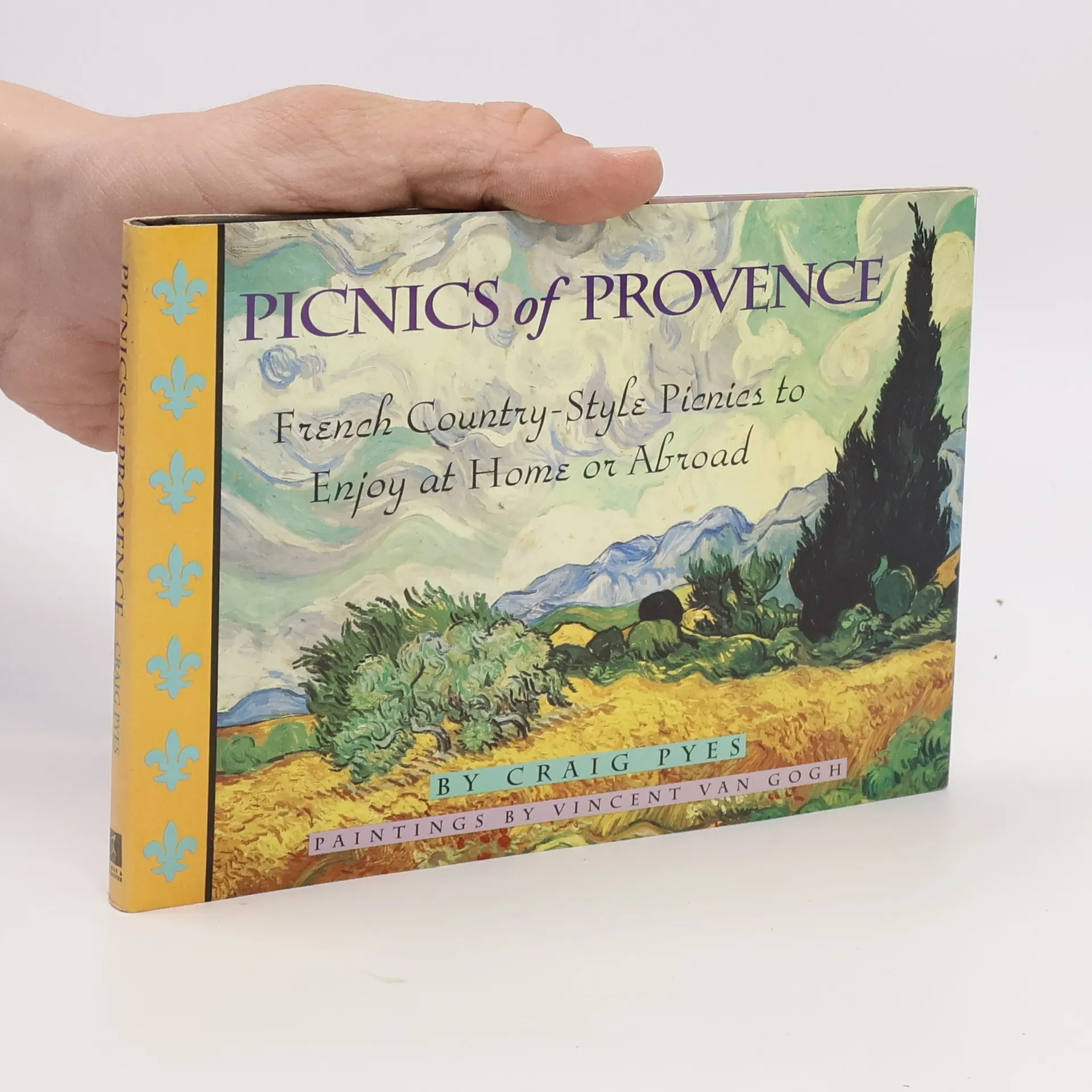
French Country-Style Picnics to Enjoy at Home or Abroad
64pages
3 heures de lecture
In the tradition of Monet's Table, delectable menus and mouth-watering recipes inspired and accompanied by the renowned paintings van Gogh completed during his stay at Provence. Eight inspired menus--with easy-to-find ingredients--include suggestions for selecting a location and activities.
Vincent van Gogh's painting Branch of an Almond Tree in Blossom graces the cover of this attractive journal. Gold foil accents. Embossed. 192 lined pages. Bookbound. Hardcover books lie flat for ease of use. Acid-free, archival paper.
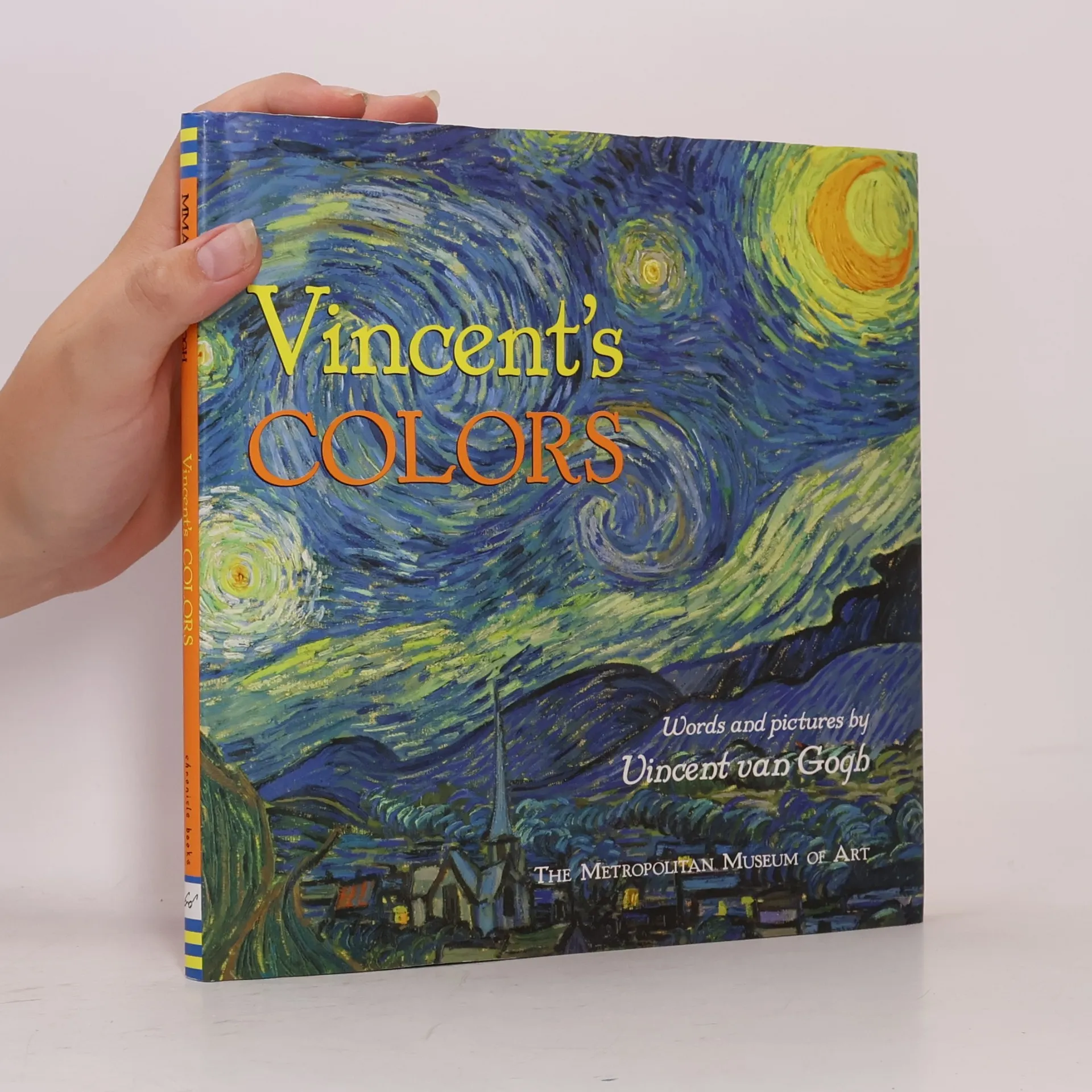
Vincent van Gogh is one of the world's most famous artists. Throughout his life, he wrote to his younger brother, Theo, about his colorful, dynamic paintings. This book pairs the artist's paintings with his own words. Van Gogh's descriptions, arranged as a simple rhyme, introduce young readers to all the colors of the rainbowand beyond. The descriptive words combine with spectacular reproductions of many of the artist's most beloved and important works to create a perfect art book for young and old alike.
In a baby/toddler-friendly way, Julie Aigner-Clark introduces children to the primary and secondary colours: red, yellow, blue, orange, green and purple.
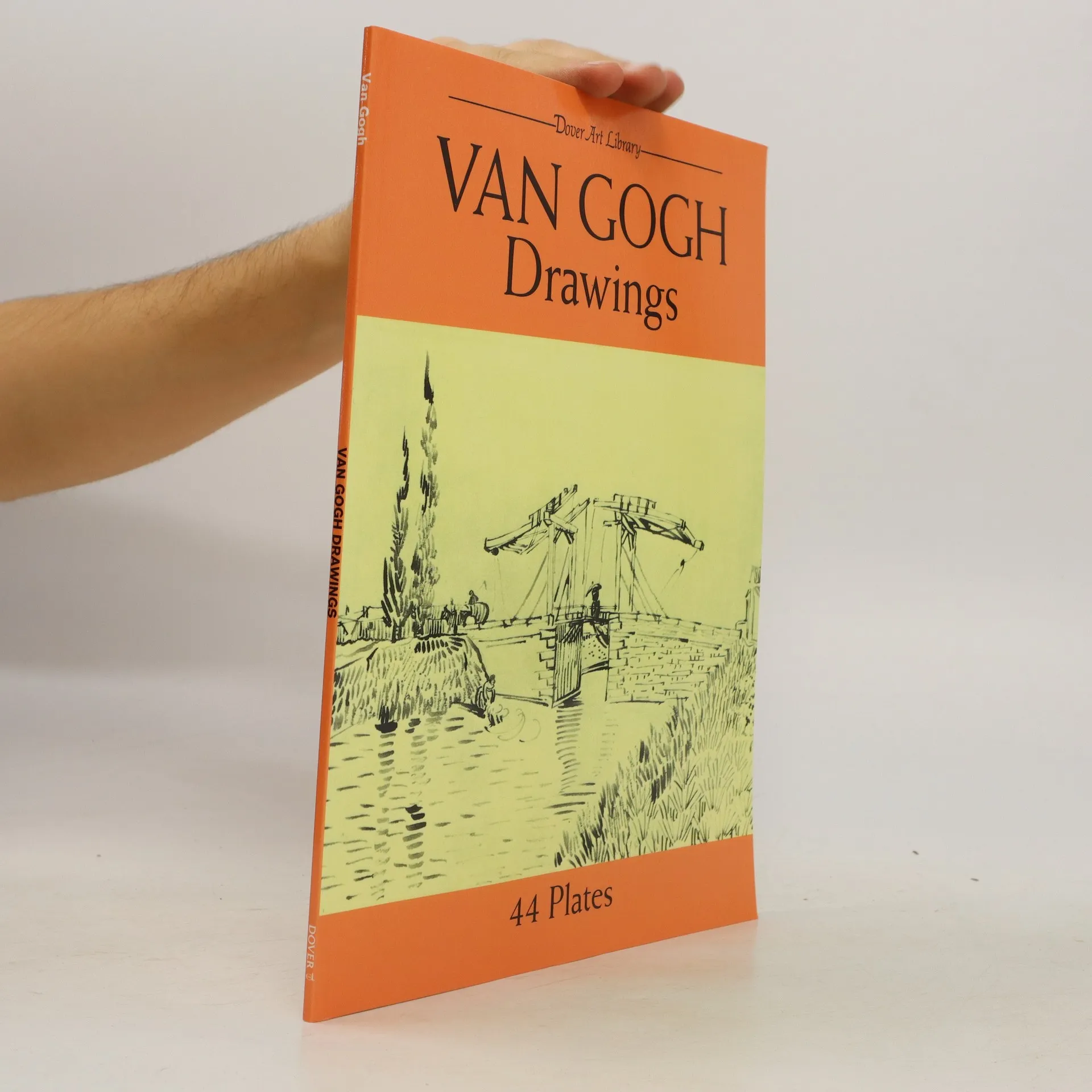
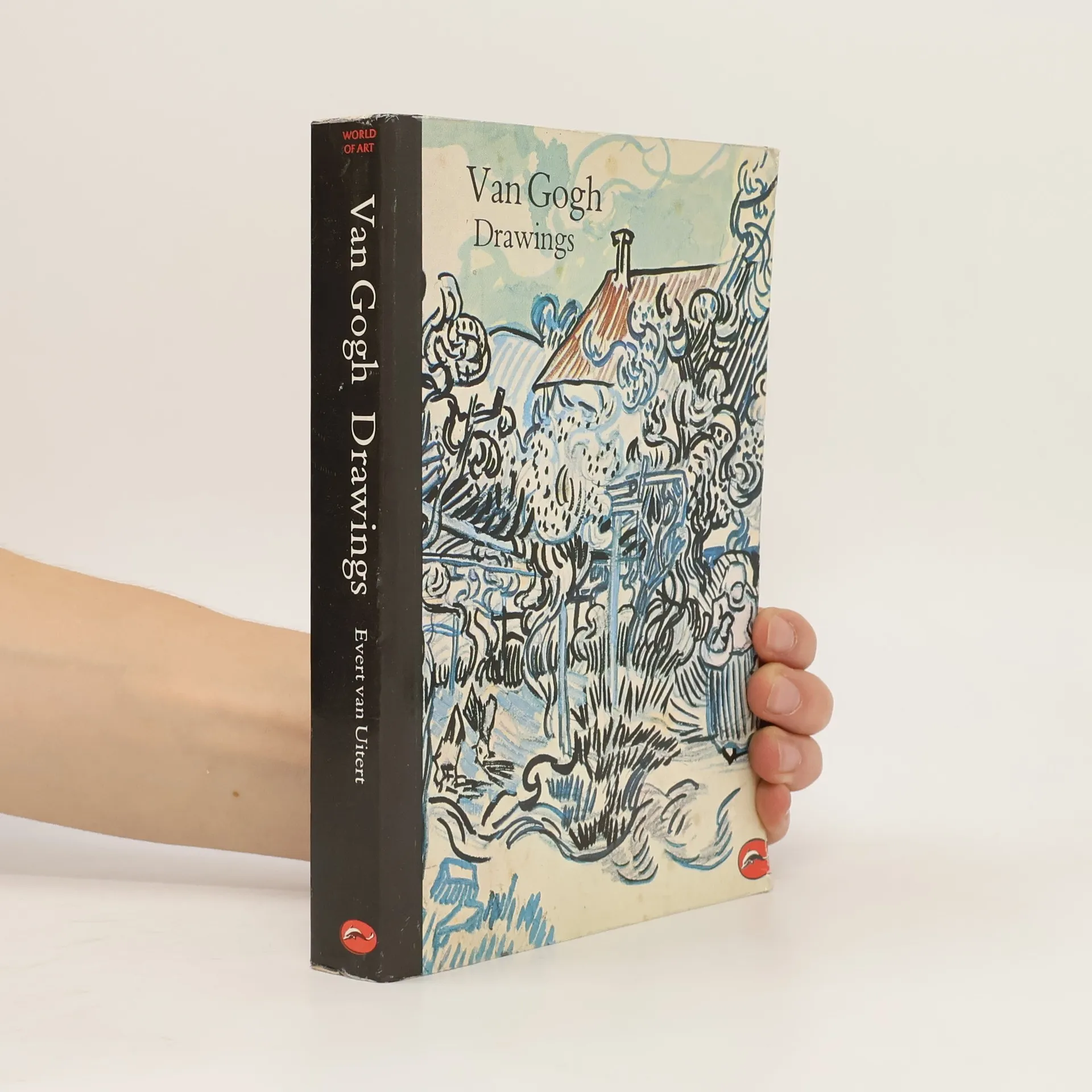
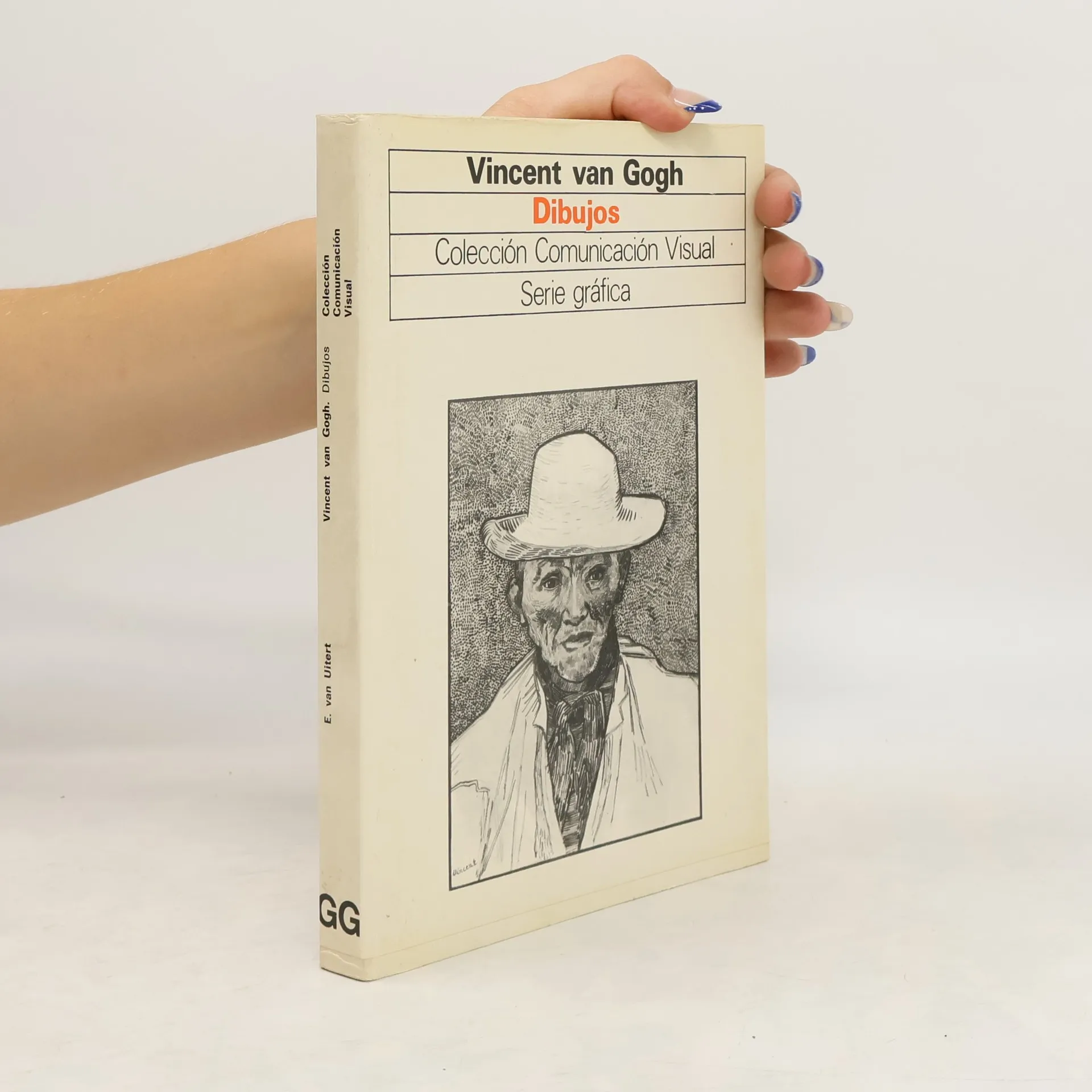
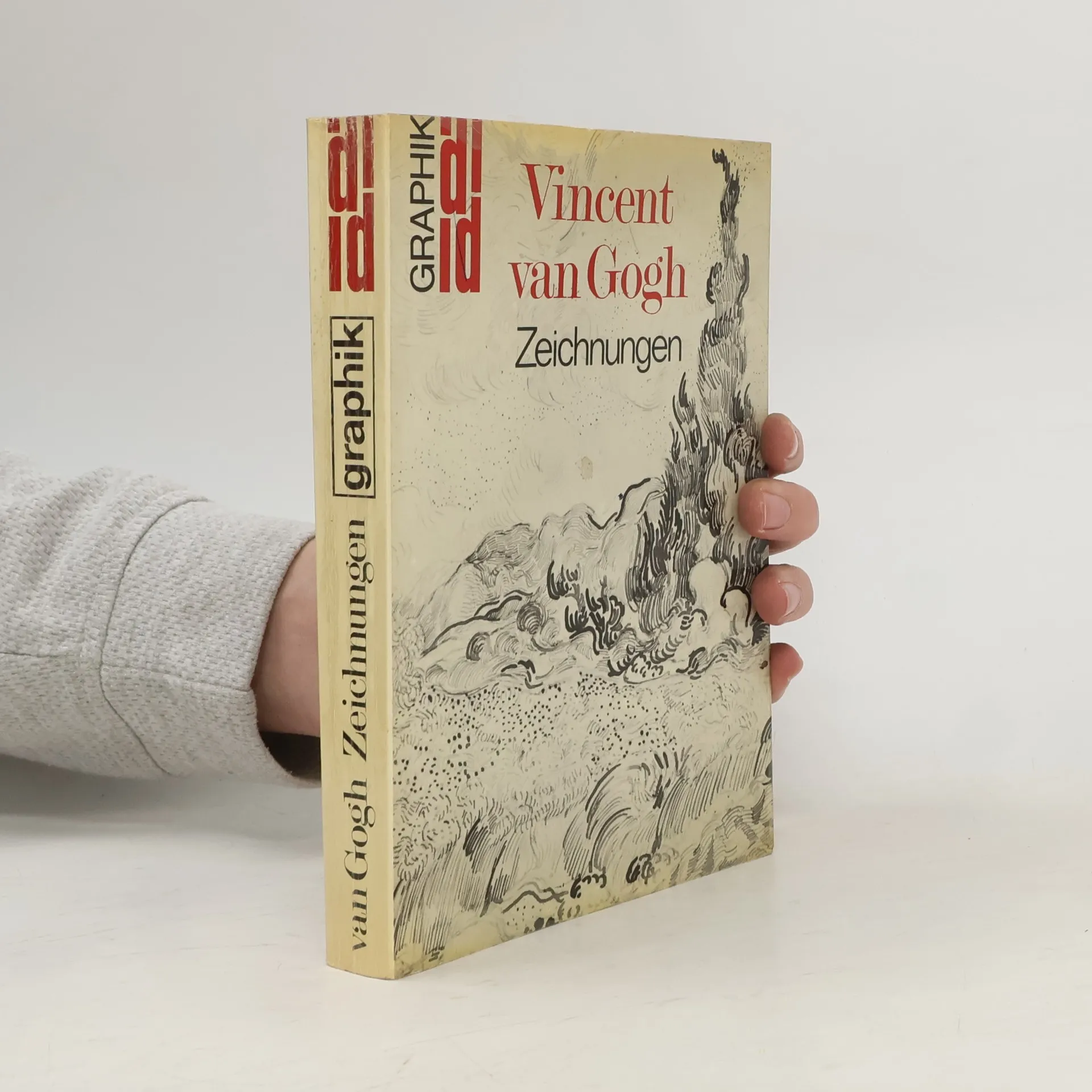
This choice selection of beautifully reproduced drawings spans the full length of van Gogh's brief but prolific career. The works range from his early impressions of peasant life to drawings that served as studies for the great canvases he painted at the close of his life, including Landscape with Cypresses and Starry Night. The captions, which draw heavily upon information provided by Jan Hulsker in The Complete Van Gogh, list subject, date, medium, dimensions (in centimeters, height before width). and the institutions n which they are located. 44 black-and-white illustrations.
This unique anthology brings together material from 38 well-known writers, artists, and scientists who attempt to describe the process by which original ideas come to them. Contributors include Albert Einstein, Wolfgang Amadeus Mozart, Amy Lowell, Rudyard Kipling, Max Ernst, Katherine Anne Porter, Henry Miller, Carl Gustav Jung, Mary Wigman, Yasuo Kuniyoshi, Henri Poincaré and many others.
Van Gogh, der vor seiner Künstlerkarriere verschiedene Berufe ausübte, war ein einsamer, verzweifelter und selbstzerstörerischer Mensch. Diese reich illustrierte und fachkundige Studie verfolgt den Künstler von den frühen, düsteren Gemälden, in denen er das Elend der Bauern und Arbeiter in seiner Heimat festhielt, über seine helle und farbenfrohe Pariser Periode bis zu den Arbeiten seiner letzten Jahre, die er unter der südlichen Sonne in Arles verbrachte.
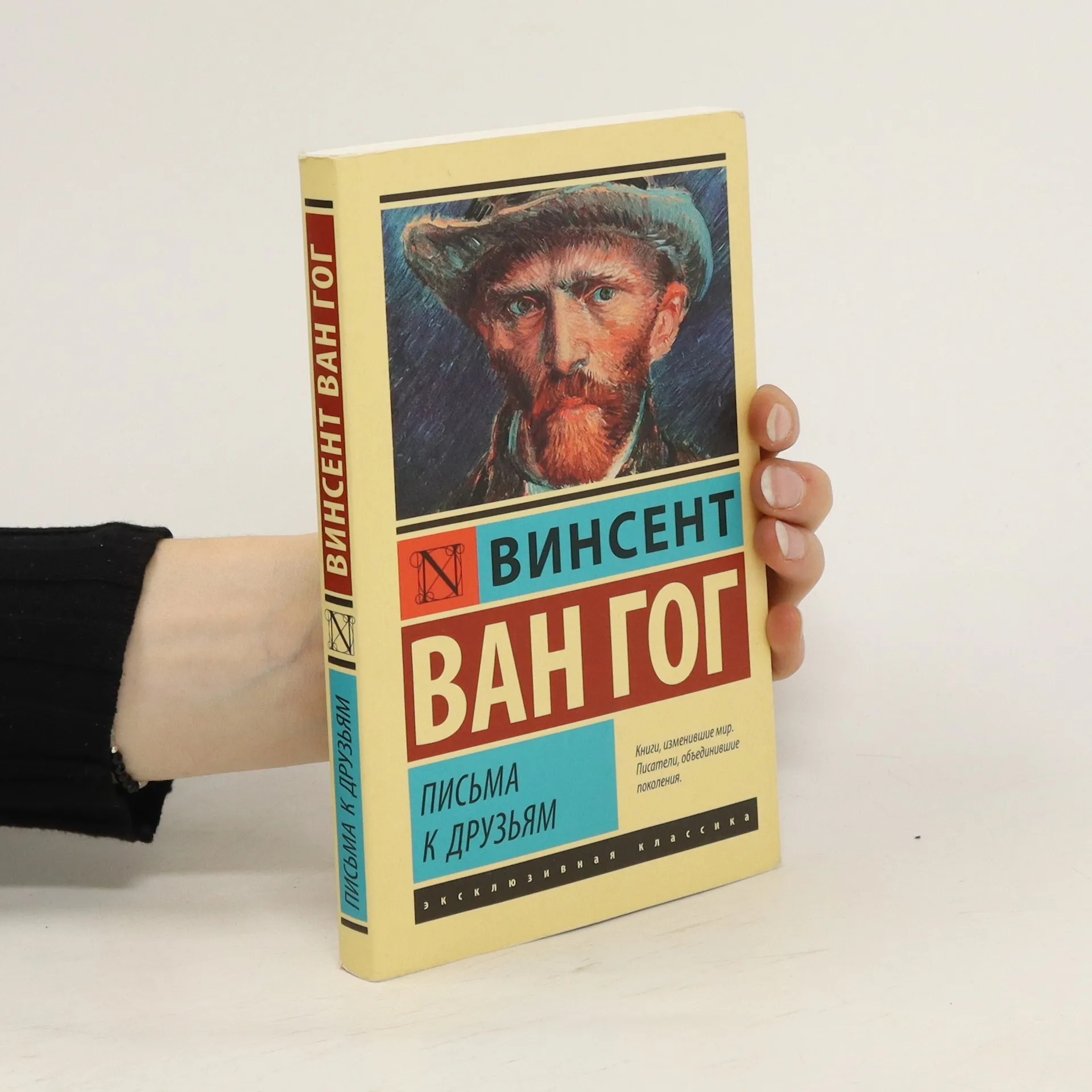
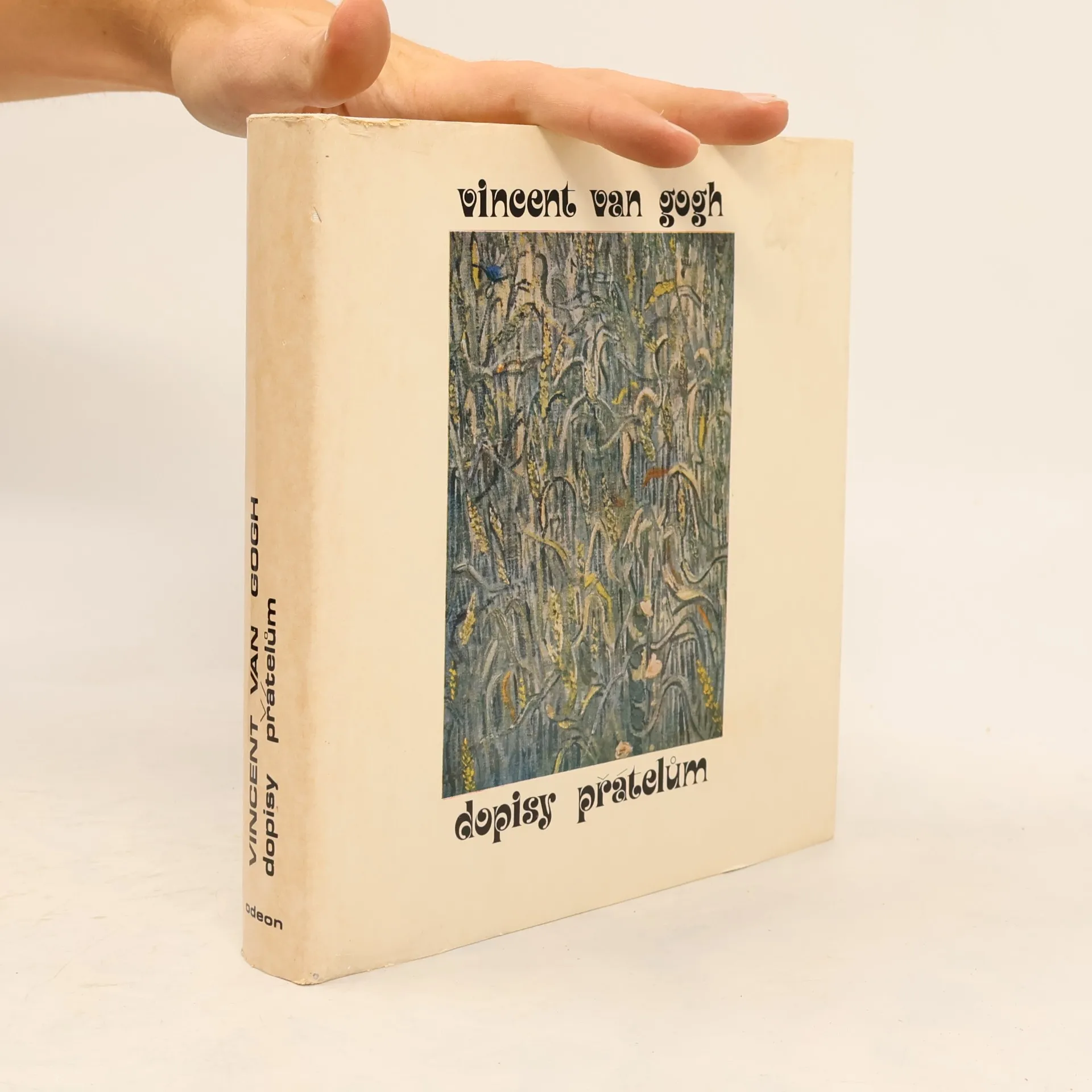
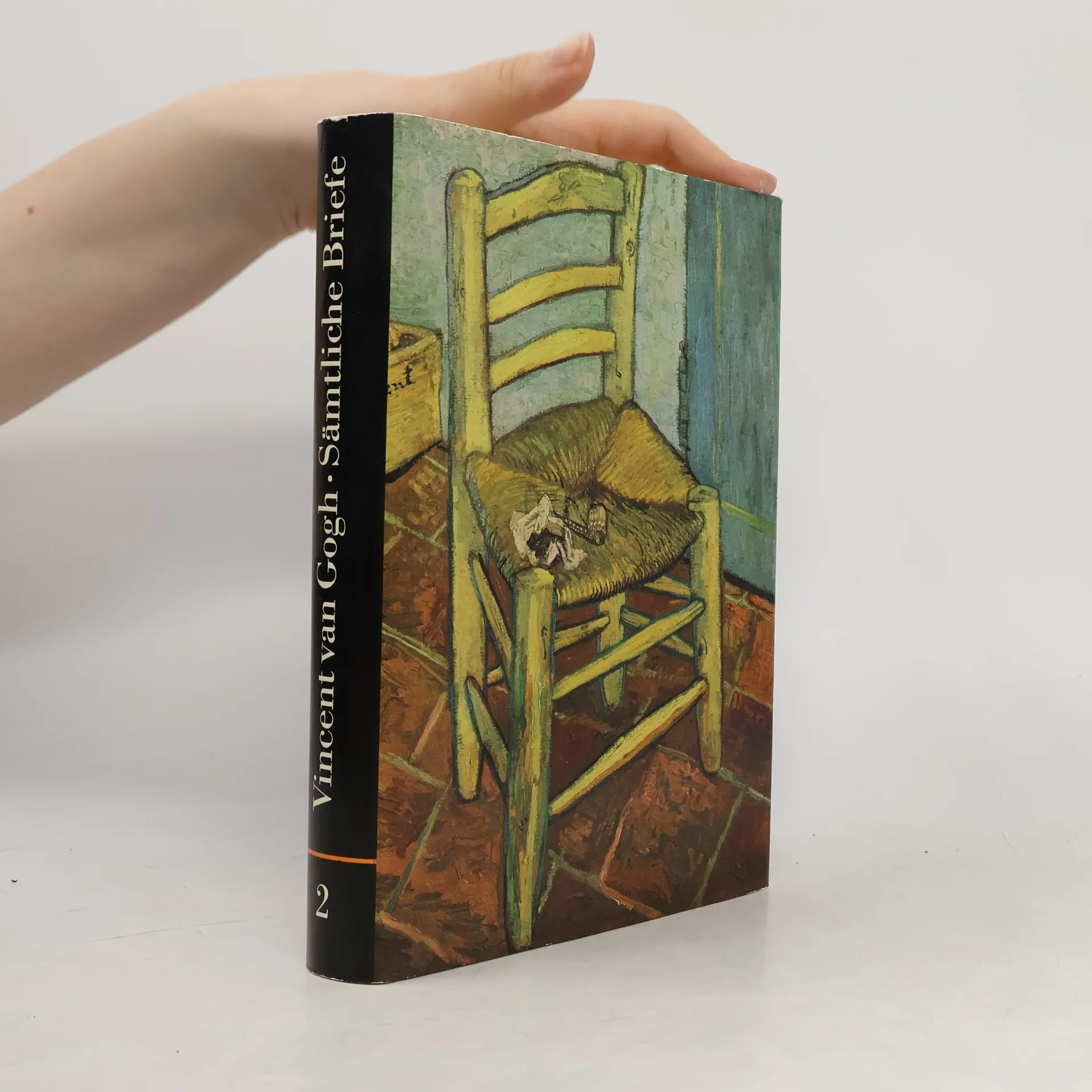
Среди воспоминаний, писем, дневников, оставленных нам большими художниками, одно из первых мест занимают письма Винсента Ван Гога (1853—1890). Это поразительный человеческий документ, свидетельствующий о том, какое духовное содержание стоит за каждой картиной этого не признанного при жизни гения. Письма Ван Гога, которыми зачитывались многие поколения, несут на себе отпечаток незаурядной литературной одаренности автора.В издание включены письма художника друзьям: Полю Гогену, Антону Ван Раппарду, Эмилю Бернару и др.
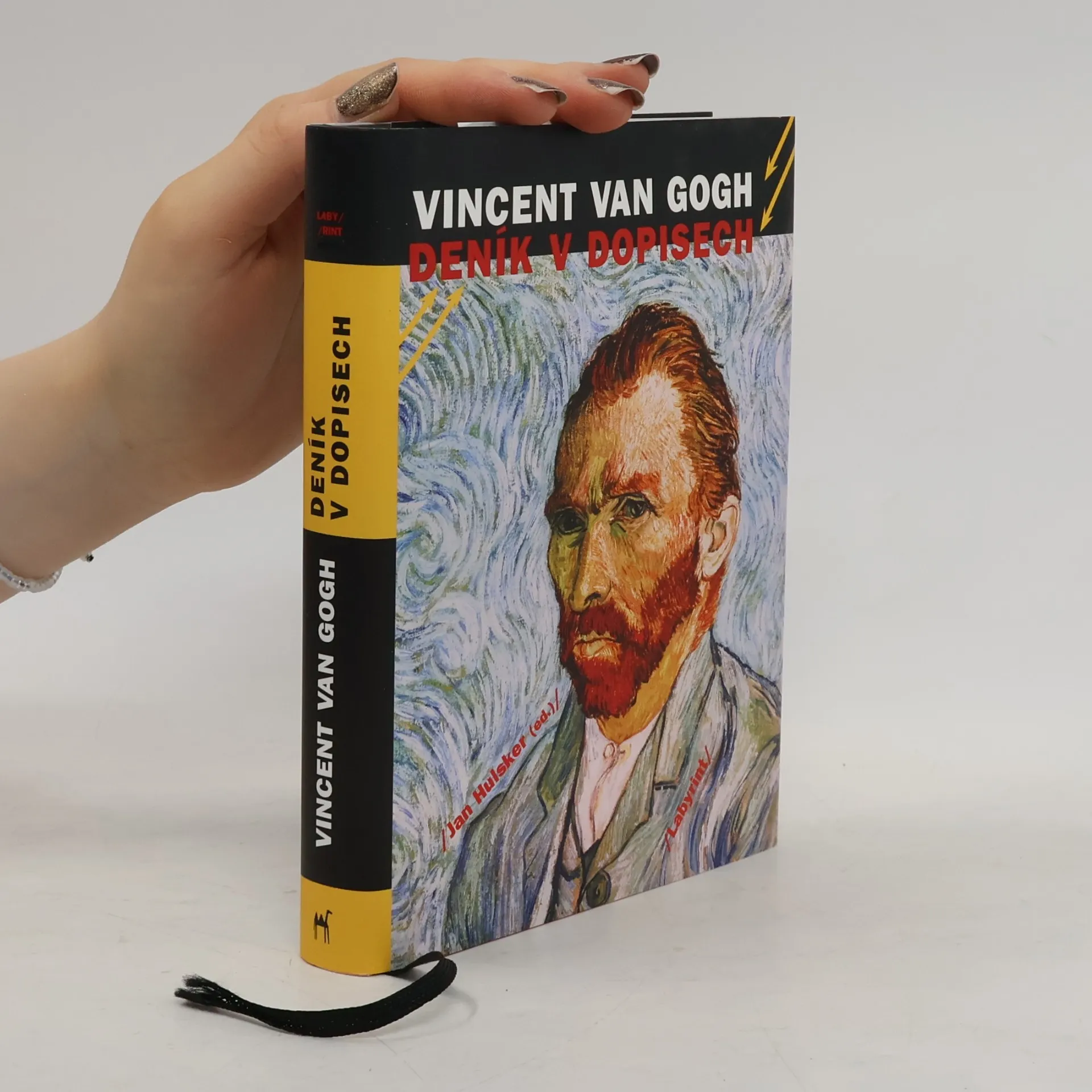
Tato kniha je jedinečným pokusem o rekonstrukci životního a uměleckého příběhu Vincenta van Gogha, jedné z vůdčích postav moderního malířství. Jejím editorem a autorem zasvěcených komentářů k dopisům je přední světový znalec umělcova díla Jan Hulsker (1907-2002), který zároveň pro tento svazek vybrala chronologicky uspořádal přes 200 reprodukcí kreseb, maleb a skic vztahujících se k jednotlivým obdobím van Goghova života.
České vydání výboru z korespondence představitele poimpresionistické malby, adresované umělcovým přátelům a známým, bylo pořízeno podle francouzského vydání z r. 1960. Dopisy jsou cenným pramenem nejen pro poznání van Goghových životních osudů, ale umožňují proniknout i do umělcova myšlenkového světa, jeho estetických názorů a jsou i svědectvím jeho uměleckých zápasů. 64 s. obr. a barev. obr. příl.
Dieses edel gestaltete Lesebuch sammelt über 60 Gemälde des großen Künstlers. Harmonisch untermalen sie ausgewählte Verse, Impulse und Segenswünsche beliebter Autoren und Zeitgenossen van Goghs wie Rilke, Twain oder Chesterton u. v. a. Ein Buch, das die schönen Seiten des Lebens aufzeigt. (durchgehend farbig gestaltet, mit zahlreichen Illustrationen)
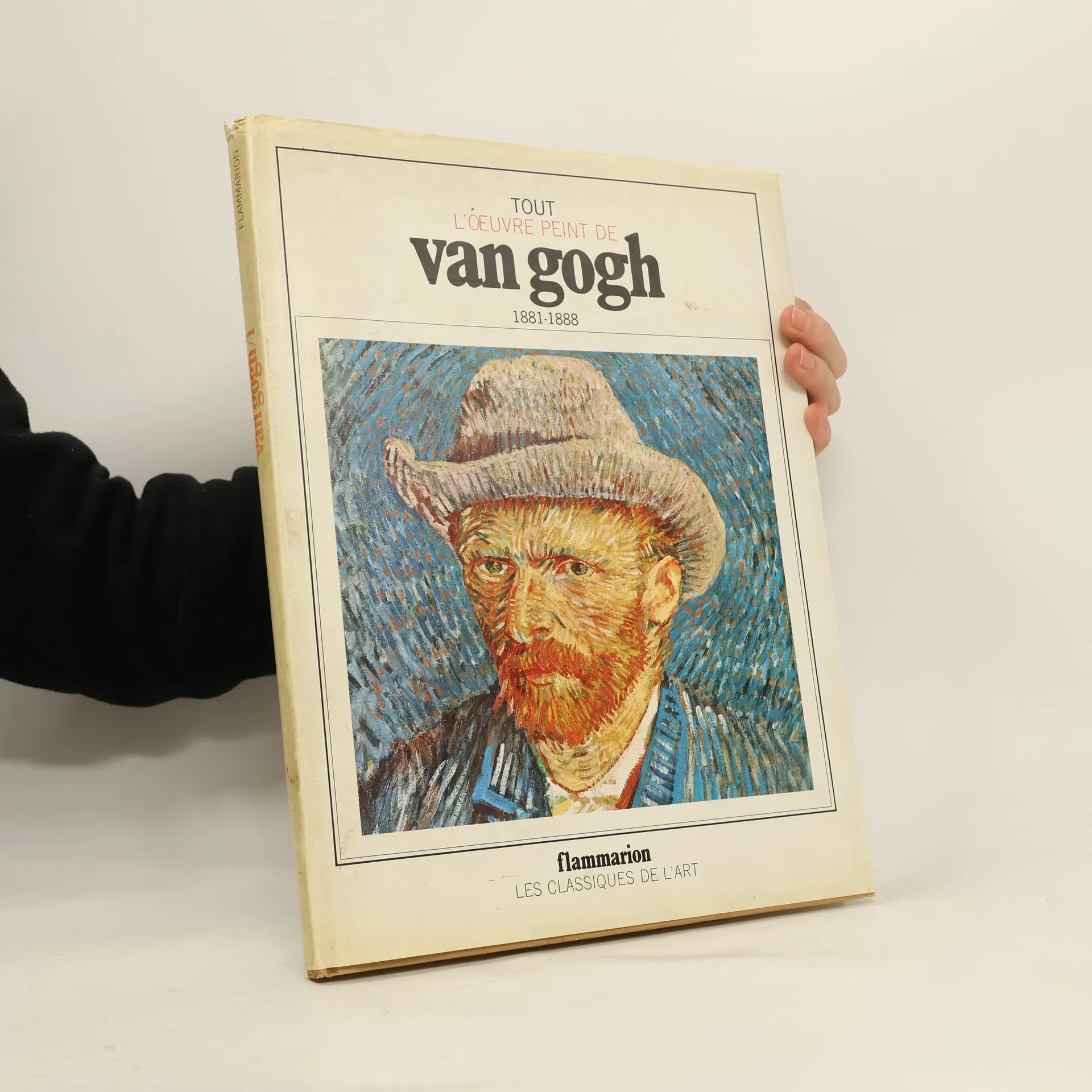
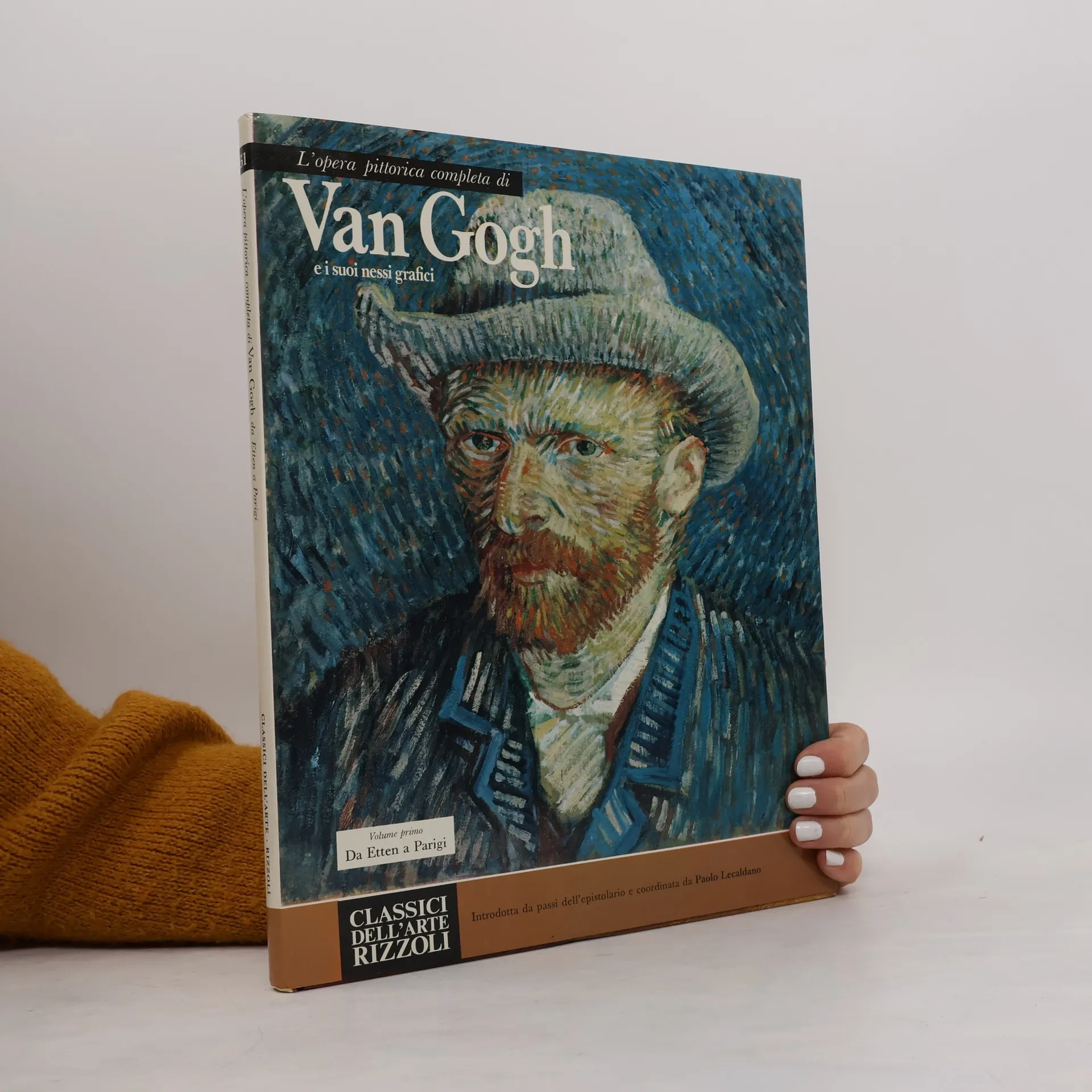
Souborné malířské dílo I (1881–1888). Ettenské, Haagské, Drenthské, Nuenenské, Antverpské, Pařížské údobí. Obsahuje výňatky z van Goghovy korespondence, seznam barevných příloh, základní bibliografii, katalog díla. Z francouzského vydání Tout l'œuvre peint de Vincent van Gogh [1881–1888] (Flammarion, Paris 1971) s přihlédnutím k původnímu italskému vydání L'opera completa di Vincent van Gogh [1881–1888] (Rizzoli Editore, Milano 1971) přeložili Dagmar a František X. Halasovi. Filmy k obrazové části poskytlo nakladatelství Rizzoli. Graficky upravil Václav Rein.
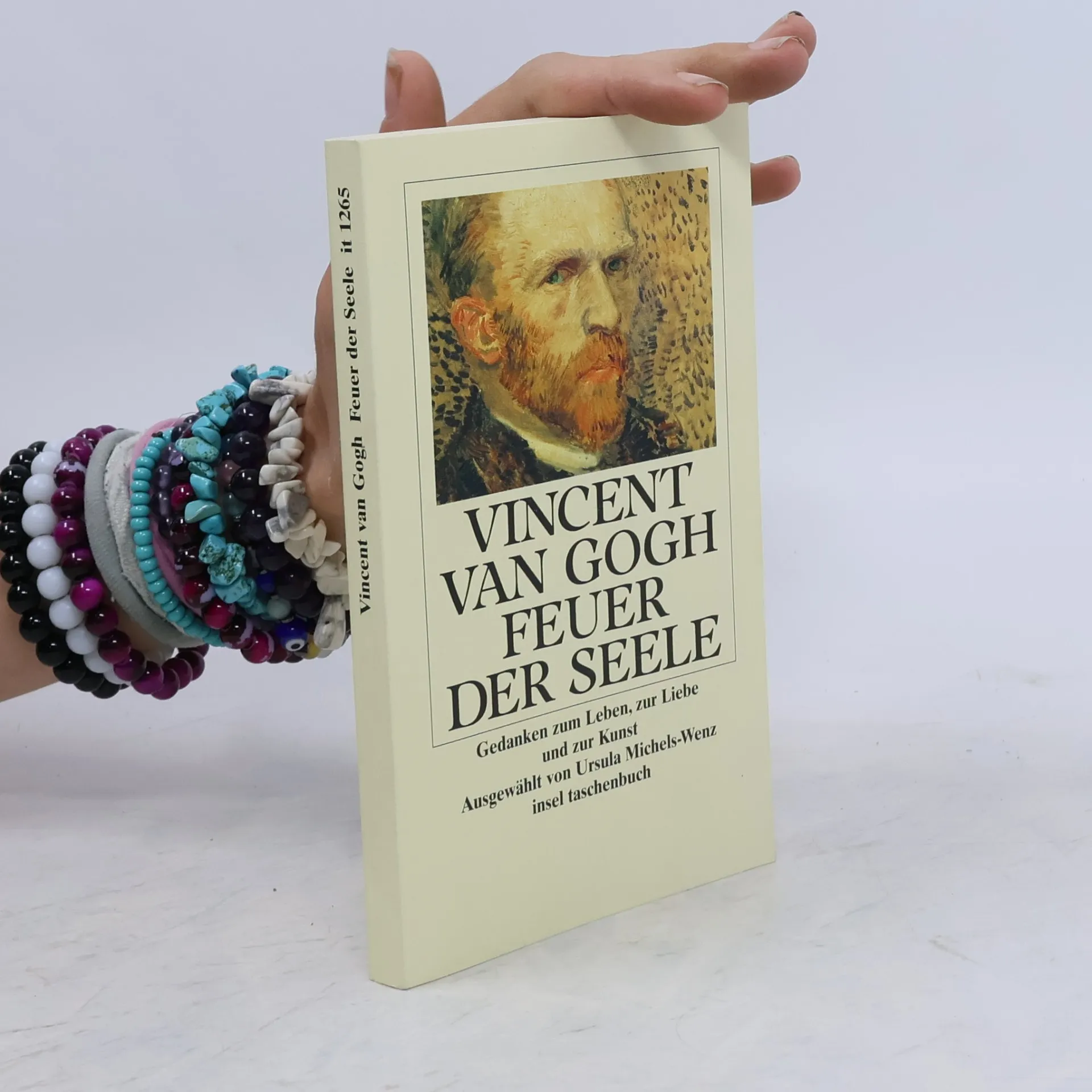
Zum 150. Geburtstag Vincent van Goghs (1853 bis 1890) erinnert dieser Band mit ausgewählten Zitaten an den »mächtigsten Idealisten und rührendsten Märtyrer in der neuen Kunst, ... der aus übergroßer Liebe zu den Menschen einsam wurde, der aus übergroßer Vernunft wahnsinnig wurde« (Hermann Hesse). Ergänzt werden die Briefzitate durch ein Nachwort mit einem biographischen Abriß, eine Zeittafel sowie eine Literaturliste. Außerdem liegen im insel taschenbuch vor: Vincent van Gogh. Briefe an seinen Bruder . 3 Bände (it 954), Van Gogh in seinen Briefen . Mit Abbildungen (it 177)
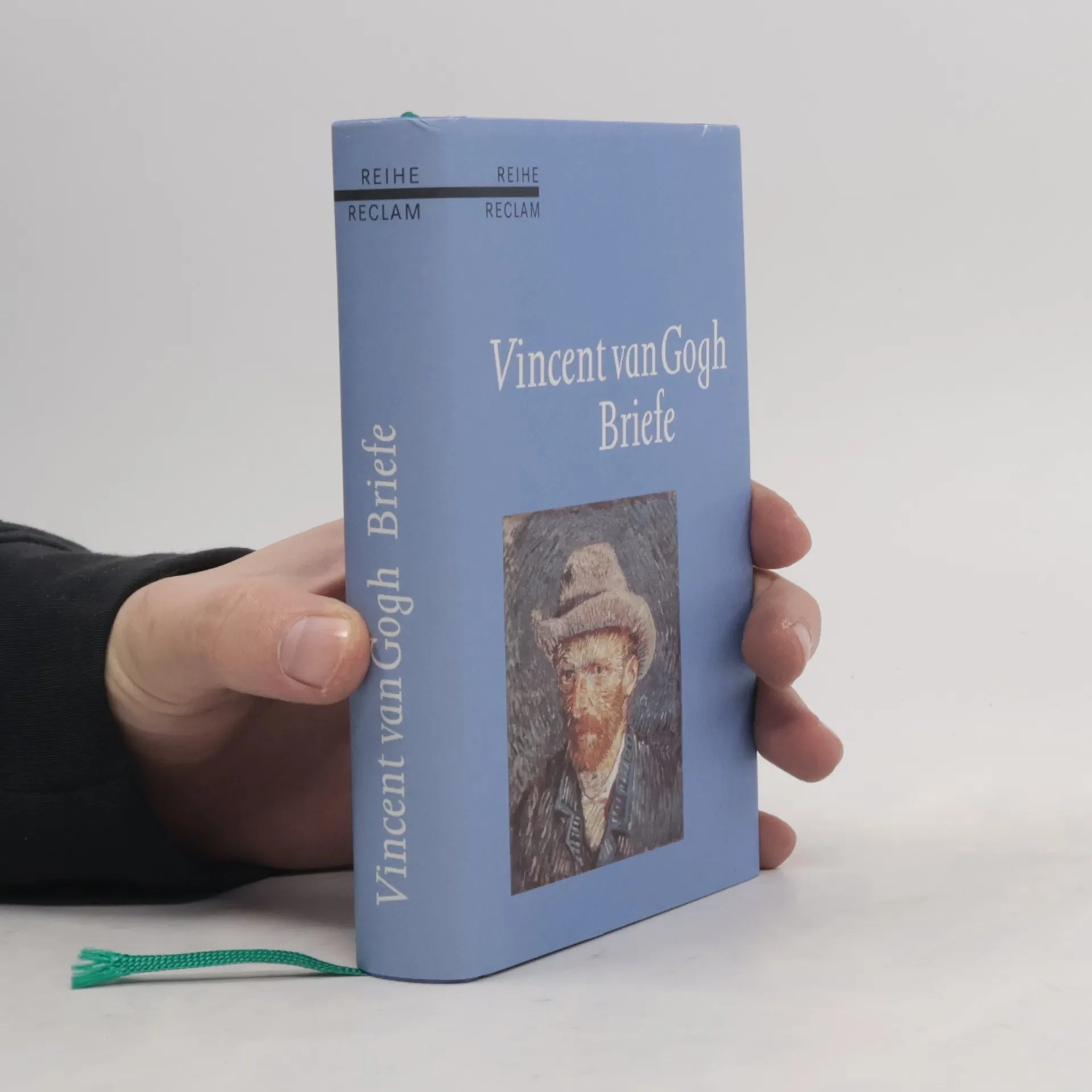
Der Briefwechsel Vincent van Goghs zählt zu den großen Korrespondenzen der europäischen Kultur und Geistesgeschichte. Er gibt nicht nur Zeugnis vom Schicksal eines Genies, dessen Leben von Erfolglosigkeit, Selbstzweifel und Geisteskrankheit geprägt war, sondern dokumentiert auch van Goghs eigenwillige künstlerische Entwicklung, die in seinen Überlegungen zum Umgang mit Zeichenstift und Farbe, zum Malen von Porträts und Landschaften sowie zur gesellschaftlichen Stellung des Künstlers grundlegend wurde für die Entwicklung der modernen Kunst. Der Band umfasst etwa 70 Briefe mit ausführlichen Anmerkungen sowie einem Personen-, Orts- und Werkregister. Die in den Briefen enthaltenen Zeichnungen van Goghs sind an entsprechender Stelle reproduziert, einige Briefe zudem vollständig abgebildet.
Wie Sterne leuchten die Worte des Weltberühmten Piloten, der den kleinen Prinzen erfand. Zeitlebens hat er nach dem wahren Menschsein gesucht, oft auch im Dunkeln: nur das, was der Mensch als Liebender und Freund vermag, kann angesichts der Dimensionen des Unendlichen standhalten. Antoine de Saint-Exupéry entdeckte Brunnen in der Wüste und Leitsterne in eine menschenwürdige Zukunft.
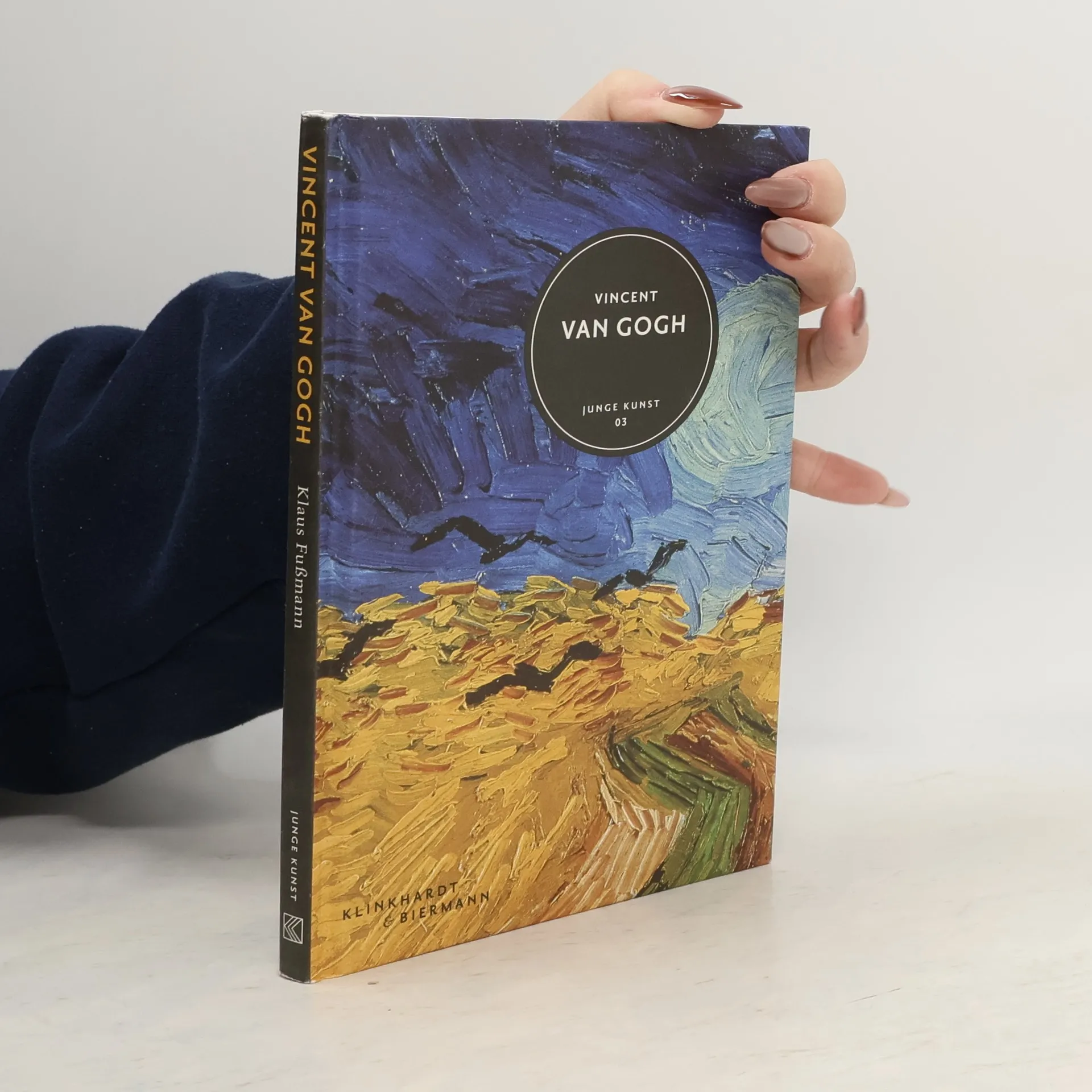
Diese Mischung von Farbe ist für mich etwas Neues und bringt mich ganz außer mir geben Aufschluss über sein maler isches Werk und gelten nicht umsonst unter Kunsthistorikern als eine der wichtigsten Quellen für ihre Forschung. Die in diesem Band zitierten Briefauszüge sind häufig dramatische Momentaufnahmen. Sie ermöglichen den Lesern einen leichten Zugang zu der Künstlerpersönlichkeit Van Gogh und seinem Werk 0und mögen sogar den einen oder anderen Kunstkenner überraschen. Zum Teil doppelseitige Farbabbildungen, Van Goghs vollständige Biografie sowie ein Essay, der die neuesten Erkenntnisse über den Künstler berücksichtigt, machen aus diesem Band ein ganz besonderes Geschenk für jeden Van Gogh-Verehrer. Die Reihe Junge Kunst, die von 1919 bis 1933 mit rund 60 Bänden erschien, versammelte große Namen. Heute sind diese Bände kunsthistorische Kleinode, die durch "Selbstbiografien", Briefwechsel und Aufsätze der jeweiligen Künstler einen authentischen Blick auf die Kunstszene des letzten Jahrhunderts ermöglichen.