

Paramètres
- 276pages
- 10 heures de lecture
En savoir plus sur le livre
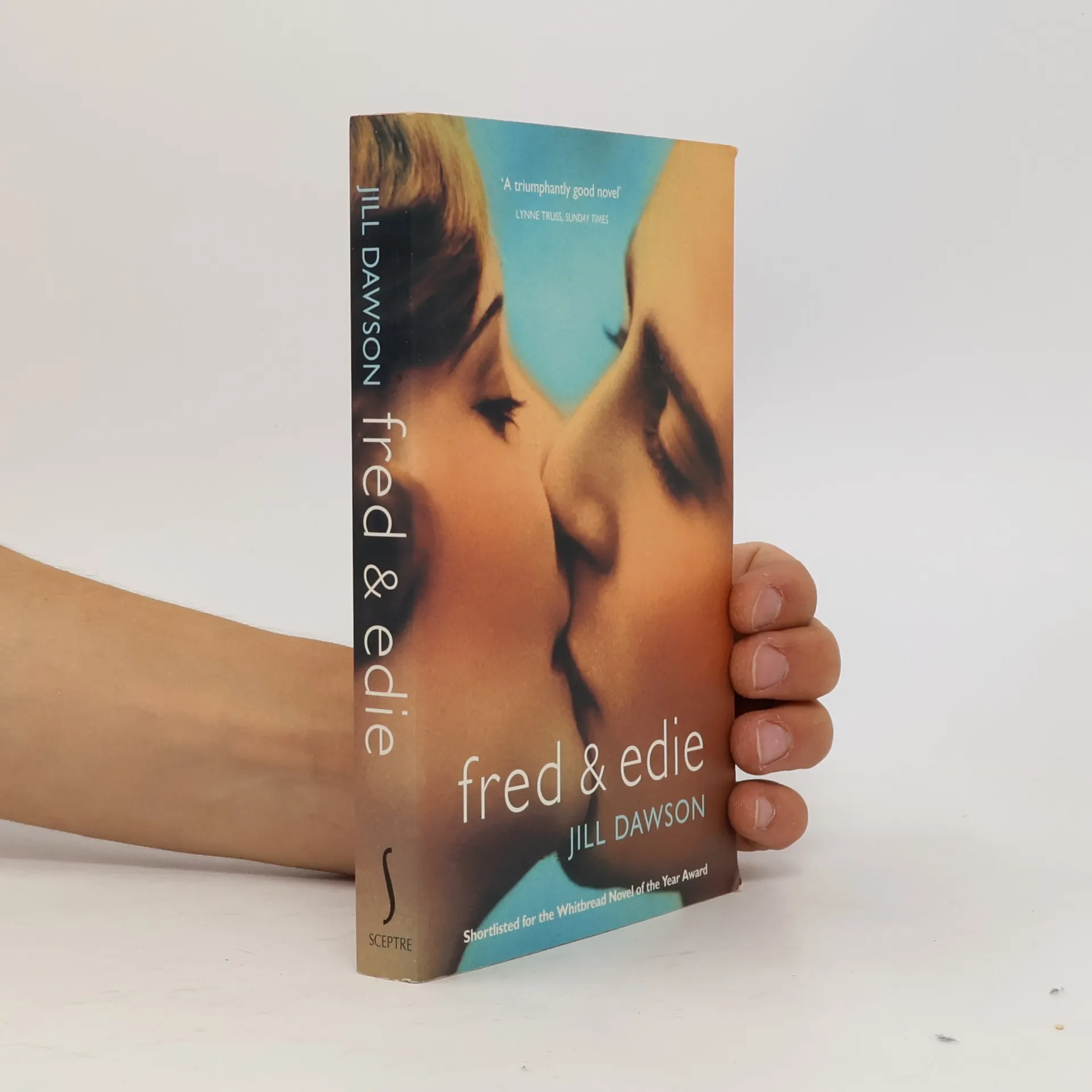
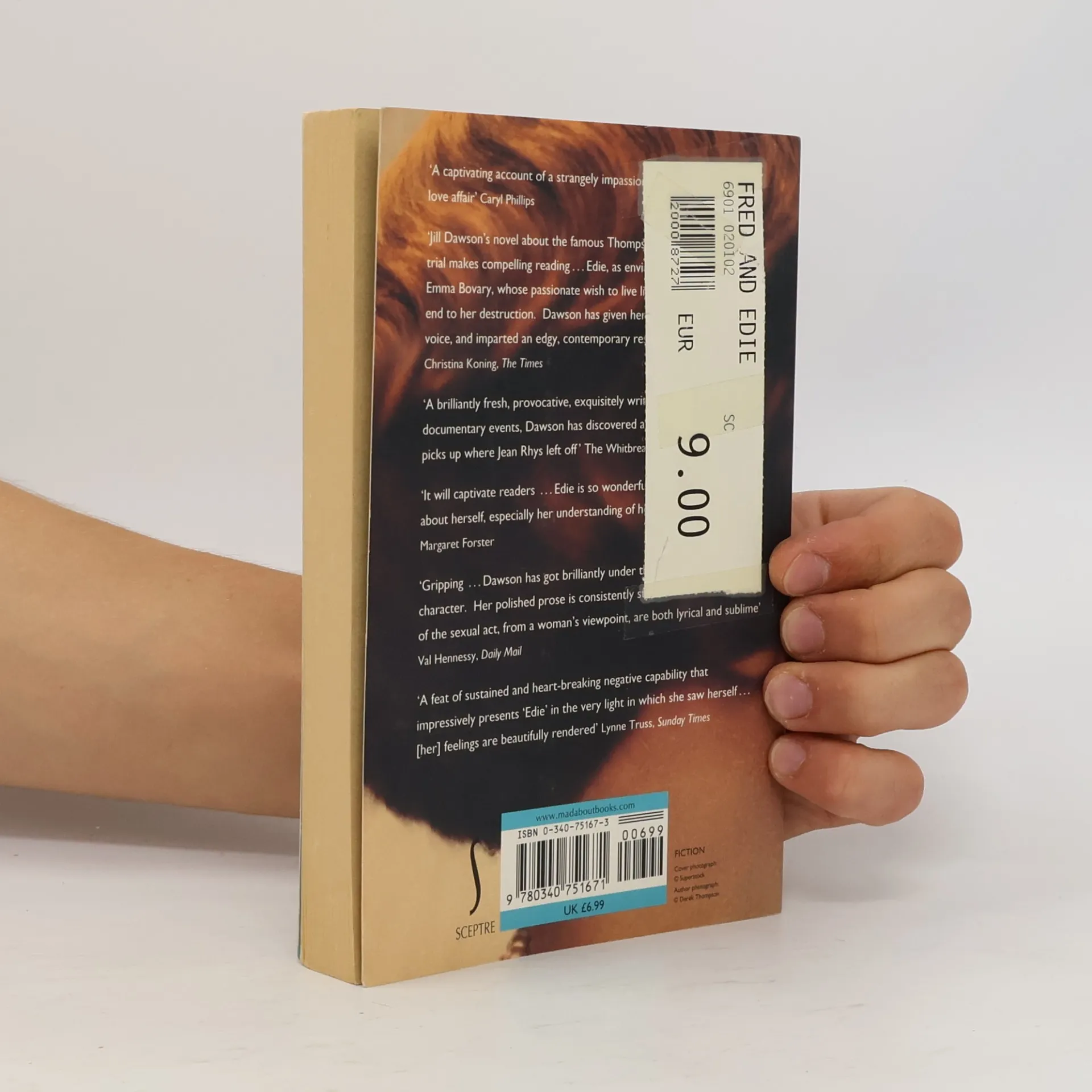
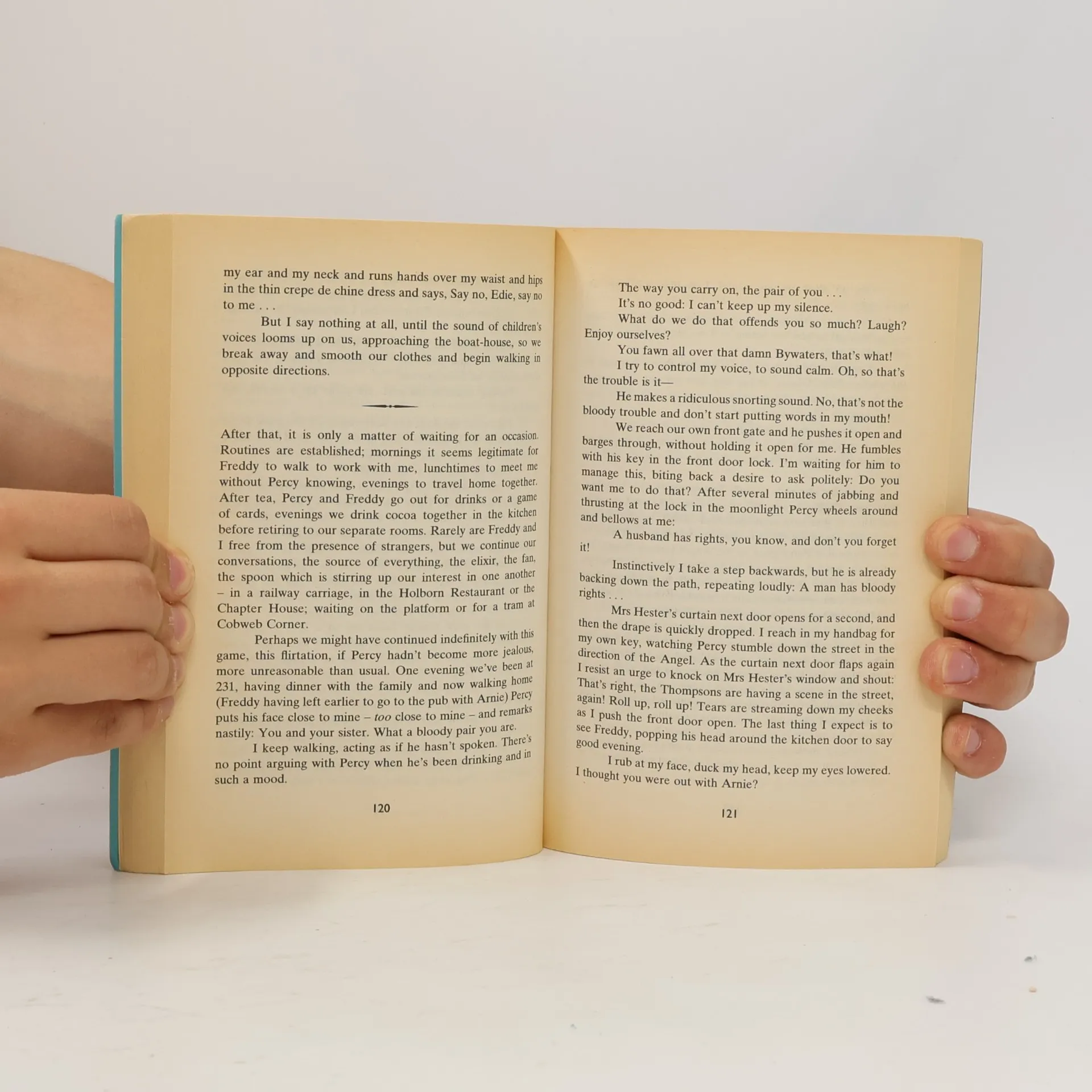
In the winter of 1922, Edith Thompson and her younger lover, Freddy Bywaters, were convicted of murdering Edith's husband, Percy Thompson. Their execution in 1923 drew widespread media attention, turning their crime of passion into a national sensation. This captivating novel offers a fictional account of their romance and trial, primarily through Edie's imagined letters to Freddy, affectionately addressing him as "Darlint Freddie." The narrative vividly captures the suburban landscape of 1920s London, with echoes of T.S. Eliot's *The Waste Land* resonating throughout. Edie, perceived by the public as "silly" and "vain," emerges as a complex character—sensual, intelligent, and liberated. In her letters, she passionately critiques a society that dismisses their love as inferior due to their backgrounds. Edie's true "crime" lies in her articulate and assertive femininity; she declares, "I am *not all sweetness and light*," highlighting her independent spirit. As the story unfolds, Freddy's character becomes increasingly ambiguous, positioned on the fringes of Edie's narrative. Elegantly crafted and meticulously researched, this novel reflects the passionate and assured essence of its tragic heroine.

Achat du livre
Fred & Edie, Jill Dawson
- Langue

- Année de publication
- 2000
- Reliure
- (souple),
- État du livre
- Bon
- Prix
- 2,49 €
Modes de paiement
Il manque plus que ton avis ici.
- Titre
- Fred & Edie
- Langue
- Anglais
- Auteurs
- Jill Dawson
- Éditeur
- Sceptre
- Publié
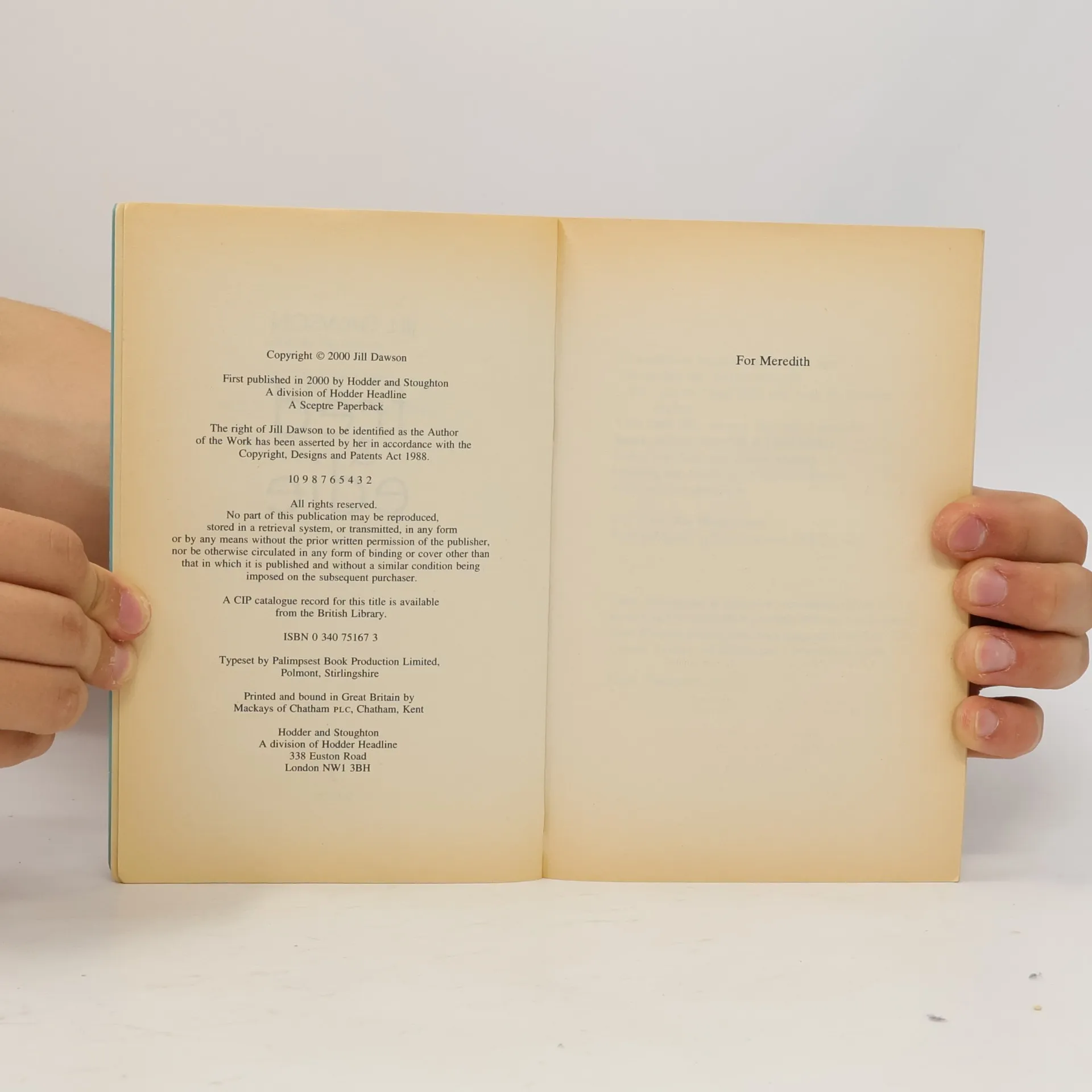
- 2000
- Format
- souple
- Pages
- 276
- ISBN10
- 0340751673
- ISBN13
- 9780340751671
- Séries
- Mots clés
- Polars, Littérature britannique, Lettres, Peine de mort, Innocence
- Titre original
- Fred & Edie
- Évaluation
- 2,65 sur 5
- Description
- In the winter of 1922, Edith Thompson and her younger lover, Freddy Bywaters, were convicted of murdering Edith's husband, Percy Thompson. Their execution in 1923 drew widespread media attention, turning their crime of passion into a national sensation. This captivating novel offers a fictional account of their romance and trial, primarily through Edie's imagined letters to Freddy, affectionately addressing him as "Darlint Freddie." The narrative vividly captures the suburban landscape of 1920s London, with echoes of T.S. Eliot's *The Waste Land* resonating throughout. Edie, perceived by the public as "silly" and "vain," emerges as a complex character—sensual, intelligent, and liberated. In her letters, she passionately critiques a society that dismisses their love as inferior due to their backgrounds. Edie's true "crime" lies in her articulate and assertive femininity; she declares, "I am *not all sweetness and light*," highlighting her independent spirit. As the story unfolds, Freddy's character becomes increasingly ambiguous, positioned on the fringes of Edie's narrative. Elegantly crafted and meticulously researched, this novel reflects the passionate and assured essence of its tragic heroine.