



Paramètres
- 276pages
- 10 heures de lecture
En savoir plus sur le livre
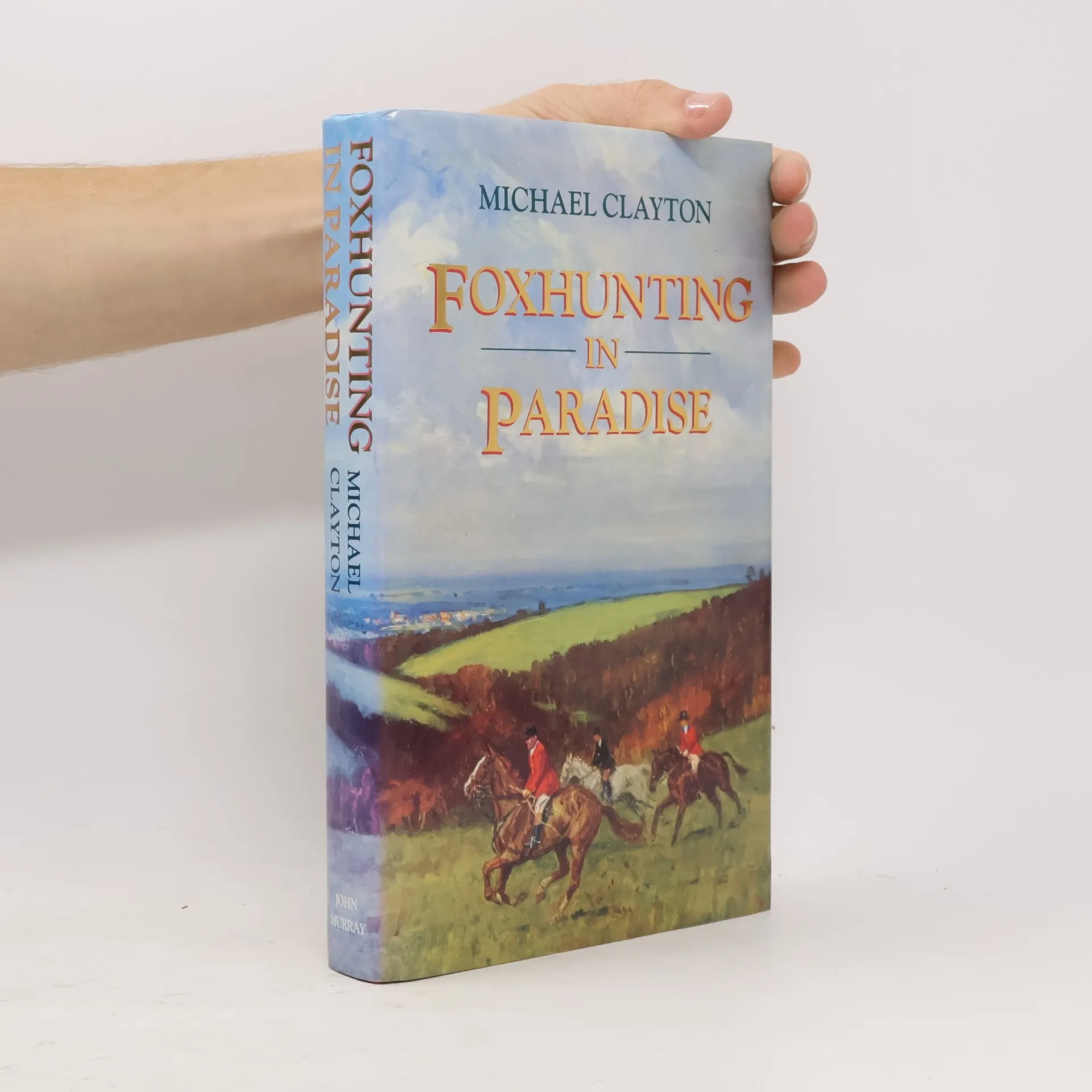
Young men hunting in Leicestershire have long been warned about the potential losses they might face, yet the Shires packs have drawn foxhunters from across Britain and beyond for over 200 years. In this comprehensive exploration, Michael Clayton updates the histories of the Quom, Belvoir, Cottesmore, and Fernie Hunts, delving into the allure, risks, and controversies associated with hunting in Leicestershire's picturesque ridge and furrow grasslands, marked by fly fences and fox coverts. The region has attracted royalty, industrial leaders, and various socialites, all of whom have frequented its hunting fields. The sport relies heavily on the goodwill of local farmers and landowners, a relationship that has endured over time. Clayton addresses critical conservation issues that he believes support hunting and tackles recent criticisms regarding the sport's practices in the area. This work sheds new light on a uniquely British tradition set in a landscape of understated beauty, famously described by the hunting correspondent Nimrod as nearly perfect for hunting, with its reputation extending to the farthest corners of the civilized world.
Achat du livre
Foxhunting in Paradise, Michael Clayton
- Langue

- Année de publication
- 1993
- Reliure
- (rigide),
- État du livre
- Bon
- Prix
- 6,49 €
Modes de paiement
Personne n'a encore évalué .
- Titre
- Foxhunting in Paradise
- Langue
- Anglais
- Auteurs
- Michael Clayton
- Éditeur
- John Murray Pubs Ltd
- Publié
- 1993
- Format
- rigide
- Pages
- 276
- ISBN10
- 0719551013
- ISBN13
- 9780719551017
- Séries
- Mots clés
- Description
- Young men hunting in Leicestershire have long been warned about the potential losses they might face, yet the Shires packs have drawn foxhunters from across Britain and beyond for over 200 years. In this comprehensive exploration, Michael Clayton updates the histories of the Quom, Belvoir, Cottesmore, and Fernie Hunts, delving into the allure, risks, and controversies associated with hunting in Leicestershire's picturesque ridge and furrow grasslands, marked by fly fences and fox coverts. The region has attracted royalty, industrial leaders, and various socialites, all of whom have frequented its hunting fields. The sport relies heavily on the goodwill of local farmers and landowners, a relationship that has endured over time. Clayton addresses critical conservation issues that he believes support hunting and tackles recent criticisms regarding the sport's practices in the area. This work sheds new light on a uniquely British tradition set in a landscape of understated beauty, famously described by the hunting correspondent Nimrod as nearly perfect for hunting, with its reputation extending to the farthest corners of the civilized world.