

Paramètres
- 84pages
- 3 heures de lecture
En savoir plus sur le livre
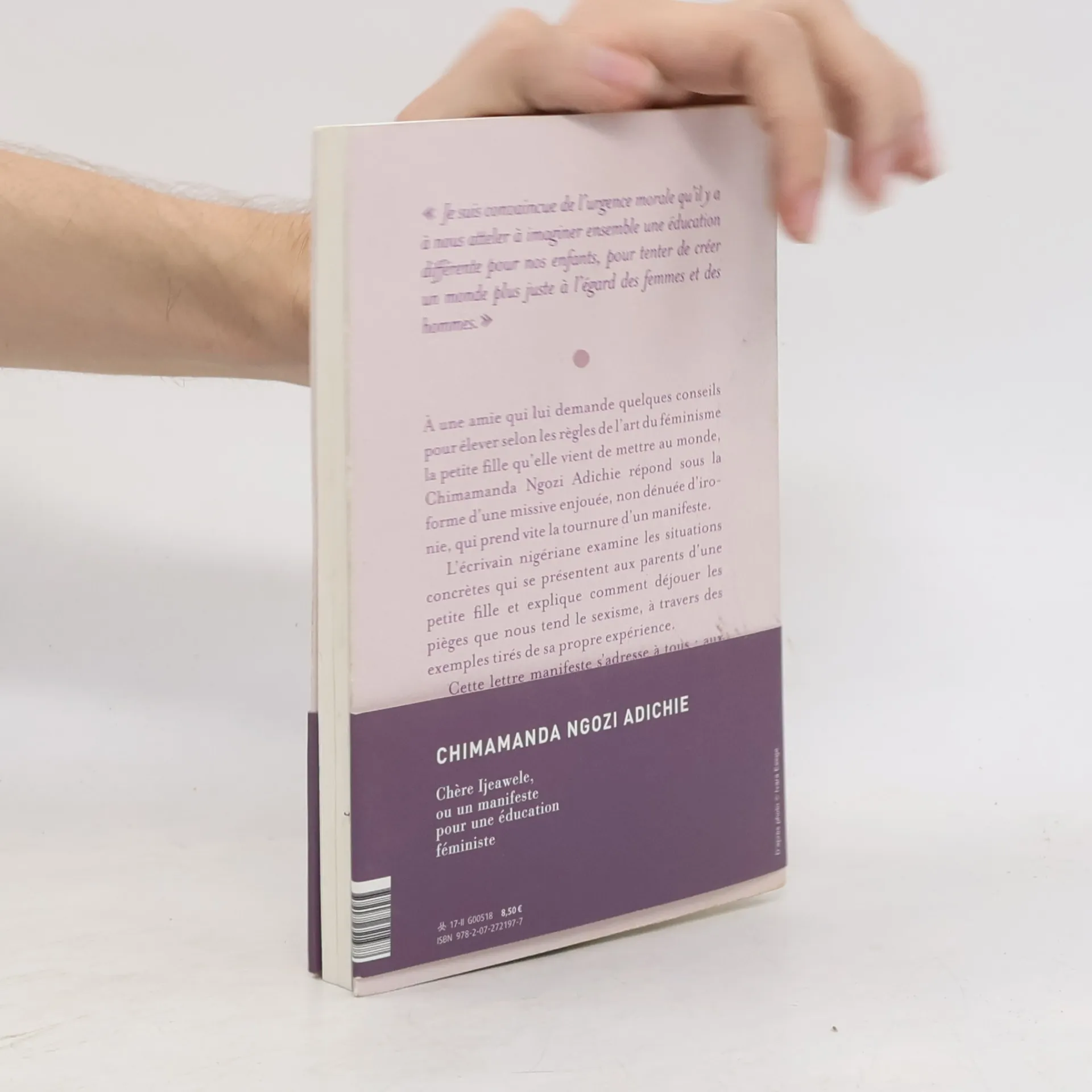
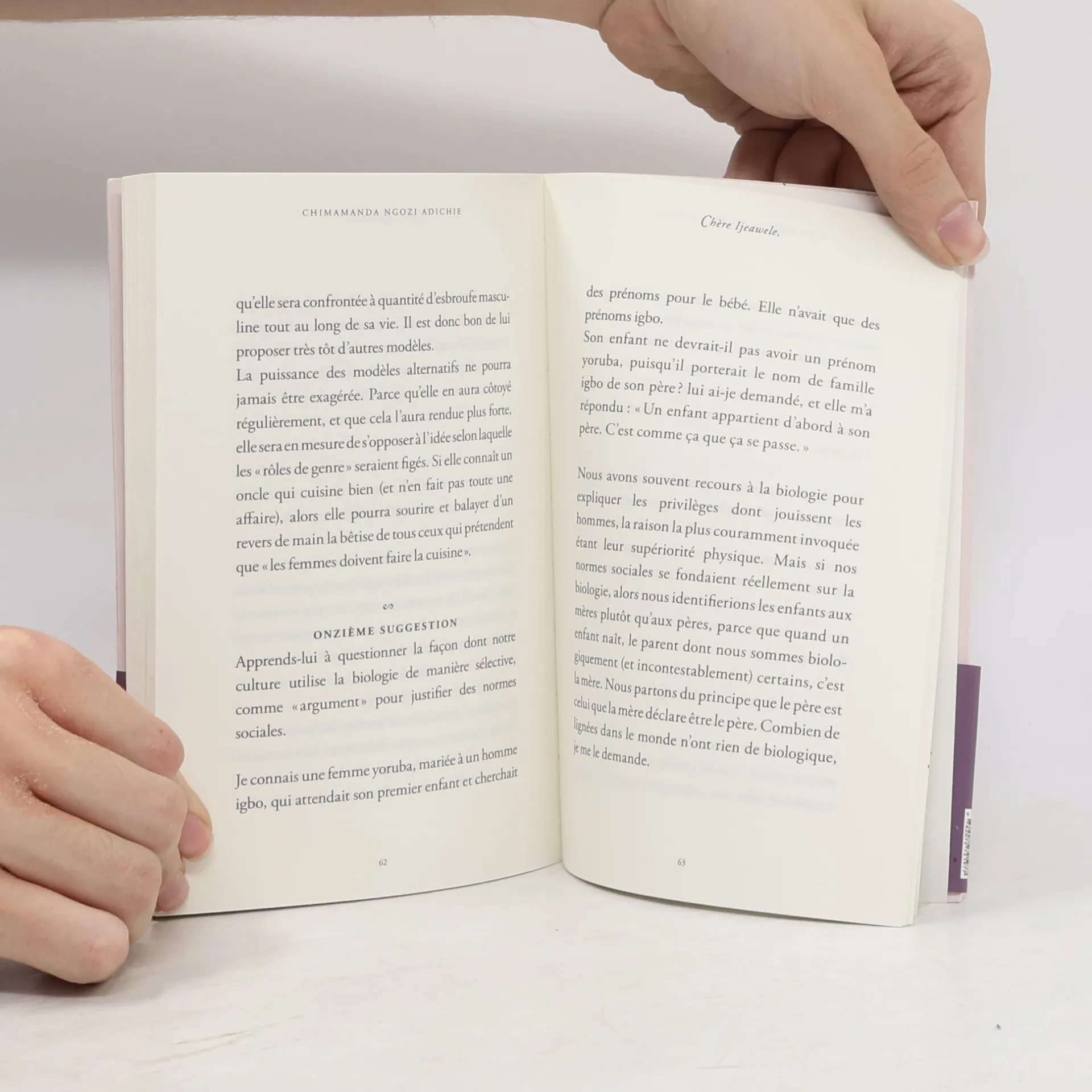
From the best-selling author of Americanah and We Should All Be Feminists comes a powerful new statement about feminism today--written as a letter to a friend. A few years ago, Chimamanda Ngozi Adichie received a letter from a dear friend from childhood, asking her how to raise her baby girl as a feminist. Dear Ijeawele is Adichie's letter of response. Here are fifteen invaluable suggestions--compelling, direct, wryly funny, and perceptive--for how to empower a daughter to become a strong, independent woman. From encouraging her to choose a helicopter, and not only a doll, as a toy if she so desires; having open conversations with her about clothes, makeup, and sexuality; debunking the myth that women are somehow biologically arranged to be in the kitchen making dinner, and that men can "allow" women to have full careers, Dear Ijeawele goes right to the heart of sexual politics in the twenty-first century. It will start a new and urgently needed conversation about what it really means to be a woman today.


Achat du livre
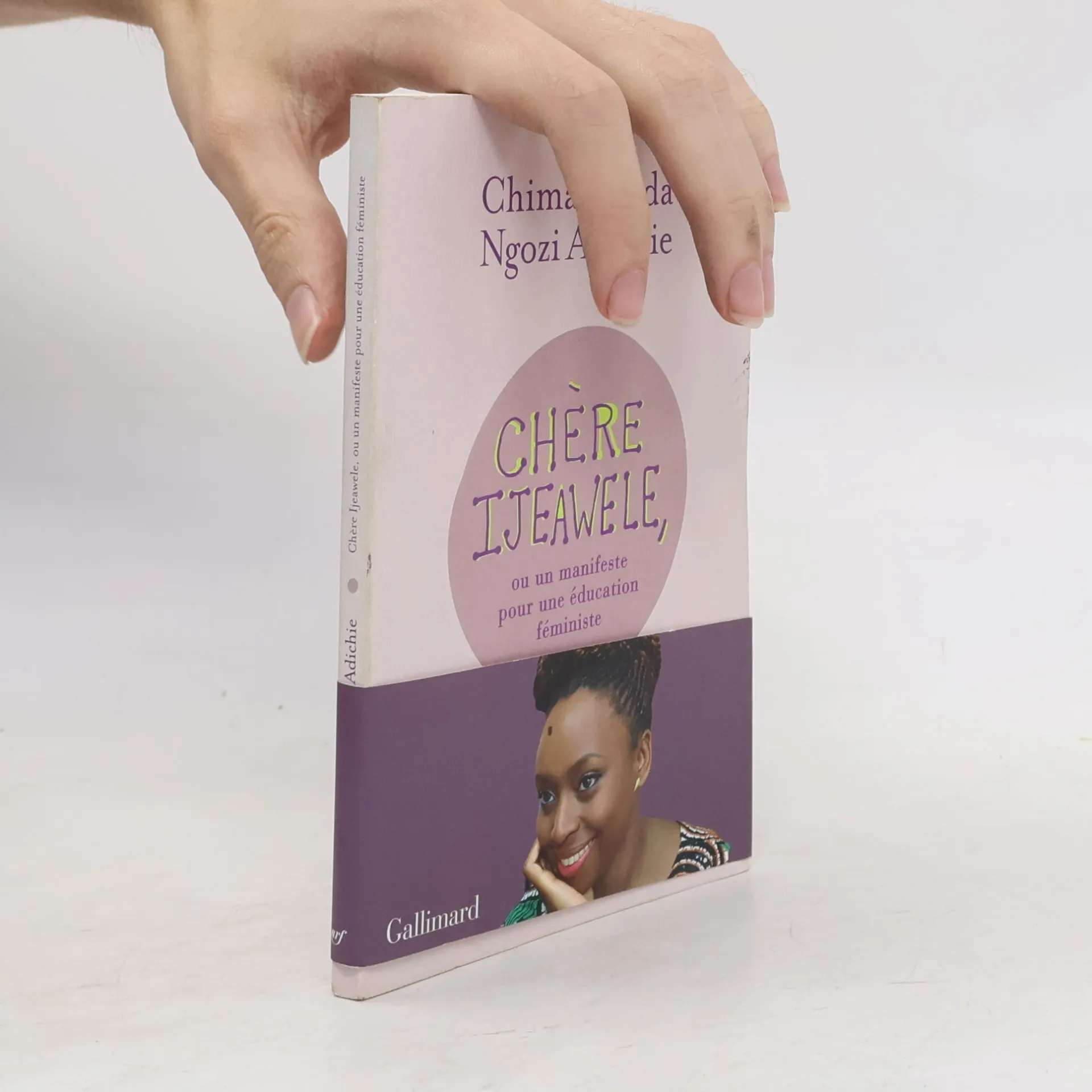
Chère Ijeawele, Chimamanda Ngozi Adichie
- Langue

- Année de publication
- 2017
- Reliure
- (souple)
Modes de paiement
Il manque plus que ton avis ici.
- Titre
- Chère Ijeawele
- Sous-titre
- Un manifeste pour une éducation féministe (French Edition)
- Langue
- Français
- Auteurs
- Chimamanda Ngozi Adichie
- Éditeur
- Gallimard
- Publié
- 2017
- Format
- souple
- Pages
- 84
- ISBN10
- 2072721970
- ISBN13
- 9782072721977
- Séries
- Catégories
- Mots clés
- Femmes, Cadeaux pour les dames, Cadeaux pour les messieurs, Féminisme, Afrique, Parentalité, Culture, Hommes, Droits des femmes, Nigéria
- Évaluation
- 4,6 sur 5
- Description
- From the best-selling author of Americanah and We Should All Be Feminists comes a powerful new statement about feminism today--written as a letter to a friend. A few years ago, Chimamanda Ngozi Adichie received a letter from a dear friend from childhood, asking her how to raise her baby girl as a feminist. Dear Ijeawele is Adichie's letter of response. Here are fifteen invaluable suggestions--compelling, direct, wryly funny, and perceptive--for how to empower a daughter to become a strong, independent woman. From encouraging her to choose a helicopter, and not only a doll, as a toy if she so desires; having open conversations with her about clothes, makeup, and sexuality; debunking the myth that women are somehow biologically arranged to be in the kitchen making dinner, and that men can "allow" women to have full careers, Dear Ijeawele goes right to the heart of sexual politics in the twenty-first century. It will start a new and urgently needed conversation about what it really means to be a woman today.