



En savoir plus sur le livre
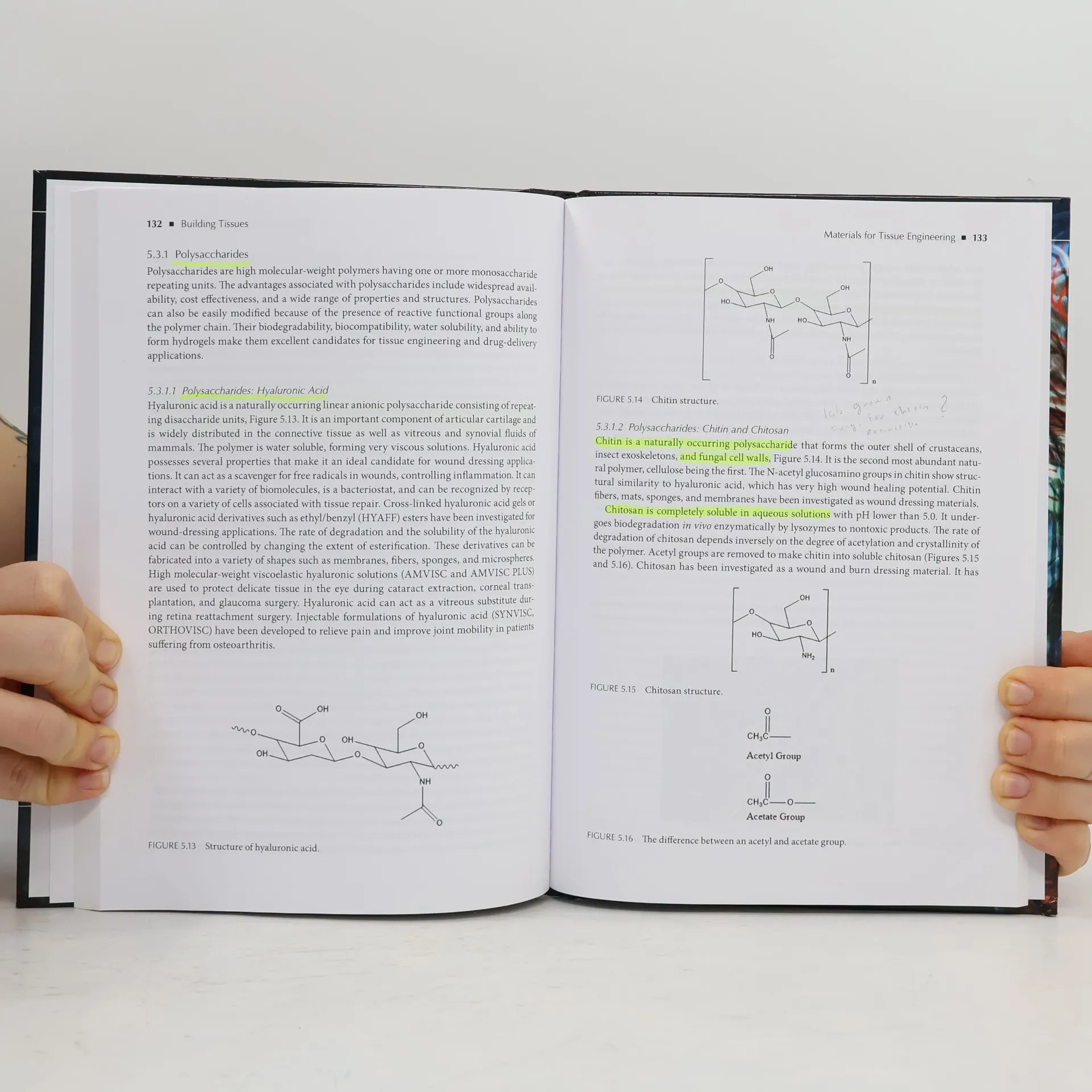
Tissue engineering combines biology and engineering to heal or create new tissues after injury or disease. A successful tissue engineer must understand cellular biology, cell signaling, extracellular matrix development, and tissue structure, alongside engineering principles like stresses and strains, mass transfer, mechanical properties, and heat transfer. This text aims to equip the next generation of tissue engineers with a solid foundation in both fields. Students will explore how engineering concepts integrate with biological understanding to address biomedical challenges. Key topics include definitions of engineering principles, practical applications of stress-strain relationships, material strength, mass transfer, and heat transfer. Through examples and problem-solving, students will apply engineering equations to real tissue engineering scenarios. They will be introduced to various cell and tissue types, gaining insights into how to use cells for developing new tissues. Additionally, students will learn to select appropriate materials for tissue replacement, emphasizing the importance of understanding mechanical properties and degradability before implantation. The text also covers how force application, material selection, and temperature changes influence cell behavior and tissue development, highlighting the direct link between tissue structure and its properties.
Achat du livre
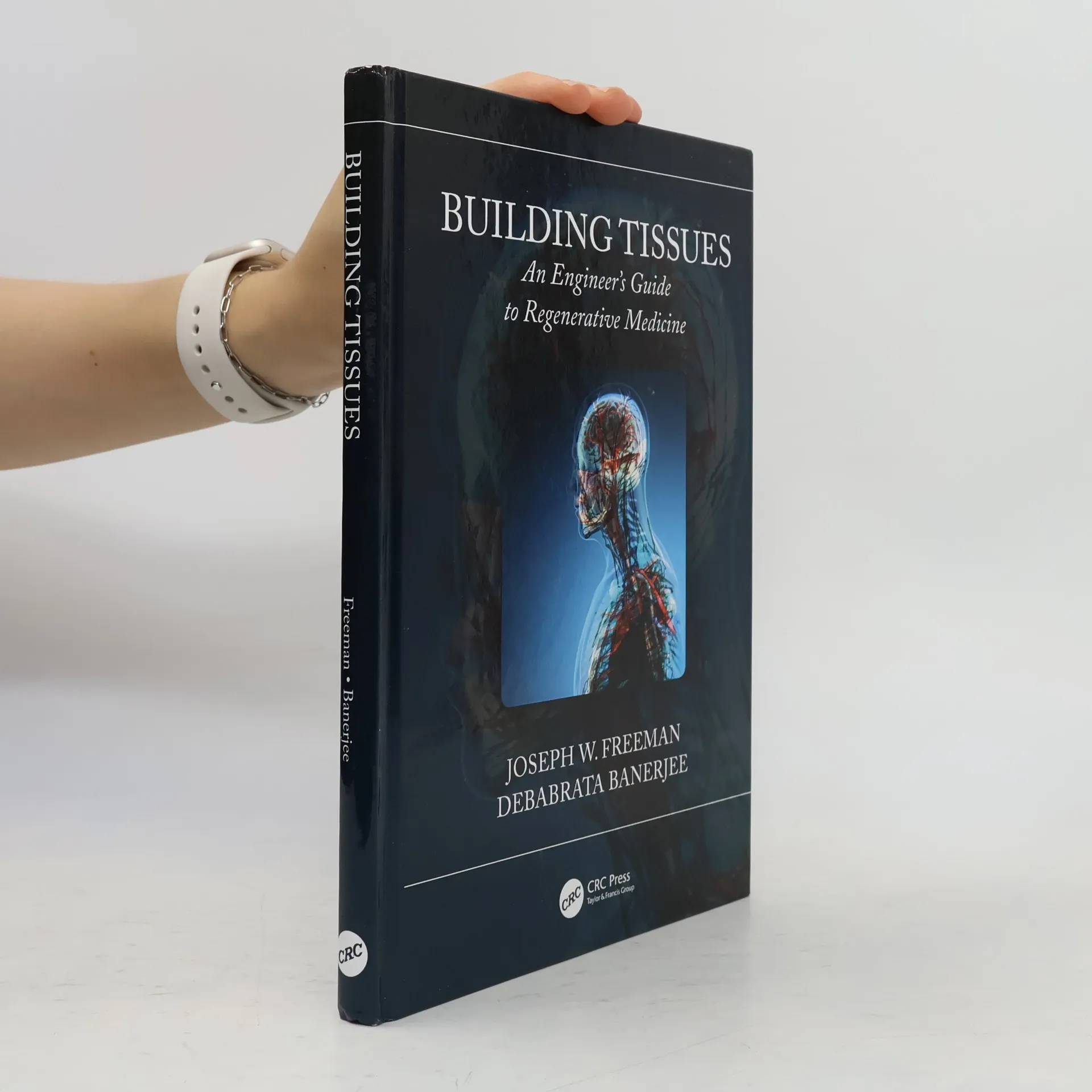
Building Tissues, Joseph W. Freeman, Debabrata Banerjee
- Langue

- Année de publication
- 2018
- Reliure
- (rigide),
- État du livre
- Abîmé
- Prix
- 60,76 €
Modes de paiement
Personne n'a encore évalué .
- Titre
- Building Tissues
- Sous-titre
- An Engineer's Guide to Regenerative Medicine
- Langue
- Anglais
- Auteurs
- Joseph W. Freeman, Debabrata Banerjee
- Éditeur
- CRC Press
- Publié
- 2018
- Format
- rigide
- Pages
- 215
- ISBN10
- 1498742807
- ISBN13
- 9781498742801
- Séries
- Mots clés
- Médecine, Technologie, Physiologie, Biotechnologie
- Description
- Tissue engineering combines biology and engineering to heal or create new tissues after injury or disease. A successful tissue engineer must understand cellular biology, cell signaling, extracellular matrix development, and tissue structure, alongside engineering principles like stresses and strains, mass transfer, mechanical properties, and heat transfer. This text aims to equip the next generation of tissue engineers with a solid foundation in both fields. Students will explore how engineering concepts integrate with biological understanding to address biomedical challenges. Key topics include definitions of engineering principles, practical applications of stress-strain relationships, material strength, mass transfer, and heat transfer. Through examples and problem-solving, students will apply engineering equations to real tissue engineering scenarios. They will be introduced to various cell and tissue types, gaining insights into how to use cells for developing new tissues. Additionally, students will learn to select appropriate materials for tissue replacement, emphasizing the importance of understanding mechanical properties and degradability before implantation. The text also covers how force application, material selection, and temperature changes influence cell behavior and tissue development, highlighting the direct link between tissue structure and its properties.