


Paramètres
- 375pages
- 14 heures de lecture
En savoir plus sur le livre
For six years, Stephanie Nolen has traced AIDS across Africa, offering a uniquely human portrait of the continent in crisis. Through compelling, anecdotal stories, she brings to life the experiences of men, women, and children involved in every aspect of the epidemic, which surpasses the Black Plague in scope. Nolen emphasizes the importance of understanding the impact of this crisis. Her firsthand accounts include riding with truck driver Mohammed Ali across Kenya, following fourteen-year-old Ethiopian orphan Tigist Haile Michael as she navigates life on the streets of Addis Ababa, chronicling the efforts of Alice Kadzanja, an HIV-positive nurse in Malawi, and interviewing Nelson Mandela's family about their struggles with loss due to AIDS. These narratives reveal how the disease spreads, its connections to conflict and famine, and the cultural devastation it causes. Nolen highlights the challenges faced by those unable to access treatment, showcasing their courage and dignity in the fight for survival. The magnitude of the epidemic is staggering, comparable to the combined populations of New York, Chicago, and Los Angeles infected with HIV. With power and simplicity, Nolen compels us to listen, understand, and care, making this work essential for anyone concerned about humanity's future.


Achat du livre
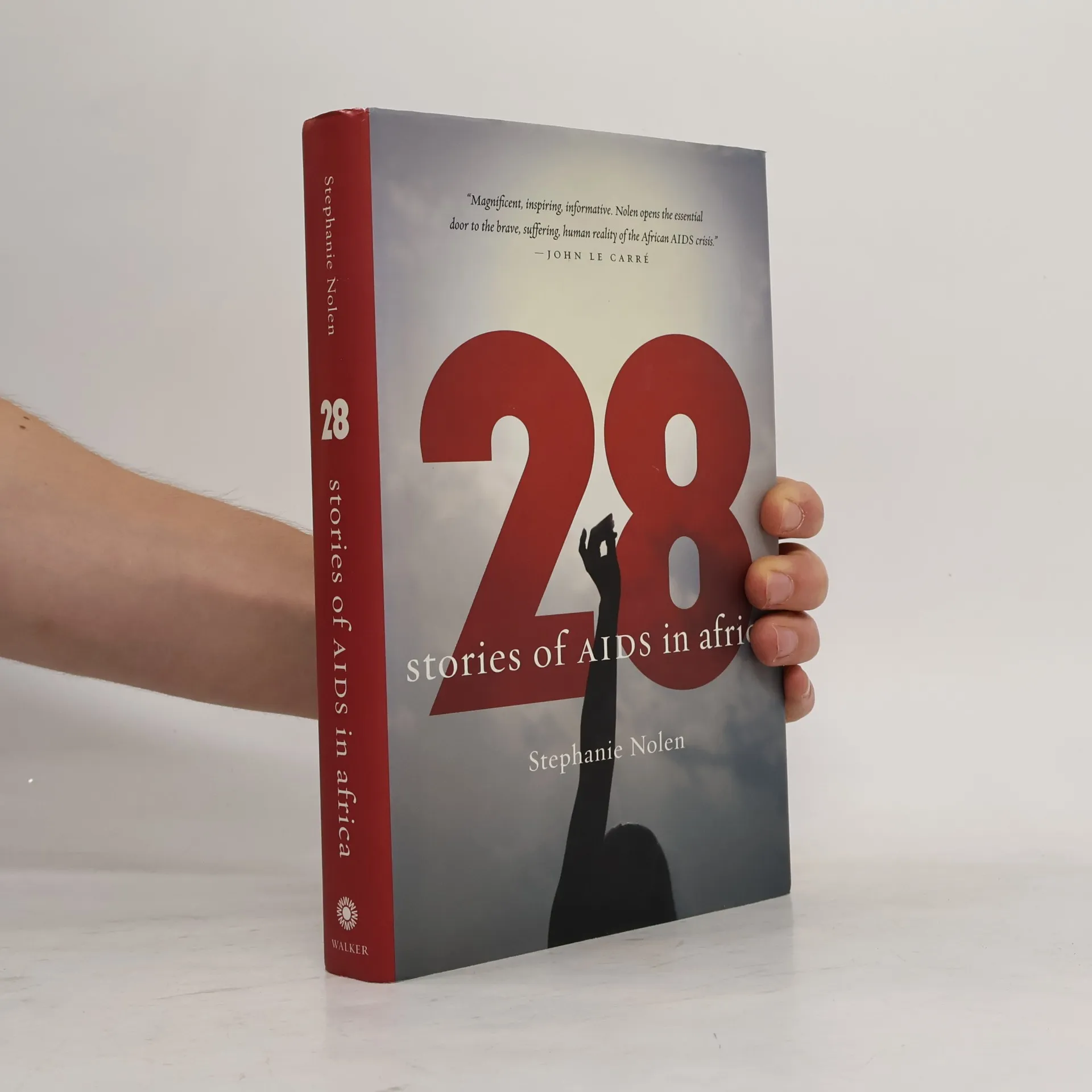
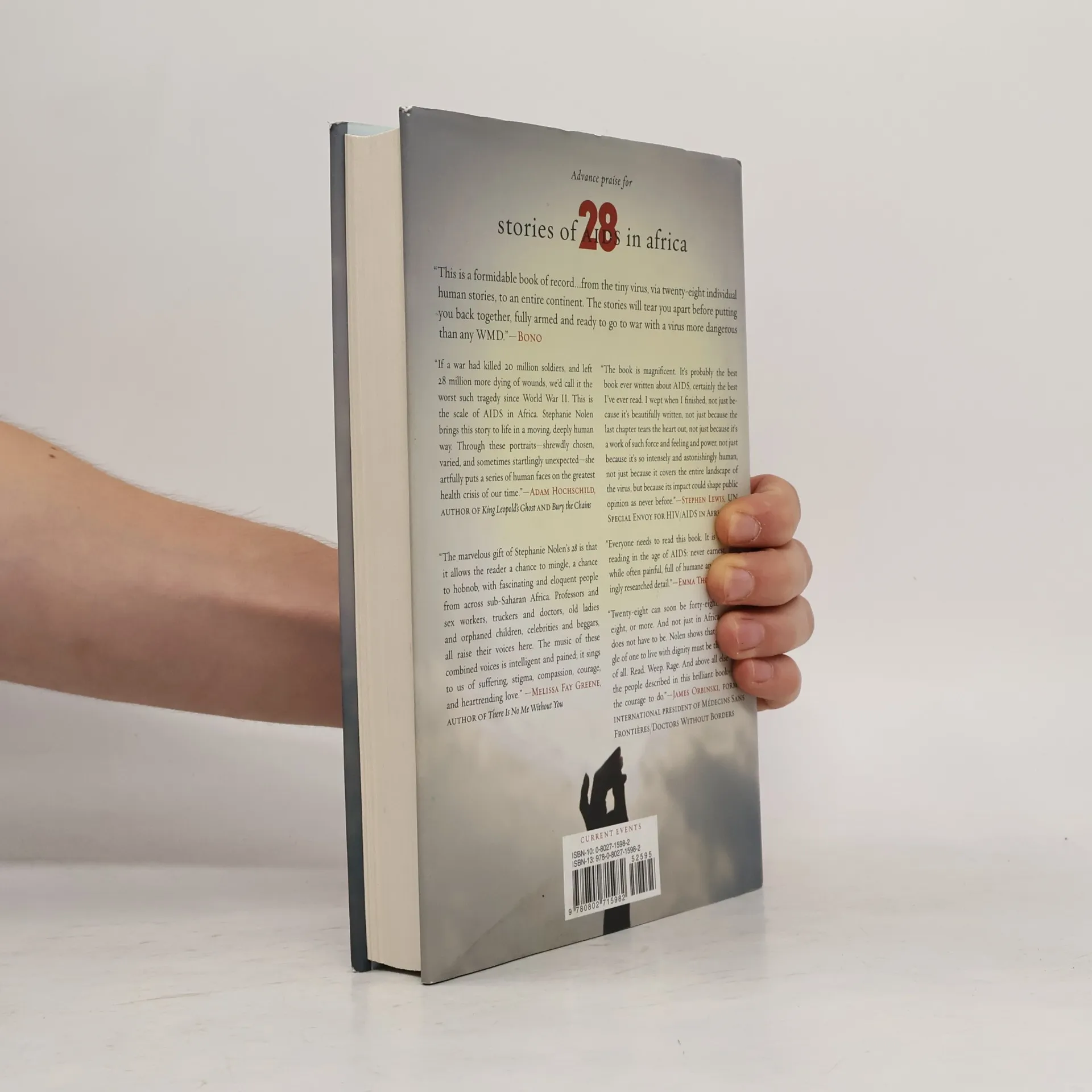
28, Stephanie Nolen
- Langue

- Année de publication
- 2007
- Reliure
- (rigide),
- État du livre
- Bon
- Prix
- 5,69 €
Modes de paiement
Il manque plus que ton avis ici.
- Titre
- 28
- Sous-titre
- Stories of AIDS in Africa
- Langue
- Anglais
- Auteurs
- Stephanie Nolen
- Éditeur
- Walker Books
- Publié
- 2007
- Format
- rigide
- Pages
- 375
- ISBN10
- 0802715982
- ISBN13
- 9780802715982
- Séries
- Catégories
- Évaluation
- 4 sur 5
- Description
- For six years, Stephanie Nolen has traced AIDS across Africa, offering a uniquely human portrait of the continent in crisis. Through compelling, anecdotal stories, she brings to life the experiences of men, women, and children involved in every aspect of the epidemic, which surpasses the Black Plague in scope. Nolen emphasizes the importance of understanding the impact of this crisis. Her firsthand accounts include riding with truck driver Mohammed Ali across Kenya, following fourteen-year-old Ethiopian orphan Tigist Haile Michael as she navigates life on the streets of Addis Ababa, chronicling the efforts of Alice Kadzanja, an HIV-positive nurse in Malawi, and interviewing Nelson Mandela's family about their struggles with loss due to AIDS. These narratives reveal how the disease spreads, its connections to conflict and famine, and the cultural devastation it causes. Nolen highlights the challenges faced by those unable to access treatment, showcasing their courage and dignity in the fight for survival. The magnitude of the epidemic is staggering, comparable to the combined populations of New York, Chicago, and Los Angeles infected with HIV. With power and simplicity, Nolen compels us to listen, understand, and care, making this work essential for anyone concerned about humanity's future.