

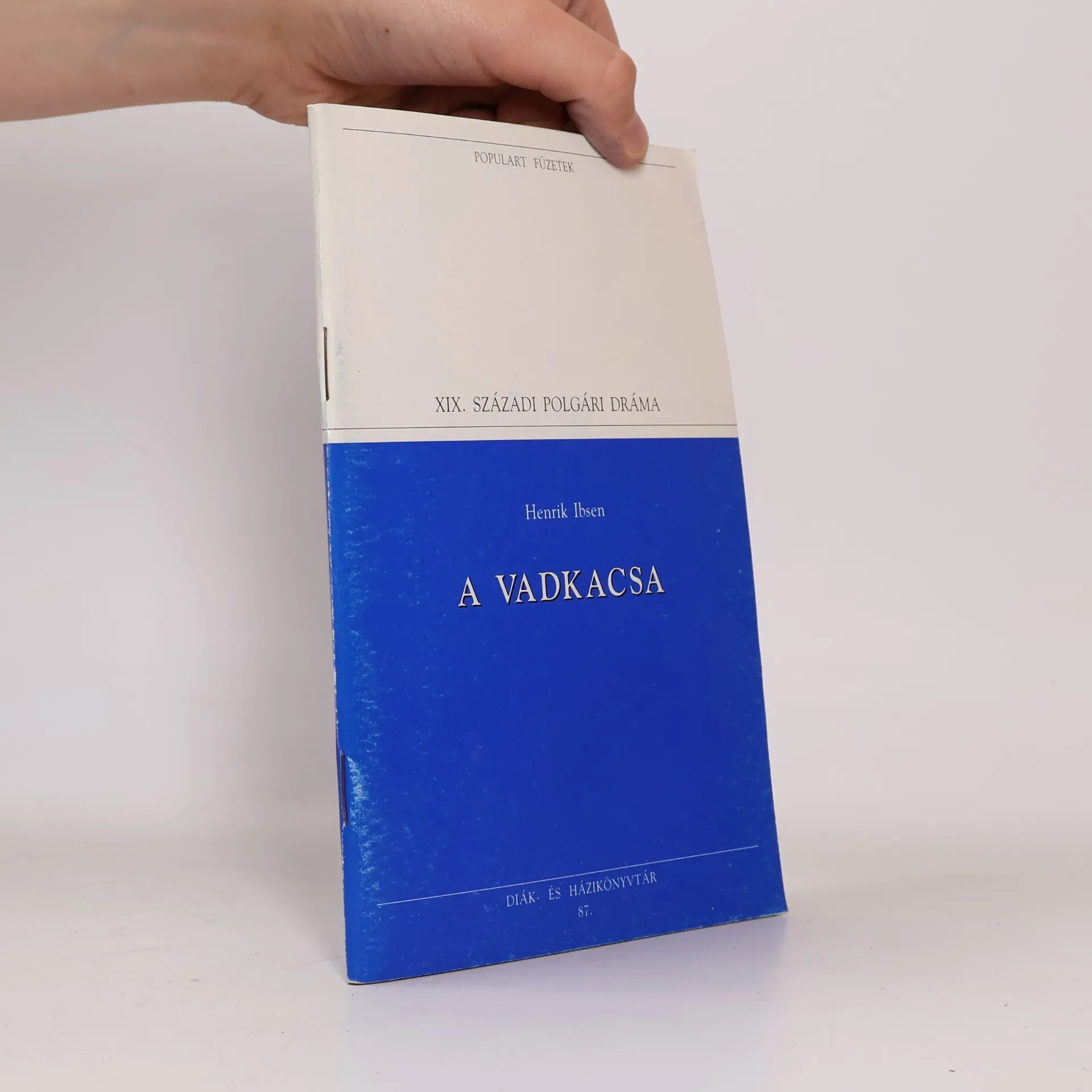
Diák- és Házikönyvtár - 87: A vadkacsa
XIX. századi polgári dráma
Auteurs
Évaluation du livre
En savoir plus sur le livre
This 1884 masterpiece may have had its genesis in the hostile reception Ibsen — widely regarded as the father of modern realist drama — had received from the Norwegian public and critics for “Ghosts”, which gave theater-goers a larger dose of truth than most were willing to bear. His next three plays — "The Wild Duck", "An Enemy of the People", and "Rosmersholm" — focused on the consequences of telling the truth, or forbearing to do so. In "The Wild Duck", the idealistic son of a corrupt merchant exposes his father's duplicity, but in the process destroys the very people he wishes to save. Convinced that reality is always superior to illusion, Gregers Werle forces his friends, the Ekdals, to face the truth about their lives. Unfortunately, the truth, involving scandal, illegitimacy, imprisonment, and madness, only serves to wound the Ekdals further. In the play, the wild duck is a symbol of this injured family, and perhaps of the loss of Ibsen's youthful idealism. Moving and powerful, this thought-provoking tragedy shows clearly why Ibsen is regarded as one of the giants of modern theater.


Achat du livre
Diák- és Házikönyvtár - 87: A vadkacsa, Henrik Ibsen, Bart István
- Langue

- Année de publication
- 1996
- Reliure
- (souple),
- État du livre
- Bon
- Prix
- 0,39 €
Modes de paiement
Il manque plus que ton avis ici.
- Titre
- Diák- és Házikönyvtár - 87: A vadkacsa
- Sous-titre
- XIX. századi polgári dráma
- Langue
- Hongrois
- Auteurs
- Henrik Ibsen, Bart István
- Éditeur
- Interpopulart
- Publié
- 1996
- Format
- souple
- Pages
- 112
- ISBN10
- 9636131406
- ISBN13
- 9789636131401
- Séries
- Catégories
- Mots clés
- Thème historique, Famille, L'école, Mort, Cadeaux pour papy, 19e siècle, Pièces de théâtre, Littérature nordique, Intrigues, Suicide, Mensonges, Culpabilité, Littérature norvégienne
- Première publication
- 1899
- Titre original
- Vildanden
- Évaluation
- 3,65 sur 5
- Description
- This 1884 masterpiece may have had its genesis in the hostile reception Ibsen — widely regarded as the father of modern realist drama — had received from the Norwegian public and critics for “Ghosts”, which gave theater-goers a larger dose of truth than most were willing to bear. His next three plays — "The Wild Duck", "An Enemy of the People", and "Rosmersholm" — focused on the consequences of telling the truth, or forbearing to do so. In "The Wild Duck", the idealistic son of a corrupt merchant exposes his father's duplicity, but in the process destroys the very people he wishes to save. Convinced that reality is always superior to illusion, Gregers Werle forces his friends, the Ekdals, to face the truth about their lives. Unfortunately, the truth, involving scandal, illegitimacy, imprisonment, and madness, only serves to wound the Ekdals further. In the play, the wild duck is a symbol of this injured family, and perhaps of the loss of Ibsen's youthful idealism. Moving and powerful, this thought-provoking tragedy shows clearly why Ibsen is regarded as one of the giants of modern theater.