



En savoir plus sur le livre
South-South Cooperation has significantly evolved since the Buenos Aires Declaration of 1978. By 2010, the UN estimated global SSC volumes at approximately US$15 billion, still smaller than the US$130 billion in Official Development Assistance from developed nations, yet a marked increase from three decades prior. As the economic influence of Southern actors grows, their role in development cooperation is set to expand. These countries must navigate key questions: Will they prioritize genuine development objectives over their own economic and geopolitical interests? Are they willing to mobilize public resources for global public goods like climate stability, either through transfers to developing nations or contributions to international organizations? Will they limit political dialogue to their own group or endorse a universal framework for global governance? The UN's post-2015 development negotiations present an opportunity for Southern players to address these issues and define their roles. The urgency of global challenges requires comprehensive contributions from rising powers and middle-income countries committed to common but differentiated responsibilities. As SSC has advanced, many emerging countries have sought to systematize their development cooperation frameworks. This volume examines the efforts of nine middle-income countries, from well-known players like China to the lesser-known initiatives of Colombia and Indo
Achat du livre
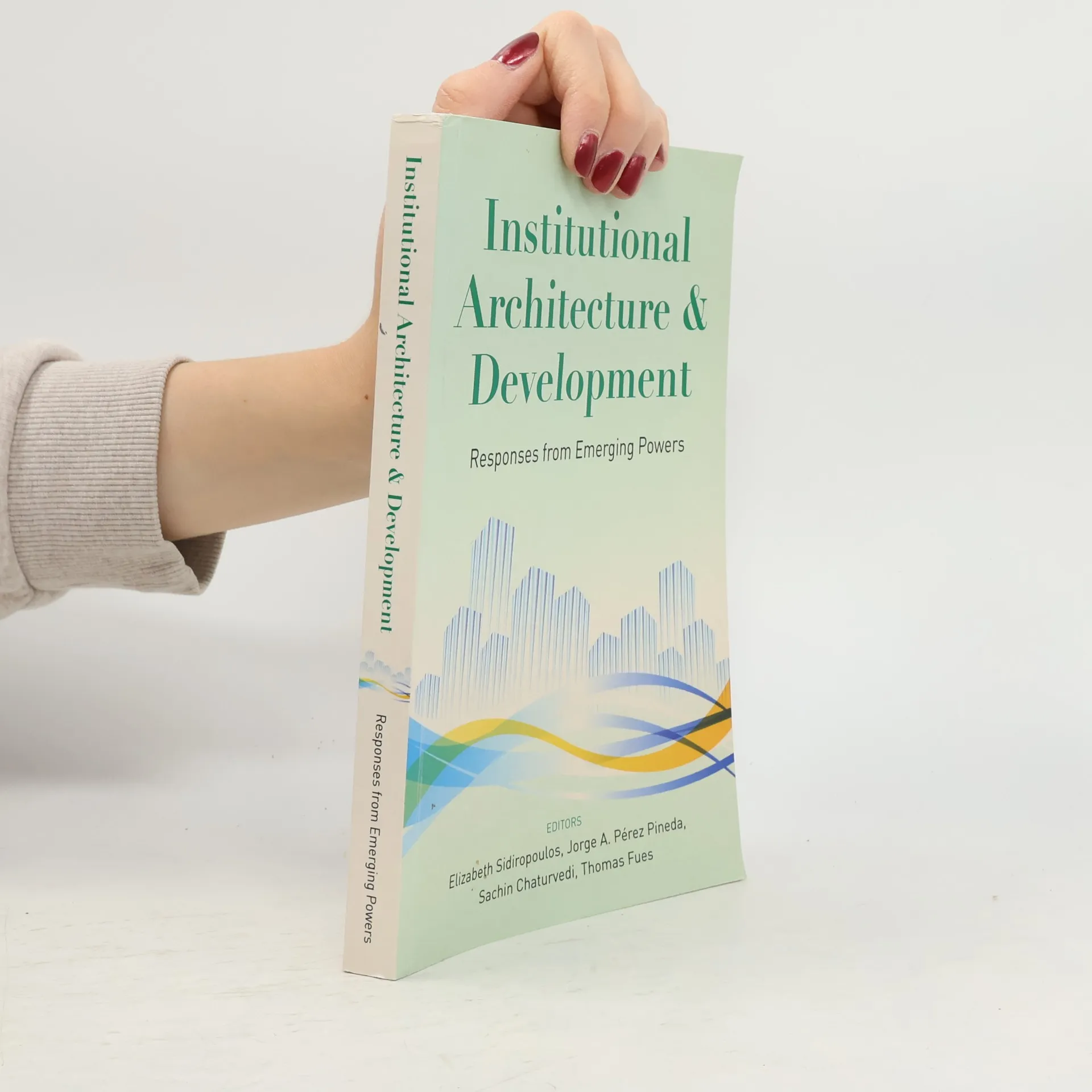
Institutional Architecture & Development, Elizabeth Sidiropoulos, Thomas Fues, Sachin Chaturvedi, Jorge A. Pérez Pineda
- Langue

- Année de publication
- 2015
- Reliure
- (souple),
- État du livre
- Bon
- Prix
- 17,99 €
Modes de paiement
Personne n'a encore évalué .
- Titre
- Institutional Architecture & Development
- Sous-titre
- Responses from Emerging Powers
- Langue
- Anglais
- Publié
- 2015
- Format
- souple
- ISBN10
- 1431422215
- ISBN13
- 9781431422210
- Séries
- Mots clés
- Description
- South-South Cooperation has significantly evolved since the Buenos Aires Declaration of 1978. By 2010, the UN estimated global SSC volumes at approximately US$15 billion, still smaller than the US$130 billion in Official Development Assistance from developed nations, yet a marked increase from three decades prior. As the economic influence of Southern actors grows, their role in development cooperation is set to expand. These countries must navigate key questions: Will they prioritize genuine development objectives over their own economic and geopolitical interests? Are they willing to mobilize public resources for global public goods like climate stability, either through transfers to developing nations or contributions to international organizations? Will they limit political dialogue to their own group or endorse a universal framework for global governance? The UN's post-2015 development negotiations present an opportunity for Southern players to address these issues and define their roles. The urgency of global challenges requires comprehensive contributions from rising powers and middle-income countries committed to common but differentiated responsibilities. As SSC has advanced, many emerging countries have sought to systematize their development cooperation frameworks. This volume examines the efforts of nine middle-income countries, from well-known players like China to the lesser-known initiatives of Colombia and Indo