Bookbot

Trilogie du Peuple

Cette série explore les périodes déchirantes de l'histoire moderne, en se concentrant particulièrement sur le passé tumultueux de la Chine. Elle examine méticuleusement les conséquences dévastatrices des idéologies politiques radicales sur la vie des citoyens ordinaires. Les œuvres se caractérisent par une recherche historique rigoureuse, dévoilant des histoires incalculables et soulignant l'importance de se souvenir de ces événements catastrophiques pour prévenir de futures tragédies.

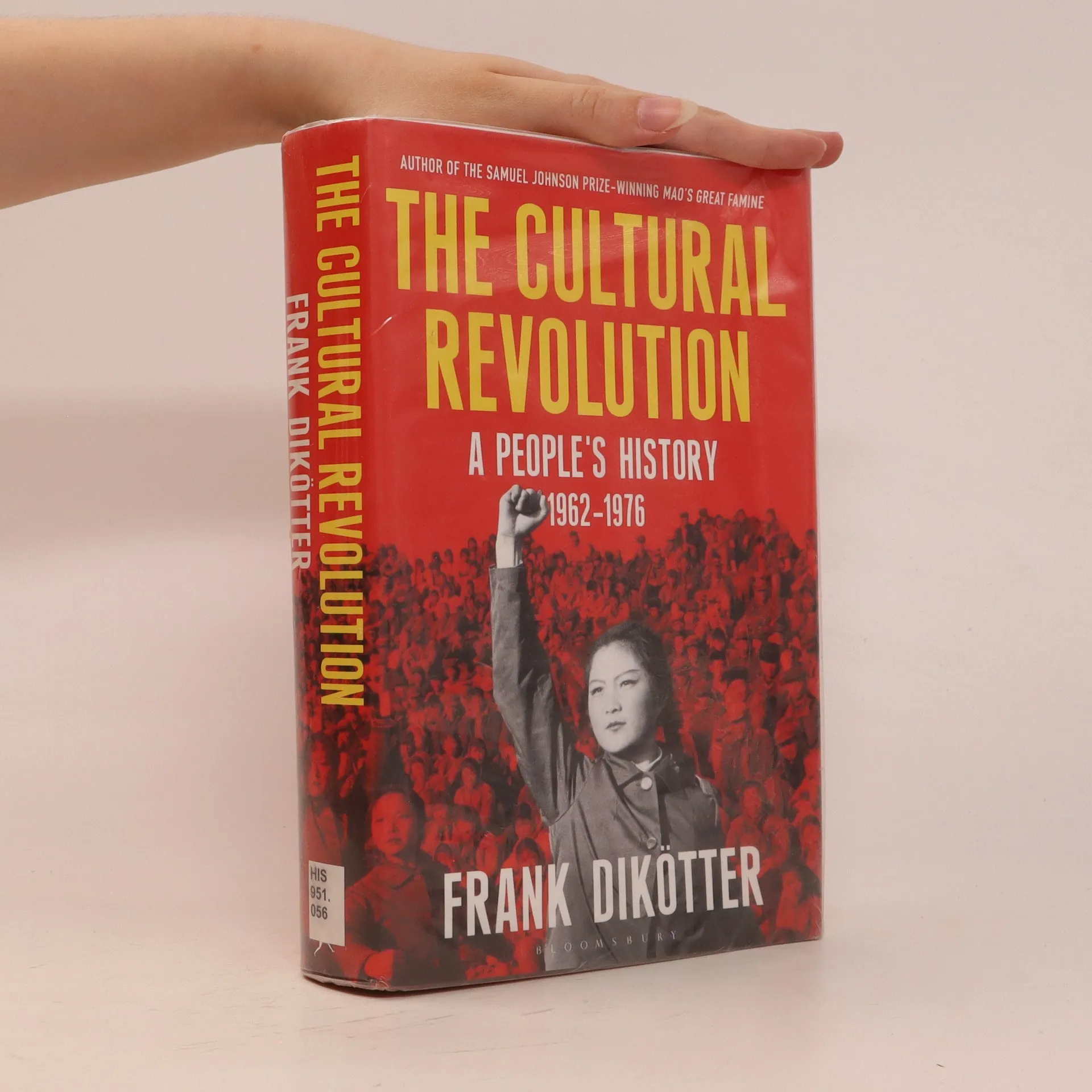
The Cultural Revolution: A People's History, 1962-1976
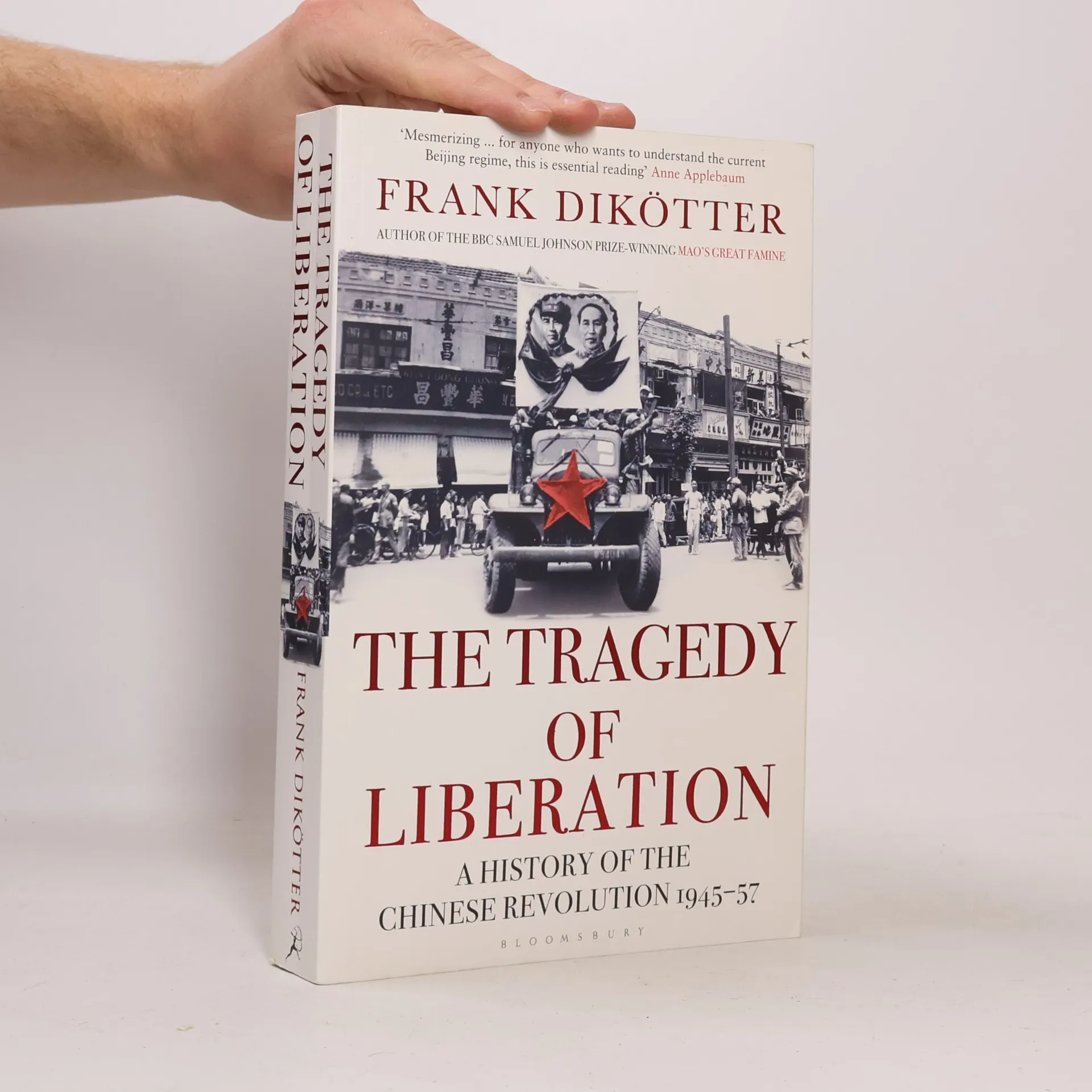
The Tragedy of Liberation
Mao's Great Famine

Ordre de lecture recommandé

  1. Mao's Great Famine

    • 448pages
    • 16 heures de lecture

    Winner of the BBC Samuel Johnson Prize for Non-Fiction 2011 Between 1958 and 1962, 45 million Chinese people were worked, starved or beaten to death. Mao Zedong threw his country into a frenzy with the Great Leap Forward, an attempt to catch up with and overtake the Western world in less than fifteen years. It lead to one of the greatest catastrophes the world has ever known. Dikotter's extraordinary research within Chinese archives brings together for the first time what happened in the corridors of power with the everyday experiences of ordinary people, giving voice to the dead and disenfranchised. This groundbreaking account definitively recasts the history of the People's Republic of China.
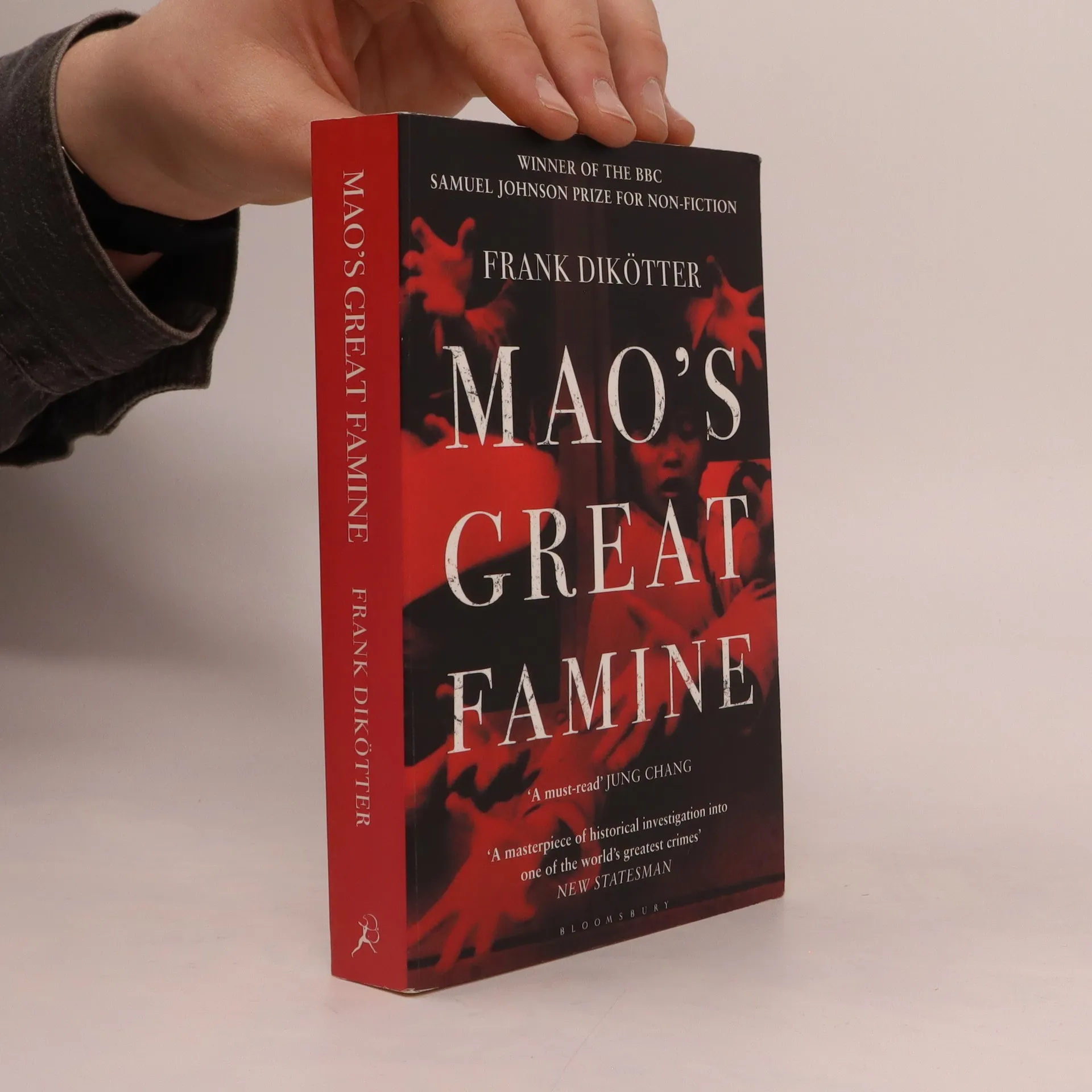
    Mao's Great Famine1
    4,2
  2. The Tragedy of Liberation

    A History of the Chinese Revolution 1945-1957

    • 400pages
    • 14 heures de lecture

    The Chinese Communist Party refers to its 1949 victory as a ‘liberation,’ yet the reality is steeped in terror and violence. Frank Dikötter's chronicle of Mao Zedong’s rise reveals the grim truth behind the transformation of the Chinese populace into what the party termed New People. Following the defeat of Chiang Kai-shek, Mao raised the red flag over Beijing, initiating a Communist revolution that dismantled the old order. The subsequent eight years, leading to the catastrophic famine and Great Leap Forward, remain largely obscured due to the secrecy surrounding state records. Utilizing hundreds of previously classified documents, secret police reports, and firsthand accounts, this work uncovers a shocking, often untold history. Dikötter intertwines the experiences of ordinary citizens with the brutal politics of Mao’s inner circle, exposing the horrific policies enacted in the name of progress. Regardless of their support for the revolution, individuals were coerced into confessions and denunciations, creating a culture of fear. One victim described it as a “carefully cultivated Auschwitz of the mind.” With compelling narrative depth, this account serves as a vital document, honoring the millions lost and illuminating the roots of one of the most formidable regimes of the twenty-first century.

    The Tragedy of Liberation2
    4,1
  3. After the Great Leap Forward's devastating economic disaster from 1958 to 1962, an ageing Mao sought to restore his reputation and eliminate perceived threats to his legacy through the Cultural Revolution. Officially aimed at purging bourgeois, capitalist elements, the movement also targeted Mao's own colleagues, subjecting many to public humiliation, imprisonment, and torture. Young students, forming Red Guards, pledged unwavering loyalty to Mao, but soon rival factions clashed violently in the streets over revolutionary purity. As chaos engulfed the nation, the military intervened, establishing a garrison state marked by brutal purges affecting as many as one in fifty people. When the army itself became a target, ordinary citizens exploited the turmoil to challenge the party's ideology, effectively burying Maoism. Through in-depth interviews and archival research, the author reveals the complex choices faced by individuals, contradicting the notion of conformity that often characterizes this era. By illustrating how grassroots decollectivization emerged from a decade of violence and fear, this work offers a fresh perspective on China's most tumultuous period. Utilizing previously classified party documents, it serves as a powerful reassessment of the People's Republic of China’s history.

    The Cultural Revolution: A People's History, 1962-19763
    4,1