Exploring the origins of genius and creativity, this book delves into the various factors that influence these traits. It analyzes the interplay between individual talent, environmental conditions, and cultural influences, providing insights into how creativity can be nurtured and harnessed. Through a blend of research and real-life examples, the work offers a comprehensive understanding of the elements that contribute to exceptional creative achievements.
H. J. Eysenck Livres
4 mars 1916 – 4 septembre 1997
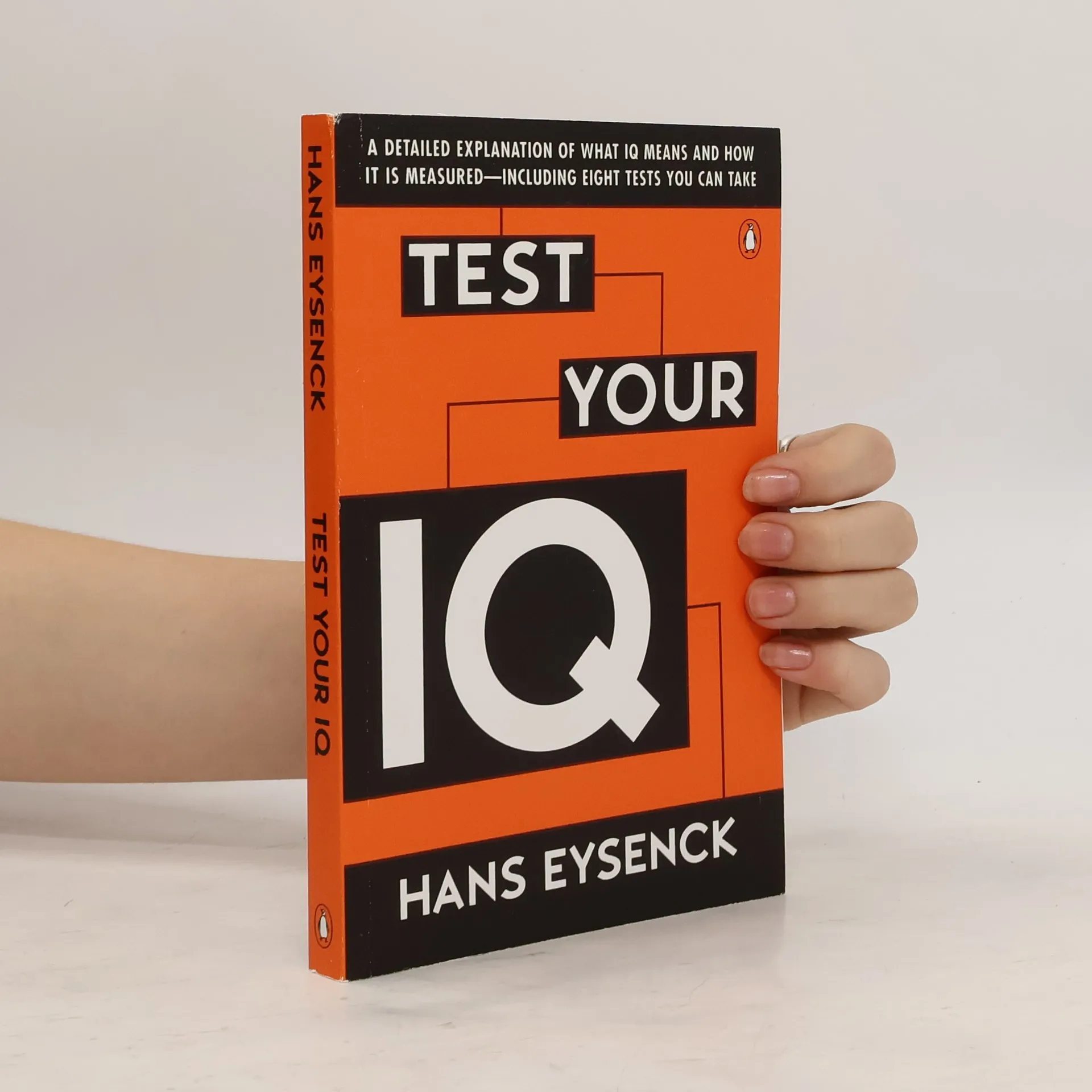

Test Your IQ
A Detailed Explanation of What IQ Means and How It Is Measured--Including Eight Tests You Can Take
- 228pages
- 8 heures de lecture
A detailed explanation of what IQ means and how it is measured – including eight tests you can take! In Test Your IQ, Professor Hans Eysenck, the world-renowned expert on IQ testing, presents an introduction to the meaning, significance, and measurement of intelligence testing that sheds light on the controversy surrounding IQ scores. Is intelligence inherent or is it learned? Does a person’s genetic makeup and ethnic origin have any significance in the intelligence testing? Test your IQ and find your own answers to the controversy with eight sets of tests designed especially for this book. Answers to the tests and a graph to convert your results into an IQ score will reveal if you’re above average—or maybe even a genius!
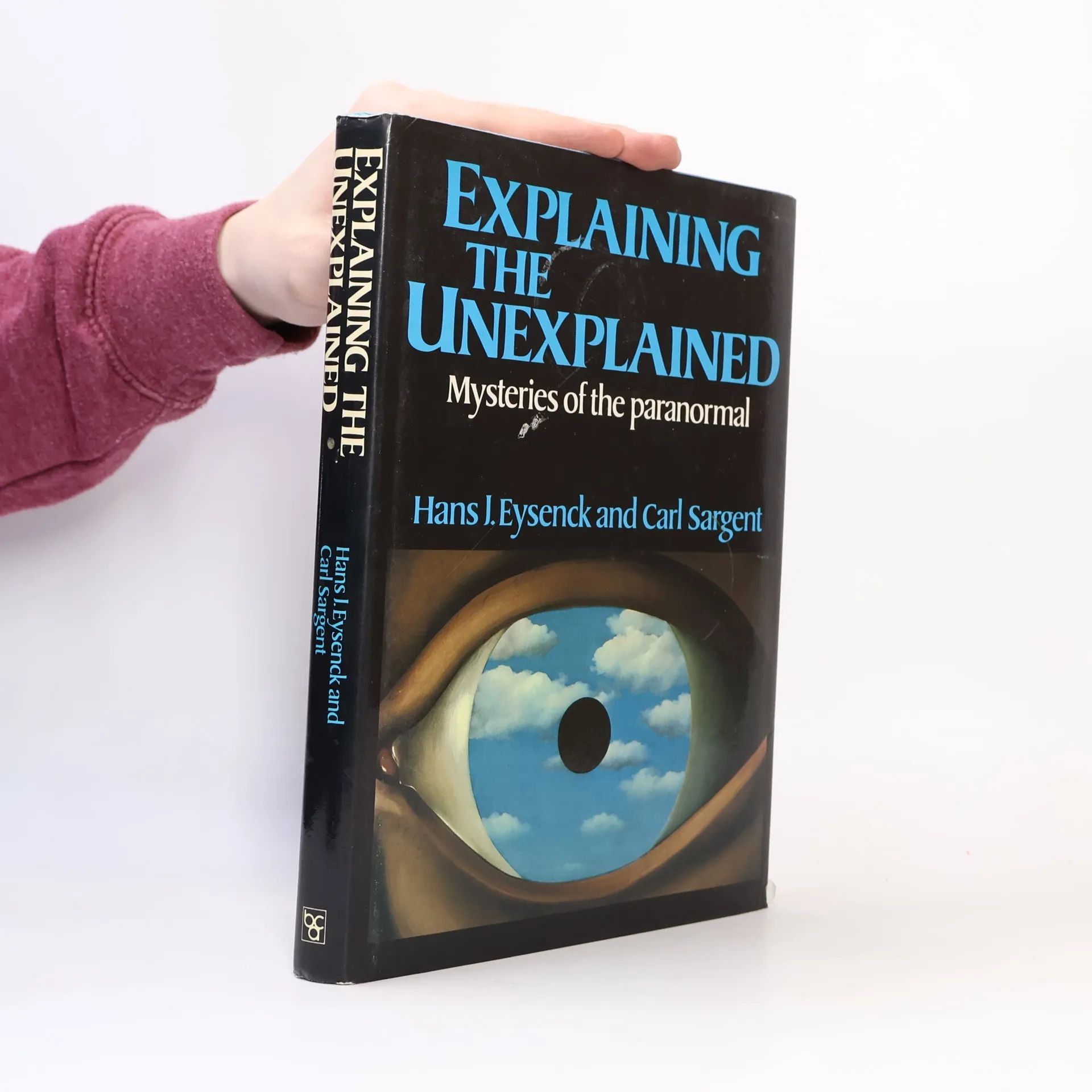
Over 75 per cent of the population believes in ESP (extra-sensory preception), and a majority in precognition. Reports of apparitions, of telepathy, and other strange phenomena have been rife since antiquity. Science has made such staggering advances in explaining the world around us that paranormal events - those that seem to contradict scientific laws - appear all the more suspect. This book argues that these dismissive attitudes are fundamentally non-scientific. Where evidence for the paranormal exists, scientists have a responsibility to examine and evaluate that evidence. The authors of this book investigate poltergeists, the mystique and the powers of mediums and faith healers, and the effects of sensory deprivation, meditation and hypnosis on paranormal human abilities (psi). They also discuss the most recent findings concerning mind-over-matter experiments, life beyond death and the effects of personality, sex differences and the environment on the way that psi operates.
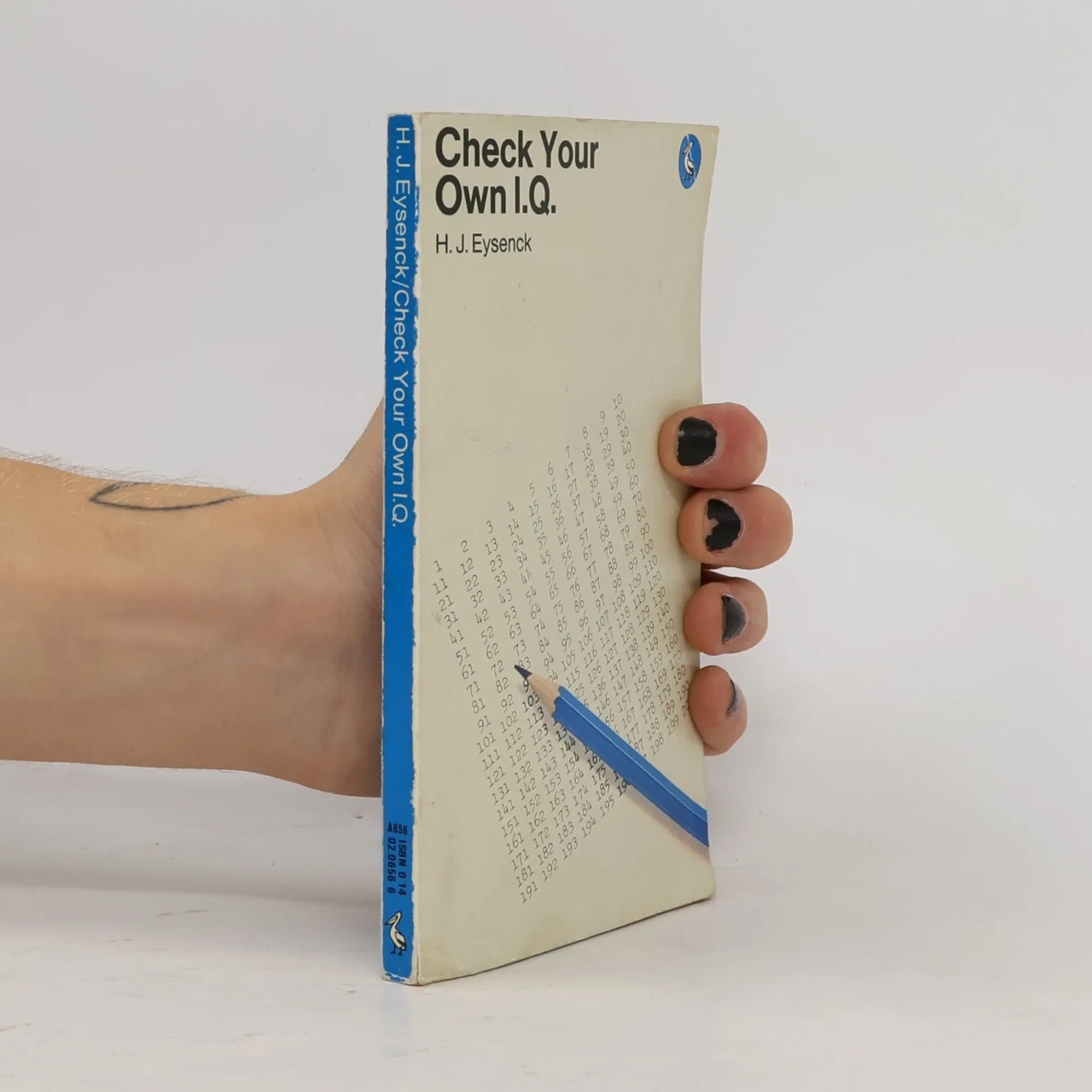
Pelican: Check Your Own I.Q.
- 192pages
- 7 heures de lecture
Know Your Own I.Q was a best-seller. It also provoked a mass of critical comment and correspondence. Some readers claimed that their answers were as goof as the accepted solution, while others complained that the book was a test of knowledge as much as intelligence. A few protested that it was all too easy. In this sequel Check Your Own I.Q. ,Prof. Eysenick answers these criticisms fully and provides five new tests of the standard (Omnibus) as a check. --from the back cover
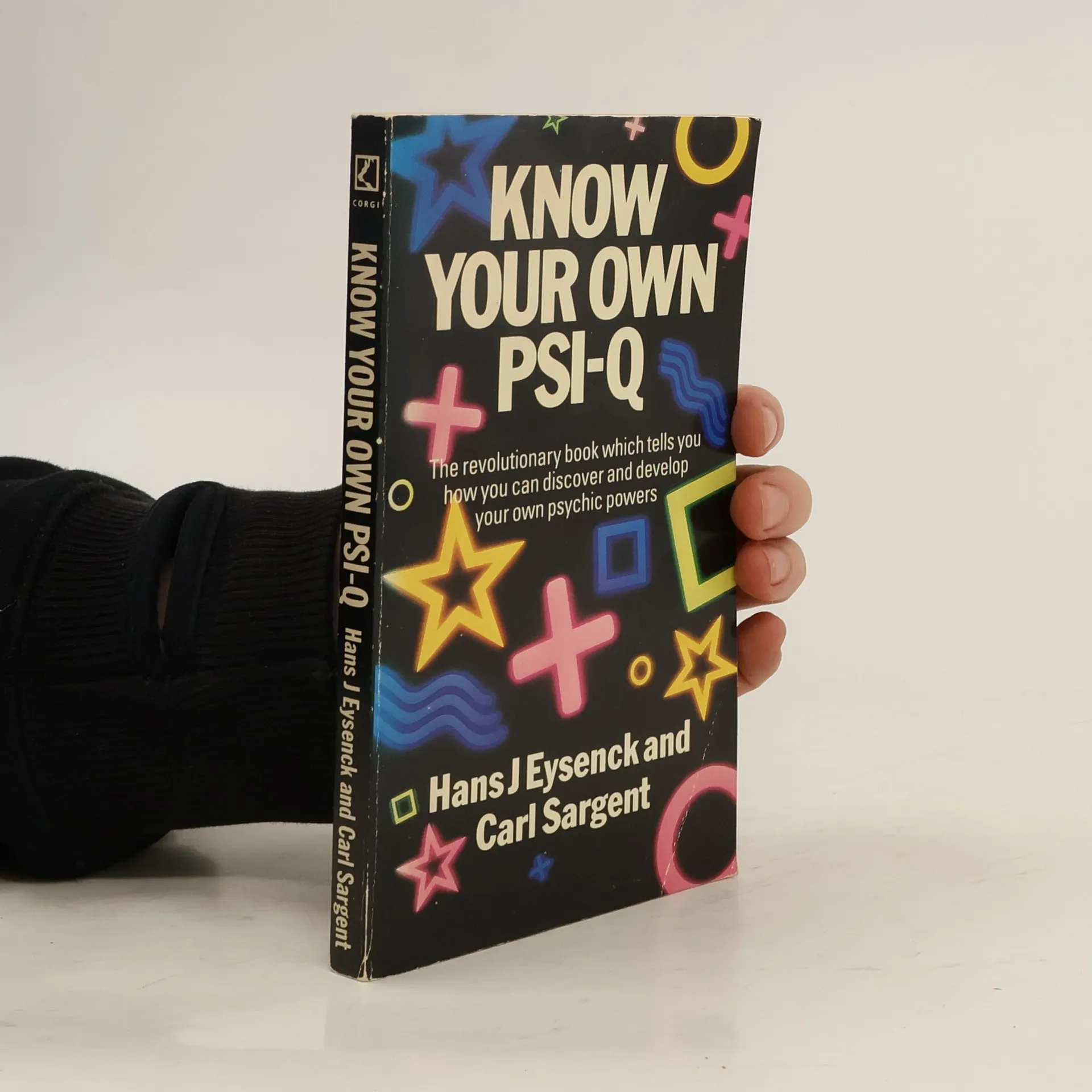
Know Your Own I.Q.
- 192pages
- 7 heures de lecture
Intelligence quotient, as a useful means of measuring brain capacity, has come increasingly into the public eye in recent years. This famous book (and its sequel "Check Your Own IQ") enables the reader to estimate and confirm his/her own IQ rating.
Uses and Abuses of Psychology
- 320pages
- 12 heures de lecture
Psychology occupies a somewhat ambiguous-place in the world today. Its findings are being widely applied in clinics, in industry, in education, and in the armed forces. At the same time, many intelligent people are critical of the alleged laws of human behavior discovered by psychologists, psychiatrists, and psychoanalysts, and doubtful about the applicability of scientific methods to the study of human beings. In this book, a well-known psychologist has tried to strike a balance, to indicate to what extent the claims made for his science are justified, and to what extent they fail to have any factual basis. The discussion is very fully documented by references to the most important and relevant researches carried out in this country and abroad. Topics dealt with are the testing of intelligence, selection procedures in schools and universities, vocational guidance and occupational selection, psychotherapy and its effects, national differences, racial intolerance, Gallup surveys, industrial productivity, and many others. In each case, psychological findings are submitted to a searching criticism, and a clear distinction made between those uses of psychology where enough is known to support social action, and those abuses where personal opinions rather than experimentally demonstrated fact seem to be involved.
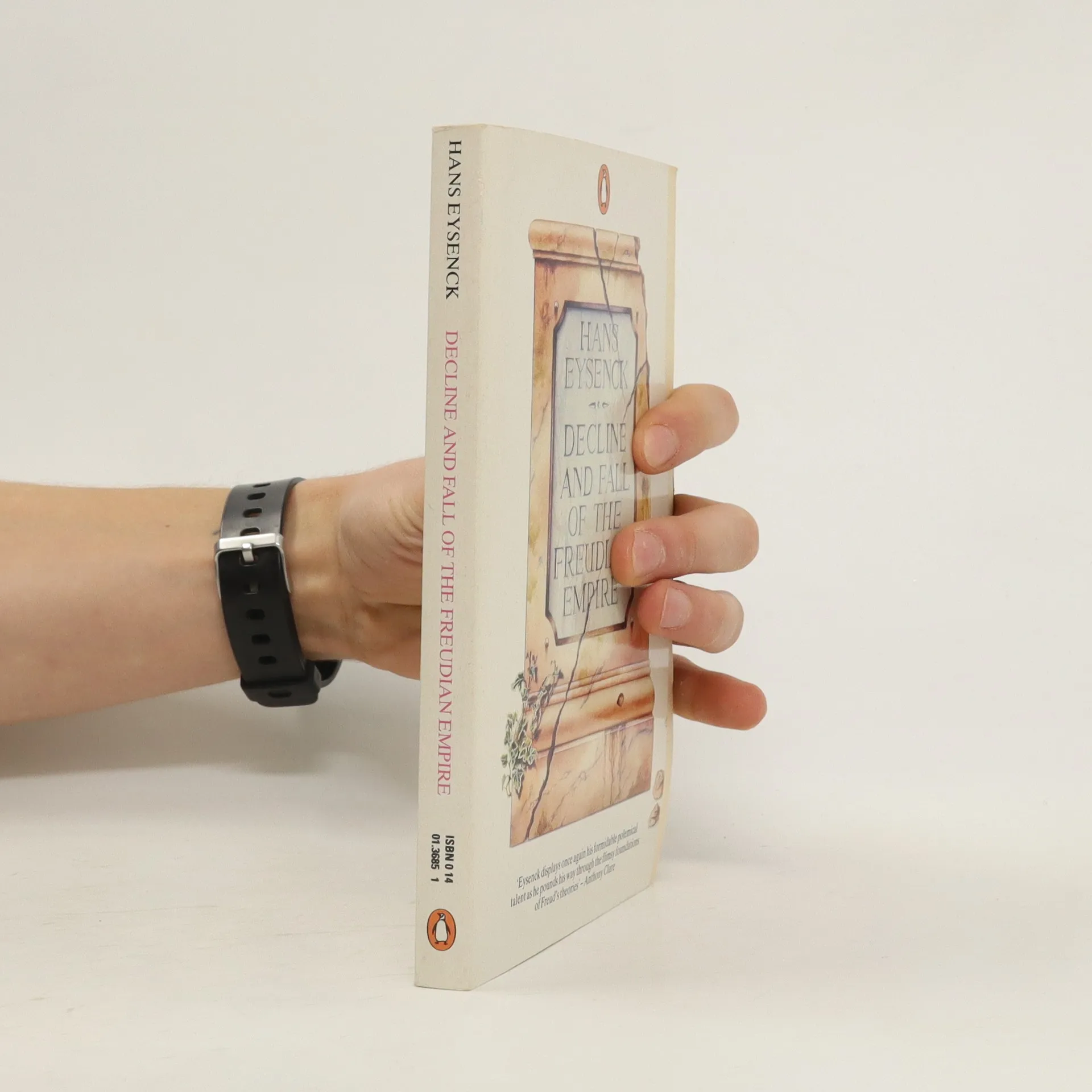
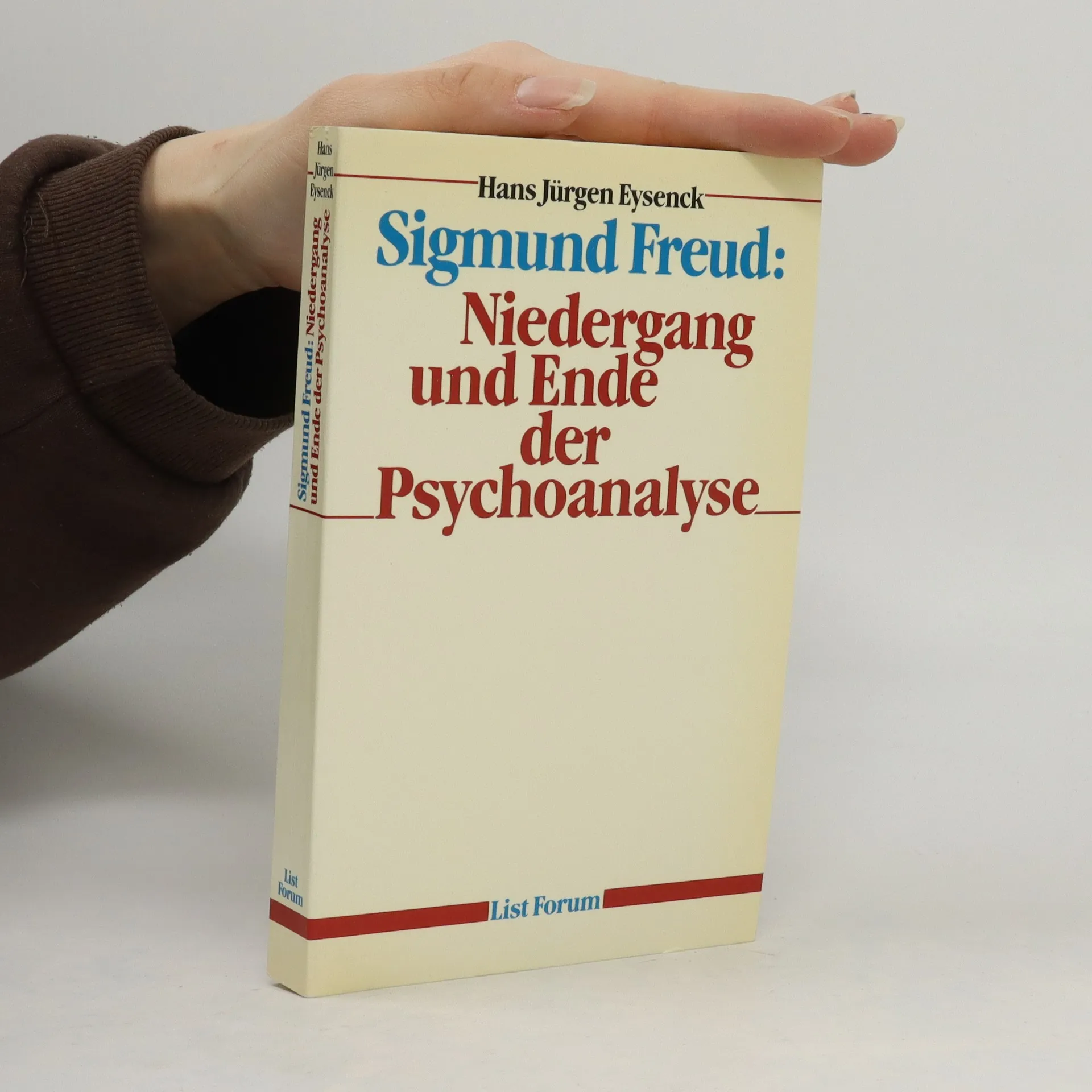
Hans Eysenck draws in his unrivalled knowledge of recent psychological research- and produces unanswerable evidence that we should now dismiss psychoanalysis as a pseudo-science. He explores the heroic myths Freud created about his own originality and the uncomprehending hostility he encountered- myths repeated to this day by credulous disciples.
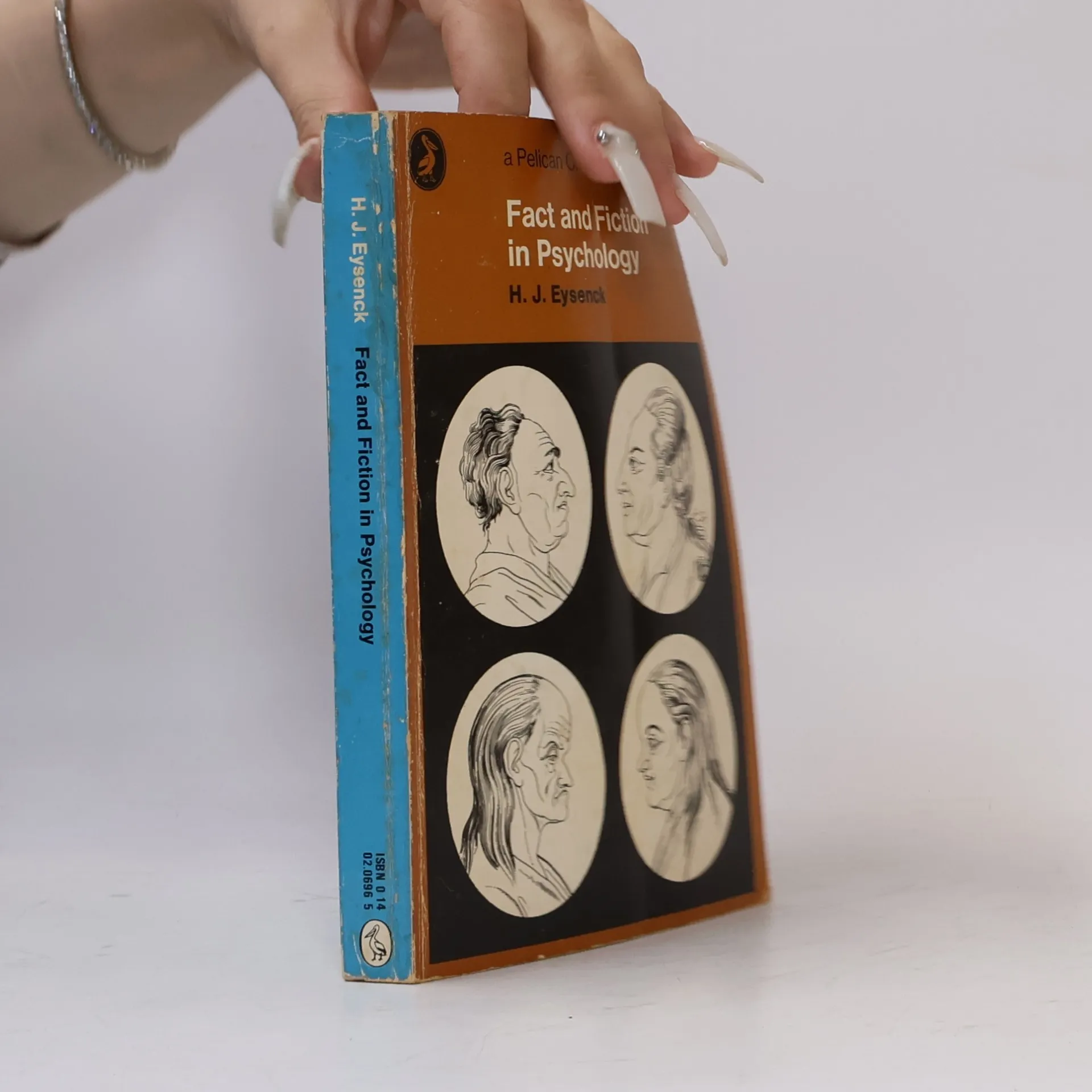
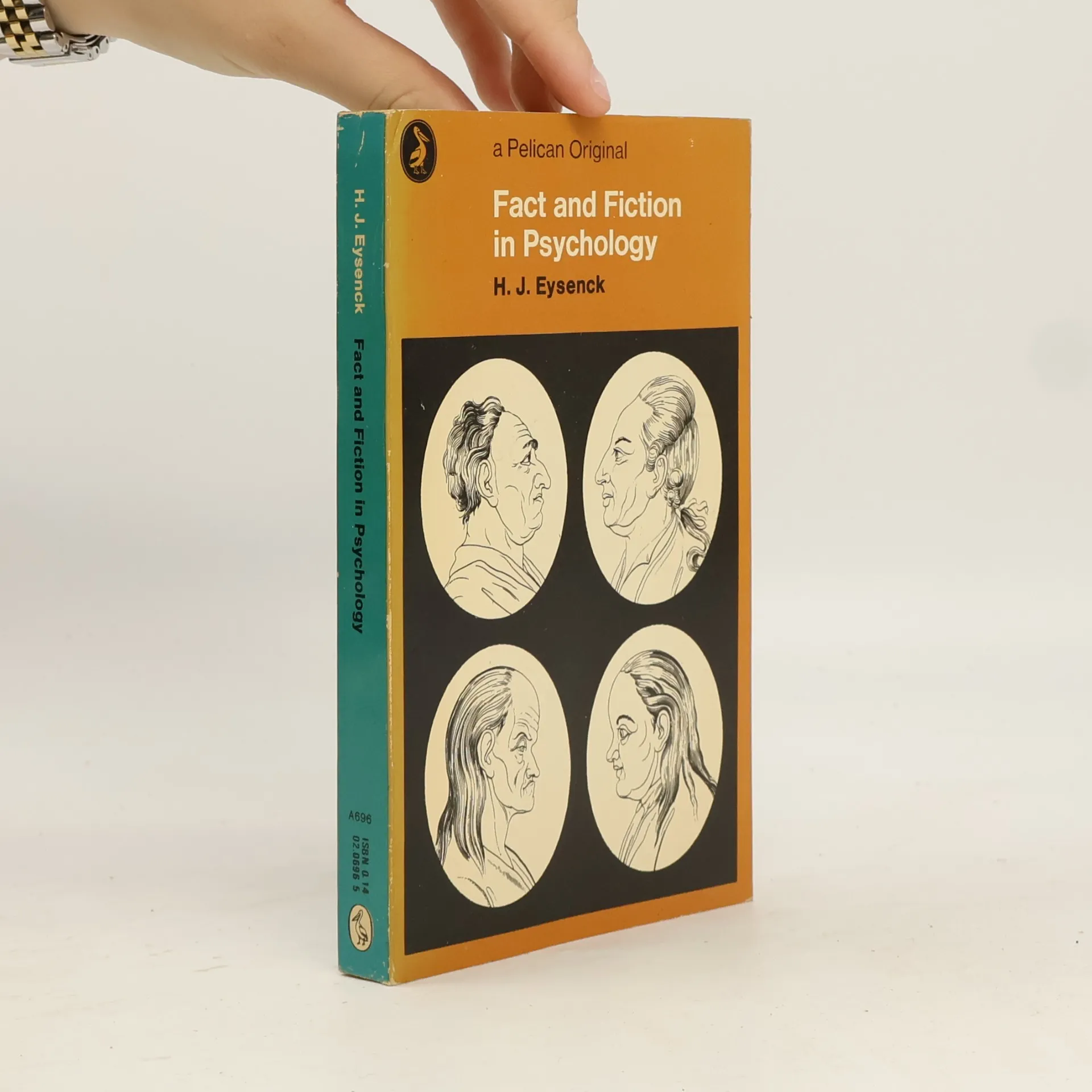
A Pelican Original: Fact and Fiction in Psychology
- 304pages
- 11 heures de lecture
Hardcover edition 1968 publishing
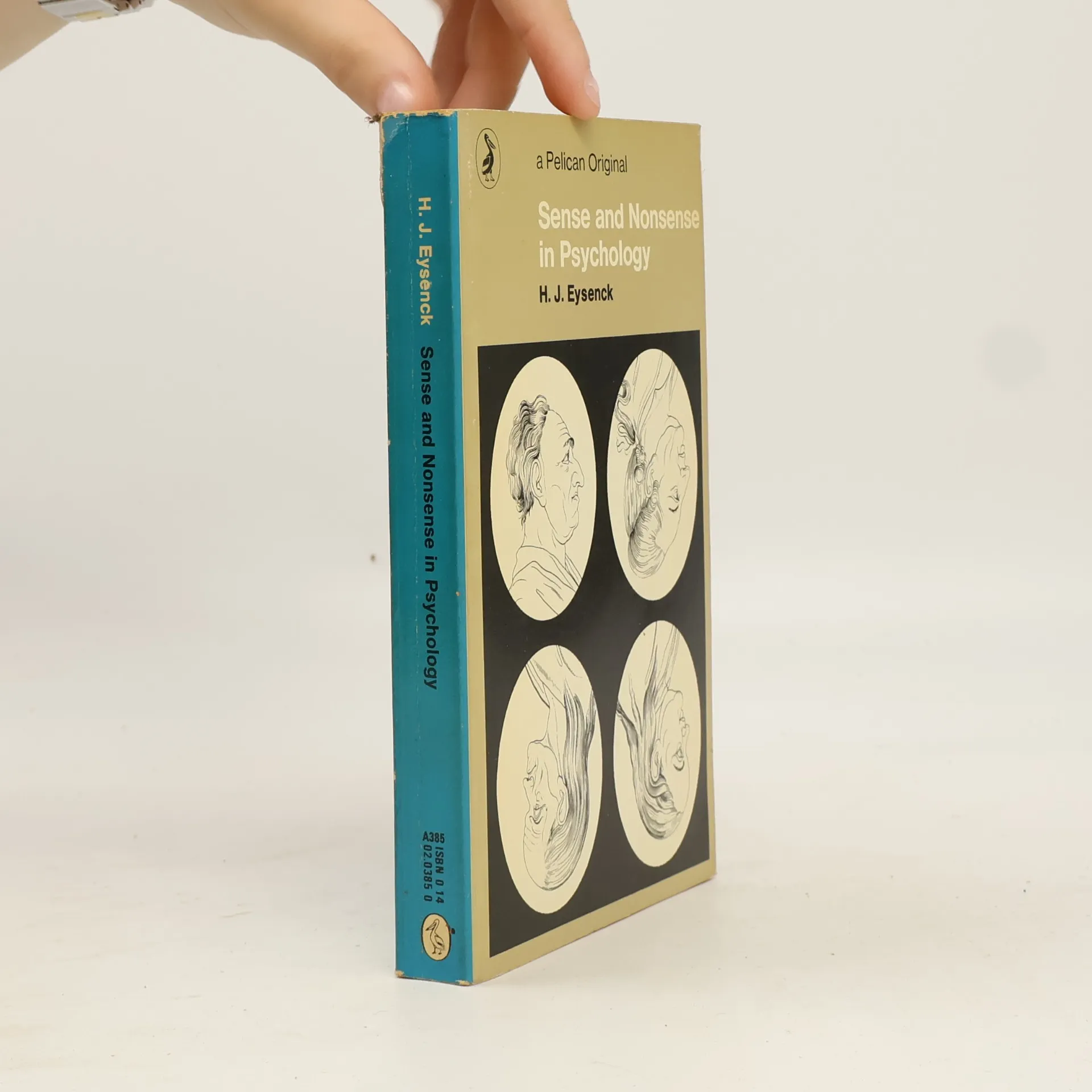
Pelican Original: Sense and Nonsense in Psychology
- 352pages
- 13 heures de lecture
Sense and Nonsense in Psychology (Pelican)
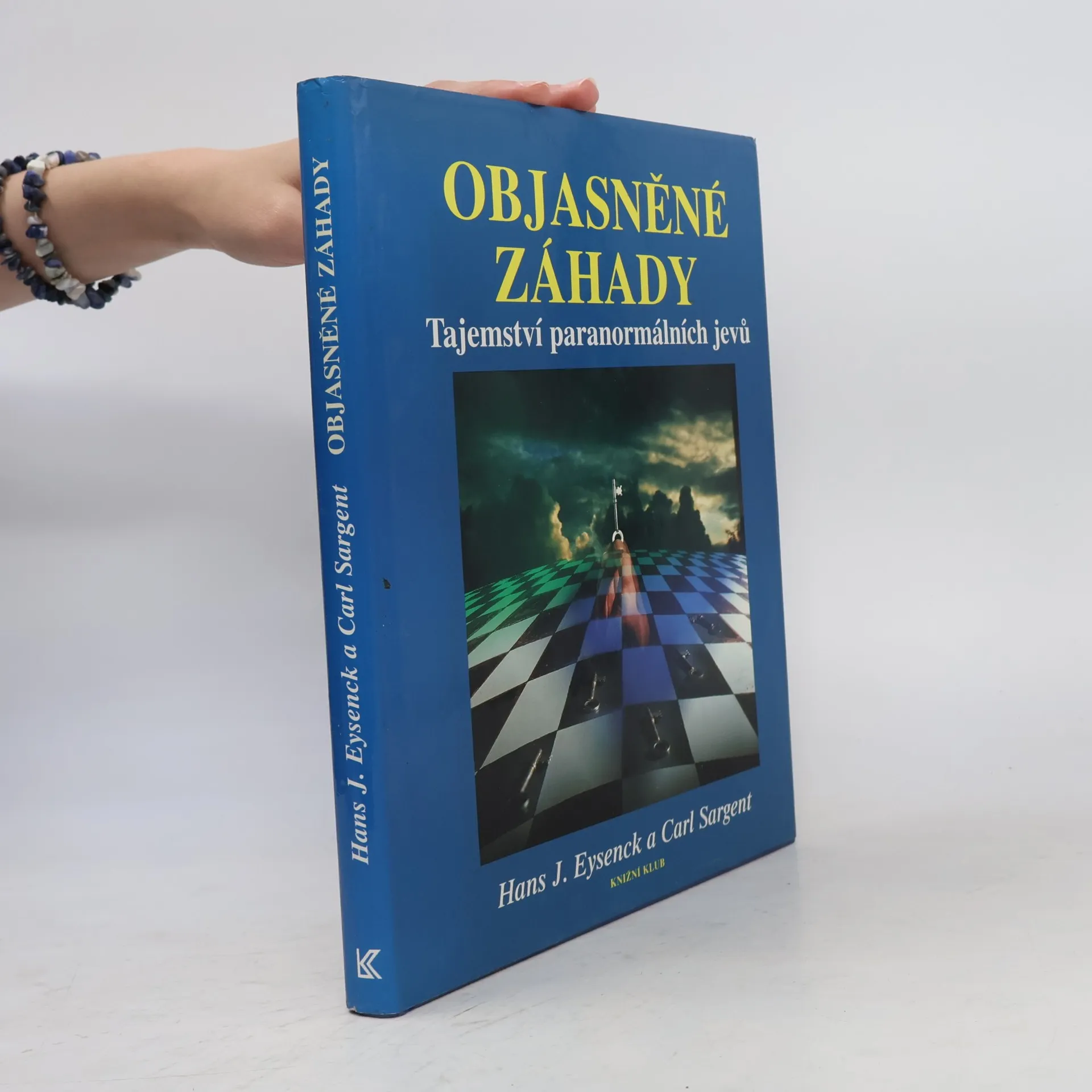
Objasněné záhady. Tajemství paranormálních jevů
- 192pages
- 7 heures de lecture
Zde se autoři snaží podat nejlepší a nejzávažnější důkazy o existenci psi (psychických schopností lidí). Součástí tohoto souboru je i velké množství svědeckých případů, jež nelze zamítnout jako podvody nebo omyly. Kniha obsahuje kapitoly jako: co jsou paranormální jevy?, mysl a hmota,hypnóza a jiné změny stavu vědomí nebo život po smrti.
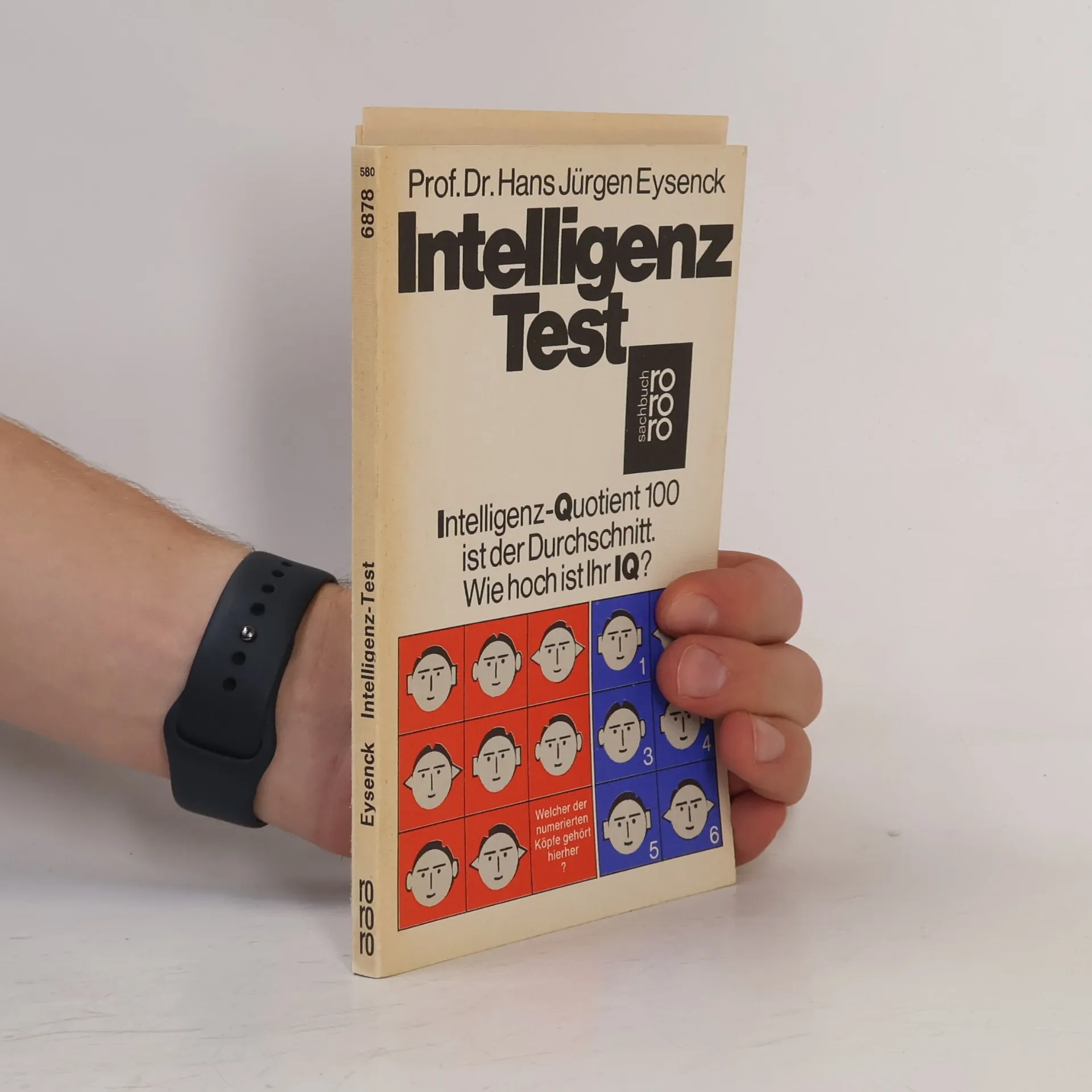
Der Intelligenzquotient, als nützliches Mittel zur Messung der Gehirnkapazität, ist in den letzten Jahren zunehmend in den Fokus der Öffentlichkeit gerückt. Dieses bekannte Buch ermöglicht es dem Leser, seinen eigenen IQ-Wert zu schätzen und zu bestätigen.
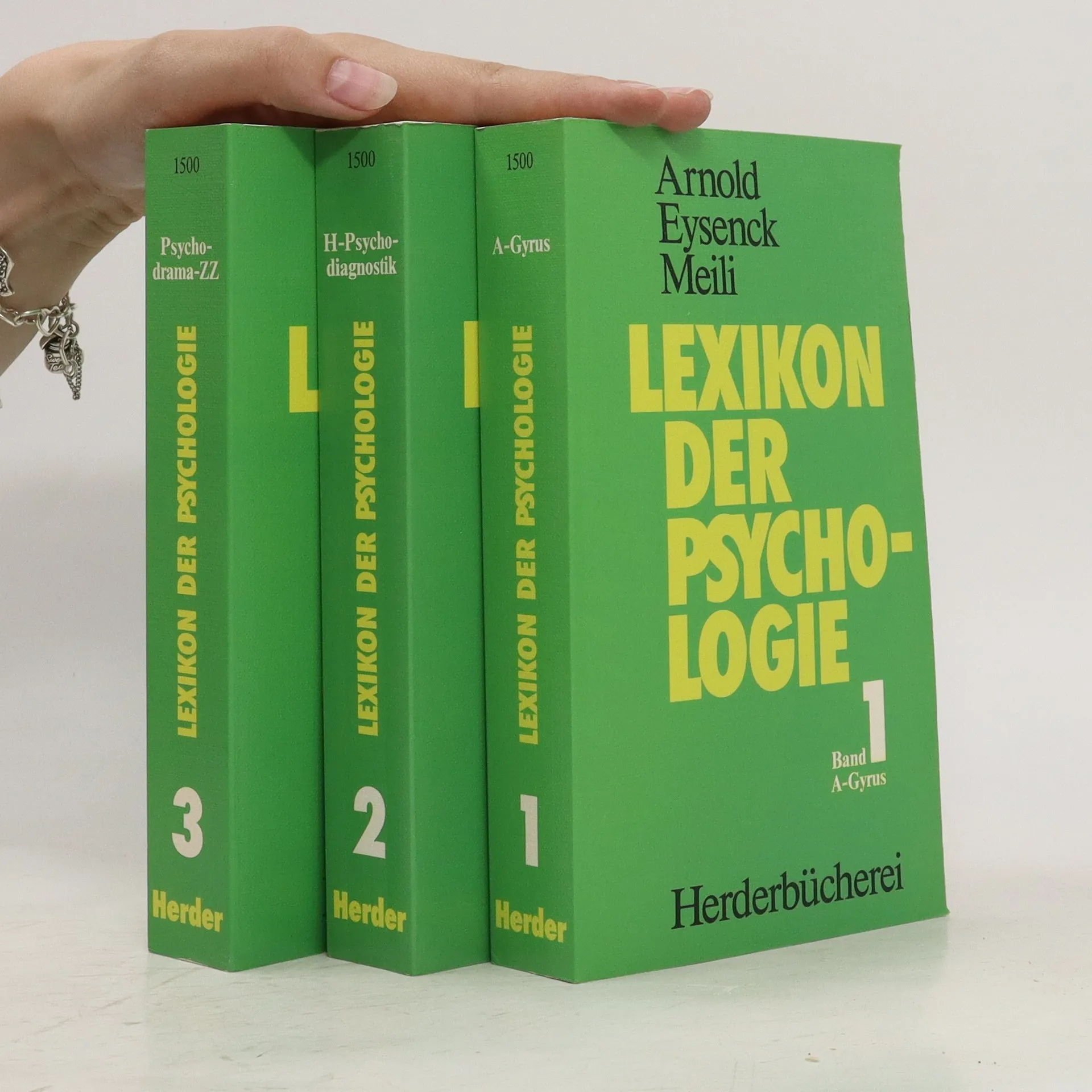
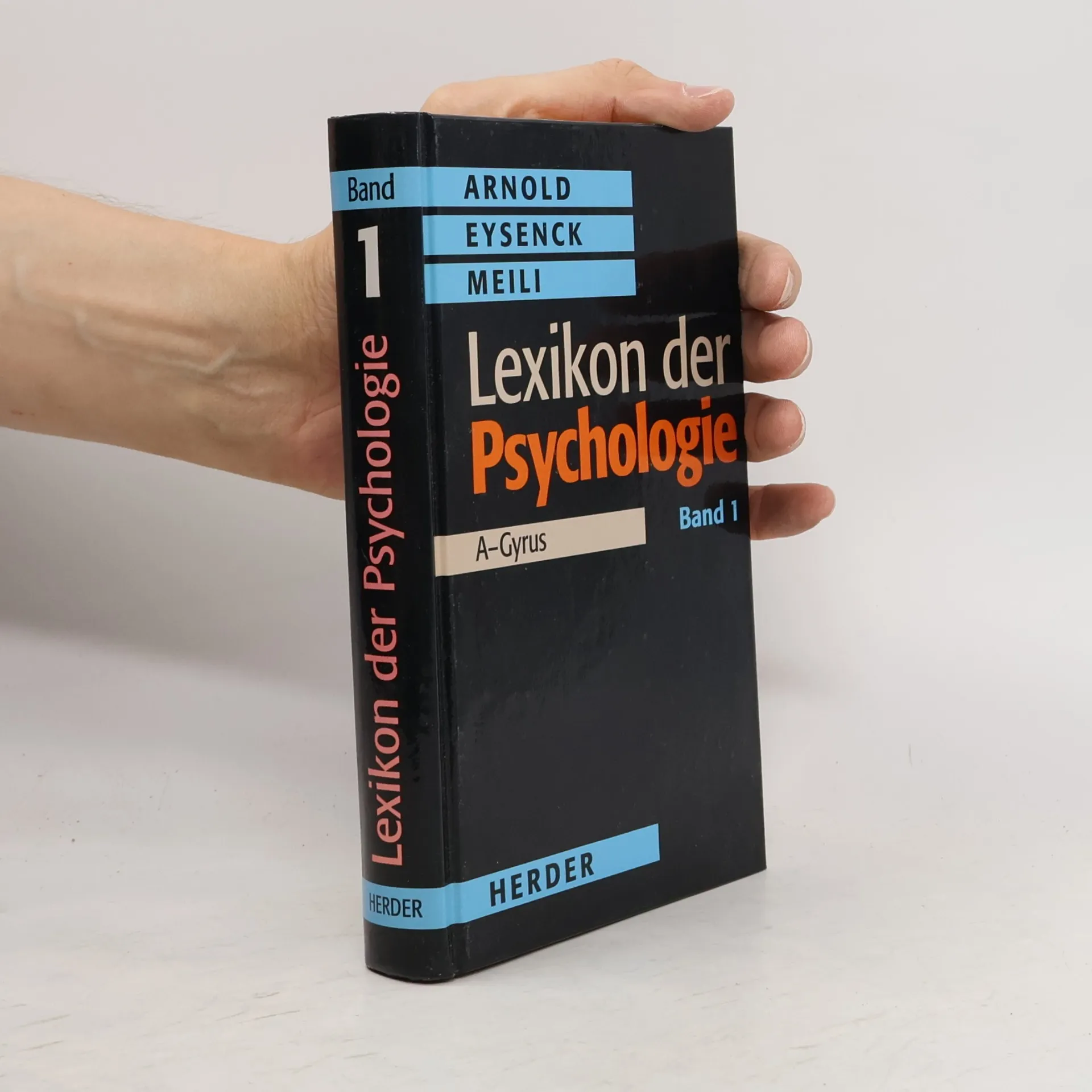
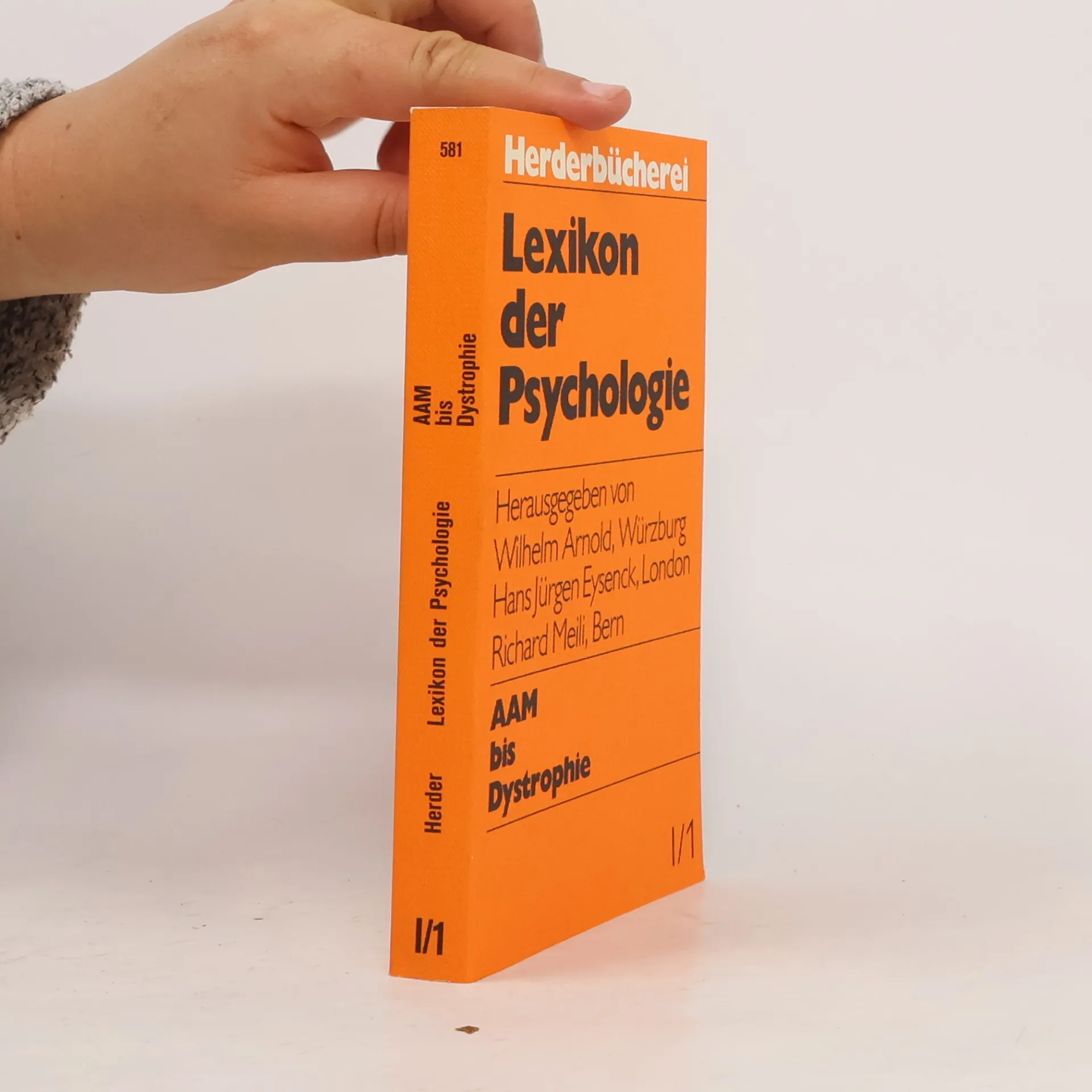
Lexikon der Psychologie 1
- 1724pages
- 61 heures de lecture
Hrsg. Arnold, Wilhelm ; Eysenck, Hans-Jürgen ; Meili, Richard 3 Bände. Mit Abb. u. Tab. Zus. XXI, 2611 S. 13. A. nur cpl.
Lexikon der Psychologie 2
- 1724pages
- 61 heures de lecture
Hrsg. Arnold, Wilhelm ; Eysenck, Hans-Jürgen ; Meili, Richard 3 Bände. Mit Abb. u. Tab. Zus. XXI, 2611 S. 13. A. nur cpl.
Das große Hans-J.-Eysenck-Test-Buch
- 229pages
- 9 heures de lecture
Der IQ-Test für Kinder
- 135pages
- 5 heures de lecture
Haben Sie außersinnliche Kräfte?
- 191pages
- 7 heures de lecture
Psi-Q ist eine Bezeichnung für paranormale Begabung. Im Gegensatz zur üblichen populären Literatur handelt dieses Buch nicht von anekdotischen spektakulären Geschichten über paranormale Erfahrungen, sondern bietet dem Leser eine Reihe von Tests, um die eigene Begabung auf diesem Gebiet zu überprüfen. Nach einer Erklärung über Psi werden drei Fragebögen angeboten. Der Leser testet Persönlichkeitsfaktoren, seinen Glauben an Psi und sein Vorstellungsvermögen. Anschließend werden die Vorbereitung für Psi und 30 Spiele behandelt und beschrieben. Interessant ist die Erklärung über Statistik. Der Leser kann selbst überprüfen, inwieweit er/sie über dem Zufallsergebnis liegt. Alle Spiele stammen aus der Wissenschaft (und sind daher nicht spektakulär). Nett zu machen für den interessierten Durchhalter. Beinhaltet Zeichnungen, Fotos und Diagramme.
Die Geheimnisse des Übernatürlichen
- 192pages
- 7 heures de lecture
Testen Sie Ihren Psi-Q
- 190pages
- 7 heures de lecture
Die IQ-Bibel
- 384pages
- 14 heures de lecture
Gibt es überhaupt eine allgemein akzeptierte Definition des Intelligenzbegriffs? Was messen eigentlich Intelligenztests, wirklich die Intelligenz? Wie stark ist Intelligenz von Umweltfaktoren und wie stark von erblichen Faktoren abhängig? Und: stehen dahinter nicht etwa ideologische und politische Zielsetzungen, etwa die, den politischen Status quo zu bewahren oder die Überlegenheit einer Rasse über andere festzustellen? Eysenck bezieht in seinem Buch zu all diesen Fragen pointiert Stellung. Dem Leser wird klar, daß der seriösen Intelligenzforschung ein allgemein akzeptiertes Verständnis des Begriffs zugrunde liegt ebenso wie eine weitgehend akzeptierte Theorie. Und er zeigt, daß und wie Intelligenz heutzutage zuverlässig gemessen werden kann.
Lexikon der Psychologie 3
- 1724pages
- 61 heures de lecture
Hrsg. Arnold, Wilhelm ; Eysenck, Hans-Jürgen ; Meili, Richard 3 Bände. Mit Abb. u. Tab. Zus. XXI, 2611 S. 13. A. nur cpl.
Sigmund Freud
- 240pages
- 9 heures de lecture
Der übersinnliche Mensch
- 192pages
- 7 heures de lecture
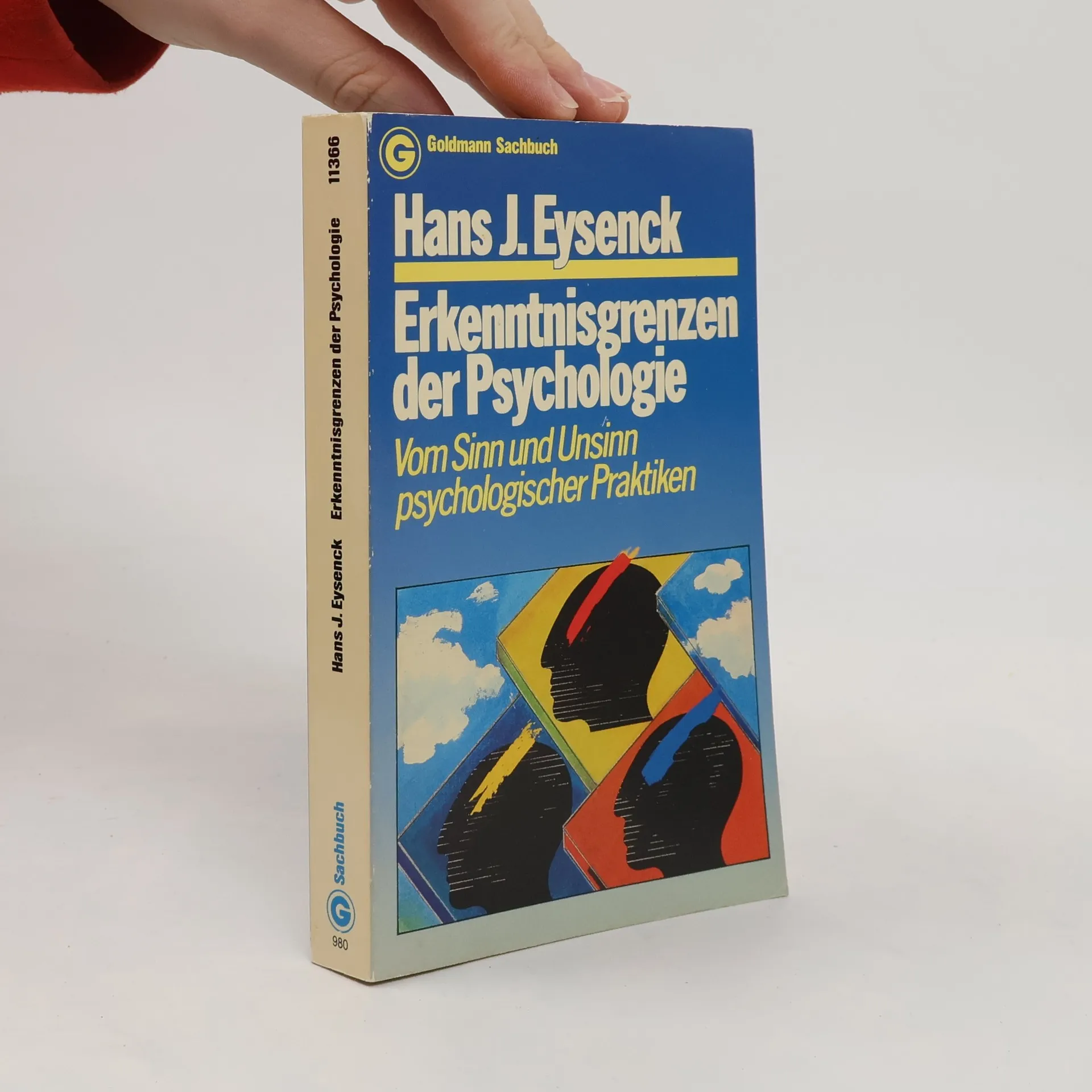
Erkenntnisgrenzen der Psychologie
- 379pages
- 14 heures de lecture
Das Partnerbuch
- 222pages
- 8 heures de lecture
Der durchsichtige Mensch
- 219pages
- 8 heures de lecture
Astrologie
- 283pages
- 10 heures de lecture
Verwendet moderne statistische Methoden, um die Mechanismen zu erklären, durch die die Planeten möglicherweise einen signifikanten Einfluss auf das Leben auf der Erde haben, und schlägt eine neue Wissenschaftsdisziplin, die Kosmobiologie, vor.
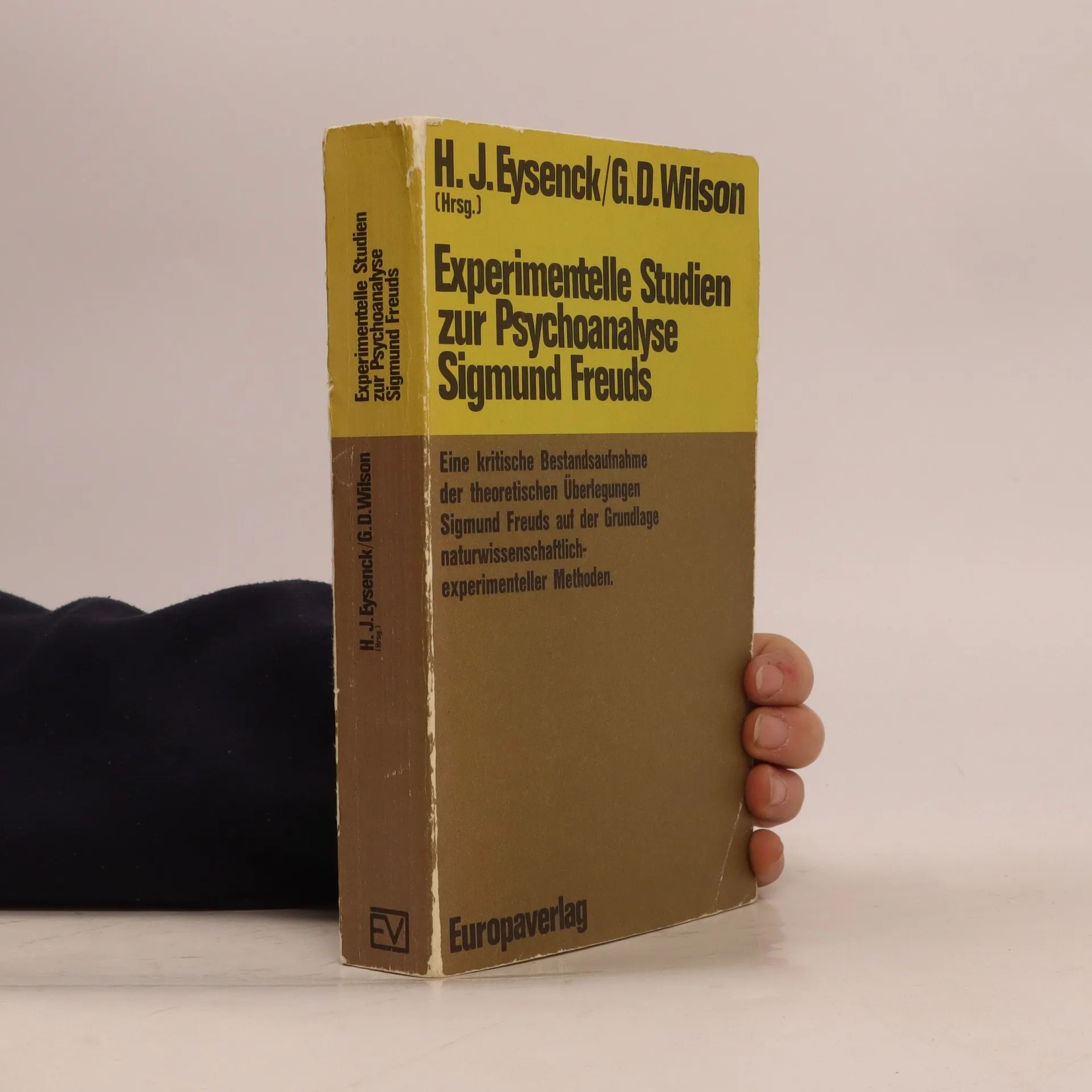
Experimentelle Studien zur Psychoanalyse Sigmund Freuds
- 482pages
- 17 heures de lecture
Ursprünglich 1973 veröffentlicht, haben die Herausgeber dieses Buches Studien gesammelt, die damals als die besten Beweise zur Unterstützung der Freudschen Theorie angesehen wurden, und festgestellt, dass sie bei genauerer Prüfung keinen solchen Beweis lieferten. Jedes Papier wird vollständig abgedruckt und von einer kritischen Diskussion gefolgt, die Fragen zur statistischen Behandlung, zur Angemessenheit der Kontrollen und zu alternativen Interpretationen aufwirft. Die besondere Nützlichkeit dieses Formats besteht darin, dass es den Lesern ermöglicht, sich eine eigene Meinung zu bilden, während hilfreiche Vorschläge und Richtlinien gegeben werden, wie man experimentelle Studien mit einem kritischen Geist angehen kann.
Die Ungleichheit der Menschen
- 271pages
- 10 heures de lecture
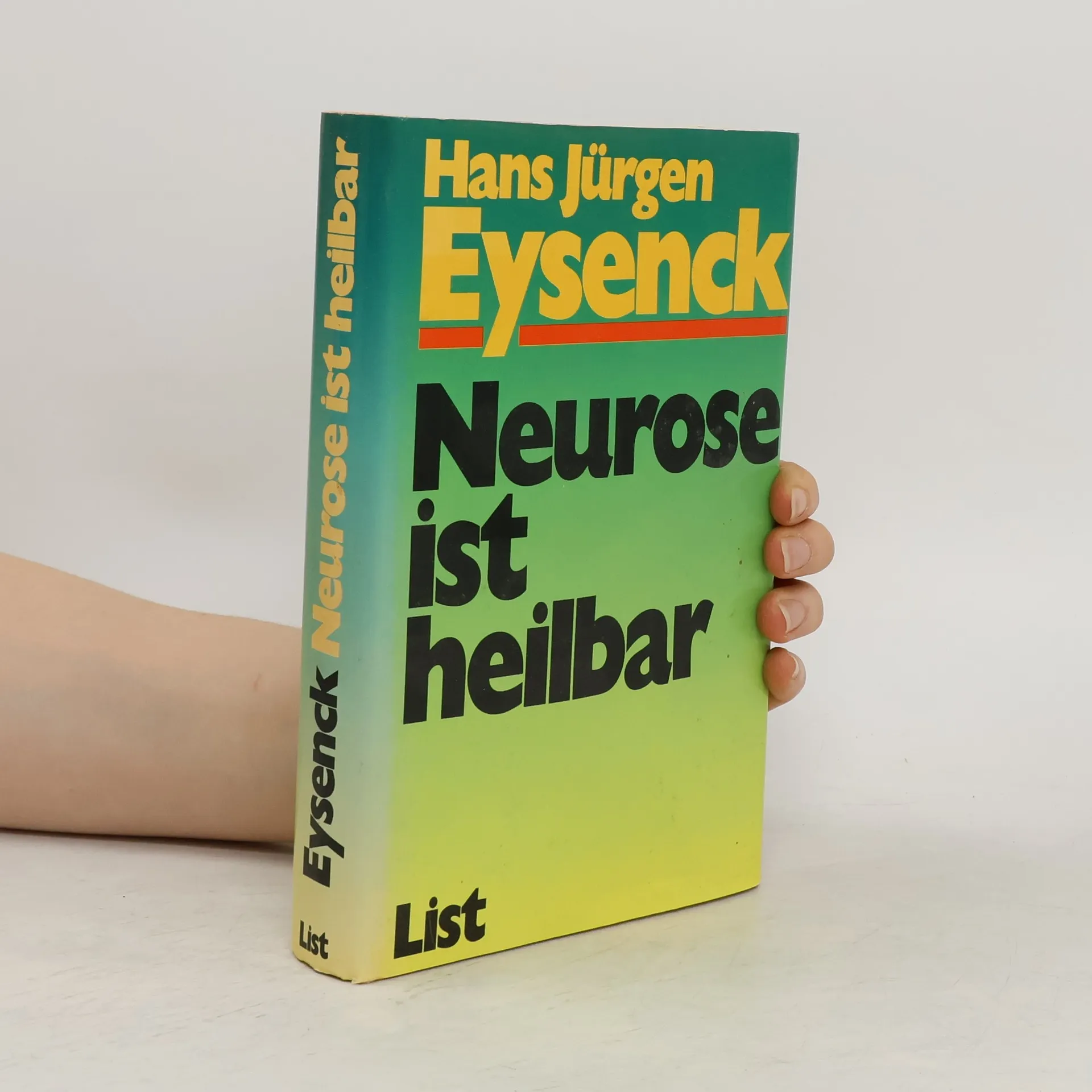
Neurose ist heilbar
- 310pages
- 11 heures de lecture
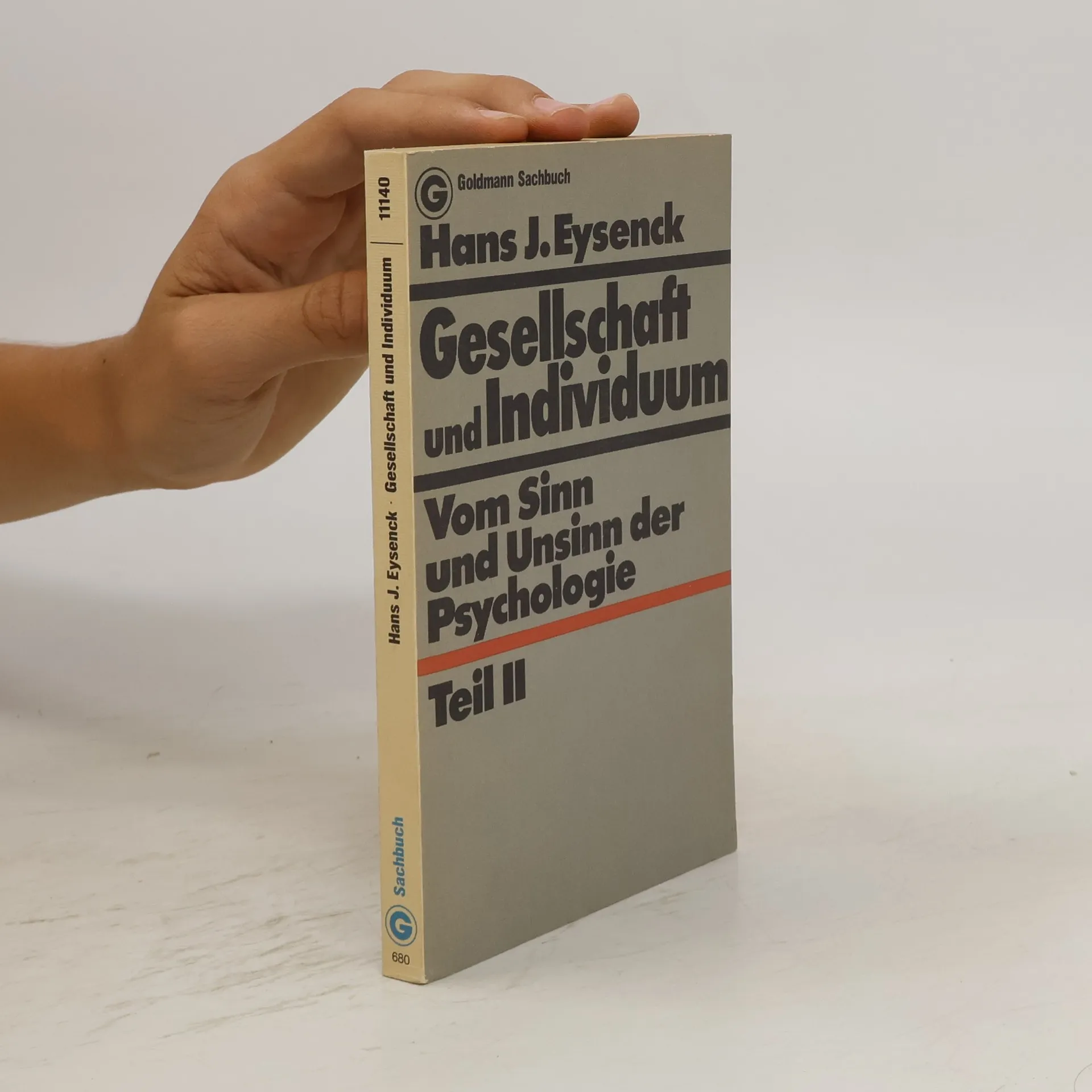
Gesellschaft und Individuum
- 191pages
- 7 heures de lecture
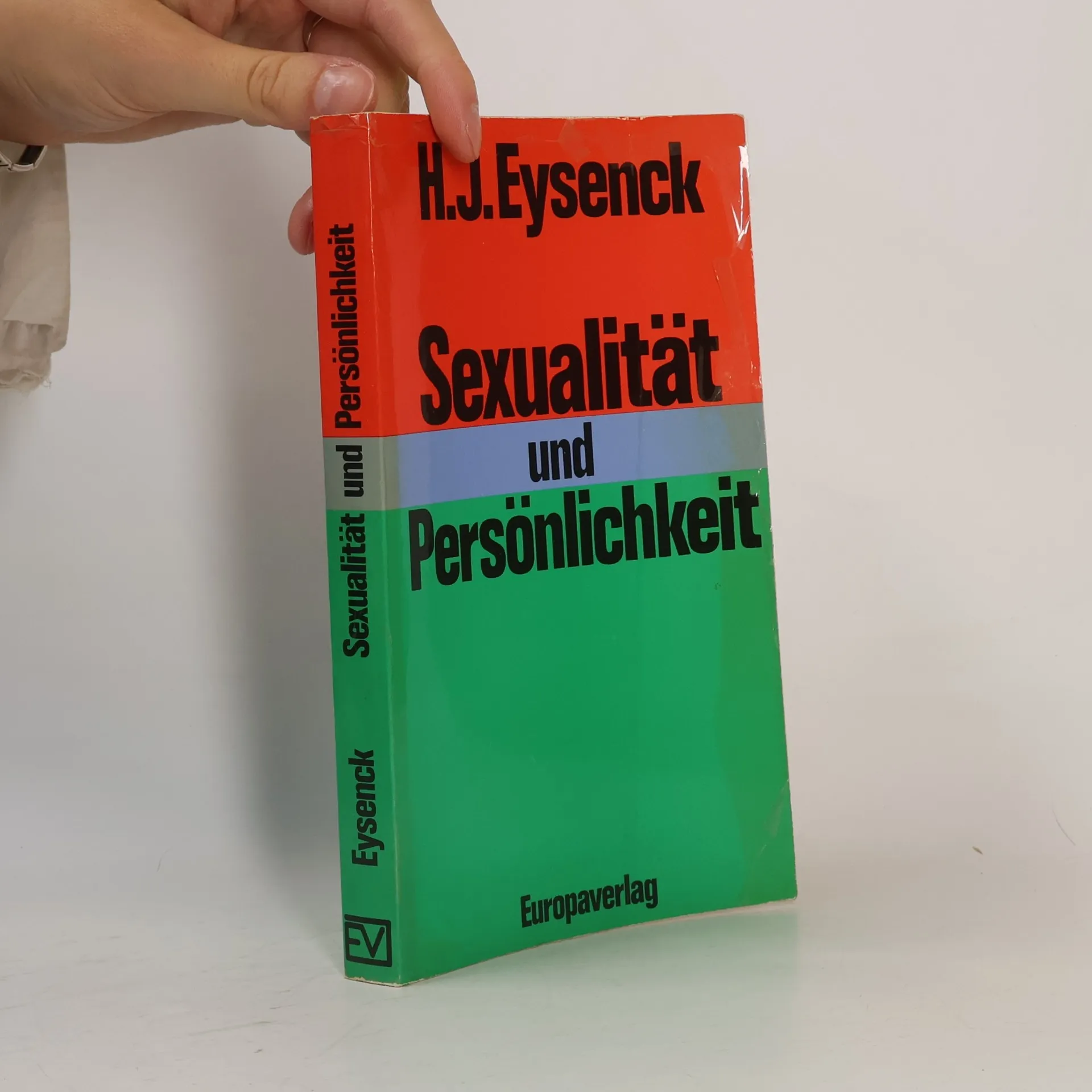
Sexualität und Persönlichkeit
- 300pages
- 11 heures de lecture
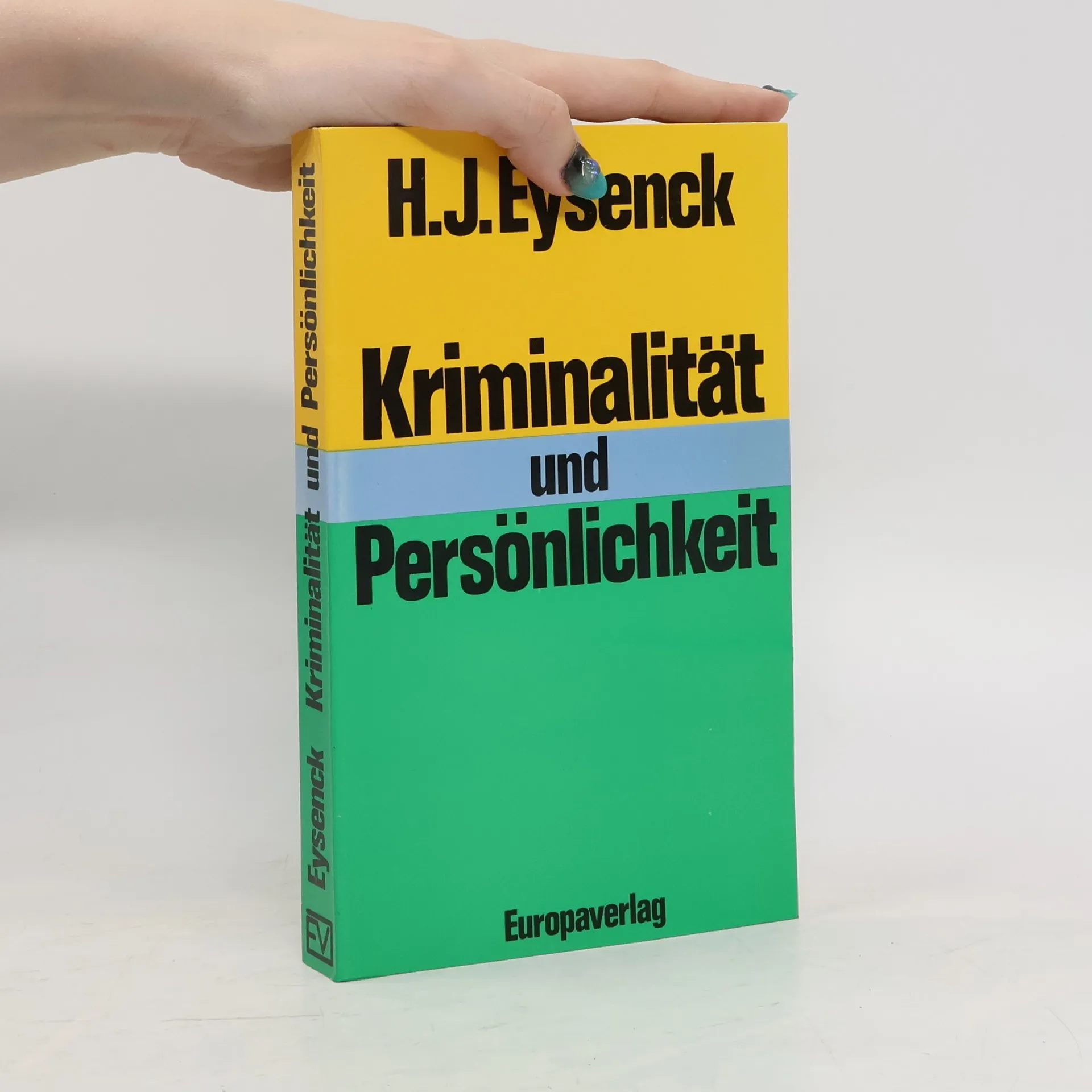
Kriminalität und Persönlichkeit
- 270pages
- 10 heures de lecture
Als "Kriminalität und Persönlichkeit" erstmals 1964 veröffentlicht wurde, äußerte J.A.C. Brown im New Statesman: Es besteht kein Zweifel an der Bedeutung von Professor Eysencks Buch über die Natur und Behandlung von kriminellem Verhalten. Diese dritte Auflage, die ursprünglich 1977 veröffentlicht wurde, wurde vollständig überarbeitet und auf den neuesten Stand gebracht. Obwohl die Haupttheorie, die Persönlichkeit und Kriminalität verbindet, beibehalten wurde, wurden viele Details im Einklang mit der aktuellen Forschung geändert.
Ihre Intelligenz auf dem Prüfstand
- 457pages
- 16 heures de lecture
■ Intelligenztests ■ Berufspsychologie ■ Klinische Psychologie ■ Sozialpsychologie ■ Enzyklopädisches Stichwort: Naturwissenschaftlich-experimentelle Psychologie ■ Literaturhinweise ■ Personen- und Sachregister
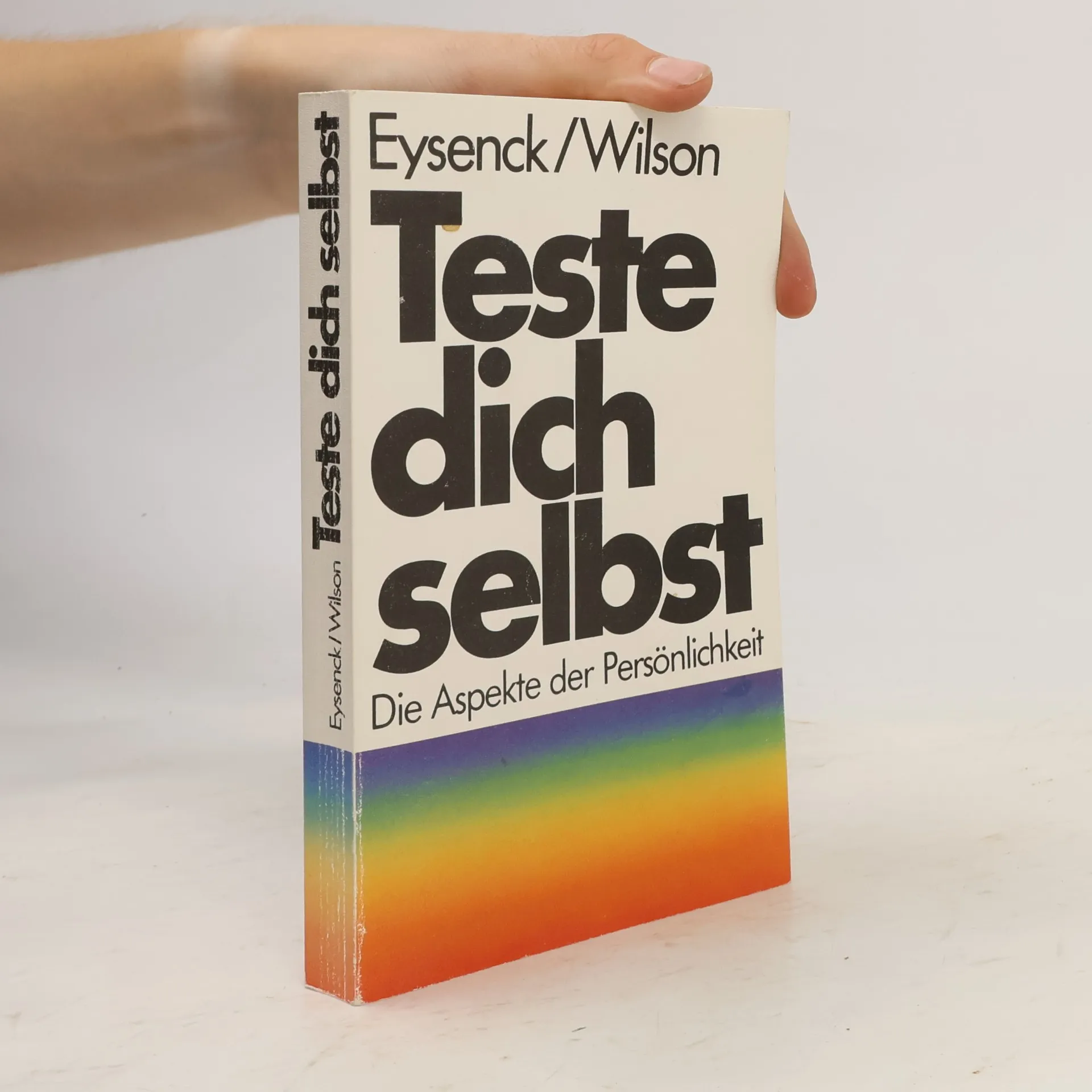
Teste dich selbst
- 229pages
- 9 heures de lecture
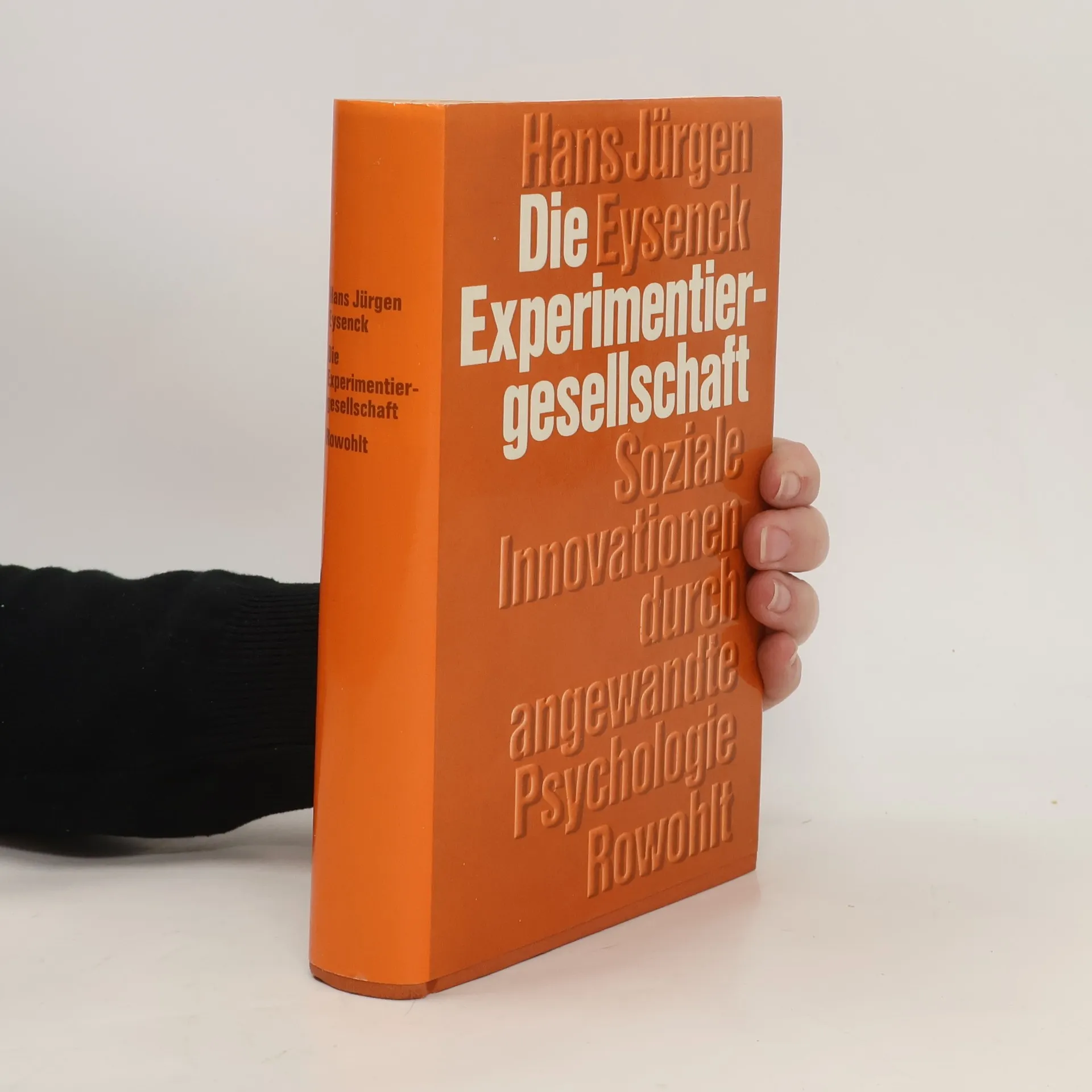
Die Experimentiergesellschaft
- 344pages
- 13 heures de lecture
Die Zukunft der Psychologie
- 243pages
- 9 heures de lecture
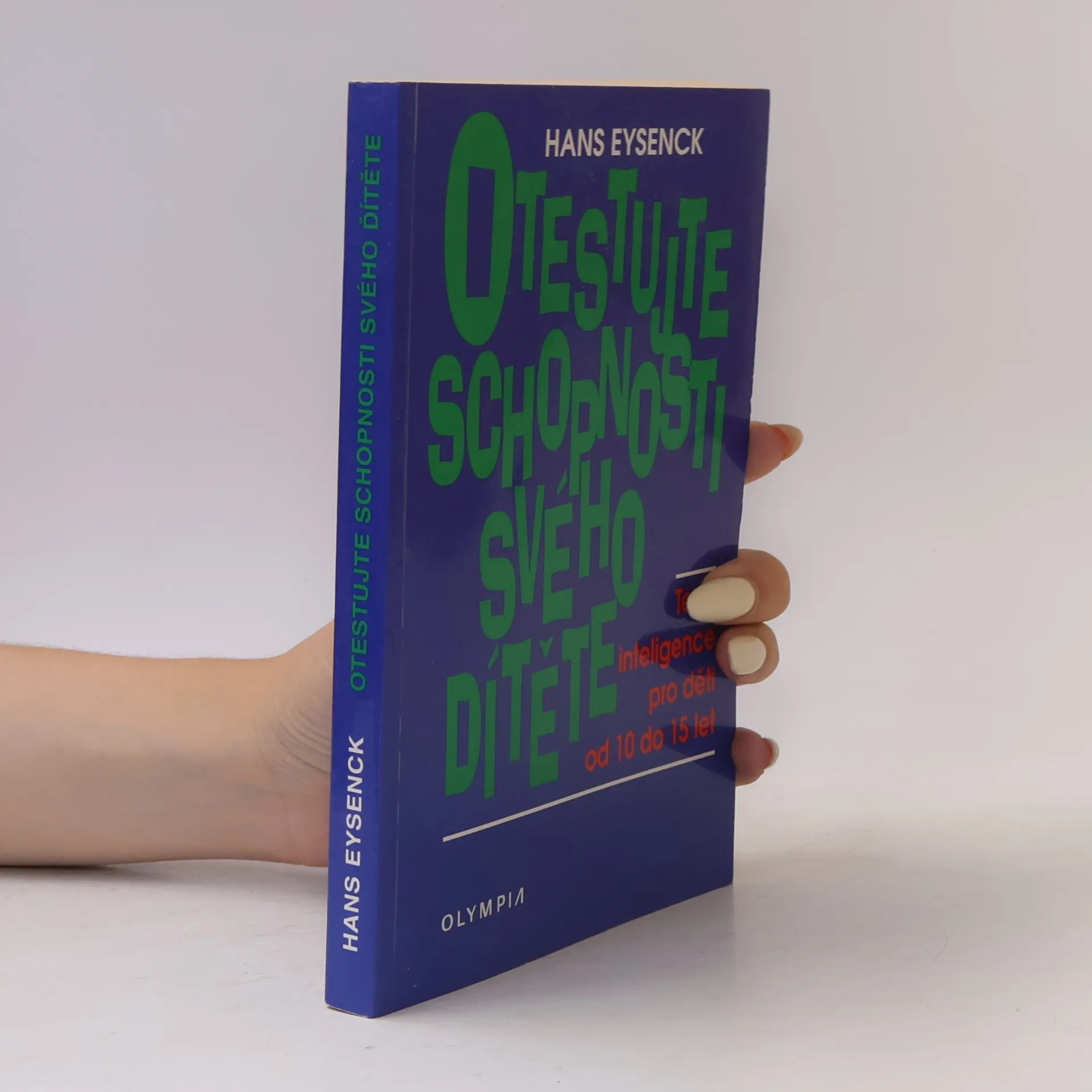
Otestujte schopnosti svého dítěte
- 191pages
- 7 heures de lecture
Testy profesora Eysencka se používají v psychologické praxi už několik desetiletí. Tato kniha dává možnost otestovat dítě svépomocí a při dodržení stanovených pravidel získat dobrou představu o jeho základních intelektuálních schopnostech. Testy ověřují úroveň abstraktního myšlení, počítání, vnímání, verbální a prostorové představivosti.Dosazením získaných bodů do tabulek získáte IQ dítěte.
Herderbücherei - 2/2: Lexikon der Psychologie
Lernen, inzidentelles bis Prompting
- 14pages
- 1 heure de lecture
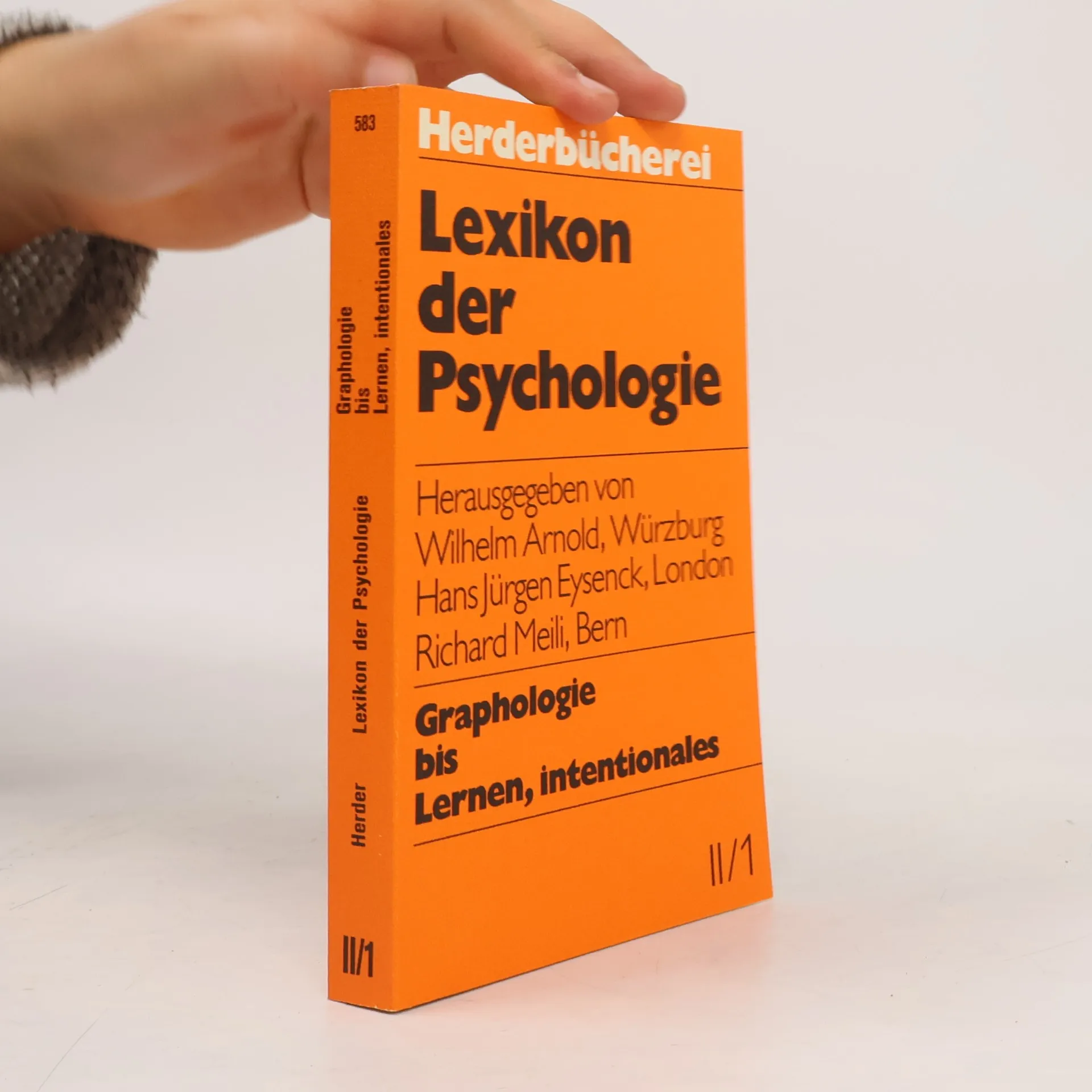
Herderbücherei - II/1: Lexikon der Psychologie
Graphologie bis Lernen, intentionales
- 431pages
- 16 heures de lecture
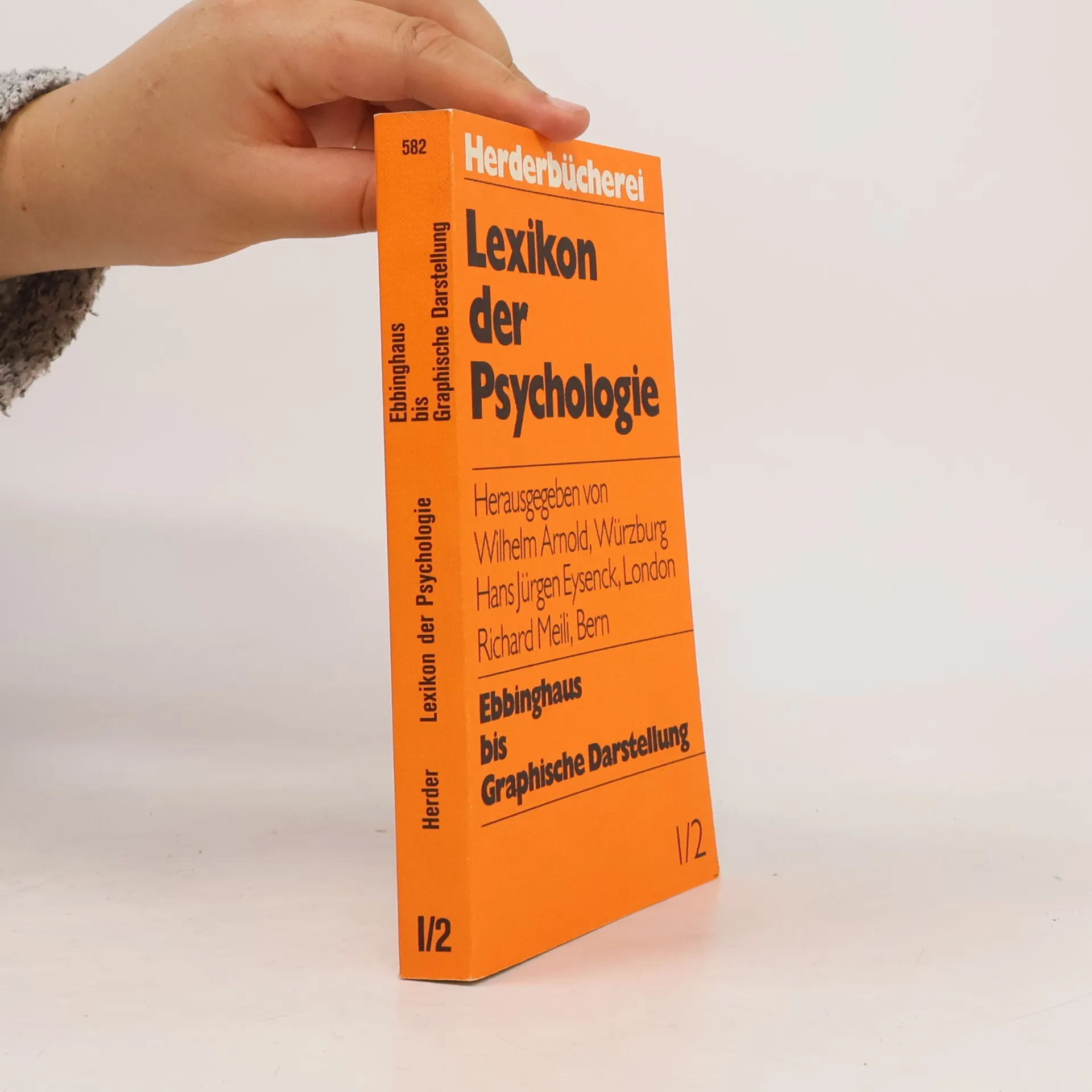
Lexikon der Psychologie
Ebbinghaus bis Graphische Darstellung
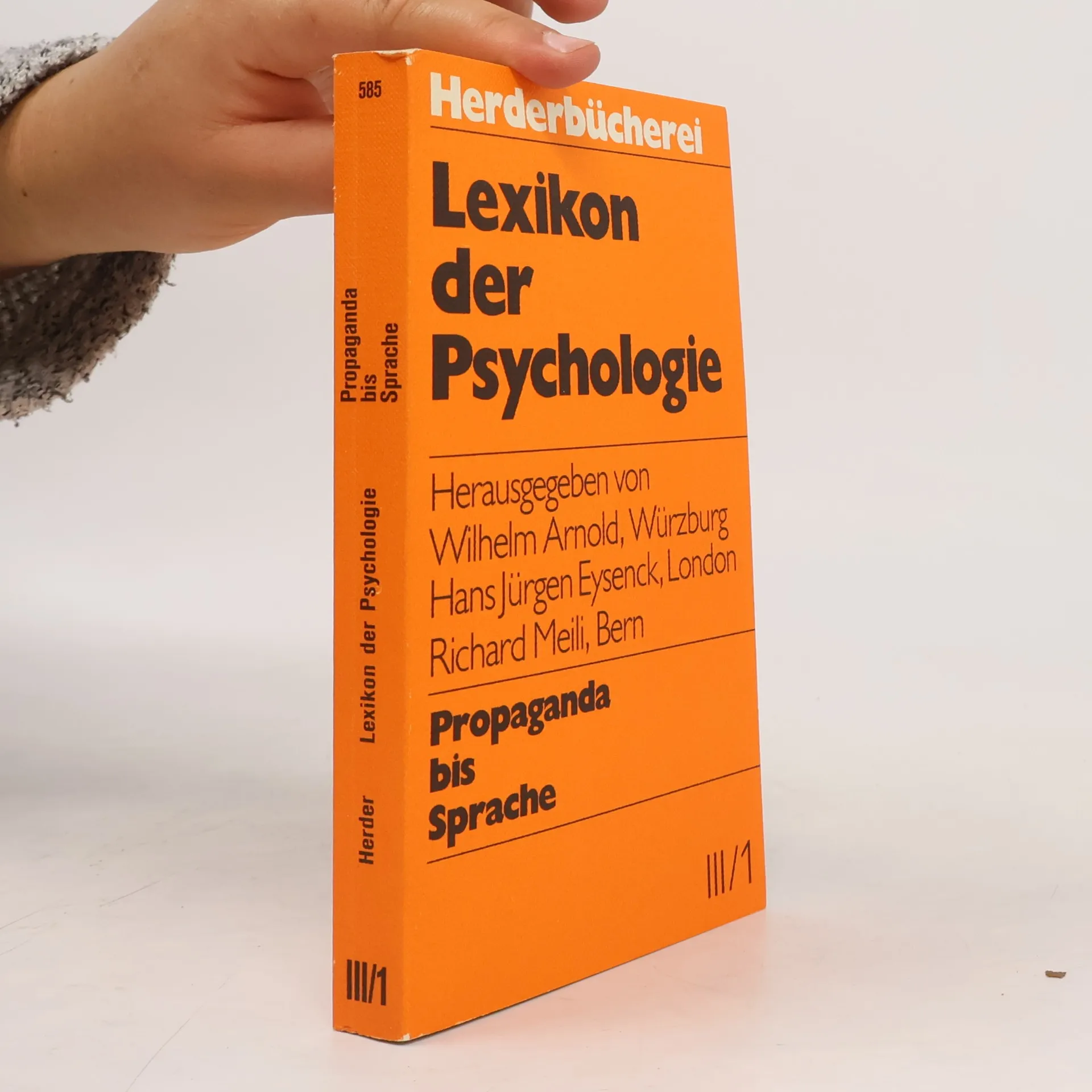
Lexikon der Psychologie - 3.2: Lexikon der Psychologie
Sprache, innere bis ZZ (in 6 Bänden)
QI. Nuovi test d'intelligenza
- 224pages
- 8 heures de lecture