Эта книга предлагает инновационные идеи от ведущих психологов, нейробиологов и философов, которые радикально увеличивают наше понимание человеческого мышления. Темы, рассматриваемые в книге, могут удивить многих, но в то же время будут непонятны для других. Она содержит термины и концепции, которые могут значительно изменить многие представления о мышлении. Это новое знание решает множество старых загадок и открывает целостный взгляд на все возможности мышления внутри нас.
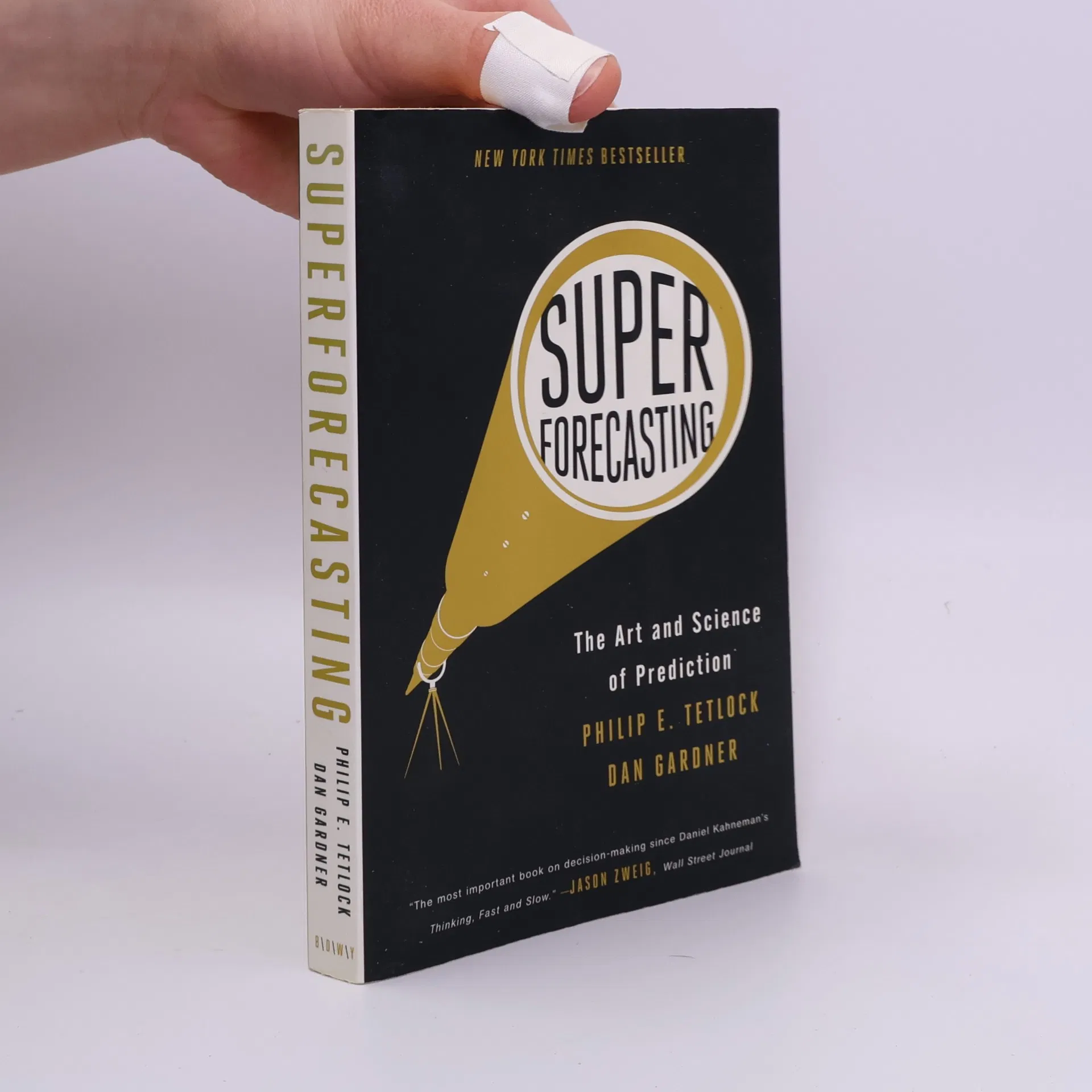
From a leading social scientist comes a transformative exploration of the habits that enhance predictive abilities. Everyone can benefit from improved foresight, whether in investing, policy-making, or everyday planning. Yet, people are often poor at forecasting. A pivotal study by Wharton professor Philip Tetlock revealed that even experts perform only slightly better than chance. However, some experts excel at predictions, prompting Tetlock to investigate why. In collaboration with Dan Gardner, he presents a comprehensive analysis of prediction, drawing from extensive research and a significant forecasting tournament known as the Good Judgment Project. This initiative involved thousands of ordinary individuals, including a filmmaker and a retired pipe installer, who successfully forecasted global events, outpacing traditional benchmarks and even intelligence analysts with classified access. These individuals are termed "superforecasters." The authors illustrate how we can learn from them by sharing stories of both successful and failed forecasts, alongside insights from prominent decision-makers. They argue that effective forecasting relies on gathering diverse evidence, thinking probabilistically, collaborating, tracking outcomes, and being open to admitting mistakes. This groundbreaking work offers practical strategies to enhance our predictive skills across various domains, positioning itself as a modern classic.
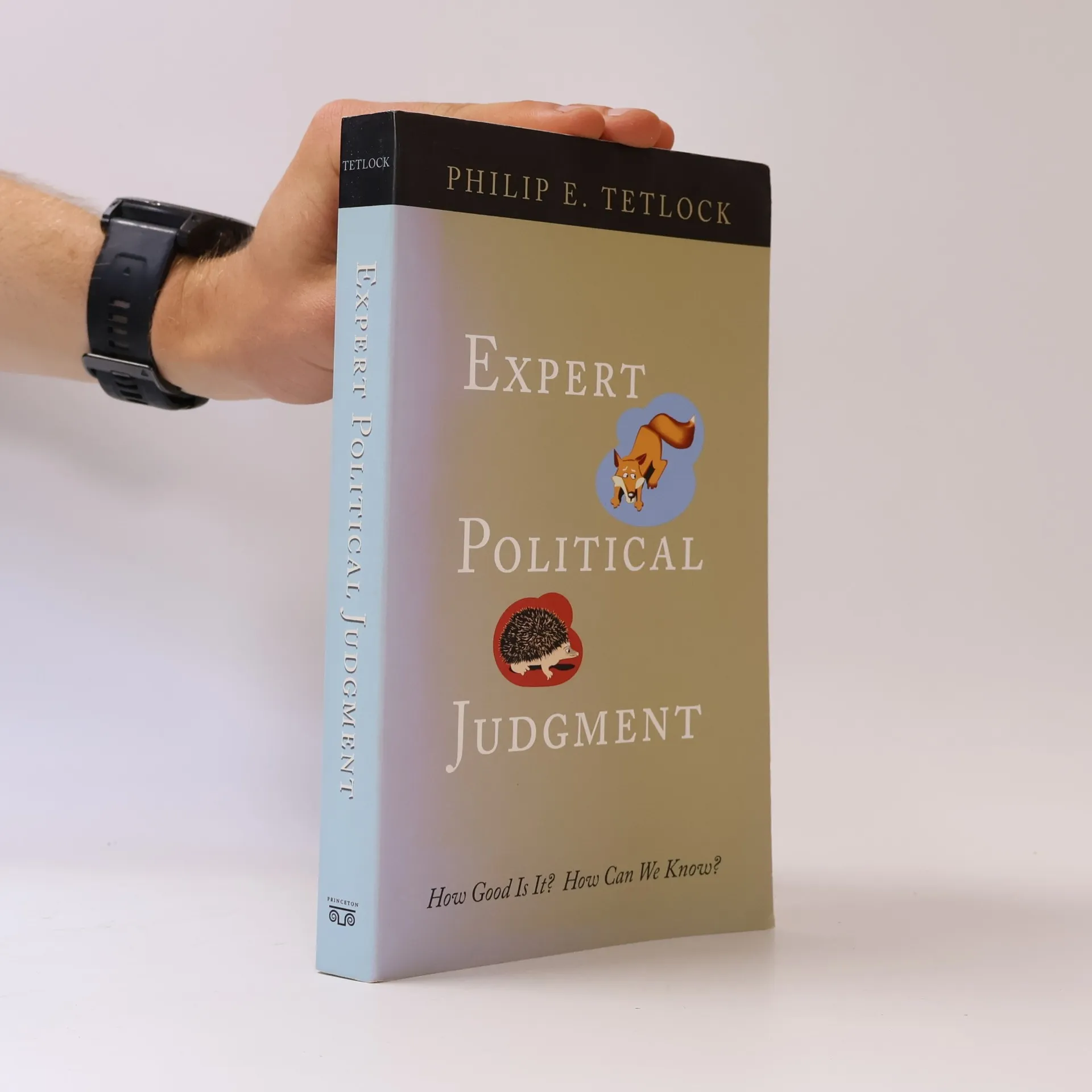
The intelligence failures surrounding the Iraq invasion highlight the urgent need for standards in evaluating expert opinion. This book addresses that gap by exploring what constitutes good judgment in predicting future events and examining why experts often miss the mark. The author discusses whether the complexity of the world hinders our ability to understand political phenomena and make accurate predictions. He compares expert forecasts to those made by well-informed laypeople and simple trend extrapolations. Analyzing different thinking styles, he uses Isaiah Berlin's fox and hedgehog prototypes to argue that the fox—who draws from diverse traditions and adapts to change—outperforms the hedgehog, who relies on a singular perspective and rigid solutions. The author also highlights a troubling inverse relationship between indicators of good judgment and the qualities valued by the media in pundits, such as ideological fervor. The book is clearly written and thoroughly researched, filling a significant void in the literature on expert evaluation. It will resonate across academic disciplines and with corporations aiming to establish criteria for assessing expert decision-making.